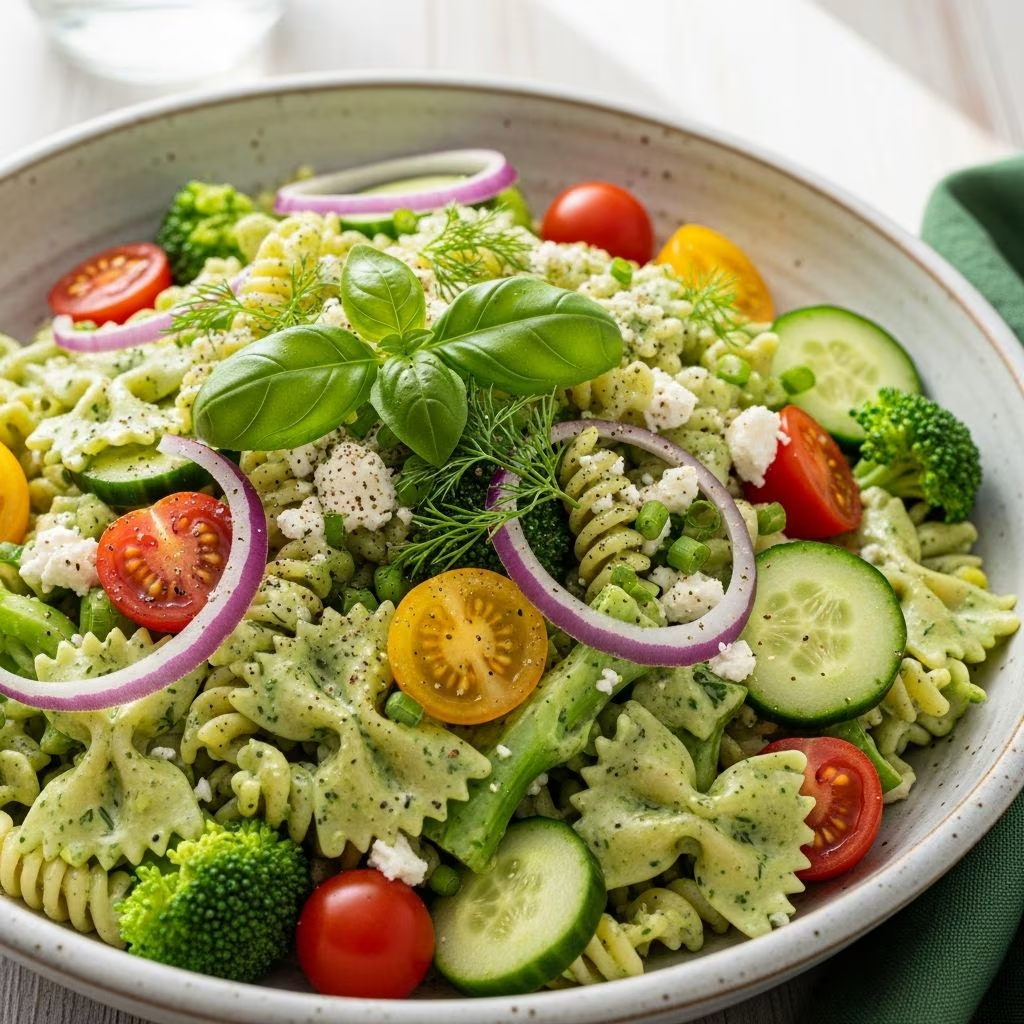
This delightful dish combines al dente pasta with a lush, herb-infused dressing and an array of fresh produce, creating a salad that’s as nutritious as it is flavorful. Ideal for warm-weather barbecues, office lunches, or casual weeknight dinners, it balances creamy textures with bright, tangy notes.
The Allure of Green Goddess Dressing
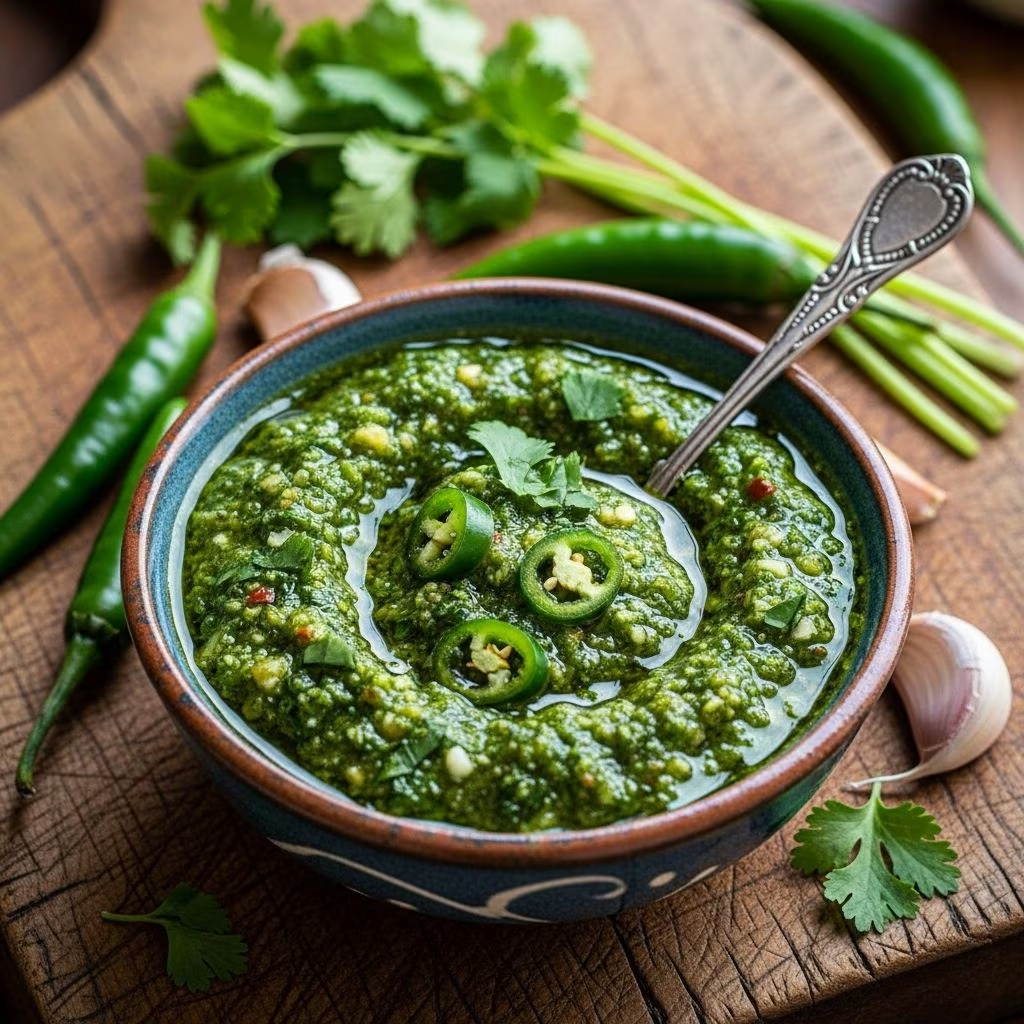
At the heart of this salad lies the iconic Green Goddess dressing, a blend originating from early 20th-century California kitchens. Its signature green hue comes from an abundance of fresh herbs like basil, parsley, and chives, mingled with creamy bases such as yogurt or mayonnaise. The dressing’s tang arises from lemon juice and garlic, offering a vibrant contrast to the mild pasta and vegetables.
Unlike heavier vinaigrettes, this dressing clings beautifully to pasta shapes, ensuring every bite is coated in herbaceous goodness. Its versatility allows for adaptations: swap in mint for a cooler profile or add anchovies for umami depth, drawing from traditional recipes that emphasize fresh, seasonal ingredients.
Selecting the Perfect Pasta
Choose short, textured pastas like fusilli, gemelli, orecchiette, or radiatore to maximize dressing adhesion. These shapes create nooks that trap the creamy sauce and veggie bits, enhancing mouthfeel.
- Fusilli or Gemelli: Spiraled designs hold sauce exceptionally well.
- Orecchiette: Little ears cup vegetables and dressing.
- Radiatore: Radiator-like ridges for superior grip.
Cook pasta to al dente—firm yet tender—to prevent sogginess when mixed with the dressing. Rinsing under cold water stops the cooking process and removes excess starch, promoting a fresh texture.
Essential Vegetables and Add-Ins
Fresh, crisp vegetables form the salad’s backbone, providing crunch, color, and nutrition. Common choices include peas for sweetness, asparagus for earthiness, cucumbers for hydration, and spinach or arugula for peppery greens.
| Vegetable | Preparation Tip | Benefit |
|---|---|---|
| Asparagus | Chop into 1-inch pieces; blanch 2 minutes | Fiber-rich, adds tender bite |
| Peas (frozen) | Add to pasta water last minute | Sweet pop of color and protein |
| Cucumber | Seed and dice to avoid wateriness | Refreshing crunch |
| Spinach/Arugula | Chop finely | Nutrient boost, mild bitterness |
Incorporate proteins like chickpeas for plant-based heft or pine nuts for nutty crunch. Cheeses such as burrata, Parmesan shavings, or mozzarella pearls elevate creaminess without overpowering the greens.
Step-by-Step Recipe Guide
Serves 6-8 as a side; prep time 20 minutes, chill time 30 minutes.
Ingredients
For the Dressing:
- ¾ cup full-fat Greek yogurt or sour cream
- ½ cup mayonnaise
- 1 cup mixed fresh herbs (basil, parsley, dill, chives)
- 2 garlic cloves
- 3 tbsp fresh lemon juice
- 2 tbsp olive oil
- Salt and black pepper to taste
For the Salad:
- 1 lb short pasta (fusilli or similar)
- 1 cup frozen peas
- 1 bunch asparagus, trimmed and chopped
- 1 cucumber, seeded and diced
- 2 cups baby spinach, chopped
- ½ cup chickpeas, drained
- ¼ cup pine nuts, toasted
- Optional: Burrata or Parmesan for topping
Instructions
- Prepare the dressing: In a blender, combine yogurt, mayo, herbs, garlic, lemon juice, olive oil, salt, and pepper. Process until smooth and vibrant green. Taste and adjust seasoning. Refrigerate while prepping other components.
- Cook pasta and veggies: Boil pasta per package instructions until al dente. In the last 2 minutes, add peas and asparagus. Drain, rinse under cold water, and toss with a drizzle of oil to prevent sticking.
- Assemble salad: In a large bowl, mix cooled pasta with cucumber, spinach, chickpeas, and pine nuts. Pour in ¾ of the dressing and toss gently until evenly coated. Add more dressing if desired.
- Chill and serve: Cover and refrigerate for 30 minutes to meld flavors. Before serving, top with torn burrata, extra herbs, lemon zest, or nuts.
Customization Ideas for Every Palate
Adapt this base recipe to dietary needs or preferences:
- Vegan version: Use vegan mayo and yogurt; skip cheese.
- Gluten-free: Opt for gluten-free pasta.
- Protein boost: Add grilled chicken, shrimp, or tofu.
- Spicy twist: Include red pepper flakes or jalapeños.
- Mediterranean flair: Mix in cherry tomatoes, olives, feta, and artichokes.
For meal prep, portion into jars: dressing on bottom, then sturdy veggies, pasta, greens, and toppings last to maintain crispness.
Nutritional Profile and Health Benefits
This salad is a powerhouse of nutrients. Herbs provide antioxidants and vitamins A, C, and K. Vegetables contribute fiber for digestion and low calories for weight management. Greek yogurt offers probiotics and protein, while nuts add healthy fats.
Approximate per serving (1/8 recipe): 350 calories, 12g protein, 45g carbs, 15g fat, 5g fiber. It’s naturally vegetarian and can be vegan-adapted.
Storage, Make-Ahead, and Serving Suggestions
Store in an airtight container in the fridge for up to 3 days. The flavors intensify over time, but add fresh herbs and cheese just before serving to preserve vibrancy. Avoid freezing due to mayo/yogurt separation.
Pair with grilled meats, fish, or as a standalone light meal. For potlucks, transport in a chilled cooler.
Frequently Asked Questions
Can I make the dressing ahead?
Yes, it keeps in the fridge for up to a week in a sealed jar. Shake before use.
What if I don’t have fresh herbs?
Use ⅓ the amount of dried herbs, but fresh is best for color and flavor potency.
Is this salad good warm?
It shines cold or at room temp, but warm pasta can wilt greens—cool fully first.
How do I prevent soggy pasta?
Rinse with cold water post-cooking and toss with minimal oil.
Can I substitute ingredients?
Absolutely—zucchini for asparagus, sour cream for yogurt, or pesto for extra herb punch.
Expert Tips for Perfection
To elevate your salad:
- Toast nuts in a dry skillet for 2-3 minutes to enhance nuttiness.
- Use high-quality olive oil for dressing smoothness.
- Balance acidity: Taste dressing before mixing; add more lemon if needed.
- For creamier texture, incorporate avocado into the blend.
Experiment with herb ratios—more basil for sweetness, dill for tang—to suit your taste.
References
- USDA FoodData Central: Nutritional data on herbs and vegetables — United States Department of Agriculture. 2023-01-15. https://fdc.nal.usda.gov/
- Harvard T.H. Chan School of Public Health: The Nutrition Source – Vegetables and Fruits — Harvard University. 2024-05-20. https://www.hsph.harvard.edu/nutritionsource/what-should-you-eat/vegetables-and-fruits/
- Academy of Nutrition and Dietetics: Herbs and Spices in Cooking — Academy of Nutrition and Dietetics. 2025-02-10. https://www.eatright.org/