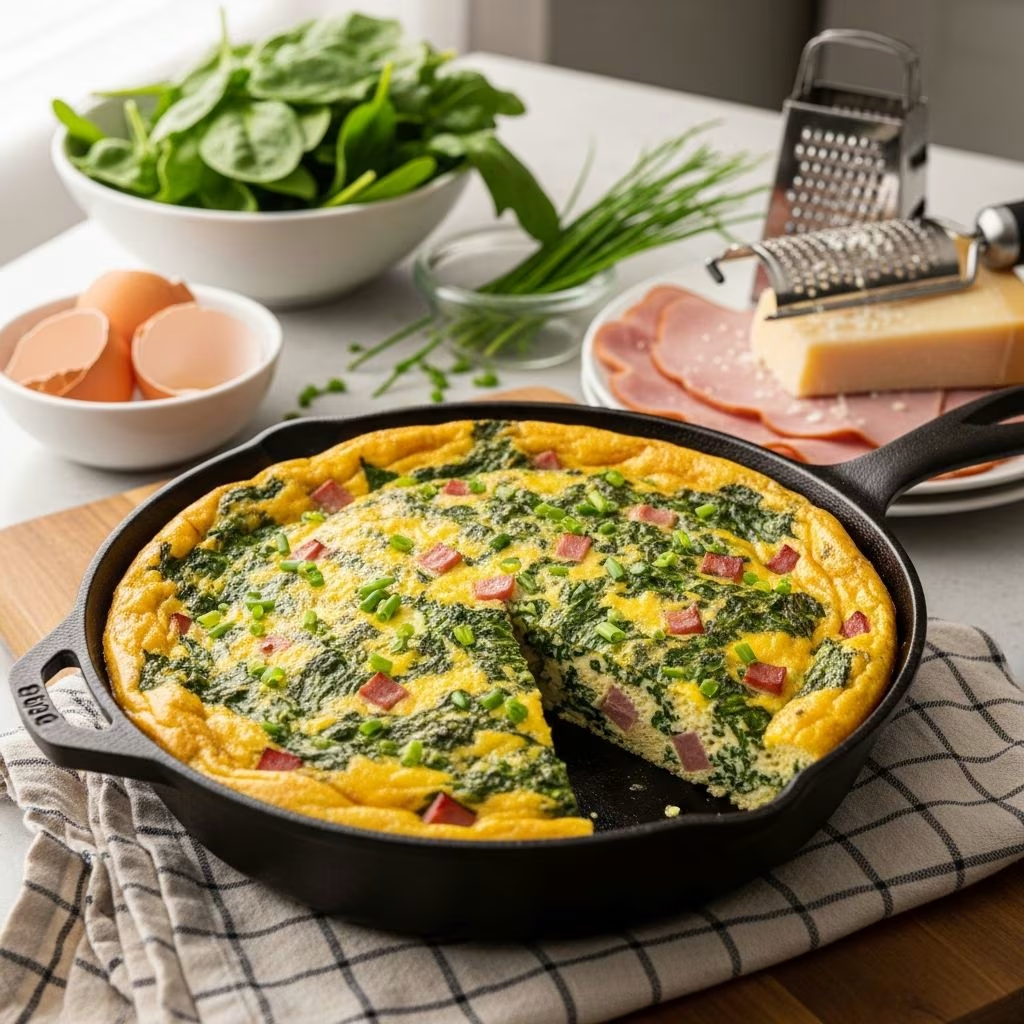
The green eggs and ham frittata has become a beloved breakfast staple that combines the whimsy of a children’s classic with the nutritional benefits of a complete meal. This versatile egg dish transforms simple ingredients into a sophisticated dish that works equally well for breakfast, lunch, brunch, or casual dinner. Whether you’re cooking for a family gathering, preparing meal-prep containers, or looking for a quick weekday breakfast solution, understanding how to master this recipe opens up countless possibilities.
Understanding the Frittata Format
A frittata represents an Italian approach to egg cookery that differs fundamentally from American-style omelets or scrambled eggs. Rather than folding eggs around fillings, a frittata begins on the stovetop and finishes in the oven, creating a unified dish where ingredients are distributed throughout rather than concentrated in one area. This cooking method ensures even heat distribution and produces a custardy, cohesive texture that holds together beautifully when sliced.
The green coloring comes from leafy vegetables—typically spinach—which provides not only visual appeal but also significant nutritional value. When spinach is blended directly into the egg mixture, it distributes color evenly throughout the frittata rather than creating isolated pockets of green.
Essential Components and Ingredient Selection
The Egg Foundation
Eggs serve as the structural and nutritional backbone of any frittata. Most standard recipes call for 8 to 12 large eggs, depending on your desired serving size and ingredient volume. The eggs bind all other components together while baking, creating a custard-like matrix. When selecting eggs, consider sourcing pasture-raised varieties when possible, as they contain higher levels of omega-3 fatty acids and certain vitamins compared to conventional eggs.
Leafy Green Selection
Baby spinach serves as the traditional choice for green eggs and ham frittata, offering a mild flavor that doesn’t overpower other ingredients. Fresh spinach requires cooking before incorporation, which wilts the volume significantly and removes excess moisture. Alternatively, frozen spinach can be thawed and squeezed dry to remove water that would otherwise dilute the egg mixture and affect cooking time.
For those seeking flavor variation, arugula provides a peppery note, while kale delivers earthier undertones. Regardless of your green selection, aim to incorporate approximately 1.5 to 3 cups of leafy vegetables per 8-egg base.
Ham and Protein Elements
Ham provides traditional savory elements and additional protein. Diced ham works best, distributed evenly throughout the dish rather than concentrated in one area. Approximately 1/2 to 3/4 cup of diced ham offers substantial presence without overwhelming the egg’s delicate flavor. Quality matters here—consider nitrate-free, uncured varieties for reduced sodium and fewer additives. Prosciutto offers a premium alternative with more complex flavor, though it costs more and requires less quantity due to its concentrated taste.
Supporting Vegetables
While spinach and ham provide the recipe’s foundation, supporting vegetables add textural contrast and nutritional diversity. Common additions include:
- Diced mushrooms (approximately 1/2 cup), which contribute umami and meaty texture
- Chopped onions or leeks (white and light green parts), providing aromatic depth
- Bell peppers in various colors, adding sweetness and visual appeal
- Tomatoes (drained to prevent excess moisture), contributing acidic brightness
Dairy and Binding Elements
Cream or half-and-half enriches the egg mixture, creating a creamier final texture. Approximately 1/4 cup per 8-egg base provides noticeable richness without excessive heaviness. Cottage cheese or ricotta in small quantities (2 to 3 tablespoons) adds additional creaminess while stretching ingredients further.
Cheese Selections
Cheese adds savory depth and aids browning. Different varieties produce distinct flavor profiles:
| Cheese Type | Flavor Profile | Recommended Amount |
|---|---|---|
| Gruyère or Emmental | Rich, slightly nutty | 1/2 cup |
| Cheddar | Sharp, tangy | 1/2 cup |
| Mozzarella | Mild, creamy | 1/2 cup |
| Parmesan | Intense, salty | 1/4 cup mixed with milder cheese |
| Feta | Tangy, briny | 1/3 cup |
Flavor Enhancement Through Seasonings
Beyond salt and pepper, several seasonings elevate the frittata’s complexity. Dried dill (approximately 1.5 teaspoons) provides subtle herbaceous notes, while fresh basil contributes brightness. Garlic powder, paprika, or cayenne pepper offer warming undertones without significant heat intensity. When using fresh herbs like parsley or chives, add approximately 1/4 cup, stirring in just before baking to preserve their delicate flavors.
Step-by-Step Preparation and Cooking Method
Initial Preparation
Success begins with proper preparation of components before combining. If using fresh spinach, sauté it gently in a pan with minimal oil until completely wilted, then squeeze thoroughly to remove excess moisture. Dice all vegetables into uniform, bite-sized pieces, ensuring even distribution throughout the final dish. This consistency in size promotes uniform cooking and prevents some ingredients from becoming mushy while others remain crisp.
Blending the Egg Base
Combine eggs, cream, spinach, seasonings, and fresh herbs in a blender or food processor. Process for approximately 30 seconds until the mixture reaches uniform consistency and vibrant green color. This blending technique distributes spinach evenly and creates a smooth base that cooks uniformly.
Stovetop Preparation
Heat a 10-inch cast-iron or ovenproof nonstick skillet over medium heat. Add butter or olive oil (approximately 2 tablespoons), allowing it to melt completely and coat the cooking surface. If including ham, add it first, cooking undisturbed for 2 to 3 minutes to develop browning and concentrate flavor. Stir and cook another 1 to 2 minutes.
Add other supporting vegetables, cooking for approximately 4 minutes until softened but not completely tender (they will continue cooking in the oven). Pour the blended egg mixture over the vegetables and cook on the stovetop over medium heat for 3 to 4 minutes, gently lifting the edges of the frittata with a spatula to allow uncooked egg to flow underneath. The bottom should develop light golden coloring.
Oven Finishing
Preheat your oven to 350 to 450 degrees Fahrenheit, depending on your preference—lower temperatures allow gentler, slower cooking, while higher temperatures produce faster results. When the frittata’s bottom has set slightly but the center remains loose, sprinkle cheese evenly across the top and transfer the skillet to the preheated oven.
Bake for 6 to 12 minutes, depending on oven temperature and frittata thickness, until the eggs are completely set and the top is lightly golden. A knife inserted near the center should come out clean, with no liquid egg remaining.
Variations and Creative Interpretations
Mini Frittata Format
Transform the standard frittata into individual portions by using a 12-cup muffin pan. Grease thoroughly or use muffin liners to prevent sticking. Divide vegetables and ham evenly among cups, pour the egg mixture until nearly full, then sprinkle with cheese. Bake at 350 degrees for approximately 15 minutes until set. This format works excellently for meal preparation, portion control, and serving at casual gatherings.
Mediterranean-Inspired Version
Substitute traditional ham with prosciutto or pancetta, add sun-dried tomatoes, incorporate feta cheese instead of cheddar, and include fresh oregano or Mediterranean herbs. This variation creates a rustic European character distinct from the classic American version.
Vegetarian Adaptation
Simply omit the ham entirely, increasing supporting vegetables by approximately 50 percent. Add artichoke hearts, caramelized onions, roasted red peppers, or additional mushroom varieties to compensate for the protein gap. Increase cheese quantity slightly for enhanced savory elements.
Serving Options and Storage Considerations
One remarkable characteristic of frittata is its versatility across serving temperatures. Enjoy it hot directly from the oven, at room temperature for casual gatherings, or even cold from the refrigerator. This flexibility makes it ideal for meal preparation—cook once, enjoy multiple ways throughout the week.
Store leftover frittata in an airtight container in the refrigerator for up to 4 days. Reheat gently in a 325-degree oven for 10 to 15 minutes until warmed through, or enjoy cold directly from the container. Frittata freezes well for up to 2 months when wrapped carefully or stored in freezer-safe containers. Thaw overnight in the refrigerator before reheating.
Nutritional Profile and Health Considerations
The green eggs and ham frittata delivers substantial nutritional benefits. Eggs provide complete protein containing all essential amino acids, plus zinc, selenium, iron, and B vitamins essential for energy metabolism. Spinach contributes significant quantities of vitamins A, K, and folate, along with iron and magnesium. Ham provides additional protein and mineral content, though watch sodium levels, particularly for those monitoring dietary sodium intake.
A typical serving (one-quarter of a 10-inch frittata) provides approximately 200 to 300 calories with 15 to 20 grams of protein, depending on ingredient selections and portion size. The combination of protein, healthy fats from eggs, and micronutrients from vegetables creates a nutritionally balanced meal that sustains energy levels for several hours.
Frequently Asked Questions
Can I make this recipe ahead of time?
Yes, prepare all components the evening before, keeping them separate in airtight containers. Blend the egg mixture in the morning, sauté vegetables just before cooking, then proceed with the recipe. Alternatively, cook the entire frittata a day ahead and reheat before serving.
What prevents the frittata from sticking to the pan?
Thoroughly coat your skillet with butter or oil before adding ingredients. Cast-iron pans develop natural non-stick properties with regular seasoning. If using conventional stainless steel, ensure adequate fat coating. Modern nonstick skillets designed for oven use provide the most foolproof results.
How do I know when the frittata is fully cooked?
Insert a knife near the center—it should come out clean with no liquid egg clinging to it. The top should appear set and lightly golden. If the center still jiggles when the pan is gently shaken, continue baking for 2 to 3 additional minutes.
Can I substitute dairy-free options?
Replace cream with coconut milk or oat milk, and use dairy-free cheese alternatives. These substitutions work adequately, though the texture may be slightly less rich and creamy. The frittata will still cook successfully and taste delicious.
What if my frittata cracks during baking?
Minor cracks indicate slight overcooking or uneven heat distribution. This is purely cosmetic and doesn’t affect flavor or food safety. To minimize cracking, avoid overbaking and ensure even oven temperature through rack placement in the center position.
Conclusion and Final Thoughts
The green eggs and ham frittata represents far more than a novelty inspired by children’s literature. It embodies a practical, nutritious, and endlessly adaptable cooking approach that transforms basic ingredients into impressive dishes suitable for any occasion. Whether serving breakfast to a hungry family, preparing meal-prep containers for the week, or hosting a brunch gathering, this versatile recipe delivers reliable results with minimal fuss. Master the fundamental technique, then experiment with variations reflecting your taste preferences and dietary needs—each iteration teaches something new about ingredient interaction and cooking methods while building confidence in the kitchen.
References
- Eggs and Nutrition: Comprehensive Overview — United States Department of Agriculture (USDA). 2024. https://www.usda.gov
- Spinach and Leafy Greens: Nutritional Value — National Institutes of Health (NIH). 2024. https://www.nih.gov
- Food Storage and Safety Guidelines — Centers for Disease Control and Prevention (CDC). 2023. https://www.cdc.gov/foodsafety
- Egg Quality and Selection Standards — American Egg Board. 2024. https://www.aeb.org
- Protein Composition in Eggs and Dietary Guidelines — Academy of Nutrition and Dietetics. 2023. https://www.eatright.org