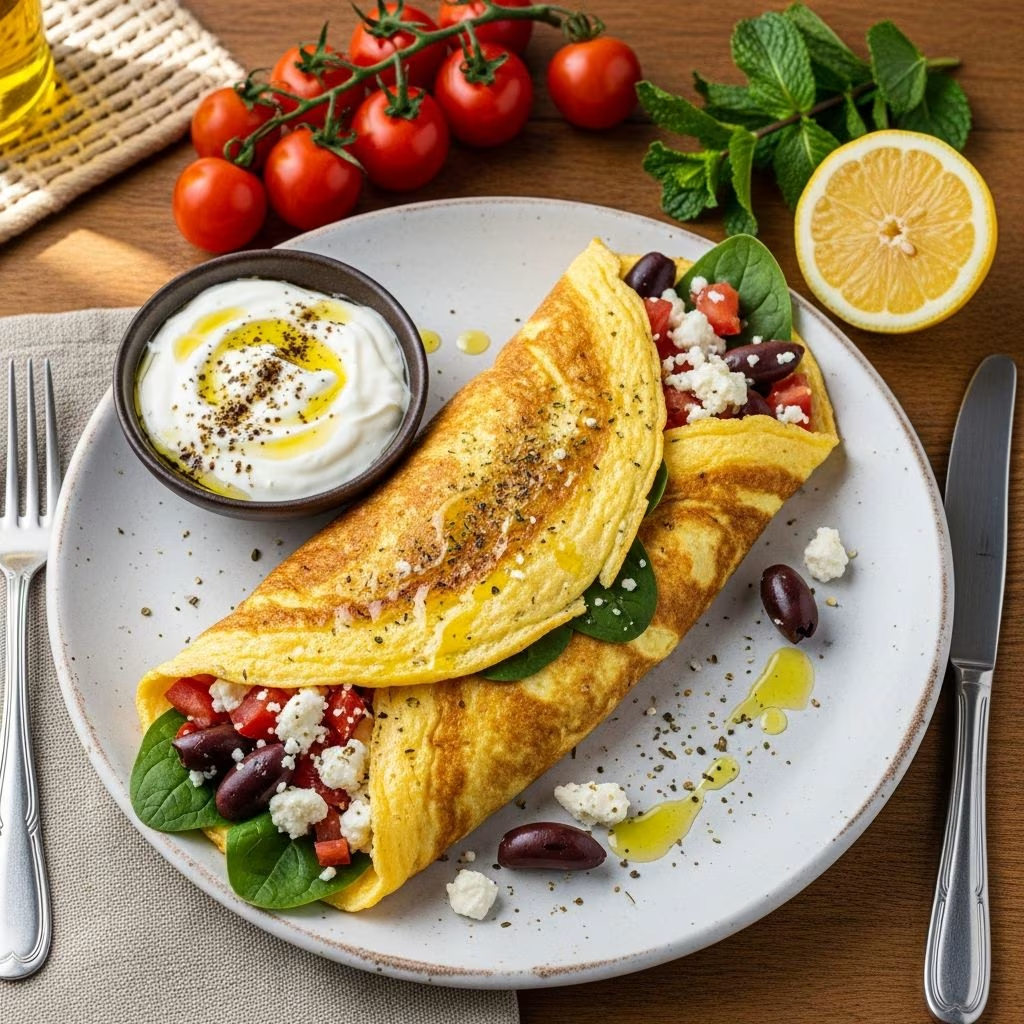
The Mediterranean region has long celebrated the simplicity and elegance of egg-based dishes, particularly when paired with locally-sourced ingredients like tangy feta cheese, nutrient-rich spinach, and garden-fresh tomatoes. This particular variation brings together these classic elements into a single, impressive presentation that works equally well for a leisurely weekend brunch or a quick weekday breakfast. The appeal of this dish extends beyond its visual appeal—it represents a balanced approach to morning nutrition, combining protein-rich eggs with vegetables and dairy in a format that can be prepared in under 30 minutes.
Understanding the Components: What Makes This Dish Special
The foundation of any successful Mediterranean omelet begins with understanding the role each ingredient plays. The eggs serve as the neutral canvas, providing structure and protein. The spinach contributes both nutritional density and a subtle earthiness that balances the other flavors. Feta cheese, with its distinctive briny and tangy character, adds complexity without overwhelming the palate. The tomatoes provide freshness, acidity, and a hint of sweetness that ties everything together into a cohesive flavor profile.
This combination of ingredients reflects the broader Mediterranean dietary pattern, which has been the subject of extensive nutritional research demonstrating its potential health benefits. The use of olive oil as the cooking medium further reinforces this connection to established healthy eating principles.
Essential Ingredients and Their Selection
Creating an exceptional omelet requires attention to ingredient quality, particularly when working with relatively simple recipes where each component’s characteristics become apparent in the final dish.
- Eggs: Choose large, fresh eggs for optimal flavor and texture. The quantity called for serves four people, though the recipe scales easily for smaller portions.
- Fresh spinach: Frozen spinach works particularly well in this application, as it can be incorporated directly into the egg mixture without requiring additional prep work. Thaw and squeeze out excess moisture before using.
- Feta cheese: Select a quality feta that suits your taste preferences; reduced-fat varieties perform equally well in this recipe without compromising results.
- Tomatoes: Grape tomatoes offer the ideal size and sweetness balance, though cherry tomatoes or heirloom varieties can be substituted based on availability and preference.
- Oregano: Dried oregano provides the distinctive Mediterranean flavor profile, though fresh oregano can be used if you prefer a more delicate herbal note.
- Olive oil: Use quality olive oil to enhance both flavor and nutritional value of the finished dish.
- Salt and pepper: These fundamental seasonings should be adjusted to personal taste and dietary preferences.
Equipment Considerations and Pan Selection
The choice of cookware significantly influences both the cooking process and the final result. A 12-inch non-stick skillet provides adequate surface area for the full recipe, allowing the egg mixture to spread evenly and cook through before folding. The non-stick surface prevents sticking without requiring excessive oil, which supports both ease of preparation and nutritional goals.
For those preparing a smaller portion, a 10-inch skillet works equally well when the ingredient quantities are halved. Other essential tools include a heat-resistant spatula—preferably plastic or wooden to protect the non-stick coating—and a slotted flat turner for manipulating and plating the finished omelet.
The Preparation Phase: Organization as Strategy
Professional cooks emphasize mise en place—the practice of preparing and organizing ingredients before cooking begins. This approach is particularly valuable for omelet preparation, where timing and efficiency directly impact the final product’s quality.
Begin by halving the grape tomatoes and transferring them to a small bowl. Add half of the dried oregano, a quarter teaspoon of salt, freshly ground black pepper to taste, and the crumbled feta cheese. Mix these components gently to combine without crushing the tomatoes. This mixture will serve as the filling and should be ready before you begin cooking the egg component.
In a separate medium-sized bowl, crack all eight eggs and whisk them together until fully combined. Add the thawed and squeezed spinach, the remaining oregano, salt, and pepper to taste. Stir until the spinach is evenly distributed throughout the egg mixture.
Cooking Technique: From Preparation to Completion
Initial Heat Management
Place the non-stick skillet over low heat approximately 5 minutes before you plan to begin cooking. This gradual heating process ensures even temperature distribution throughout the pan’s cooking surface. As you approach the cooking stage, increase the heat to medium-high. The oil should be added only at this elevated temperature point, creating the conditions necessary for proper cooking.
Achieving the Perfect Cooking Temperature
Heat the olive oil in the pan until wisps of smoke begin to rise from the surface. This visible indicator confirms that the oil has reached the appropriate temperature for cooking. At this point, pour the egg and spinach mixture into the hot pan. You should hear a satisfying sizzle as the mixture makes contact with the hot surface.
The Active Cooking Stage
Once the egg mixture has been added to the pan, the cooking process requires active engagement for approximately three minutes. Using your heat-resistant spatula, gently push back the portions of egg that have begun to set around the edges. Simultaneously, tilt the pan so that the uncooked egg mixture flows toward the empty portion of the pan. Repeat this process continuously, working methodically around the perimeter of the omelet.
This technique encourages even cooking throughout the omelet while preventing the bottom from becoming overcooked or browned. The goal is to reach a stage where the omelet is moist but fully set throughout—a balance that requires attention and practice to perfect.
Adding the Filling
Once the omelet has reached the desired consistency, reduce the heat to low. This step prevents any residual cooking from occurring too quickly. Spread the tomato and feta mixture across one half of the omelet, distributing it evenly.
Folding and Plating
Using your slotted flat spatula or turner, carefully fold the unfilled half of the omelet over the top of the filled half. The tomato-feta mixture will warm from the residual heat of the cooked eggs. Slide the completed omelet onto a cutting board using the same turner, which minimizes breakage and allows the omelet to settle for one or two minutes before cutting.
Serving and Presentation
Cut the omelet into four equal wedges using a sharp knife or the edge of your spatula. This cutting technique creates attractive presentation while ensuring even distribution of filling throughout each portion. Serve immediately while the filling remains warm and the eggs retain their tender texture.
Nutritional Profile and Health Considerations
This omelet provides substantial nutritional value in a single serving. Eggs contribute complete protein along with choline, which supports cognitive function. The spinach adds fiber, vitamins, and minerals including iron and magnesium. Feta cheese provides additional protein and calcium, while the tomatoes contribute lycopene and vitamin C.
The Mediterranean dietary approach represented by this dish has been associated with various health benefits in scientific research, including cardiovascular health maintenance and overall nutritional balance.
Adaptation Strategies for Dietary Preferences
This recipe accommodates numerous dietary modifications and personal preferences. Those monitoring their sodium intake can reduce or eliminate the added salt while relying on the natural saltiness of the feta cheese. For lower-carbohydrate diets, the recipe is already quite suitable, as the carbohydrate content comes primarily from the vegetables and is relatively modest overall.
Those preferring reduced-fat options can substitute reduced-fat feta cheese without significantly altering the final result. Vegetable additions or substitutions—such as bell peppers, mushrooms, or fresh herbs—can be incorporated based on personal preferences or ingredient availability.
Troubleshooting Common Challenges
| Challenge | Likely Cause | Solution |
|---|---|---|
| Omelet sticks to pan despite non-stick coating | Insufficient oil or pan temperature too low | Ensure oil is heated until wisps of smoke appear and verify pan is genuinely non-stick quality |
| Eggs remain undercooked or runny | Heat too high or cooking time insufficient | Maintain medium-high heat and continue cooking until mixture is set but still moist |
| Omelet tears when folding | Overcooking or rough handling | Stop cooking at moist-but-set stage and use gentle movements with flat spatula |
| Filling distribution is uneven | Inadequate mixing or preparation | Ensure filling components are well-combined before adding to omelet |
Frequently Asked Questions
Can this recipe be prepared for a single person?
Absolutely. Halve all ingredient quantities and use a 10-inch skillet instead of the 12-inch pan. The cooking time remains approximately the same, though you may need to adjust slightly based on pan size and heat distribution.
What beverages pair well with this dish?
The Mediterranean flavors complement fresh orange juice, Greek coffee, herbal teas like oregano or chamomile, or simply sparkling water with lemon.
Can the filling be prepared in advance?
Yes, the tomato-feta mixture can be combined up to 2 hours before cooking. The egg mixture is best prepared fresh, though it can sit for 10-15 minutes if necessary.
Is this dish suitable for meal preparation?
While best served immediately after cooking, the omelet can be cooled and stored in the refrigerator for up to two days. Reheat gently in a low oven or simply eat cold as a salad-like preparation.
What makes this different from scrambled eggs?
The omelet technique creates a unified structure with filling contained within, whereas scrambled eggs involve continuous stirring that distributes ingredients throughout. The omelet presentation is more visually distinct and allows better flavor integration.
Variations and Complementary Recipes
This foundational recipe accommodates numerous variations based on regional Mediterranean cuisines. Greek variations might emphasize Kalamata olives and fresh dill. Italian preparations could incorporate sun-dried tomatoes and basil. Spanish adaptations might add roasted peppers and chorizo for additional depth.
For those seeking lighter preparations, a similar flavor profile can be achieved with egg-white only omelets, though the texture becomes somewhat different. Those preferring cooked spinach over raw can sauté the spinach separately before adding to the egg mixture for different textural characteristics.
Storage and Make-Ahead Strategies
While omelets are best enjoyed immediately after cooking, the individual components can be prepared in advance. The tomato-feta filling keeps refrigerated for up to three days. Pre-cooked spinach can be prepared and stored for a week. This advance preparation reduces morning cooking time to just the brief egg-cooking stage.
Final Thoughts on Mediterranean Breakfast Cooking
Mastering this Greek-inspired omelet opens doors to understanding broader Mediterranean cooking principles—efficiency, quality ingredients, and straightforward techniques that allow natural flavors to shine. The approximately 25 minutes required from start to finish makes this suitable for weekday mornings while impressive enough for weekend entertaining. The nutritional balance and distinctive flavor profile ensure this dish remains a reliable option for those seeking healthy, satisfying breakfast solutions that connect to traditional Mediterranean food culture.
References
- Mediterranean Diet Foundation — International Mediterranean Diet Foundation. 2024. https://www.mediterraneandiet.org
- Choline: The Underappreciated Essential Nutrient — National Institutes of Health, Office of Dietary Supplements. 2024. https://ods.od.nih.gov/factsheets/Choline-HealthProfessional/