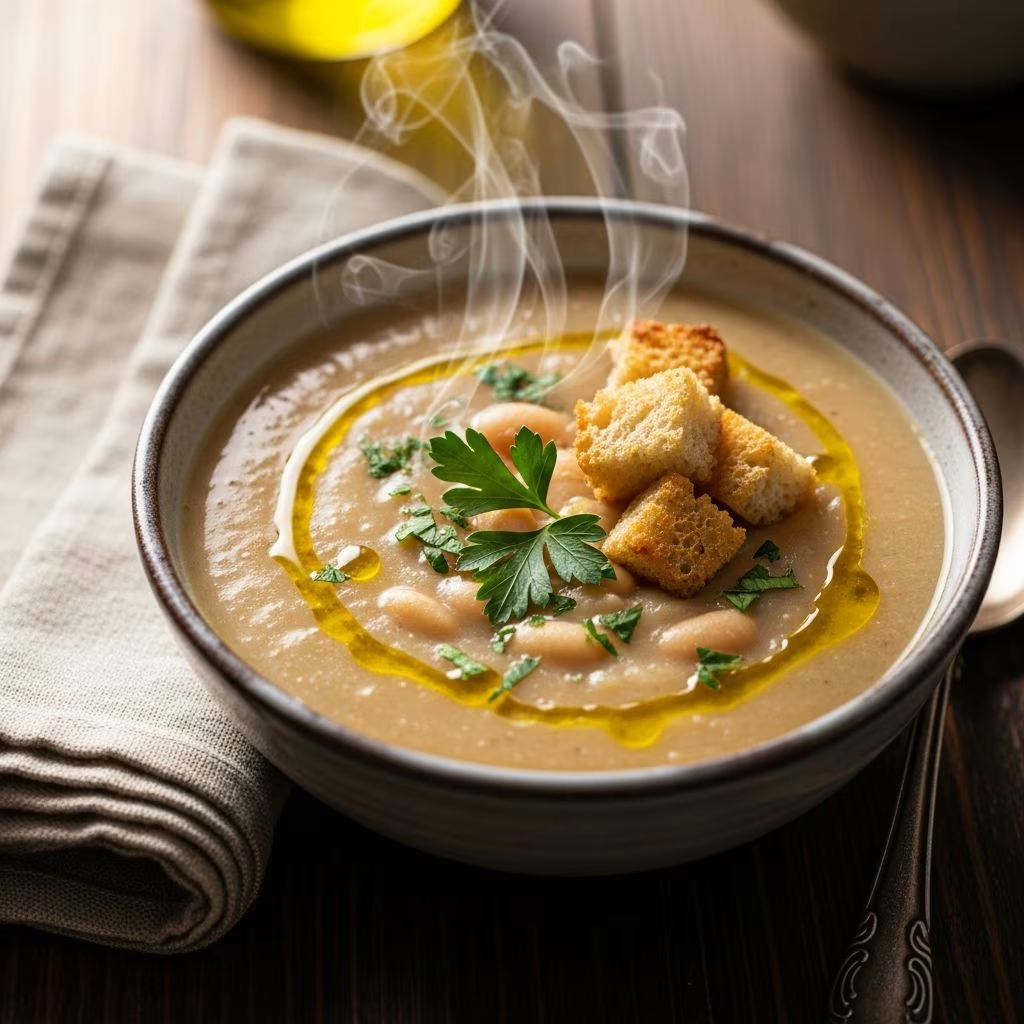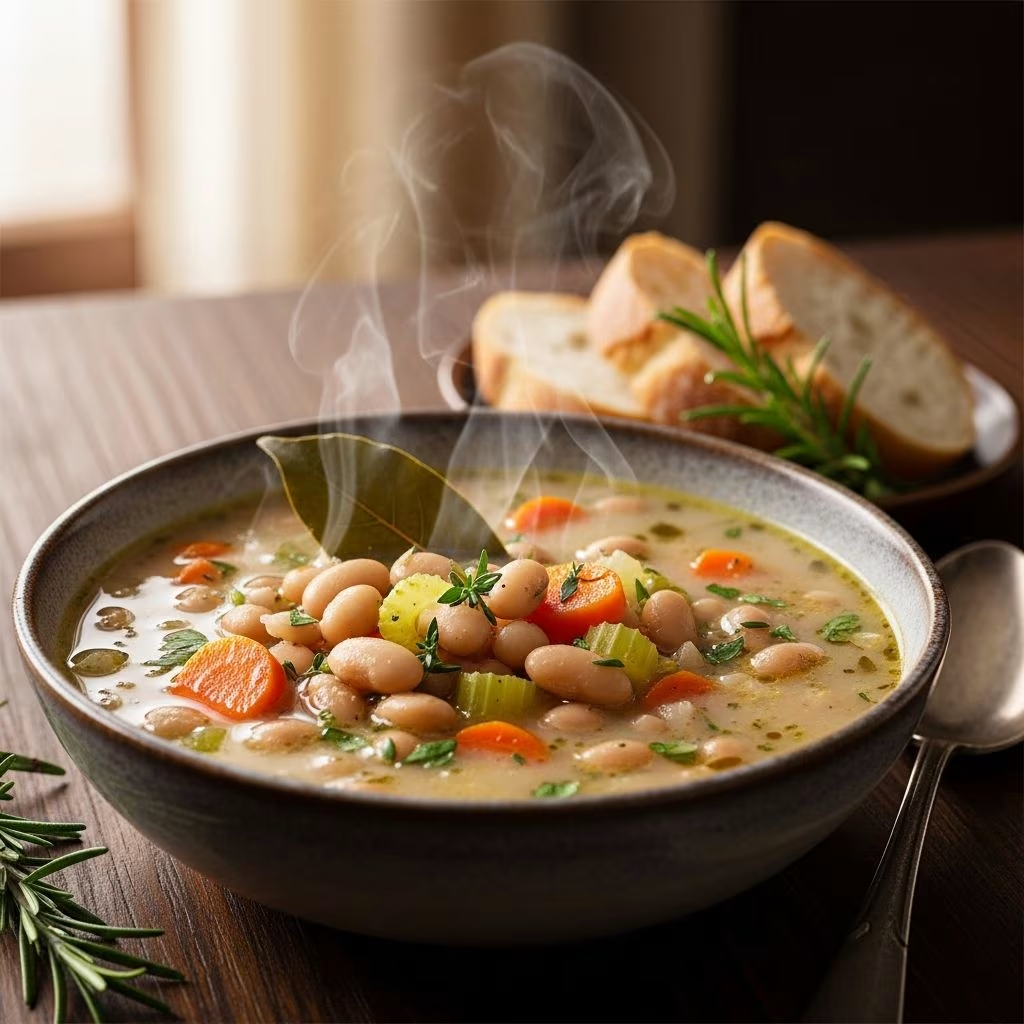
Great Northern bean soup represents one of the most timeless and comforting dishes in home cooking traditions. This humble yet satisfying preparation transforms simple dried legumes into a rich, creamy, and deeply flavorful soup that nourishes both body and soul. Whether you’re seeking a weeknight dinner solution or planning to make a large batch for meal preparation, understanding the fundamentals of this recipe will enable you to create a dish that rivals any restaurant version.
Understanding Great Northern Beans
Great Northern beans belong to the family of dried white beans and serve as the foundational ingredient for this classic soup. These medium-sized legumes possess a delicate, slightly nutty flavor and a naturally creamy texture when properly cooked. What makes Great Northern beans particularly suited for soup preparation is their ability to break down gradually during the cooking process, contributing to the soup’s overall body and texture without becoming mushy.
Nutritionally, Great Northern beans provide substantial amounts of plant-based protein, dietary fiber, and essential minerals including iron and magnesium. A single serving of this soup delivers meaningful nutritional content, making it an excellent choice for those seeking balanced, whole-food meals. The versatility of these beans also means they pair harmoniously with a wide range of aromatics, herbs, and broth bases.
Preparing Dried Beans for Optimal Results
The journey toward exceptional bean soup begins with proper bean preparation. Most traditional recipes recommend soaking dried beans before cooking, and this step significantly impacts the final outcome. Soaking accomplishes several important objectives: it rehydrates the beans uniformly, reduces cooking time substantially, and helps minimize digestive discomfort that sometimes accompanies bean consumption.
The Overnight Soaking Method
The conventional overnight soak involves placing two cups of dried Great Northern beans in a large bowl and covering them generously with cold water, allowing at least two to three inches of water above the bean surface. Adding a small pinch of salt to the soaking water enhances flavor penetration. After eight to twelve hours of soaking, drain the beans thoroughly and rinse them under running water. This method produces consistently tender beans and allows time for thorough hydration.
The Quick Soak Alternative
For situations where overnight soaking isn’t feasible, a quick soak method provides an efficient alternative. Place beans in a large pot, cover with water, and bring the mixture to a boil. Remove from heat and allow the beans to rest, covered, for approximately one hour. Drain and rinse before proceeding with the recipe. While this method takes less time, the traditional overnight approach generally yields slightly superior texture.
Building Flavor Foundations
Creating depth and complexity in bean soup requires strategic layering of flavors through carefully selected ingredients and cooking techniques. The aromatic base—comprising onions, carrots, and celery—forms the fundamental flavor profile upon which all other elements build. These vegetables should be diced uniformly into small pieces, roughly one-quarter to one-half inch cubes, ensuring even cooking and consistent distribution throughout the finished soup.
Garlic represents another essential flavor component, contributing a subtle pungency and complexity that distinguishes homemade soup from commercial versions. Fresh minced garlic added during the initial sautéing stage melds beautifully with the other aromatics, creating a fragrant base that will permeate the entire pot.
Selecting and Combining Broth
The liquid component of your soup significantly influences its final character. Traditional recipes typically combine vegetable or chicken broth with water, a combination that balances richness with lightness. Using quality broth from scratch or selecting low-sodium commercial varieties ensures you maintain control over the soup’s salt content, allowing for proper seasoning adjustments as the soup develops.
The proportion of broth to beans affects texture substantially. A ratio of approximately six to eight cups of liquid per pound of soaked beans produces a soup with enough body to be satisfying while remaining pourable and spoonable. Some cooks prefer a thicker consistency and reduce liquid accordingly, while others enjoy a brothier preparation.
Step-by-Step Cooking Process
Initial Bean Preparation
After completing the soaking process and draining your beans thoroughly, the next step involves a quick preliminary boil. Place drained beans in a large pot and cover with fresh water by approximately one and one-half inches. Bring this mixture to a rolling boil over high heat. Once boiling begins, immediately remove from heat and drain the beans in a colander, rinsing them gently under cool running water. This step removes compounds that can cause digestive upset and ensures cleaner, more refined flavor in the finished soup.
Sautéing Aromatics
Heat two tablespoons of quality olive oil in your largest soup pot or Dutch oven over medium heat. Once the oil shimmers, add diced onions and cook for approximately five to seven minutes, stirring occasionally, until they become translucent and begin developing light golden edges. Add diced carrots and celery stalks, continuing to cook for another five minutes while stirring frequently. This gradual cooking process allows the vegetables to soften and begin releasing their natural sugars, which caramelize slightly and deepen the overall flavor profile.
Incorporating Seasonings and Beans
Reduce heat to medium-low and add minced garlic, stirring constantly for one to two minutes until fragrant. At this point, introduce dried herbs—oregano and thyme work exceptionally well—along with fresh rosemary sprigs if available. Stir this mixture thoroughly to coat all ingredients with the fragrant oils released by the herbs. Add your prepared beans to the pot, followed by your broth and water combination, stirring to distribute ingredients evenly.
Simmering Until Tenderness
Increase heat to bring the mixture to a gentle boil, then reduce heat to medium-low, cover the pot with a lid, and allow the soup to simmer undisturbed for approximately one hour. The beans should be checked periodically for doneness, as cooking times can vary based on bean age and size. Beans are ready when a few beans can be easily crushed between your thumb and forefinger. Stir occasionally during cooking to ensure even heat distribution and prevent sticking.
Achieving Desired Texture and Consistency
Once beans have reached full tenderness, an important decision point arrives regarding the soup’s final texture. Some prefer a brothier preparation where individual beans remain distinct and visible. Others favor a creamier consistency achieved through partial blending. A balanced approach involves reserving approximately two cups of whole beans, then using an immersion blender to puree the remaining beans and broth into a smooth, creamy base. Return the reserved whole beans to the pot and stir gently to combine, creating a soup with both substance and creaminess.
For those without an immersion blender, carefully transferring approximately half the soup to a conventional blender, processing until smooth, and returning it to the pot achieves similar results. Allow the blended portion to cool slightly before processing to avoid overflow and burns.
Final Seasoning and Finishing Touches
Taste the soup and evaluate seasoning needs. Add additional salt and freshly cracked black pepper gradually, tasting between additions until the flavor reaches your preference. A small splash of apple cider vinegar or fresh lemon juice brightens the overall flavor profile and adds subtle complexity. Finish with a generous drizzle of premium extra virgin olive oil, which provides both richness and visual appeal.
Flavor Variation Options
| Variation Type | Key Additions | Best Served With |
|---|---|---|
| Tuscan-Inspired | Fresh spinach, sun-dried tomatoes, Italian herbs | Crusty bread, parmesan cheese |
| Smoky and Savory | Diced ham, smoked sausage, hickory powder | Cornbread, crackers |
| Mediterranean Style | Tomato paste, roasted garlic, fresh basil | Toasted baguette slices |
| Creamy Herb-Forward | Fresh rosemary, sage, miso paste | Artisan bread, roasted vegetables |
Storage and Make-Ahead Strategies
Great Northern bean soup improves significantly over time as flavors continue developing and melding. Prepare it one to two days in advance and refrigerate in airtight containers, where it maintains quality for up to five days. For longer storage, portion the soup into freezer-safe containers and freeze for up to three months. Thaw overnight in the refrigerator before reheating gently on the stovetop, adding a bit of broth or water if the texture becomes too thick.
Frequently Asked Questions
Can I use canned beans instead of dried beans?
Yes, canned Great Northern beans offer convenience and eliminate soaking time. Use three to four cans (drained and rinsed) in place of one pound of dried beans. Reduce the cooking time to approximately thirty minutes, adding canned beans only after the initial aromatic base has been established. The texture will differ slightly from dried beans, but the result remains satisfying and flavorful.
What if my beans remain hard after the recommended cooking time?
Older beans naturally require longer cooking times, sometimes extending to one and one-half to two hours. If beans seem resistant after one hour, continue simmering and check every fifteen minutes. Hard water can also increase cooking time, so consider using filtered water if available. Adding a pinch of baking soda can slightly accelerate softening.
How can I make this soup vegetarian or vegan?
This recipe naturally accommodates vegetarian and vegan diets when prepared with vegetable broth instead of chicken broth. Omit any meat additions and ensure all broth selections contain no animal products. The flavor remains robust and satisfying without meat components.
Can I prepare this soup in a slow cooker?
Absolutely. After sautéing the aromatics and beans in the initial phase, transfer everything to a slow cooker with the broth. Cook on low for six to eight hours or on high for three to four hours. Add herbs after the first two hours to preserve their fresh quality.
Serving Suggestions and Accompaniments
Present your finished soup in warm bowls, garnishing each portion with a swirl of fruity olive oil, fresh cracked pepper, and perhaps a scatter of fresh herbs. Serve alongside crusty artisan bread, crackers, or cornbread to complement the soup’s hearty texture. A simple green salad provides a refreshing contrast, while grilled cheese sandwiches create a classic, satisfying pairing.
Great Northern bean soup transforms simple ingredients into genuine comfort food through proper technique and thoughtful preparation. Master these fundamentals, and you’ll produce homemade soup that rivals any restaurant version while nourishing your family or guests with wholesome, delicious results.
References
- USDA FoodData Central – Great Northern Beans — United States Department of Agriculture. 2023. https://fdc.nal.usda.gov/
- Cooking Dried Beans: A Complete Guide — Colorado State University Extension. 2023. https://extension.colostate.edu/
- Bean Preparation and Cooking Methods — University of California Cooperative Extension. 2022. https://ucanr.edu/