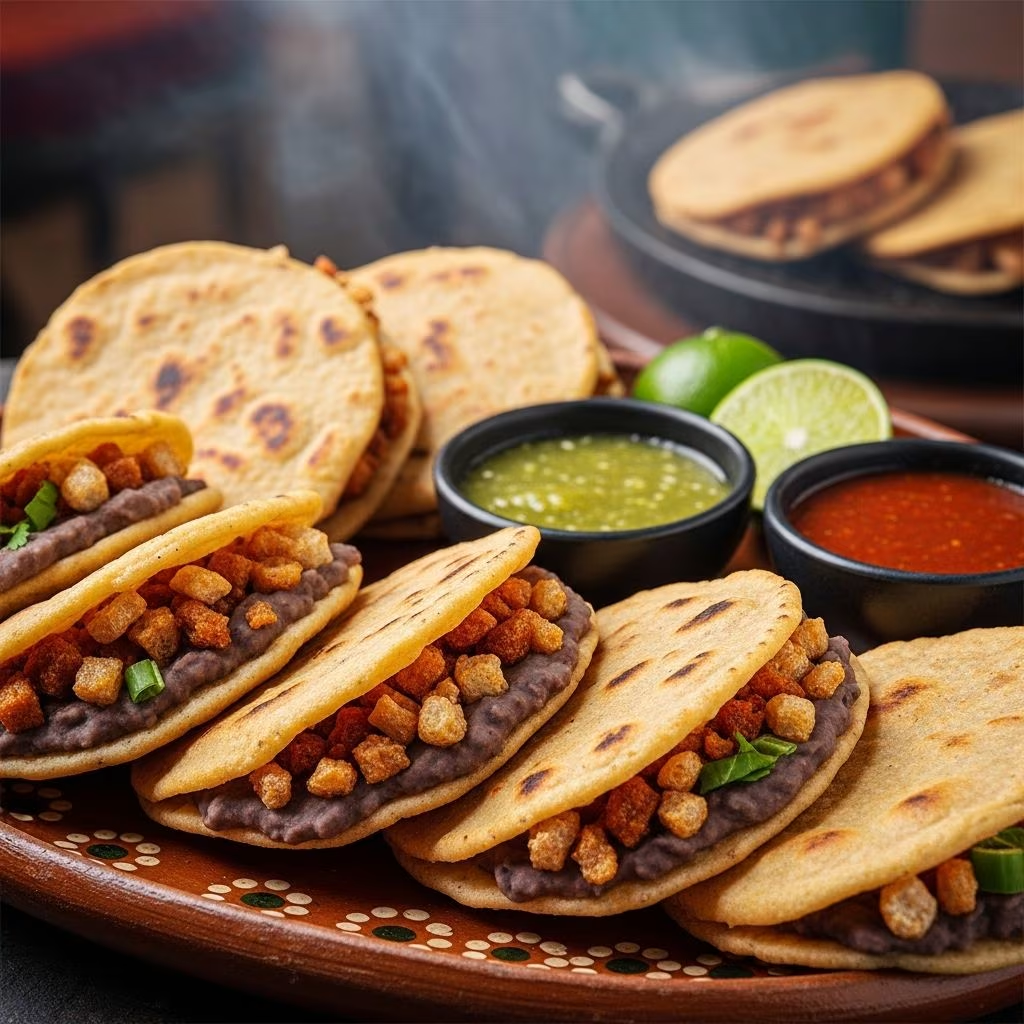
Deep in the vibrant street food scene of Tijuana, one dish stands out for its audacious name and explosive taste: gorditas petroleras. These aren’t your average stuffed masa pockets. Named for their oil-drenched crispiness—’petroleras’ evoking the slick sheen of gasoline—they deliver a symphony of textures and flavors. Imagine biting into a golden, crunchy shell that yields to molten cheese and tender fillings, all wrapped in the earthy embrace of fresh masa. This guide dives into everything you need to know to recreate this borderland treasure in your kitchen, from dough mastery to frying finesse.
The Roots of Gorditas Petroleras in Tijuana Culture
Gorditas petroleras trace their lineage to Tijuana’s bustling food markets, where innovation meets tradition. Emerging in the late 20th century amid the city’s cross-border culinary fusion, they represent a playful twist on classic gorditas. Traditional gorditas, a staple across Mexico, are thick corn tortillas split and filled with meats, beans, or cheeses. But petroleras amp up the drama with a double-fry method that renders the exterior shatteringly crisp while keeping the interior steamy and soft.
Why ‘petroleras’? The term nods to the dish’s liberal use of frying oil, giving them a glossy, fuel-like finish. Vendors in Tijuana’s iconic spots like Mercado Hidalgo fry them fresh, drawing long lines of locals and tourists alike. This street food embodies Baja California’s spirit: bold, unapologetic, and deeply satisfying. According to Mexican culinary historians, such adaptations highlight how regional migration and ingredient availability shape everyday eats.
Essential Ingredients for Authentic Flavor
At the heart of gorditas petroleras is masa, the nixtamalized corn dough that forms the base. Here’s a breakdown of what you’ll need for about 12 gorditas:
- Masa harina: 2 cups (use brands like Maseca for authenticity).
- Warm water: 1.5 cups, adjusted for dough consistency.
- Salt: 1 tsp, to enhance corn’s natural sweetness.
- Baking powder: 1 tsp, for subtle lift.
- Queso fresco or Oaxaca cheese: 2 cups shredded, for that essential melty core.
- Filling options: Shredded chicken, chorizo, potatoes with chorizo, or refried beans.
- Vegetable oil: Plenty for frying—think 4-6 cups.
- Garnishes: Salsa verde, crema, chopped onions, cilantro, and lime wedges.
Pro tip: Freshness is key. Source queso fresco from a local tortillería or Latin market for the best melt and tang. Masa should feel like soft Play-Doh—pliant but not sticky.
Step-by-Step: Crafting the Perfect Dough
Start with the masa. In a large bowl, mix masa harina, salt, and baking powder. Gradually incorporate warm water, kneading for 5-7 minutes until smooth. Let it rest covered for 15 minutes; this hydrates the corn fully.
Portion into golf-ball-sized pieces (about 2 oz each). Press each between plastic sheets using a tortilla press or heavy skillet to 1/4-inch thickness, aiming for a 4-inch round. The edges should be slightly thicker to form a natural pocket when fried.
Filling Strategies for Maximum Impact
Pre-cook your fillings. For a classic papas con chorizo, dice potatoes, sauté with crumbled chorizo until crispy, then season with salt and pepper. Chicken tinga—shredded poached chicken in a chipotle-tomato sauce—adds smoky depth. Mix in a handful of cheese to each portion before stuffing to ensure even distribution.
Stuffing technique: Create a slit in the pressed masa disk without fully splitting it. Spoon in 1-2 tablespoons of filling and cheese, then gently press closed. Handle delicately to avoid leaks.
Mastering the Double-Fry Method
The magic of petroleras lies in frying twice. Heat 2 inches of oil in a deep skillet to 350°F (use a thermometer for precision). Fry gorditas in batches, 2-3 minutes per side, until golden and puffed. Drain on paper towels.
Here’s the game-changer: Once cooled slightly (5 minutes), slice open the top third without cutting through. Stuff with extra cheese, then fry again for 1-2 minutes until the cheese bubbles and the exterior crisps to perfection. This second fry creates the signature ‘petrolera’ sheen and crunch.
| Fry Stage | Oil Temp | Time per Side | Goal |
|---|---|---|---|
| First Fry | 350°F | 2-3 min | Puff and cook through |
| Stuff & Second Fry | 360°F | 1-2 min | Melt cheese, ultra-crisp shell |
Safety note: Hot oil demands respect. Never overcrowd the pan, and keep a lid nearby for flare-ups.
Creative Variations to Elevate Your Gorditas
While traditionalists stick to chorizo and potatoes, experimentation keeps things exciting. Try carnitas with pickled jalapeños for porky tang, or go vegetarian with mushrooms and epazote. For a seafood twist inspired by Baja coasts, use shrimp in garlic butter.
Cheese swaps: Queso asadero melts like a dream, or mix in cotija for salty crunch. Spice levels? Infuse oil with dried chiles for subtle heat, or serve with habanero salsa on the side.
Make-ahead hack: Prep dough and fillings a day ahead. Freeze shaped gorditas for quick weeknight wins.
Pairing and Serving Suggestions
Serve immediately for peak crispiness. A squeeze of lime cuts the richness, while salsa verde adds bright acidity. Pair with ice-cold micheladas or hibiscus agua fresca to balance the fried indulgence.
For parties, set up a gordita bar: Offer multiple fillings, toppings, and salsas. It’s interactive and crowd-pleasing, evoking Tijuana’s market vibe.
Common Pitfalls and Pro Tips
- Dough too dry? Add water 1 tsp at a time; overhydration leads to cracks.
- Not crispy enough? Ensure oil is hot—too low, and they absorb grease.
- Cheese not melting? Use low-moisture varieties and stuff generously before second fry.
- Scale up: Double recipe for 24; frying time remains the same in batches.
Storage: Best eaten fresh, but refrigerate up to 2 days and re-crisp in a 400°F oven for 5 minutes.
Healthier Twists Without Sacrificing Flavor
Air-frying works in a pinch: Spray with oil and cook at 400°F for 10-12 minutes, flipping halfway. It mimics crispiness with less oil, though purists may notice the difference. Bake at 425°F on a perforated tray for another low-oil option.
Nutritional snapshot per gordita (with chicken): ~350 calories, 15g fat, 40g carbs, 15g protein. Balance with veggie sides like ensalada de nopal.
Why Gorditas Petroleras Capture Hearts Worldwide
Beyond the crunch, it’s the nostalgia and accessibility. Simple ingredients yield restaurant-quality results, bridging home cooks to street food lore. In a globalized food world, petroleras remind us of Mexico’s enduring ingenuity—one fry at a time.
Frequently Asked Questions
What makes gorditas petroleras different from regular gorditas?
Regular gorditas are griddled or shallow-fried once. Petroleras get a double fry post-stuffing for extra crispiness and glossy oil coating.
Can I make these gluten-free?
Yes! Masa harina is naturally gluten-free. Verify your baking powder is too.
How long do leftovers keep?
Up to 2 days in the fridge. Reheat in oven or air fryer to restore crunch.
Best cheese for melting?
Oaxaca or asadero for superior stretch; queso fresco adds crumble.
Vegan version possible?
Swap cheese for cashew queso, use plant-based chorizo, and fry in neutral oil.
Origin story confirmed?
Tijuana street vendors popularized them in the 1990s, evolving from Sonora-style gorditas.
References
- Traditional Mexican Cooking: Masa Preparation Techniques — Instituto Nacional de Antropología e Historia (INAH). 2023-05-15. https://www.inah.gob.mx/boletines/culinaria-mexicana-tradicional
- Street Foods of Baja California — Universidad Autónoma de Baja California. 2022-11-08. https://www.uabc.mx/noticias/estudios-sobre-comida-callejera-en-baja-california
- Mexican Gastronomy: Regional Specialties — Reuters. 2024-03-20. https://www.reuters.com/lifestyle/food-drink/mexican-street-food-evolution-2024-03-20/
- Nixtamalization and Masa Science — Journal of Food Science (DOI). 2021-07-01. https://doi.org/10.1111/1750-3841.15789