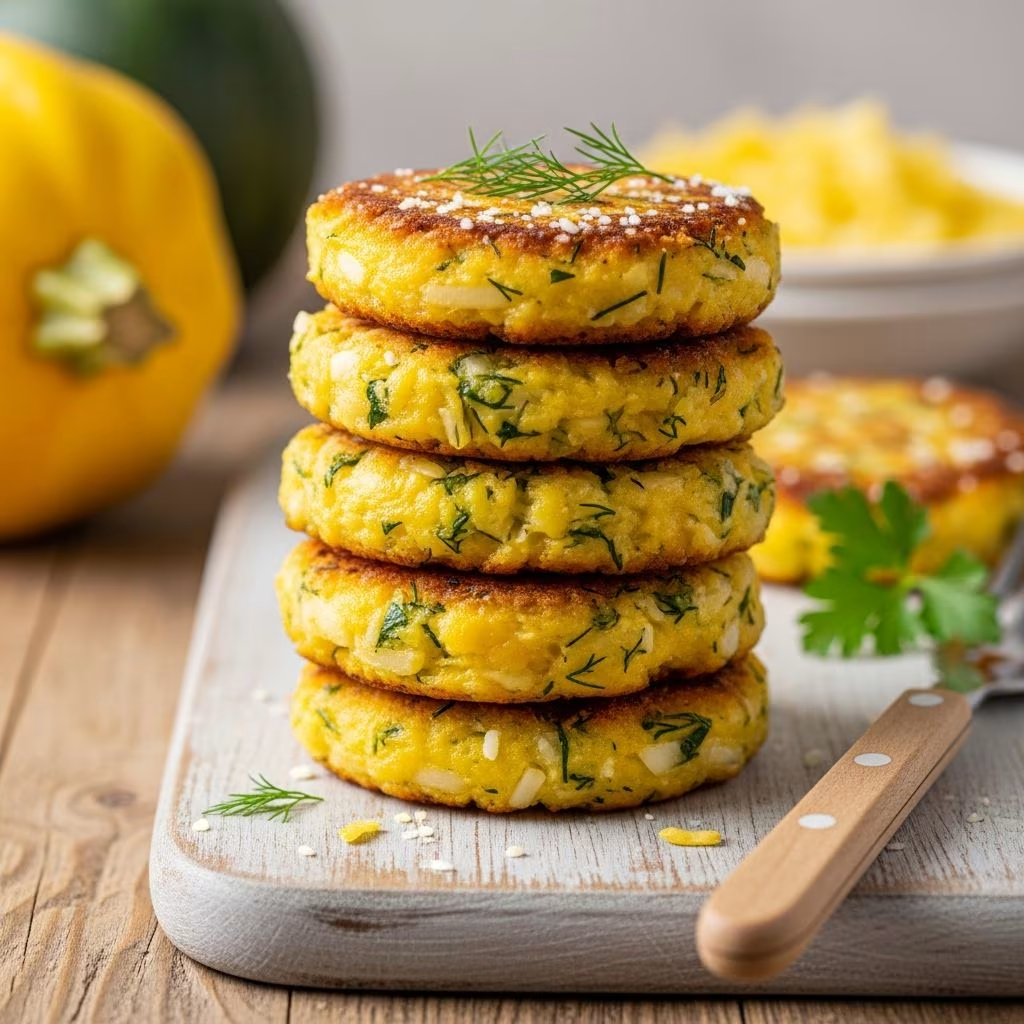
When summer arrives and gardens overflow with yellow squash, many home cooks find themselves searching for creative ways to use this abundant produce. Golden squash patties represent one of the most satisfying solutions to this seasonal challenge. These savory fritters deliver a perfect balance of crispy exteriors and tender, flavorful centers that appeal to both vegetable enthusiasts and skeptics alike. The beauty of this dish lies in its simplicity—just a handful of common ingredients combine to create something truly memorable.
Understanding Yellow Squash Patties
Yellow squash patties are fried vegetable cakes that transform fresh summer squash into a restaurant-quality side dish or appetizer. Often referred to interchangeably as squash fritters, summer squash cakes, or vegetable patties, these golden morsels have deep roots in traditional home cooking across North America. The dish exemplifies how resourceful cooks maximize seasonal produce by developing straightforward yet elegant preparations.
The fundamental concept involves combining grated or finely chopped squash with binding ingredients, seasonings, and a starch component, then pan-frying the mixture until it achieves a golden, crispy exterior. What makes this preparation particularly appealing is its versatility—the basic formula accommodates numerous variations and personal preferences while maintaining the core appeal of tender squash encased in a satisfying crust.
Essential Ingredients for Success
Creating exceptional squash patties begins with understanding each ingredient’s role in the final product. The ingredient list remains refreshingly short, allowing quality components and proper technique to shine through.
Primary Components
- Fresh yellow squash: The star ingredient, typically requiring 2 to 3 cups when grated or finely chopped. Select medium-sized squash that feel firm without soft spots. Smaller squash generally contains fewer seeds and offers a more delicate texture.
- Eggs: Serving as the binding agent that holds the mixture together during cooking, usually 2 to 3 large eggs beaten until uniform. Eggs provide structural integrity and contribute richness to the finished patties.
- Flour or breadcrumbs: These starch components create the crispy exterior and help absorb excess moisture. All-purpose flour works reliably, while panko breadcrumbs deliver extra crunch and a lighter texture.
- Onions: Both yellow onions and green onions appear in most recipes, providing aromatic depth and subtle sweetness that complements the mild squash flavor.
- Cooking fat: Butter, oil, or a combination of both enables proper frying. The choice affects both flavor and the ease of achieving golden browning.
Flavor Enhancers and Seasonings
While salt and black pepper form the foundation of seasoning, many cooks expand this palette to create more complex flavor profiles. Garlic powder, Italian seasoning, red chili flakes, and fresh herbs like parsley contribute additional dimensions. Some recipes incorporate cheese—both cheddar and Parmesan work beautifully—introducing savory notes that elevate the dish beyond simple vegetable preparation.
Preparation Techniques for Optimal Results
The difference between soggy, disappointing patties and crispy, delicious ones often comes down to preparation methods. Understanding and implementing proper technique transforms this recipe from adequate to exceptional.
Moisture Management
Perhaps the most critical preparatory step involves removing excess moisture from the squash. Fresh yellow squash contains significant water content that, if not managed properly, creates steam during cooking, resulting in soggy patties rather than crispy ones. Several approaches achieve excellent moisture reduction:
- Salting method: After grating the squash, sprinkle it with salt and allow it to sit for 10 minutes to 1 hour. This draws out liquid through osmosis. Afterward, squeeze the grated squash firmly by handful over a sink or colander, pressing out as much water as possible. Many cooks are surprised by the volume of liquid that emerges from this process.
- Immediate use approach: Some recipes skip the draining step entirely, claiming that proper flour quantity and cooking technique compensate for the moisture. This method works when cooks understand their equipment and maintain appropriate heat levels.
- Colander resting: Placing grated squash and diced onion in a colander set over a bowl and allowing several hours for liquid to drain naturally creates excellent results without active squeezing.
Ingredient Combination Process
Once moisture has been managed, combining ingredients requires attention to create a uniform, cohesive mixture. Begin by mixing the prepared squash with beaten eggs, ensuring even distribution. Add flour or breadcrumbs gradually, stirring thoroughly to avoid lumps. Incorporate seasonings, cheese if using, and any aromatics like sautéed garlic and green onions. The final mixture should hold together when scooped but remain pliable enough to shape into patties.
Cooking Methods and Temperature Control
Pan-frying remains the most common preparation method for squash patties, though the specific approach varies among cooks. Understanding different techniques helps achieve desired results based on available equipment and personal preferences.
Skillet Frying Approach
The traditional method involves heating a skillet or sauté pan over medium to medium-high heat and adding approximately 2 tablespoons of oil or butter. Once the cooking fat is hot and shimmering, carefully scoop approximately 2 tablespoons of the squash mixture into the pan. Using a spatula, gently flatten the mixture into a patty shape approximately ½ inch thick. Depending on pan size, cook multiple patties simultaneously without allowing them to touch, which ensures even browning and prevents steam accumulation.
Each patty typically requires 2 to 3 minutes per side to achieve golden-brown coloring and ensure the interior cooks through. The spatula should slide underneath easily; if resistance occurs, wait another 30 seconds before attempting to flip. Once golden on both sides, transfer finished patties to a paper towel-lined plate to absorb excess oil.
Electric Skillet Option
Some cooks prefer electric skillets preheated to 375 degrees Fahrenheit, which maintains consistent temperature throughout the cooking process. This method reduces the guesswork involved in heat management and proves particularly useful when preparing large batches for gatherings or meal preparation.
Enhancing Flavor and Texture
While basic squash patties satisfy most palates, numerous enhancements elevate the dish further. Understanding complementary flavors and texture additions allows cooks to customize patties according to their preferences and available ingredients.
Cheese Additions
Shredded cheddar cheese contributes savory depth and slight tanginess, while Parmesan adds nutty, complex notes. Generally, ¼ to ½ cup of combined cheese blends well without overwhelming the delicate squash flavor. Fresh mozzarella, feta, or goat cheese offer interesting alternatives for those seeking varied flavor profiles.
Spice and Herb Integration
Beyond basic salt and pepper, numerous seasonings enhance squash patties. Cumin and smoked paprika introduce warmth, while fresh dill or Italian herbs complement the vegetable naturally. Red pepper flakes deliver subtle heat that builds throughout eating. Experimenting with different combinations helps identify personal preferences.
Textural Components
Beyond the basic flour or breadcrumb coating, panko breadcrumbs create exceptional crispness due to their larger particle size and irregular shape. Some recipes incorporate crushed crackers, cornmeal, or ground nuts for additional textural interest and nutritional benefit.
Serving Suggestions and Pairings
Golden squash patties shine in numerous contexts, from casual family dinners to more formal entertaining. Versatility in presentation and pairing options makes them suitable for diverse occasions.
Course Flexibility
These patties transition effortlessly between roles. As appetizers, they impress guests with minimal fuss and advance preparation. Alongside grilled proteins, they serve as satisfying side dishes that accommodate various dietary preferences. Vegetarian or plant-based diners particularly appreciate their hearty nature and substantial satisfaction.
Complementary Accompaniments
Dipping sauces enhance the eating experience considerably. Sour cream combined with fresh dill, tzatziki, ranch seasoning mixed into Greek yogurt, or simple salsa verde all pair beautifully with squash patties. Tomato-based sauces provide classic pairings, while spicy aiolis appeal to those preferring additional heat and richness.
Menu Integration
Squash patties complement grilled chicken, fish, or steak admirably. They pair excellently with fresh salads, roasted vegetables, or grain-based sides. For brunch presentations, serving patties alongside eggs and fresh fruit creates memorable menus that utilize seasonal produce meaningfully.
Storage and Make-Ahead Strategies
Planning ahead allows cooks to enjoy squash patties with minimal last-minute effort. Understanding proper storage methods maintains quality while extending enjoyment.
Cooked patties refrigerate successfully for up to 4 days when stored in airtight containers. Reheat in a 350-degree oven for approximately 10 minutes to restore crispness. Freezing uncooked mixture allows preparation weeks in advance; frozen mixture keeps for several months when properly stored. Thaw in the refrigerator before cooking, though cooking from frozen requires only a few additional minutes per side.
Frequently Asked Questions
Why do my squash patties fall apart during cooking?
Insufficient binding typically causes this issue. Ensure adequate egg content and appropriate flour quantity. Additionally, verify that the squash mixture isn’t excessively wet before cooking. Allow the patties adequate time to set on each side before flipping—attempting to move them too early prevents proper browning and structural development.
Can I make these patties gluten-free?
Yes, easily. Substitute all-purpose flour with rice flour, cornstarch, or specialized gluten-free flour blends. Many cooks find panko breadcrumbs, which are sometimes gluten-free depending on the brand, work perfectly in place of traditional flour, or select certified gluten-free varieties.
What’s the difference between squash patties and squash fritters?
The terms refer to essentially identical preparations. Regional and family traditions determine naming preferences. Some cooks distinguish them by size or coating method, but fundamentally both consist of grated squash combined with binding ingredients and fried until golden.
How do I prevent excess oil absorption?
Maintaining appropriate cooking temperature ensures the exterior seals before oil penetrates deeply. Medium-high heat typically works better than lower temperatures, which extend cooking time and increase oil absorption. Draining finished patties on paper towels removes surface oil effectively.
Can I bake these instead of frying?
Yes, though results differ somewhat. Brushing patties lightly with oil and baking at 400 degrees for 15-20 minutes produces a less crispy exterior but healthier results. Many cooks appreciate this method as a compromise between traditional frying and lighter preparation.
Variations and Creative Adaptations
The basic squash patty formula accommodates numerous creative interpretations. Substituting yellow squash with zucchini creates a slightly earthier version, though increased moisture content requires more aggressive draining. Mixing different vegetables—adding grated carrots or corn—introduces new dimensions without fundamentally altering the preparation method. Corn tortillas crushed into meal substitute beautifully for flour in recipes targeting Southwestern or Latin American flavor profiles.
Nutritional Considerations
Yellow squash contributes valuable nutrients including vitamin C, potassium, and dietary fiber. While frying adds calories through oil absorption, the vegetable base ensures nutritional value remains substantial. Choosing healthier cooking fats, reducing portion sizes, or adopting baking methods allows flexible incorporation into diverse dietary approaches.
Conclusion
Golden squash patties represent an excellent solution for summer cooks seeking to maximize seasonal produce while creating dishes that genuinely satisfy family and friends. Success depends on understanding moisture management, proper ingredient combinations, and appropriate cooking technique rather than complex methods or expensive components. Whether prepared as casual weeknight sides or more polished entertaining dishes, these versatile patties prove that simple preparations often deliver the most memorable results.
References
- Yellow Squash Patties — Granny’s in the Kitchen. 2024. https://grannysinthekitchen.com/squash-patties/
- Grandma’s Yellow Squash Patties — Unruly Gardening. 2024. https://unrulygardening.com/yellow-squash-patties/
- Easy Squash Patties — The Salty Marshmallow. 2024. https://thesaltymarshmallow.com/easy-squash-patties/
- Yellow Squash Fritters — Kenneth Temple. 2024. https://kennethtemple.com/yellow-squash-fritters/
- Easy Old Fashioned Squash Fritters Recipe — Julia’s Simply Southern. 2025. https://juliassimplysouthern.com/2025/09/easy-old-fashioned-squash-fritters-recipe.html