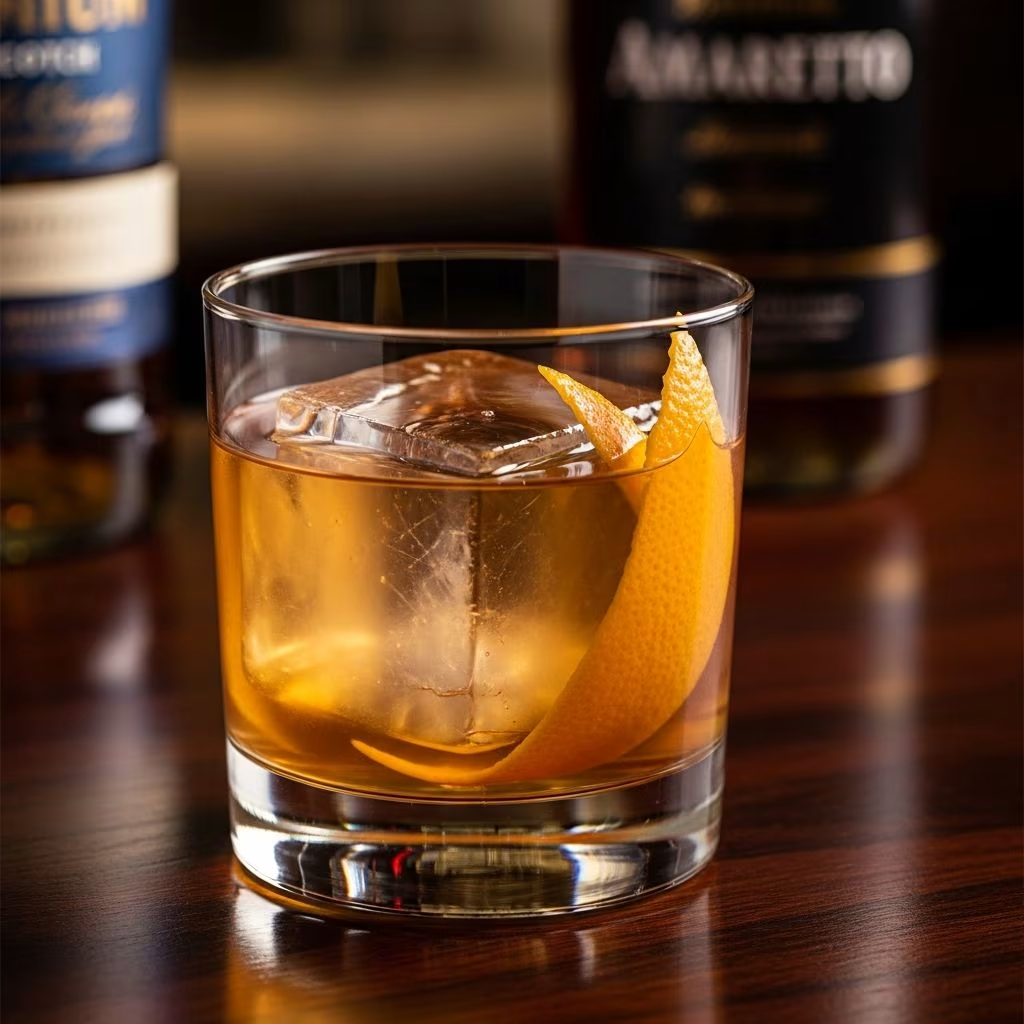
The Godfather Sour represents a fascinating intersection of cinema-inspired mixology and classic cocktail tradition. This elegant libation combines the smoky depth of Scotch whisky with the warm, almond-forward sweetness of amaretto, creating a sophisticated drink that balances complex flavors with remarkable approachability. The cocktail’s name nods to the legendary film franchise, yet its construction draws from time-honored sour techniques that bartenders have refined over decades.
What makes this particular drink noteworthy is its ability to transcend simple flavor combinations. Rather than merely blending two spirits together, the Godfather Sour employs layered construction methods that create textural depth and visual appeal. The incorporation of fresh citrus, careful sweetness calibration, and an aerated egg white component elevates this beyond casual mixing into genuine craft cocktail territory.
Understanding the Components
Each ingredient in the Godfather Sour serves a distinct purpose within the broader composition. Understanding these individual elements helps bartenders appreciate why specific measurements matter and how to adapt the drink when variations are desired.
Scotch Whisky: The Smoky Foundation
Scotch whisky forms the backbone of this cocktail, providing both alcoholic strength and distinctive flavor character. The spirit contributes smoky, slightly peaty undertones that create an intriguing counterpoint to the amaretto’s sweetness. Blended Scotch whisky works particularly well in this application because it offers balanced complexity without overwhelming the other ingredients. The smoke quality of Scotch acts as a natural complement to almond notes, creating a harmonious flavor interaction that wouldn’t occur with other whisky styles.
Amaretto: The Almond Signature
Amaretto liqueur, traditionally originating from Italy, supplies the drink’s signature almond flavor profile. This sweet almond liqueur brings both flavor intensity and residual sugar that contributes to the overall sweetness balance. The liqueur’s viscosity also influences the cocktail’s mouthfeel, creating a slightly richer texture than spirits alone could provide. Quality matters considerably with amaretto; premium bottlings offer more nuanced almond character without cloying sweetness.
Fresh Lemon Juice: Structural Acidity
Freshly squeezed lemon juice provides essential structural acidity that prevents the drink from becoming overly sweet. This citrus component brightens the overall flavor profile and creates balance between the spirit’s intensity and the liqueur’s sweetness. The juice must be freshly pressed; bottled alternatives lack the vibrancy necessary for proper drink balance. Lemon juice also interacts with the egg white to create proper emulsification during the shaking process.
Sugar Syrup: Subtle Sweetening
A modest measure of sugar syrup rounds out the flavor profile with additional sweetness calibration. The syrup doesn’t dominate; instead, it works in concert with the amaretto’s natural sugar content. Rich syrup (made with a 2:1 ratio of sugar to water) integrates more effectively than standard simple syrup because it contributes body and viscosity alongside sweetness.
Egg White: Textural Magic
Pasteurized egg white transforms the drink from a simple sour into a sophisticated libation with luxurious foam. When properly emulsified through vigorous dry shaking, egg white creates a silky mouthfeel and visually striking foam cap. This component also creates a protective layer that helps preserve aromatic compounds and extends the drinking experience.
Precise Measurements and Proportions
Professional bartenders recognize that cocktail recipes succeed through precise measurement ratios. The Godfather Sour follows a carefully balanced formula:
- 1 ounce Scotch whisky – Provides alcohol volume and smoky character
- 1 ounce amaretto liqueur – Delivers almond flavor and sweetness
- 1 ounce fresh lemon juice – Contributes structural acidity
- 0.25 ounce rich sugar syrup – Fine-tunes sweetness balance
- 0.5 ounce pasteurized egg white – Creates silky texture and luxurious foam
Some variations adjust these proportions slightly. Certain recipes increase amaretto to 1.5 ounces when creating a sweeter version, while others maintain the 1:1:1 spirit-to-juice ratio more strictly. The key lies in understanding that even small deviations from standard measurements affect the final balance significantly.
The Preparation Technique
The method of preparation distinguishes the Godfather Sour from simpler mixed drinks. This technique-forward approach requires understanding specific bartending principles.
Dry Shaking Protocol
The dry shake represents the critical first step in this cocktail’s preparation. Bartenders combine all ingredients in a cocktail shaker without ice, then shake vigorously for approximately 15-20 seconds. This process aerates the egg white, creating microscopic bubbles that eventually form the drink’s signature foam layer. The friction generated during dry shaking also helps emulsify the ingredients, creating a more homogeneous mixture.
Adding Ice and Secondary Shake
After the dry shake, bartenders add fresh ice to the shaker and shake again for 10-15 seconds. This secondary shake chills the entire mixture while maintaining the emulsification established during the dry shake. Proper ice contact temperature ensures the cocktail reaches optimal serving temperature without becoming diluted.
Straining and Presentation
The drink should be strained into a pre-chilled coupe glass or similar vessel. The chilled glassware prevents rapid temperature loss while showcasing the cocktail’s appearance. A lemon twist garnish completes the presentation, adding visual appeal and aromatic enhancement through citrus oils expressed over the drink’s surface.
Flavor Profile Analysis
The Godfather Sour occupies an interesting flavor space within cocktail taxonomy. The initial taste impression features prominent almond sweetness complemented by subtle smoke. As the drink progresses across the palate, citrus acidity emerges, cutting through sweetness and revealing the underlying Scotch character. The finish lingers with slight smoke and a pleasant warming sensation from the alcohol content.
The egg white component significantly influences the drinking experience. The foam layer creates a silky textural element that coats the mouth, extending flavor perception and creating more nuanced taste development. This texture component distinguishes the Godfather Sour from simpler two-ingredient pours.
Common Variations and Adaptations
Creative bartenders have developed interesting variations that build upon the classic formula:
| Variation | Key Change | Flavor Impact |
|---|---|---|
| Cherry-Infused Version | Includes cherry liqueur or cherry-flavored elements | Adds tartness and fruit complexity |
| Bourbon Adaptation | Substitutes bourbon for Scotch | Creates sweeter, less smoky profile |
| Increased Sweetness | Raises amaretto to 1.5 ounces | Emphasizes almond character more strongly |
| Vegan-Friendly Version | Uses aquafaba instead of egg white | Produces similar foam with plant-based option |
Ingredient Quality Considerations
The caliber of individual ingredients directly impacts the final cocktail’s quality. Premium Scotch whisky selections offer more refined smoke and complexity than budget options. Similarly, artisanal amaretto brands provide superior almond character compared to mass-produced alternatives. Fresh lemon juice squeezed immediately before mixing ensures maximum aromatic impact and proper flavor development.
Egg white quality matters considerably; using fresh eggs from reliable sources or purchasing pasteurized egg white specifically intended for cocktails provides both safety and superior foam development. Sugar syrup quality, while seemingly minor, contributes noticeably to the drink’s overall balance and mouthfeel.
Serving Recommendations
The Godfather Sour performs best when served in specific glassware at precise temperatures. A chilled coupe glass, Nick and Nora glass, or similar stemware vessel suits this cocktail well. The stem design prevents hand warmth from affecting the drink’s temperature during consumption, an important consideration for beverages meant to showcase delicate flavors.
The ideal serving temperature sits around 45-50 degrees Fahrenheit. This temperature range preserves aromatic compounds while ensuring proper flavor development. Serving too cold mutes flavors; serving too warm compromises the textural elements and allows rapid dilution.
Frequently Asked Questions
Can I use fresh eggs instead of pasteurized egg white?
Fresh eggs carry food safety risks in uncooked cocktails. Pasteurized egg white provides the same textural benefits with eliminated health concerns. Many bars specifically use pasteurized products for liability and safety reasons.
What if I don’t have a cocktail shaker?
A standard mason jar with a tight-sealing lid works adequately, though proper cocktail shakers offer better design for efficient mixing and temperature control. The key lies in creating vigorous enough agitation to properly emulsify ingredients.
How long can a Godfather Sour sit before consumption?
These cocktails should be consumed within 10-15 minutes of preparation. The foam layer gradually collapses, and dilution from melting ice accelerates beyond this timeframe. Optimal drinking occurs immediately after straining.
Can I make this cocktail without the egg white?
Yes, though the resulting drink lacks the distinctive silky texture and foam layer. The combination of Scotch, amaretto, and lemon juice still creates an enjoyable sour, but loses the textural complexity that defines the classic preparation.
Which Scotch whisky works best?
Blended Scotch whiskies generally work better than single malts because they offer balanced smoke without overwhelming other ingredients. Mid-range options provide sufficient character without unnecessary expense.
Historical Context and Evolution
The Godfather Sour emerged within the broader contemporary cocktail movement that drew inspiration from classic films and cultural references. The drink represents bartenders’ creative approach to building flavor combinations that honor traditional techniques while incorporating modern sensibilities. The film reference adds marketability while the actual construction demonstrates legitimate craft mixology principles.
This cocktail exemplifies how modern bartenders build upon established frameworks, using classic sour architecture while incorporating premium ingredients and refined techniques. The result bridges traditional cocktail culture with contemporary craft approaches.
Mastering Your Technique
Developing consistency with the Godfather Sour requires practice and attention to detail. Home bartenders should invest in proper tools: a quality cocktail shaker, bar spoon, jigger for precise measurements, and a citrus juicer. Understanding the theory behind each step matters as much as mechanical execution. When bartenders comprehend why dry shaking matters, why fresh lemon juice makes a difference, and how temperature affects flavor perception, they develop intuition for modifications and troubleshooting.
The Godfather Sour ultimately rewards attention to detail. Each carefully measured ingredient, each precise technique step, and each thoughtful preparation choice contributes to creating a genuinely sophisticated cocktail that balances complexity with approachability. Whether enjoyed at professional bars or crafted at home, this drink demonstrates that great cocktails emerge from respecting both tradition and quality.
References
- Godfather’s Amaretto Sour Recipe — Carlyle Pub. 2014-02-20. https://carlylepub.wordpress.com/2014/02/20/godfathers-amaretto-sour/