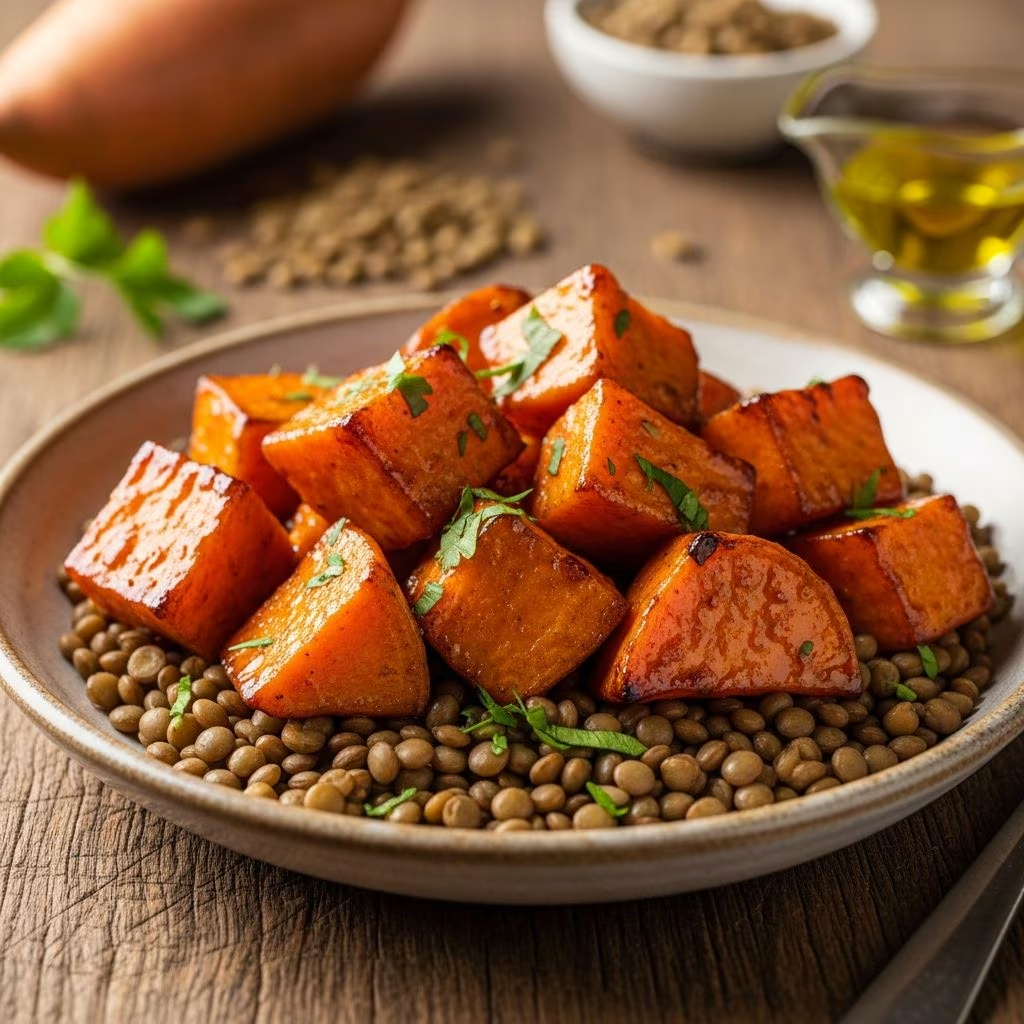
The combination of sweet potatoes and lentils represents a culinary intersection where wholesome nutrition meets satisfying flavor complexity. This dish brings together two powerhouse ingredients that complement each other through contrasting textures and tastes. The natural sweetness of roasted sweet potatoes pairs beautifully with the earthy undertones of cooked lentils, creating a balanced meal that appeals to both vegetarians and those seeking to expand their plant-based cooking repertoire.
Understanding Your Key Ingredients
Sweet potatoes offer a naturally sugary profile that intensifies when exposed to heat. Unlike their white counterparts, sweet potatoes contain beta-carotene, a compound that converts to vitamin A in the body. When selecting sweet potatoes for this dish, choose specimens that are firm to the touch with unblemished skin. Medium-sized potatoes cook more uniformly than larger ones, reducing the risk of uneven texture distribution throughout your finished dish.
Lentils function as the protein foundation of this recipe. Multiple lentil varieties exist, each with distinct cooking times and flavor profiles. Green lentils maintain their structural integrity during cooking, making them ideal for dishes where you want individual legume visibility. Red lentils break down more readily, creating a creamier overall consistency. Brown lentils fall somewhere in between, offering moderate firmness with mild earthiness. The choice between varieties depends on your desired final texture and presentation preferences.
The glaze itself—typically composed of maple syrup, rice vinegar, and olive oil—creates a shiny coating that enhances visual appeal while adding complexity through the interplay of sweetness, acidity, and fat-based mouthfeel.
Preparation Fundamentals
Cutting and Sizing Techniques
Uniform cutting ensures consistent cooking throughout your ingredients. Sweet potatoes should be cut into half-inch cubes, roughly the size of standard dice used in culinary settings. This dimension provides enough surface area for caramelization while maintaining structural integrity during cooking. Inconsistent sizing leads to some pieces being undercooked while others become mushy.
When preparing lentils, rinse them thoroughly under cold water to remove dust and debris. Spread them on a clean surface and visually inspect for any small stones or damaged legumes that occasionally make their way into packaged products.
Foundational Flavor Building
Begin by warming olive oil in a large skillet over medium heat. Add the diced sweet potatoes and onion, allowing them to sauté for approximately five minutes. This initial cooking phase softens the vegetables slightly while encouraging browning on exposed surfaces. Add minced garlic during the final minute of this sautéing phase—this timing prevents garlic from burning while allowing its aromatic compounds to distribute throughout the oil.
Spice and Seasoning Strategy
The spice profile transforms this dish from simple to sophisticated. Smoked paprika contributes a subtle smokiness without actual smoke exposure. Turmeric adds earthiness alongside potential anti-inflammatory properties. Cumin brings warmth reminiscent of Middle Eastern and Indian cuisines. Ginger—either fresh or powdered—provides subtle heat and digestive support. These spices work synergistically rather than competitively, with each contributing distinct notes that blend into a cohesive flavor experience.
Toast the spices by stirring them into the warm oil for thirty seconds before adding liquid. This blooming technique amplifies their aromatic compounds, resulting in more vibrant, integrated flavors throughout the finished dish.
The Cooking Process Breakdown
Initial Simmering Phase
After adding your spices, pour in vegetable broth and cover the skillet. Reduce heat to low and allow the contents to simmer for ten minutes. This duration provides adequate time for sweet potatoes to become fork-tender—meaning they yield easily to pressure from a utensil but haven’t yet disintegrated. The covered environment traps steam, which conducts heat more efficiently than dry air alone.
Legume Integration
Once sweet potatoes reach the desired tenderness, introduce the cooked lentils along with any leafy greens (spinach, kale, or similar vegetables work well) and coconut milk. If using canned lentils, drain and rinse them first to remove excess sodium and the starchy liquid they’re packed in. Fresh-cooked lentils add marginally superior texture but require advance preparation time.
Final Thickening and Glaze Application
Allow the mixture to simmer for five to seven additional minutes, permitting the liquid to reduce and flavors to meld. The consistency should resemble a thick soup or light stew—thick enough to coat a spoon but still pourable. If the mixture becomes too thick, add additional broth or coconut milk in quarter-cup increments.
The glaze combines maple syrup (or alternative sweetener like honey or agave), rice vinegar, and extra-virgin olive oil. Whisk these components together separately before adding to ensure even distribution. The vinegar’s acidity brightens the overall flavor profile, cutting through richness from the coconut milk and natural potato sugars.
Nutritional Considerations
This dish delivers substantial nutritional benefits. Sweet potatoes provide complex carbohydrates, dietary fiber, and micronutrients including potassium and manganese. Lentils contribute plant-based protein—approximately eighteen grams per cooked cup—making this combination particularly valuable for vegetarian and vegan diets. The combination of different plant proteins (legumes and starchy vegetables) creates a more complete amino acid profile than either ingredient alone.
Coconut milk adds saturated fat but also provides medium-chain triglycerides, a type of fat processed differently by the body than longer-chain varieties. Olive oil contributes monounsaturated fats associated with cardiovascular benefits. Together, these fats enhance the absorption of fat-soluble vitamins present in sweet potatoes and leafy greens.
Serving and Accompaniment Ideas
This glazed sweet potato and lentil combination pairs excellently with various accompaniments. Traditional Indian naan bread provides textural contrast and vehicle for scooping. Whole grain rice—whether brown, wild, or quinoa—adds additional fiber and creates a balanced plate composition. Crispy toast offers textural complexity, particularly when topped with creamy elements like tahini or cashew cream.
Fresh herbs scattered over the finished dish brighten flavors and add visual interest. Cilantro contributes citrus notes, parsley offers mild peppery tones, and mint provides cooling contrast. Toasted seeds—pumpkin, sunflower, or sesame—add nutritional density and satisfying crunch.
Storage and Make-Ahead Strategies
This dish stores exceptionally well, improving as flavors meld during refrigeration. Transfer cooled portions to airtight containers and refrigerate for up to four days. Reheat gently on the stovetop, adding small amounts of broth or water if the mixture has thickened excessively during storage. Alternatively, freeze portions for up to three months, thawing overnight in the refrigerator before reheating.
Customization and Variation Possibilities
| Element | Standard Version | Alternative Options |
|---|---|---|
| Legume | Green or brown lentils | Red lentils, chickpeas, or split peas |
| Liquid Base | Vegetable broth | Chicken broth (non-vegetarian) or mushroom broth |
| Creaminess Agent | Coconut milk | Cashew cream, oat milk, or heavy cream |
| Sweetener | Maple syrup | Honey, agave nectar, or brown sugar |
| Acid Component | Rice vinegar | Apple cider vinegar or lime juice |
Experimentation with heat levels represents another customization avenue. Red pepper flakes, fresh chili peppers, or cayenne powder increase spiciness to suit personal preferences. Conversely, reducing or omitting warm spices creates a milder flavor profile suitable for heat-sensitive palates.
Equipment and Kitchen Tools
A large skillet with a fitted lid serves as the primary vessel for this one-pan preparation. Cast iron, stainless steel, or heavy-bottomed cookware distributes heat evenly, preventing hot spots that cause scorching. A sharp knife facilitates uniform vegetable cutting. A colander assists in rinsing lentils and draining canned varieties. Measuring spoons ensure accurate spice proportions, critical for balanced flavoring.
Frequently Asked Questions
Can I prepare this dish in advance?
Yes, this dish reheats beautifully. Prepare it completely, cool thoroughly, and refrigerate in airtight containers for up to four days. Reheat gently on the stovetop or in the microwave, adding additional broth if the mixture has thickened excessively.
What lentil variety works best?
Green or brown lentils maintain structural integrity throughout cooking, ideal if you prefer distinct ingredient visibility. Red lentils create a creamier final texture. Choose based on your preferred consistency rather than strict recipe adherence.
Is this dish suitable for freezing?
Absolutely. Allow the dish to cool completely before transferring to freezer-safe containers. Freeze for up to three months. Thaw overnight in the refrigerator and reheat gently on the stovetop, adding liquid as needed.
How do I adjust consistency?
If too thin, continue simmering uncovered to allow evaporation. If too thick, add vegetable broth, coconut milk, or water in quarter-cup increments until reaching desired consistency.
Can I make this vegan?
This recipe is naturally vegan when using vegetable broth and avoiding any animal products. Confirm that all components, particularly spices and vegetable broth, contain no animal-derived ingredients.
What nutritional profile does this dish offer?
One serving typically provides 12-15 grams of protein, 25-30 grams of carbohydrates, and 6-8 grams of healthy fats. Exact values depend on specific ingredient quantities and portion sizes.
Chef Tips for Success
- Cut sweet potatoes uniformly to ensure even cooking throughout
- Don’t skip the spice-toasting step; it significantly enhances flavor intensity
- Rinse canned lentils thoroughly to reduce sodium content
- Taste and adjust seasonings before serving; personal preferences for salt and spice vary
- Use fresh ginger when possible for superior flavor compared to powdered alternatives
- Allow the dish to rest five minutes after cooking for flavors to fully integrate
- Store leftovers in glass containers to preserve quality and prevent flavor absorption into plastic
Conclusion
The glazed sweet potato and lentil combination represents an accessible entry point into plant-based cooking while satisfying diners seeking substantive, flavorful meals. The interplay between natural vegetable sweetness, protein-rich legumes, and carefully balanced spice creates a dish that transcends simple vegetarian substitution. Whether preparing this for weeknight dinners, meal preparation initiatives, or impressing vegetarian guests, this recipe delivers consistent results with minimal technical complexity. The forgiving nature of the cooking method and ingredient substitution flexibility make it an ideal addition to any home cook’s repertoire.
References
- Sweet Potato Nutrition Facts and Health Benefits — U.S. Department of Agriculture, FoodData Central. 2024. https://fdc.nal.usda.gov/fdc-app.html
- Legumes: Definition, Nutritional Composition, and Culinary Applications — Food and Agriculture Organization of the United Nations. 2022. https://www.fao.org/
- Polyphenol Content and Health Effects of Turmeric (Curcuma longa L.) — Journal of Medicinal Food, Lieberman S, Bahrami M. 2018. https://pubmed.ncbi.nlm.nih.gov/29489712/