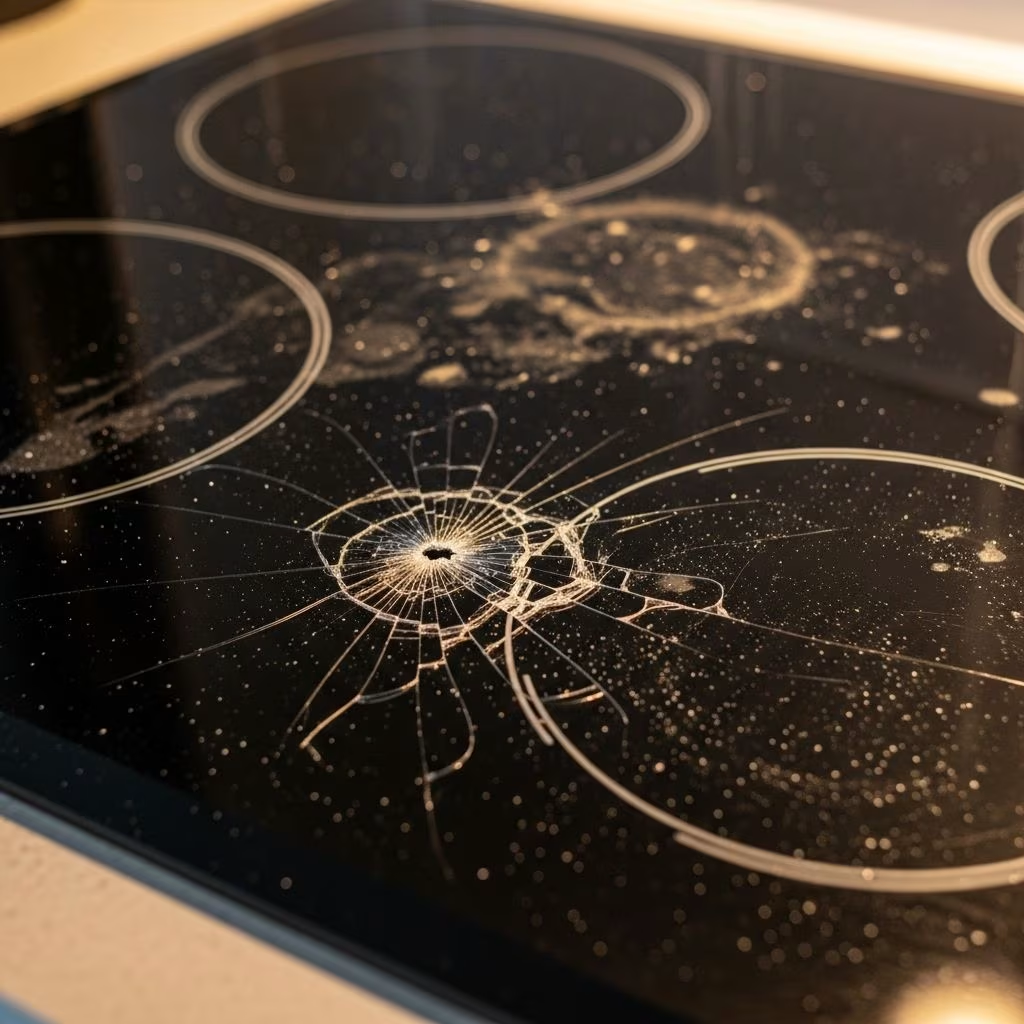
Modern glass stovetops offer a sleek, easy-to-clean alternative to traditional coils or gas burners, but they demand specific handling to prevent costly damage. This comprehensive guide explores frequent errors in usage, maintenance, and cookware selection, providing actionable strategies to safeguard your investment and maintain its polished appearance.
Understanding Glass Stovetop Vulnerabilities
Glass stovetops, typically made from tempered ceramic-glass, excel in even heat distribution via radiant elements beneath the surface. However, their smooth finish makes them prone to scratches from rough cookware bottoms and cracks from thermal shock or impacts. Unlike metal surfaces, these tops cannot tolerate abrasive friction or extreme temperature swings, leading to visible wear that traps residue over time.
Daily cooking exposes the surface to spills, grease splatters, and pan movement, amplifying risks if habits are not adjusted. Proper care extends lifespan, potentially beyond a decade, while neglect accelerates degradation.
Top Cookware Choices That Harm Glass Surfaces
Selecting incompatible pots and pans is a primary cause of stovetop deterioration. Materials with uneven or coarse bases abrade the glass during sliding or heating.
- Raw Cast Iron Pans: Their gritty, unseasoned undersides grind particles into the glass, causing micro-scratches that dull the finish. Even cleaned pans risk damage if dragged across the top.
- Glass or Ceramic Dishes: These transfer heat unevenly, creating stress points that crack both cookware and stovetop upon cooling. Avoid baking dishes directly on the surface.
- Copper-Bottomed or Stoneware: Soft metals like copper wear grooves, while stoneware’s porous base sheds abrasive grit. Opt for enameled or seasoned alternatives.
To verify compatibility, check for flat, smooth bottoms that fully contact the heating zone, minimizing hotspots and friction.
Cleaning Errors That Shorten Stovetop Life
Cleaning routines often inflict more harm than the messes they target. Harsh methods strip protective coatings and etch the glass.
| Mistake | Consequence | Safer Alternative |
|---|---|---|
| Abrasive Sponges or Steel Wool | Permanent scratches and haze | Microfiber cloths or plastic scrapers |
| Harsh Chemicals (Bleach, Ammonia) | Residue films and discoloration | Manufacturer-approved cleaners |
| Excessive Scrubbing Force | Cracks from stress | Gentle circular motions with light pressure |
Allow the surface to cool fully before wiping, as heat expands glass unevenly. For burnt-on spots, apply a paste of baking soda and water, let it dwell, then scrape softly.
Thermal Management: Preventing Cracks and Warps
Sudden temperature changes pose the greatest structural threat. Placing cold liquids on hot zones or cold pans on preheated areas induces thermal shock, fracturing the tempered glass.
- Preheat gradually, starting at low settings.
- Remove spills immediately with a damp cloth once safe to touch.
- Avoid foil or oversized lids that trap heat unevenly.
Monitor for hot spots post-cooking; residual heat lingers due to the radiant design, so use an infrared thermometer if precision is needed.
Daily Habits for Optimal Stovetop Health
Beyond acute errors, subtle routines compound damage. Wiping with paper towels leaves lint, while sliding utensils etches fine lines.
- Lift, Don’t Drag: Always pick up pans to reposition, preserving the flawless surface.
- Edge Vigilance: Grime accumulates in crevices; use a soft brush for trim areas to prevent seepage under the glass.
- Weight Limits: Heed manufacturer specs—typically 25-50 lbs per burner—to avoid sagging or breaks.
- Post-Cook Ritual: Cool, then wipe with a vinegar-dampened cloth weekly for streak-free shine, sparingly to avoid etching.
Advanced Maintenance Techniques
For heavy use, periodic deep cleans restore factory luster. Mix equal parts white vinegar and water in a spray bottle, mist cooled surface, wait 5-10 minutes, then buff with a dry microfiber. This dissolves mineral deposits without abrasion.
Inspect annually for hairline cracks; even minor fissures weaken integrity. Professional polishing services use cerium oxide compounds for haze removal, but prevention trumps repair.
Recommended Cookware for Glass Tops
Choose flat-bottomed, lightweight options for seamless performance:
- Stainless steel with encapsulated bases.
- Hard-anodized aluminum.
- Clad cookware for even conduction.
Test flatness by placing a ruler across the bottom; light should not pass underneath.
Frequently Asked Questions
Can I use cast iron on a glass stovetop?
Seasoned, smooth-bottomed cast iron is usable if lifted carefully, but raw versions risk scratches. Clean thoroughly before each use.
How do I remove burnt sugar without damage?
Once cooled, razor-scrape gently at a 45-degree angle, then apply cooktop cleaner and wipe.
Is vinegar safe for regular cleaning?
Occasional use prevents buildup, but overuse clouds glass. Limit to weekly.
What if my stovetop cracks?
Do not use; shards pose cut risks. Replacement costs $300-800, depending on size.
Does Windex work on glass stovetops?
No—ammonia streaks and degrades sealants. Stick to specialized products.
Long-Term Benefits of Proper Care
Adopting these practices not only averts repairs but enhances cooking efficiency. A pristine surface heats uniformly, reducing energy use by up to 10% and simplifying hygiene. Homeowners report 5+ years of like-new condition with consistent vigilance.
In high-traffic kitchens, assign care roles to family members for accountability. Track usage patterns to preempt wear in busy zones.
References
- Glass Stove-top Cleaning Mistakes You Don’t Want To Make — Man Made DIY. 2023-05-15. https://www.manmadediy.com/glass-stove-top-cleaning-mistakes-you-dont-want-to-make/
- Glass Cooktop Care: What Pans to Avoid for a Pristine Stove — Misen. 2024-02-20. https://misen.com/blogs/news/glass-cooktop-care-what-pans-to-avoid-for-a-pristine-stove-6
- A Dangerous Mistake to Avoid on Glass Stovetops — Gasland Chef AU. 2023-11-10. https://gaslandchef.com.au/blogs/news/a-dangerous-mistake-to-avoid-on-glass-stovetops