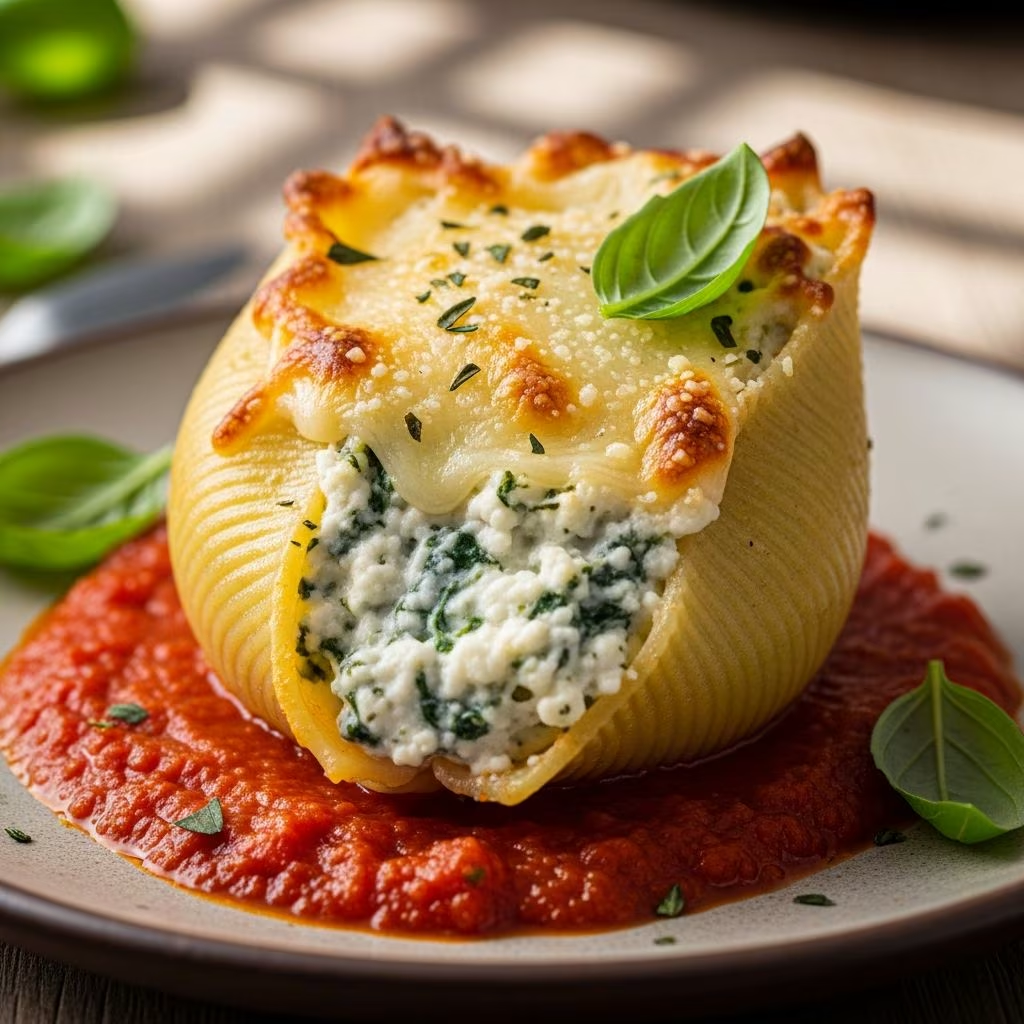
Giant stuffed pasta shells represent one of the most satisfying and visually impressive dishes you can prepare in your own kitchen. These oversized pasta tubes, when filled with creamy cheese mixtures and baked until golden, deliver layers of flavor and texture that transform a simple weeknight dinner into something restaurant-worthy. Whether you’re cooking for family or entertaining guests, mastering this classic Italian-American dish opens the door to numerous creative variations and customizations.
Understanding the Foundation: Selecting Your Ingredients
The success of your stuffed shells begins long before they reach the oven. Each ingredient plays a specific role in creating the final dish, and understanding these components helps you make informed choices about what goes into your creation.
The Pasta Selection and Preparation
The most critical element is choosing genuine jumbo pasta shells, also known as conchiglioni in Italian cuisine. These shells are substantially larger than standard pasta tubes, providing adequate space for generous fillings. When shopping, look for shells that are approximately one to one-and-a-half inches in diameter. Standard pasta shells will result in insufficient filling capacity and an unsatisfying eating experience.
Cooking your shells properly requires attention and timing. Rather than following package directions precisely, most experienced cooks recommend slightly undercooking the pasta—targeting a state just shy of al dente. This prevents the shells from becoming too soft and fragile during stuffing and subsequent baking. Most jumbo shells require between nine and twelve minutes of boiling, depending on the specific brand and thickness. After cooking, rinse them gently with cool water and lay them flat on paper towels to prevent sticking.
Cheese Components and Their Functions
The cheese filling typically incorporates three to four distinct varieties, each contributing specific characteristics:
- Ricotta cheese provides the creamy, spreadable base. This mild, smooth cheese forms the foundation of the filling and is typically used in quantities ranging from one to two cups.
- Mozzarella cheese offers melting properties and creates the characteristic stringy texture. Use whole milk mozzarella for superior flavor and melting capability.
- Parmesan cheese contributes a sharp, aged flavor that provides depth and complexity to the filling. Freshly grated Parmesan performs better than pre-grated varieties.
- Pecorino Romano serves as an optional addition that intensifies the umami profile and adds a slightly salty edge.
Sauce Selection and Preparation
Two sauce components typically feature in traditional preparations. A marinara or tomato-based sauce provides acidity and brightness, while an Alfredo sauce adds richness and creaminess. Store-bought marinara works admirably, though quality brands like Rao’s deliver superior results. Homemade marinara requires merely tomatoes, garlic, olive oil, and herbs simmered for twenty to thirty minutes.
Alfredo sauce is remarkably simple to prepare at home. Melt butter in a saucepan, add minced garlic, then slowly whisk in heavy cream or half-and-half. Gradually introduce grated Parmesan cheese while stirring continuously until achieving a smooth, pourable consistency. This approach requires only five minutes but dramatically improves the final dish.
The Comprehensive Filling Formula
Creating a properly balanced filling ensures each shell delivers consistent, satisfying flavors. A foundational approach combines ricotta, mozzarella, Parmesan, and select seasonings in measured proportions.
Core Filling Components
| Ingredient | Quantity | Purpose |
|---|---|---|
| Ricotta cheese | 15-16 oz | Creamy base and primary filler |
| Mozzarella (shredded) | 1 cup | Melting capability and texture |
| Parmesan (grated) | 1 cup | Sharp flavor and depth |
| Eggs | 1-2 | Binding agent for consistency |
| Dried basil | 1 teaspoon | Herbaceous notes |
| Dried oregano | 1 teaspoon | Mediterranean flavor profile |
| Garlic (minced) | 1-2 cloves | Aromatic depth |
| Salt and pepper | To taste | Seasoning enhancement |
Combine all filling ingredients in a large bowl, stirring until thoroughly incorporated. The mixture should hold together when pressed but remain spreadable. If too thick, add a splash of milk or cream. If too loose, incorporate additional grated Parmesan.
Assembly and Baking Methodology
Preparing Your Baking Vessel
Select a nine-by-thirteen-inch rectangular baking dish or an eight-by-eight-inch square dish depending on your shell quantity. Spray the interior with nonstick cooking spray to prevent sticking. Pour one cup of marinara sauce across the bottom, creating a protective layer that prevents the shells from sticking and adds moisture during baking.
Filling and Arranging Shells
Fill each shell using a small spoon or your hands, depending on personal preference. Approximately two tablespoons of filling per shell provides optimal balance. Some cooks prefer using a piping bag fitted with a large tip for cleaner application, though this requires a slightly looser filling consistency.
Place each filled shell open-side-up in the prepared baking dish, arranging them in rows or nestling them together as space allows. The arrangement need not be perfect—slight overlapping is acceptable and actually helps shells remain moist during baking.
Baking Instructions
Preheat your oven to four hundred degrees Fahrenheit. Once the baking dish is assembled, cover it loosely with aluminum foil. Bake for approximately twenty minutes in the covered state. Remove the foil and distribute additional marinara sauce over the shells, then sprinkle with breadcrumbs and extra grated Parmesan cheese.
Return to the oven uncovered for an additional fifteen minutes, until the cheese melts and the breadcrumb topping develops a golden-brown color. The entire baking process requires approximately thirty-five to forty minutes total. Some preparations include a final broiling step to achieve deeper browning on the topping—monitor carefully during this phase to prevent burning.
Flavor Variations and Creative Adaptations
Incorporating Vegetables
Fresh spinach adds nutritional value and sophisticated flavor. Blanch and finely chop five ounces of fresh spinach, then fold into the cheese mixture. This variation works particularly well when combined with lemon zest, which brightens the earthiness of the greens.
Other vegetables that adapt well to this preparation include roasted red peppers, sautéed mushrooms, and fresh herbs like basil and parsley. Keep added vegetables finely minced and relatively dry to maintain proper filling consistency.
Protein-Enhanced Preparations
Ground beef mixed with the marinara sauce creates a meat-sauce variation. Brown half a pound of ground beef with onion and garlic, combine with marinara sauce, then use this mixture both in the filling and as the topping sauce. This approach transforms the dish into a more substantial main course.
Sauce Variations
Beyond traditional marinara and Alfredo combinations, consider pesto-based sauces, vodka cream sauces, or sun-dried tomato preparations. These variations maintain the same structural approach while introducing new flavor dimensions.
Achieving Consistency and Quality Results
Common Challenges and Solutions
Shells that break during cooking typically result from overcooking the pasta initially. Reduce boiling time by one to two minutes if shells begin splitting. Shells that split during stuffing indicate they cooled insufficiently after cooking—slightly warm shells prove easier to handle than room-temperature ones.
Watery or soupy results occur when too much liquid sauce accumulates. This happens when shells weren’t rinsed sufficiently after cooking or when marinara sauce is too thin. Choose quality, thicker marinara brands or reduce store-bought sauce by simmering for five minutes before assembling.
Filling that leaks from shells suggests the mixture is too loose. Add more grated cheese or breadcrumbs to achieve appropriate consistency. Conversely, filling that clumps and proves difficult to distribute needs a splash of milk or an additional egg to improve spreadability.
Make-Ahead and Storage Strategies
Refrigeration Options
Assembled but unbaked shells keep remarkably well in the refrigerator. Cover the prepared baking dish with plastic wrap and refrigerate for up to four hours before baking. This approach proves invaluable for meal planning, allowing you to complete assembly during less hectic times.
When ready to bake, add approximately five to ten minutes to the total baking time since the dish starts cold. Proceed with instructions as written, monitoring for the same visual cues indicating doneness.
Freezing for Future Preparation
Unbaked stuffed shells freeze beautifully for several months. After assembling in the baking dish, cover tightly with plastic wrap, then aluminum foil to prevent freezer burn. Thaw overnight in the refrigerator before baking, or add approximately ten to fifteen minutes to the baking time if baking directly from frozen.
Serving Suggestions and Accompaniments
Stuffed shells benefit from complementary side dishes that balance their richness. A simple Italian salad with mixed greens, tomatoes, and vinaigrette provides brightness and acidity. Garlic bread offers textural contrast, while roasted vegetables like zucchini or eggplant add substance without overwhelming the main course.
Serve shells directly from the baking dish, ensuring each portion includes adequate sauce. A warm plate and fresh basil garnish elevate the presentation for special occasions.
Frequently Asked Questions
Can I use cottage cheese instead of ricotta?
While some recipes suggest this substitution, cottage cheese produces a noticeably different texture. Ricotta’s smooth consistency distributes more evenly throughout shells, while cottage cheese remains somewhat chunky. For optimal results, stick with ricotta, though you may mix varieties—full-fat ricotta delivers richer flavor than part-skim alternatives.
What type of cheese works best for the topping?
A combination of shredded mozzarella and grated Parmesan provides the ideal topping. Mozzarella melts and becomes creamy, while Parmesan crisps slightly and develops deeper color. Use approximately one cup mozzarella and one-half cup Parmesan for twenty shells.
How do I prevent shells from sticking together?
Rinse cooked shells thoroughly with cool water, then lay them flat on clean paper towels. Once cooled completely, they separate easily. If shells stick despite these precautions, gently work them apart with your fingers or a small spoon rather than pulling forcefully.
Can I prepare this dish without an oven?
This traditional preparation requires oven baking for proper melting and browning. However, slow cooker adaptations exist—assemble shells in a slow cooker, cover with sauce, and cook on low for approximately one and a half to two hours. Results differ from traditional baking but still produce satisfying results.
How many shells should I plan per person?
Plan for three to four stuffed shells per person as a main course, or two to three shells if serving alongside substantial sides. A standard preparation yields eighteen to twenty-five shells.
References
- Olive Garden Giant Stuffed Shells Copycat Recipe — The Food Hussy. 2024. https://www.thefoodhussy.com/olive-garden-jumbo-stuffed-shells/
- Easy Stuffed Shells with Pesto and Tomato Beef Sauce — Vikalinka. 2024. https://vikalinka.com/baked-shells-with-pesto-mozzarella-and-meat-sauce/
- Stuffed Shells Recipe — Love and Lemons. 2024. https://www.loveandlemons.com/stuffed-shells-recipe/
- Baked Stuffed Shells Recipe — 365 Days of Baking and More. 2024. https://www.365daysofbakingandmore.com/baked-stuffed-shells/
- Stuffed Pasta Shells | Pasta Recipes — YouTube. 2024. https://www.youtube.com/watch?v=lavcgtlDc3o
- 8 Ways With Stuffed Pasta Shells — Barilla. 2024. https://www.barilla.com/en-us/help-with/chefs-corner/8-ways-with-stuffed-shells
- Spinach ricotta stuffed shells — RecipeTin Eats. 2024. https://www.recipetineats.com/spinach-ricotta-stuffed-shells/