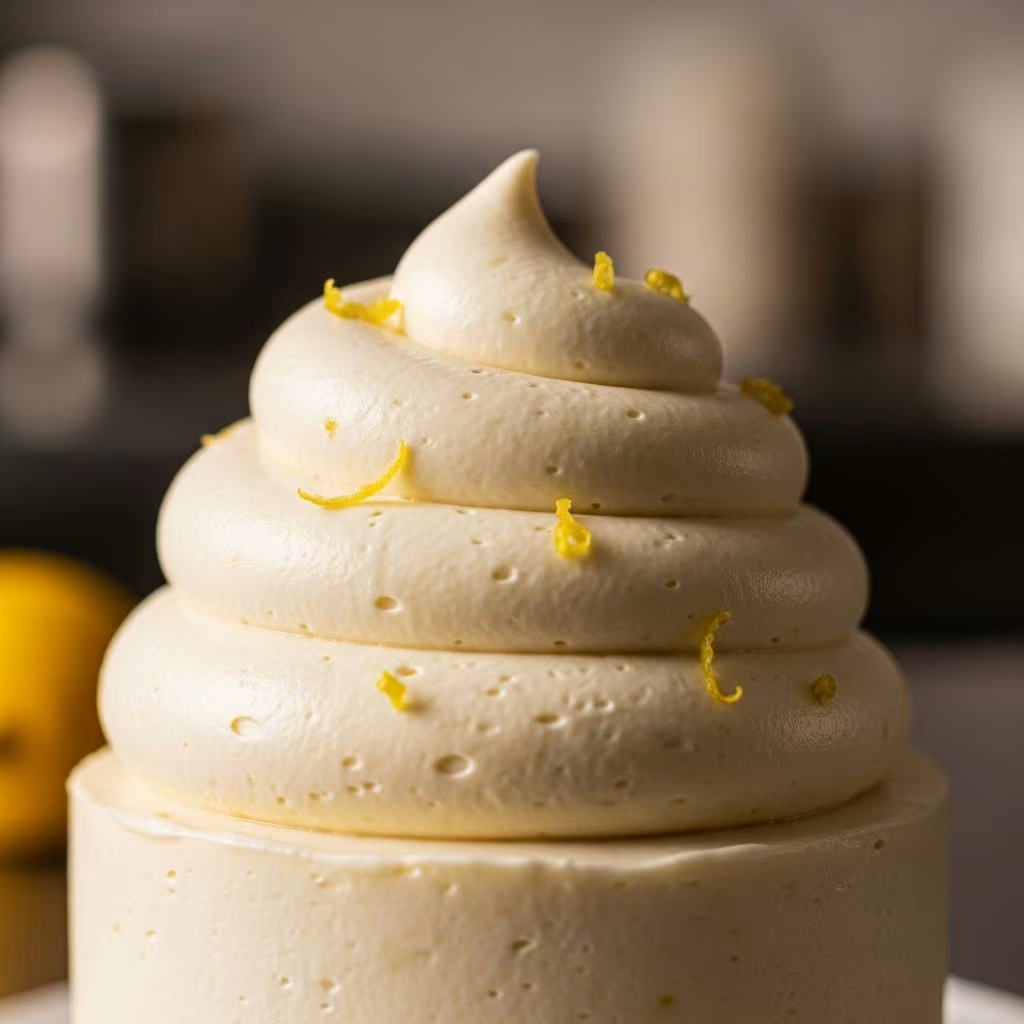
German buttercream, often called crème mousseline, stands out as a sophisticated frosting option that combines the richness of butter with the smooth custard texture of pastry cream. Unlike denser American buttercreams loaded with powdered sugar, this version offers a lighter, more nuanced flavor profile that’s ideal for filling layer cakes, topping cupcakes, or sandwiching macarons.
What Makes German Buttercream Special?
This frosting derives its name from its butter-heavy composition, though its roots trace back to French patisserie techniques. The base is a simple pastry cream—essentially a thickened custard made from milk, eggs, sugar, and starch—whipped together with softened butter. The result is a pale yellow, fluffy spread that’s mildly sweet and exceptionally silky on the palate.
Key characteristics include:
- Smooth texture: No gritty sugar particles, thanks to the cooked custard base.
- Balanced sweetness: Less sugar overall compared to other frostings.
- Versatile stability: Holds shape well for piping but softens in warm conditions.
- Customizable flavor: Easily infused with vanilla, chocolate, or fruit.
Essential Ingredients for Perfect Results
High-quality components are crucial for achieving the signature lightness. Here’s a breakdown of what you’ll need for about 4-5 cups of frosting:
| Ingredient | Quantity | Notes |
|---|---|---|
| Milk | 1.5 cups (355ml) | Whole milk for richness; alternatives like nut milk work. |
| Egg yolks | 4-6 (about 100g) | Provide structure and flavor; whole eggs optional for paler color. |
| Sugar | 1/2 cup (100g) + extra | Granulated for custard; avoid brown sugar. |
| Cornstarch | 1/4-1/3 cup (30-40g) | Thickens without lumps; flour can substitute. |
| Butter (unsalted) | 2-2.5 cups (450-570g) | Room temperature, high-fat European-style ideal. |
| Vanilla | 1-2 tsp extract or bean | Pure for authentic taste. |
Proportions matter: Traditional crème mousseline uses a 2:1 custard-to-butter ratio for density, while German styles lean 1:1 or richer for airiness.
Step-by-Step: Crafting the Pastry Cream Base
The foundation of great German buttercream is flawless pastry cream. Patience prevents curdling or lumps.
Prepare the milk: Heat milk with vanilla in a saucepan over medium heat until simmering, not boiling. This infuses flavor.
Whisk dry mix: In a bowl, vigorously whisk egg yolks, sugar, and cornstarch until pale and thick, about 2 minutes. This tempers the eggs.
Temper eggs: Slowly stream hot milk into the yolk mixture while whisking constantly to avoid scrambling.
Cook to thicken: Return everything to the saucepan. Stir over medium heat for 1-3 minutes until it bubbles and thickens like pudding. Remove from heat.
Cool properly: Press plastic wrap directly on the surface to prevent a skin, then chill for at least 1 hour (overnight best).
Troubleshooting: If lumpy, strain through a sieve. For shine, stir in a knob of butter while hot.
Whipping Up the Buttercream
Once chilled, transform the custard into frosting by incorporating butter. Temperature is key—both must be at room temperature (around 68°F/20°C) to emulsify smoothly.
Beat softened butter in a stand mixer with whisk attachment on high for 3-5 minutes until pale and fluffy, like whipped cream.
Soften chilled pastry cream with a whisk or brief microwave (10-second bursts).
Reduce mixer speed to low; add pastry cream in 3-4 additions, scraping sides each time.
Increase to high and whip 2-4 minutes until voluminous and silky. It should hold soft peaks.
Yield: Enough to frost a 9-inch two-layer cake generously. Use immediately or chill (rewhip to soften).
Common Pitfalls and Fixes
Even pros encounter issues. Here’s how to avoid them:
- Curdled texture: Butter or custard too cold. Warm gently and rewhip.
- Too dense: Underwhipped butter. Beat longer for aeration.
- Separates in heat: Chill briefly; avoid direct sun.
- Lumps persist: Blend with immersion blender post-mixing.
For stability in warm climates, reduce butter slightly or add gelatin.
Flavor Variations to Elevate Your Cakes
German buttercream’s neutral base shines with additions:
- Chocolate: Melt 4oz dark chocolate; cool and fold in.
- Berry: Puree 1/2 cup raspberries, strain, and swirl.
- Coffee: Dissolve 1 tbsp espresso powder in milk.
- Lemon: Zest 2 lemons into butter; add 2 tbsp juice.
- Nutella: Whip in 1/2 cup for hazelnut decadence.
Experiment gradually to maintain structure.
Creative Uses Beyond Frosting
This versatile cream excels in many applications:
- Filling for tarts, éclairs, or Boston cream pies.
- Layering in trifles or icebox cakes.
- Piping borders on entremets.
- Stabilizing whipped cream for mousses.
Pair with genoise, chiffon, or sponge for contrast.
Storage and Make-Ahead Tips
Fresh is best, but it stores well:
- Fridge: Up to 5 days in airtight container; rewhip before use.
- Freezer: 2 months; thaw overnight in fridge.
- Room temp: 2 hours max in cool conditions.
Avoid freezing flavored versions with high fruit content, as they weep.
Nutrition Snapshot (Per 2 Tbsp Serving)
| Nutrient | Amount |
|---|---|
| Calories | ~320 kcal |
| Fat | 28g |
| Carbs | 12g |
| Protein | 2g |
Frequently Asked Questions
Can I use whole eggs instead of yolks?
Yes, for a lighter color and texture, but yolks yield richer flavor.
Why is my buttercream runny?
Ingredients not at room temp or overwhipped. Chill and retry.
Is it gluten-free?
Naturally, if using cornstarch (check labels).
How do I pipe it?
Chill 30 minutes for firmness; use medium star tip.
Dairy-free version?
Substitute plant milk and vegan butter; results vary.
Mastering German buttercream opens doors to bakery-level desserts. Practice the custard base, perfect your whipping technique, and soon you’ll have a go-to frosting that’s both indulgent and refined.
References
- Best German buttercream frosting – mousseline cream recipe — Sweetly Cakes. 2023. https://sweetlycakes.com/en/german-buttercream/
- German buttercream (Crème Mousseline) — Spatula Desserts. 2023. https://www.spatuladesserts.com/german-buttercream-creme-mousseline/
- Classic Creme Mousseline (Authentic Recipe) — The Flavor Bender. 2022. https://www.theflavorbender.com/classic-creme-mousseline-recipe/
- Creme Mousseline, How to Make German Buttercream — Baker Bettie. 2023. https://bakerbettie.com/german-buttercream/
- Making Crème Mousseline — Joe Pastry. 2013-10-01. https://joepastry.com/2013/making-creme-mousseline/
- German Buttercream — Baking a Moment. 2023. https://bakingamoment.com/german-buttercream/