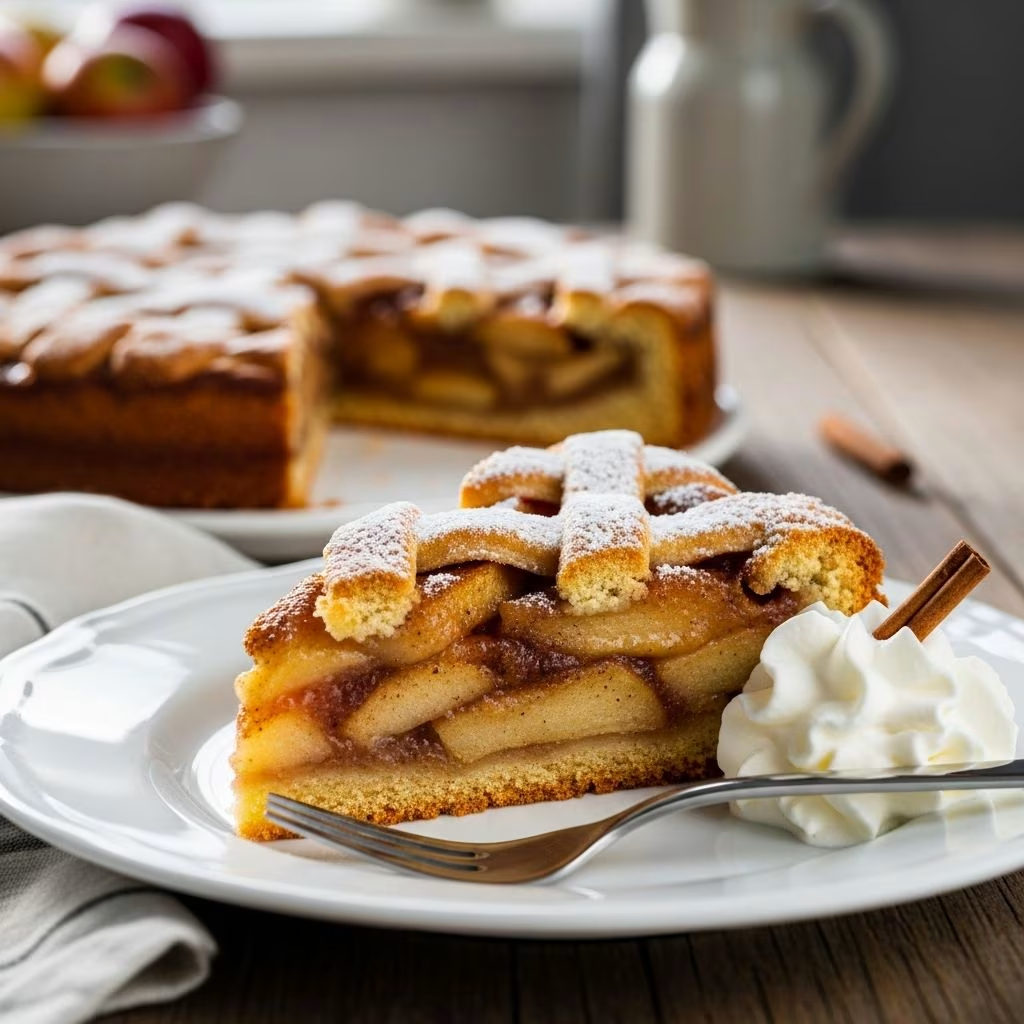
German apple cake, known as Apfelkuchen, represents one of the most beloved baked goods in Central European culinary traditions. This classic dessert combines a tender, butter-rich cake base with fresh apple toppings, creating a harmonious balance of flavors and textures. Whether you are preparing this cake for a casual afternoon gathering or a formal celebration, understanding the fundamentals of preparation will help you achieve professional-quality results in your own kitchen.
Understanding the Foundation of Apfelkuchen
The essence of authentic Apfelkuchen lies in its straightforward approach to baking. Unlike many elaborate desserts that require specialized techniques or difficult-to-source ingredients, this German classic relies on pantry staples and fresh produce. The cake achieves its characteristic texture through careful attention to mixing methods and baking temperatures. The result is a dessert that feels both elegant and approachable, making it suitable for both experienced bakers and culinary beginners.
Essential Ingredients for Your Apfelkuchen
Creating an authentic Apfelkuchen begins with assembling quality ingredients. The foundation starts with unsalted butter, which should be softened to room temperature before mixing. Sugar provides sweetness and helps create the cake’s tender crumb structure. Eggs bind the ingredients together while contributing to the cake’s moist consistency. All-purpose flour forms the dry base, while baking powder acts as the leavening agent that gives the cake its characteristic light texture.
The apple selection significantly influences the final product’s flavor profile. Cooks often prefer tart varieties such as Granny Smith apples because they provide contrast to the sweet cake batter and streusel topping. However, sweeter options like Gala, Honeycrisp, or Jonagold apples work equally well for those preferring a more uniformly sweet dessert. The quantity of apples ranges from three to five medium-sized fruits, depending on your preferred apple-to-cake ratio.
Additional flavor-enhancing ingredients include lemon juice or zest, which brightens the overall taste and prevents apple oxidation during preparation. Cinnamon, vanilla extract, and milk round out the ingredient list, each contributing subtle flavor dimensions that elevate the finished cake.
Optional Topping Components
- Granulated sugar for additional sweetness and texture
- Powdered sugar for dusting before serving
- Almond-cinnamon streusel for a crunchy topping layer
- Apricot jam glaze for shine and added flavor
- Melted butter for brushing over apples before baking
Preparing Your Baking Equipment
Successful Apfelkuchen preparation requires appropriate baking vessels. A springform pan with a removable bottom measuring eight to eleven inches in diameter serves as the traditional choice. This pan style allows for easy removal of the finished cake while maintaining its structural integrity. Alternatively, a round cake pan with similar dimensions works adequately. Ensure your selected pan is properly greased with butter or non-stick spray to prevent sticking.
Gathering all necessary mixing bowls, measuring implements, and utensils before beginning prevents mid-recipe scrambling. A stand mixer or hand-held mixer expedites the creaming process, though vigorous manual mixing with a wooden spoon can achieve similar results. A colander proves useful for draining excess moisture from prepared apple slices, and a toothpick serves as your doneness indicator during baking.
The Mixing Process: Creating the Perfect Batter
The foundation of superior Apfelkuchen begins with properly creaming butter and sugar. Place softened butter and granulated sugar in your mixing bowl and beat continuously for approximately five minutes. This extended mixing time is not excessive but rather essential—it incorporates air into the butter, creating a light, fluffy base that contributes to the cake’s tender texture. During this phase, the mixture should appear pale and noticeably increased in volume.
Once your butter-sugar mixture reaches optimal consistency, gradually introduce eggs one at a time. After each egg addition, mix thoroughly before adding the next. This methodical approach ensures even distribution and prevents the batter from separating or becoming grainy. Simultaneously, incorporate lemon zest, vanilla extract, and salt into the mixture. These ingredients add complexity and enhance the overall flavor profile without overpowering the delicate apple notes.
In a separate bowl, combine all dry ingredients—flour, baking powder, and additional salt if desired. Gently fold this dry mixture into the wet ingredients using a spatula or wooden spoon. Avoid overmixing at this stage, as excessive stirring develops gluten in the flour, resulting in a tough, dense cake rather than the desired tender crumb. The batter should appear smooth and uniform but still possess a slightly thick consistency.
If your batter seems excessively stiff, incorporate milk gradually until achieving a spreadable but not runny texture. This milk addition creates the proper consistency for even distribution in your prepared pan while maintaining structural integrity during baking.
Preparing and Arranging Your Apples
Apple preparation timing proves crucial in preventing browning and ensuring optimal flavor integration. Peel your selected apples using a vegetable peeler or paring knife, then carefully remove the core. Slice the apples into uniform thicknesses—approximately quarter-inch pieces work well, as thinner slices cook more evenly while thicker pieces provide more substantial texture. As you prepare each apple, immediately toss the slices with lemon juice. This simple step prevents enzymatic browning and adds brightness to the finished cake.
Some recipes recommend placing prepared apples in a colander and allowing excess liquid to drain for several minutes. This step prevents the cake from becoming soggy and ensures the apples maintain their structural integrity during baking. Reserve a few apple slices to arrange decoratively on top of the cake before baking.
Transfer your batter into the prepared springform pan, spreading it evenly across the bottom. The batter should reach a relatively uniform depth, typically between half and three-quarters of an inch. Arrange your reserved apple slices across the top surface in an aesthetically pleasing pattern. Some bakers create a traditional flower-like design by arranging apples in concentric circles, while others prefer simple overlapping rows. Gently press the apples into the batter—they should partially sink into the surface as the cake rises during baking.
Baking and Temperature Considerations
Preheat your oven to 350 degrees Fahrenheit (175 degrees Celsius) at least fifteen minutes before placing your cake inside. This preheating ensures an evenly heated baking environment from the moment the cake enters the oven. Place your prepared cake on the middle oven rack, which provides optimal heat circulation around the pan.
Baking time typically ranges from forty to fifty minutes, depending on your specific oven characteristics and the thickness of your batter. Begin checking for doneness around the thirty-five-minute mark by inserting a toothpick into the center of the cake. The toothpick should emerge with only a few moist crumbs clinging to it—not wet batter, which indicates insufficient baking, nor completely dry, which suggests overbaking.
The top of your finished cake should display a light golden-brown color, and the edges should begin pulling slightly away from the pan’s sides. If the top appears insufficiently browned after forty-five minutes, increase your oven temperature by ten to fifteen degrees for the final five minutes to encourage browning without overdrying the interior.
Cooling and Finishing Touches
Resist the temptation to remove your cake immediately from the oven. Allow it to cool in the baking pan for approximately fifteen minutes. During this crucial resting period, the cake sets and becomes stable enough to handle without falling apart. Following this initial cooling phase, remove the springform pan’s sides and transfer the cake to a cooling rack or serving plate. Many bakers find it easiest to place the cake on its serving plate while still in the pan base, then simply lift away the springform sides.
Once completely cooled, dust the cake’s surface with powdered sugar for an elegant presentation. For additional flair, brush melted butter across the top apples, then sprinkle with granulated or cinnamon sugar. Some regional variations include an apricot jam glaze, created by heating strained apricot jam with water until achieving a honey-like consistency, then carefully brushing it across the finished cake for shine and additional flavor.
Serving Suggestions and Storage
Apfelkuchen traditionally accompanies coffee or tea during afternoon gatherings, reflecting its role in German coffee culture. Serve slices at room temperature or slightly warm, paired with unsweetened whipped cream, vanilla ice cream, or a dollop of sour cream. In Germany, many households enjoy this dessert immediately after baking when flavors are brightest and the cake still possesses a slight warmth.
For storage, wrap cooled Apfelkuchen in plastic wrap or aluminum foil and refrigerate for up to four days. The cake actually develops deeper flavor after a day or two as ingredients meld together. You may also freeze wrapped cake for up to three months, thawing at room temperature for several hours before serving. Individual slices freeze particularly well and can be removed as needed for quick, satisfying portions.
Common Questions About Apfelkuchen Preparation
What if my cake comes out too dry?
Dryness often results from overbaking or using too little milk in the batter. Ensure you add milk gradually until achieving a spreadable consistency. For future attempts, reduce baking time by five minutes or lower oven temperature by ten degrees.
Can I prepare Apfelkuchen ahead of time?
Yes, Apfelkuchen benefits from advance preparation. Bake the cake one or two days before serving to allow flavors to develop fully. Store in an airtight container at room temperature for two days, or refrigerate for up to four days.
What apple varieties work best?
Tart apples like Granny Smith provide excellent contrast to the sweet cake, though any firm apple variety works. Avoid very soft apples that become mushy during baking. Mixing two varieties creates complex flavor depth.
Is streusel topping necessary?
Traditional Apfelkuchen features apples arranged on top rather than streusel, though some regional variations include an almond-cinnamon streusel layer. Both approaches produce authentic cakes—choose based on personal preference.
How do I prevent apple browning?
Toss prepared apple slices immediately with fresh lemon juice. The acid prevents enzymatic browning and adds subtle brightness to the finished cake.
Variations on the Classic Theme
While the basic Apfelkuchen formula remains consistent across German households, regional and family variations abound. Some bakers incorporate yogurt into the batter for additional moisture and subtle tanginess. Others top their cakes with almond streusel, creating textural contrast between the tender cake and crunchy topping. Versions from southern Bavaria often feature apples that appear to sink into the cake during baking, a style called “Versunkener Apfelkuchen” or sunken apple cake.
Creative home bakers sometimes add fresh ginger, nutmeg, or cardamom to their batters for warming spice notes. Some recipes call for substituting a portion of the milk with sour cream or crème fraîche to create a tangier, more tender crumb. Experimentation within the basic framework allows you to develop your signature version of this timeless dessert.
Why Apfelkuchen Remains Cherished
The enduring popularity of Apfelkuchen reflects its perfect balance of simplicity and satisfaction. It does not require exotic ingredients or complicated techniques, yet produces results that impress family and friends. This accessibility, combined with genuine deliciousness, explains why this cake has remained a German staple for generations and continues gaining appreciation internationally.
Whether you are exploring your family heritage, expanding your baking repertoire, or simply seeking a reliable dessert for an upcoming gathering, Apfelkuchen delivers reliable pleasure. The straightforward preparation process allows you to focus on quality ingredients and proper technique, resulting in a cake that tastes genuinely homemade rather than commercially produced.
References
- Easy German Apple Cake (Apfelkuchen) — Dirndl Kitchen. 2024. https://dirndlkitchen.com/apfelkuchen-vom-blech-german-apple-sheet-cake/
- German Apple Cake (Apfelkuchen) — The Daring Gourmet. 2024. https://www.daringgourmet.com/german-apple-cake-apfelkuchen/
- Apfelkuchen: Authentic Southern Bavarian Apple Cake — One Acre Vintage Home. 2024. https://oneacrevintagehome.com/apfelkuchen-german-apple-cake/
- Easy German Apple Cake Recipe – Apfelkuchen — Masala Herb. 2024. https://www.masalaherb.com/german-apple-cake/
- German Apple Cake (Apfelkuchen) — The Delicious Crescent. 2024. https://www.thedeliciouscrescent.com/light-and-delicious-german-apple-cake/
- Oma’s Traditional German Apple Cake (Versunkener Apfelkuchen) — Quick German Recipes. 2024. https://www.quick-german-recipes.com/german-apple-cake-recipe.html