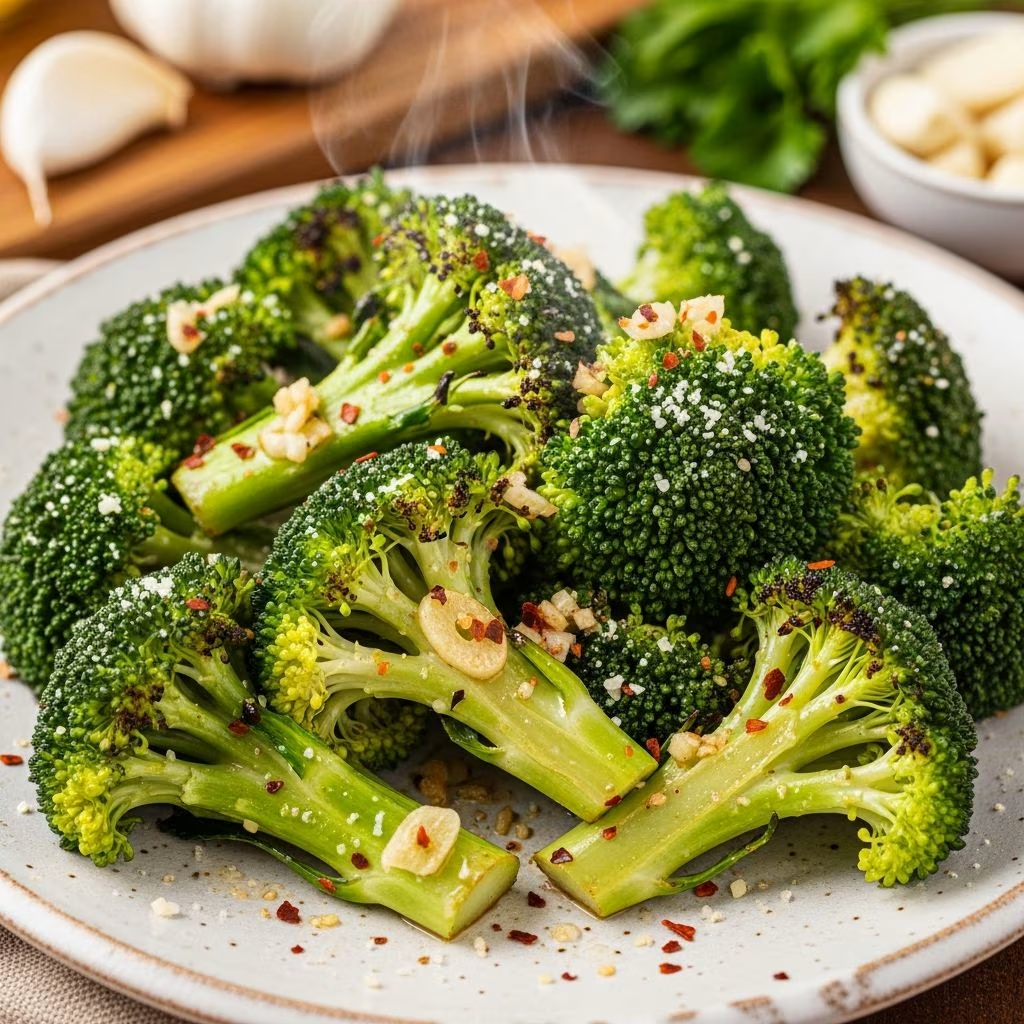
Creating a vibrant, flavorful vegetable side dish need not consume hours in the kitchen. Garlic broccoli represents one of the most efficient and satisfying options for home cooks seeking restaurant-quality results without the complexity. This guide explores the fundamentals of preparing this beloved dish, from ingredient selection through service, ensuring consistent success with every attempt.
Understanding the Core Components
The foundation of any successful garlic broccoli preparation rests on understanding how each ingredient contributes to the final dish. Rather than viewing these elements in isolation, consider how they work synergistically to create depth and balance.
The Vegetable Base
Fresh broccoli florets serve as the canvas for this dish. When selecting broccoli, choose heads with tightly clustered florets that display a vibrant green color, indicating freshness and optimal nutrient density. The florets should feel firm to the touch, suggesting they haven’t begun deteriorating. For those pressed for time, pre-cut florets from the grocery store offer convenience, though whole heads typically provide better value and superior texture.
Frozen broccoli presents a practical alternative when fresh options are unavailable. The primary distinction lies in texture—frozen broccoli tends toward softness compared to its fresh counterpart, though it remains nutritionally equivalent. If using frozen broccoli, skip the initial blanching step, as the freezing process has already softened the vegetable tissue.
Aromatics and Flavorings
Garlic forms the aromatic backbone of this preparation. Using fresh, minced garlic rather than pre-minced varieties ensures superior flavor development. The quantity matters significantly—six cloves provides substantial garlic presence without overwhelming the dish, though personal preference should guide your adjustment. Garlic must be treated with care during cooking, as it transitions rapidly from fragrant to burnt, fundamentally altering the dish’s character.
Soy sauce contributes saltiness and umami—that savory depth that makes food satisfying and crave-worthy. For gluten-conscious cooks, tamari offers an equivalent umami-packed substitute. Rice vinegar introduces brightness and acidity, cutting through richer elements and creating palatal balance. Toasted sesame oil adds subtle nuttiness; remember that this ingredient possesses concentrated flavor, so modest amounts suffice.
Sauce Architecture
Brown sugar rounds out the sauce’s flavor profile, introducing subtle sweetness that harmonizes with saltiness and acidity. White pepper contributes mild heat without the visual pepper specks that black pepper would introduce. Together, these components create a sauce that achieves the sought-after balance of salty, sweet, sour, and umami—the cornerstone of Chinese-inspired cuisine.
Preparation Methodology
Pre-Cooking the Broccoli
Before introducing broccoli to the wok or skillet, most recipes employ either blanching or steaming. This intermediate cooking step accomplishes multiple objectives simultaneously. First, it begins the softening process, reducing total cooking time significantly. Second, it sets the bright green color through enzymatic changes triggered by heat exposure. Third, it removes excess moisture, preventing a watery final dish.
Blanching involves submerging broccoli florets in boiling water for approximately two to three minutes. The florets should achieve a bright green appearance and become just tender to the tooth. Following this brief immersion, immediately transfer the broccoli to ice water to halt cooking and preserve color and crispness. This technique, known as shocking, prevents overcooking.
Steaming offers an alternative approach, particularly for those concerned about nutrient loss through water cooking. Steaming preserves more water-soluble vitamins while achieving similar textural results. Steam broccoli florets for approximately four to five minutes, depending on floret size, until they achieve the same bright green, just-tender stage.
Building Flavor Through Aromatics
Once broccoli preparation is complete, heat neutral oil in a large skillet or wok over medium heat. This temperature allows garlic to release its aromatic compounds without scorching. Once the oil shimmers, immediately introduce minced garlic, stirring constantly for approximately thirty seconds. This brief window demands attention—garlic can transition from fragrant to burnt with alarming speed, and burnt garlic imparts bitterness that ruins the entire dish.
Sauce Development
With garlic now fragrant and golden, add soy sauce, rice vinegar, brown sugar, white pepper, sesame oil, and water. Stir these components thoroughly, ensuring the sugar dissolves completely. Allow the mixture to reach a gentle simmer, which typically occurs within one to two minutes. This simmering stage permits flavors to meld while the sauce reduces slightly, concentrating tastes.
Creating Sauce Thickness
For a glossy, clinging sauce characteristic of restaurant-quality garlic broccoli, thickening agents prove essential. A cornstarch slurry—cornstarch combined with water in a separate container—provides reliable thickening without introducing lumps. Stir the slurry once more before adding it to the simmering sauce, as cornstarch settles. Pour slowly while stirring continuously, allowing the mixture to thicken over approximately one minute. The sauce should transform from thin liquid to glossy coating with noticeable shine and viscosity.
Final Assembly and Service
Add blanched or steamed broccoli to the finished sauce, tossing gently to coat each floret evenly. Allow the combination to cook for one additional minute, permitting the broccoli to absorb sauce flavors and reach optimal fork-tenderness. Taste and adjust seasoning with salt and black pepper as needed. Serve immediately while the dish maintains optimal temperature and texture, as garlic broccoli deteriorates in appeal when allowed to cool.
Ingredient Selection and Substitutions
| Component | Primary Option | Suitable Substitutes | Notes |
|---|---|---|---|
| Oil | Neutral oil (vegetable, canola) | Olive oil, peanut oil | Avoid strongly flavored oils that compete with garlic |
| Soy Sauce | Regular soy sauce | Tamari, coconut aminos | Adjust quantity with coconut aminos due to different saltiness |
| Vinegar | Rice vinegar | White vinegar, apple cider vinegar | Reduce quantity of stronger vinegars to avoid overpowering acidity |
| Sweetener | Brown sugar | Honey, white sugar, maple syrup | Liquid sweeteners may require slight sauce adjustment |
| Thickener | Cornstarch | Arrowroot powder, potato starch | Maintain 1:2 ratio with water for slurry |
Equipment Considerations
While a wok traditionally serves as the cooking vessel for this preparation, a large skillet achieves virtually identical results. The cooking surface should be sufficiently large to accommodate broccoli without overcrowding, which prevents even sauce coating and steaming rather than stir-frying. A cooking vessel with sloped sides facilitates easy tossing and stirring.
For pre-cooking broccoli, a standard pot with steamer basket offers convenience, though a simple colander and boiling water work equally well. A spatula or wooden spoon enables efficient stirring and folding of ingredients without bruising delicate florets.
Timing and Troubleshooting
Common Challenges
Watery sauce: If your finished sauce appears too thin, increase cornstarch slurry proportions in future attempts, or continue simmering to reduce excess liquid. Ensure broccoli is thoroughly drained before sauce application, as retained water dilutes the coating.
Burnt garlic flavor: This irreversible condition indicates heat was too high during the initial garlic-sautéing stage. Use medium heat exclusively, and remove the pan from direct heat if garlic appears to be browning too rapidly. Starting with fresh oil and garlic is the only remedy.
Tough broccoli: Extended cooking creates unpleasant texture. Ensure the initial blanching or steaming stage achieves the target just-tender stage, and limit the final wok cooking to precisely one minute. Broccoli continues cooking slightly through residual heat even after the pan is removed from the stove.
Bland flavor: Insufficient salt typically causes this issue. Taste before serving and adjust seasoning accordingly. Additionally, ensure you’re using fresh garlic and not skimping on its quantity—garlic forms the dish’s flavor foundation.
Flavor Variations and Enhancements
While the classic preparation stands perfectly well alone, several modifications expand the dish’s versatility. A modest quantity of chili flakes or chili crisp introduces heat and complexity for those favoring spicy preparations. Toasted sesame seeds scattered over the finished dish provide textural contrast and elevated visual appeal. Fresh ginger minced and sautéed alongside garlic contributes warm, spicy notes reminiscent of authentic Chinese preparation.
For those seeking additional protein, the basic sauce works excellently with chicken, tofu, or shrimp, transforming the side dish into a complete meal. Simply adjust cooking times according to protein type, ensuring broccoli reaches the desired tenderness simultaneously with your protein selection.
Nutritional Considerations
Broccoli contributes significant nutritional value to any meal. This cruciferous vegetable provides fiber, vitamin C, and compounds with potential anti-inflammatory properties. The blanching or steaming process, while reducing some water-soluble vitamins, still preserves substantial nutritional content while improving texture and color. Using modest oil quantities keeps the dish relatively light while maintaining the necessary cooking medium for flavor development.
Storage and Reheating
Garlic broccoli exhibits optimal flavor and texture when consumed immediately following preparation. However, leftovers can be refrigerated in an airtight container for up to three days. Reheating should occur gently over low heat, adding a splash of water if the sauce has thickened excessively during storage. Alternatively, broccoli and sauce can be combined while cold for a room-temperature salad, though this preparation differs substantially from the hot version in both texture and flavor profile.
Frequently Asked Questions
How can I prevent garlic from burning?
Use medium rather than high heat, add garlic only when oil is hot but not smoking, and stir constantly during the brief thirty-second sauté period. If you notice garlic browning too quickly, immediately remove the pan from heat and proceed with sauce ingredients.
Can I prepare broccoli in advance?
Yes, blanch or steam broccoli several hours ahead and refrigerate until ready to use. This advance preparation streamlines final assembly significantly. Allow refrigerated broccoli to return toward room temperature before combining with sauce for more even heat distribution.
What oil works best?
Neutral oils with high smoke points—vegetable, canola, or peanut oil—perform optimally. Extra-virgin olive oil, while healthful, imparts competing flavors and has a lower smoke point, making it less suitable for this preparation.
Is the cornstarch slurry necessary?
While not strictly mandatory, the slurry creates the characteristic glossy, clinging sauce that defines quality garlic broccoli. Skipping this step results in thinner sauce that pools at the dish’s bottom rather than coating each floret.
How do I achieve crispy-tender broccoli?
Blanch or steam broccoli to just-tender stage, then limit wok cooking to one minute. Avoid extended cooking periods that produce mushy texture. Pat broccoli dry before blanching to minimize excess moisture.
References
- Broccoli Preparation and Nutritional Guidelines — United States Department of Agriculture. 2024. https://www.usda.gov/
- Cornstarch Slurry Thickening Techniques — Culinary Institute of America. 2025. https://www.ciachef.edu/
- Chinese Cooking Techniques and Flavor Balancing — International Association of Culinary Professionals. 2025. https://www.iacp.com/
- Heat Management in Home Cooking — National Center for Home Food Preservation. 2024. https://nchfp.uga.edu/
- Vegetable Storage and Food Safety — Food and Drug Administration. 2025. https://www.fda.gov/