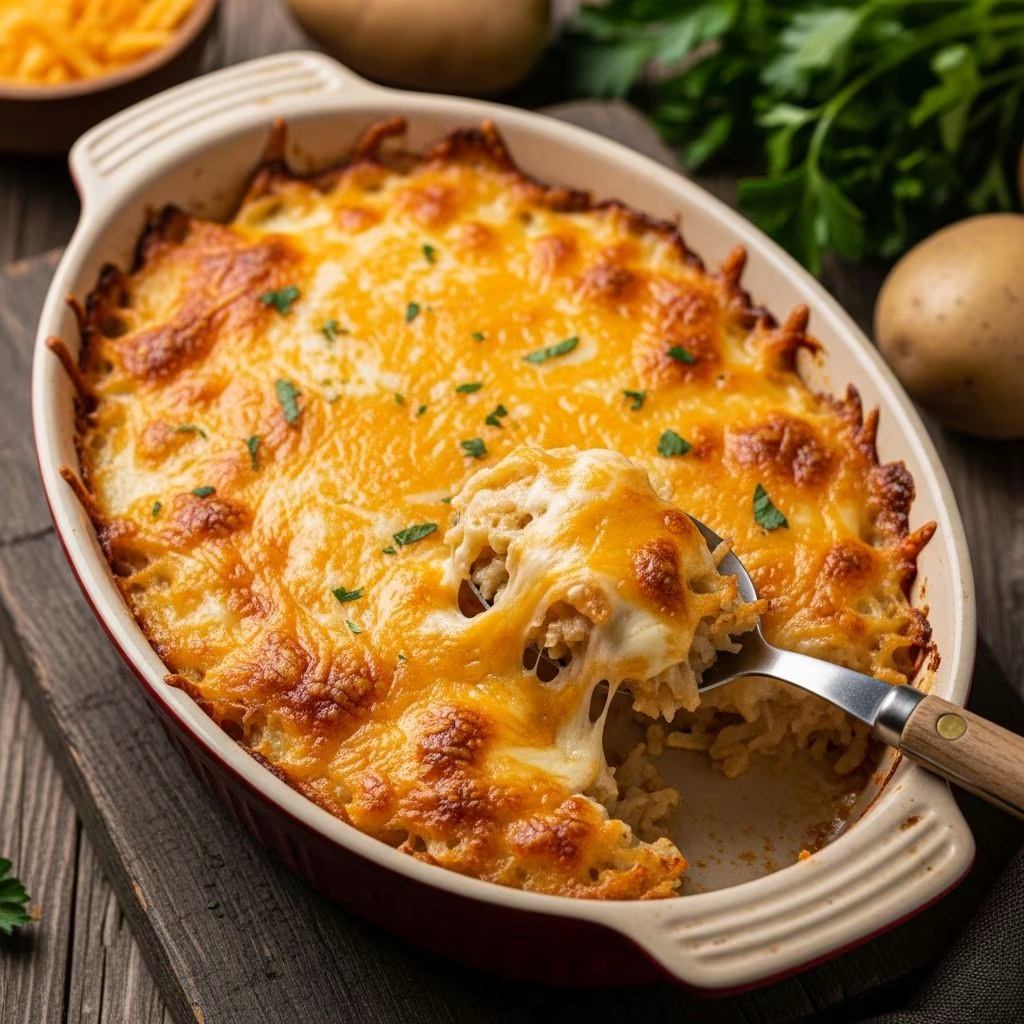
A beloved staple at family gatherings and community events, this creamy and indulgent potato dish has earned its place on tables across the country. Known by various names including funeral potatoes and cheesy hash brown casserole, this recipe combines simple pantry ingredients into a richly satisfying side dish that pairs well with virtually any main course. The beauty of this dish lies in its simplicity—straightforward components come together to create something genuinely comforting and delicious.
Understanding the Dish and Its Cultural Significance
This particular preparation method gained popularity as a practical solution for potluck contributions and large family meals. The combination of convenience ingredients with rich, creamy flavors made it an accessible option for home cooks seeking impressive results without elaborate technique. The dish’s versatility extends to its ability to be prepared ahead of time, making it invaluable for busy schedules and advance meal planning. Whether served alongside roasted chicken, ham, or other proteins, this casserole provides the kind of comfort that transcends generations and occasions.
Essential Ingredients for Building Flavor and Texture
Creating an excellent version of this casserole requires understanding how each ingredient contributes to the final result. The foundation begins with frozen hash browns, which provide the structural element and hearty base. Rather than using fresh potatoes requiring extensive preparation, frozen varieties offer convenience without sacrificing quality.
The creamy binding component typically consists of condensed cream soup, most commonly cream of chicken, though vegetarian adaptations substitute cream of mushroom or other varieties. This ingredient creates the cohesive sauce that coats every potato piece. Sour cream adds tang and additional richness, elevating the overall flavor complexity and creating an ultra-creamy texture throughout.
Cheese selection significantly impacts the final taste profile. Sharp cheddar cheese remains the traditional choice, offering pronounced flavor that doesn’t become muted during baking. The melted butter serves dual purposes—part gets mixed into the casserole base for internal richness, while the remainder combines with the topping ingredient.
Optional elements like diced onions contribute subtle aromatic depth without overwhelming the palate. Many contemporary versions also incorporate seasonings such as black pepper, garlic, and salt to enhance the overall flavor experience.
Ingredient Specifications for Optimal Results
- Frozen shredded hash browns (approximately 30-32 ounces), completely thawed and excess moisture drained if necessary
- One 10.5-ounce can of cream-based condensed soup
- Two cups sour cream for creamy consistency
- Two cups shredded cheese, preferably sharp varieties
- Half cup unsalted or salted butter, melted
- Half cup diced onion for optional aromatic enhancement
- Three to four cups corn flakes for the crispy topping layer
- Salt and ground pepper to taste
Step-by-Step Preparation Process
Initial Preparation and Oven Setup
Begin by preheating your oven to 350 degrees Fahrenheit. While the oven reaches temperature, prepare a 9 by 13-inch baking dish by lightly coating it with cooking spray or a thin layer of butter. This prevents sticking and ensures clean serving presentation.
Ensure your frozen hash browns are completely thawed before incorporating them into the mixture. If excessive moisture remains from thawing, gently squeeze the potatoes using a clean kitchen towel or paper towels to remove excess liquid. This step prevents a watery casserole and ensures proper texture development during baking.
Combining the Creamy Base
In a large mixing bowl, combine the thawed hash browns with the cream soup, sour cream, shredded cheese, and optionally diced onion. Add half of the melted butter to this mixture along with salt and pepper to taste. Mix thoroughly until every potato piece appears coated with the creamy mixture and ingredients are evenly distributed.
The key to successful combination involves gentle but thorough stirring. Overly aggressive mixing can break down the potatoes unnecessarily, while insufficient stirring leaves some portions underseasoned or unevenly coated. Aim for consistent texture throughout without pulverizing the potato pieces.
Arranging in the Baking Vessel
Transfer the combined mixture into the prepared baking dish, spreading it evenly across the bottom and sides. An offset spatula or the back of a spoon helps distribute the mixture uniformly, ensuring even cooking and consistent texture in every serving.
Creating the Crispy Topping Layer
Crush the corn flakes into coarse pieces—some whole flakes mixed with smaller fragments create the most appealing texture in the finished dish. In a separate small bowl, combine the crushed corn flakes with the remaining melted butter, stirring until the flakes become evenly coated. This buttery coating ensures even browning and prevents dry, burnt-tasting topping.
Distribute the buttered corn flake mixture across the surface of the potato casserole in an even layer. Some recipes call for generous application, while others prefer a more modest topping. Personal preference guides this decision, though adequate coverage ensures some crispy texture in each serving.
Baking and Timing
Place the casserole in the preheated 350-degree oven for 40 to 50 minutes. The casserole achieves doneness when the center bubbles visibly and the corn flake topping turns golden brown. This visual cue reliably indicates that the potato mixture has reached proper temperature throughout and the flavors have melded.
If you’ve assembled the casserole in advance and refrigerated it, add approximately 10 to 15 additional minutes to the baking time to account for the colder starting temperature.
Variations and Customization Options
Alternative Protein Additions
While delicious on its own, this casserole welcomes various mix-ins that expand its versatility. Crispy bacon pieces add savory depth and textural contrast. Diced ham integrates seamlessly into the creamy base. Ground sausage, browned before mixing, transforms the dish into a heartier component suitable for lighter main courses.
Cheese Selections Beyond Sharp Cheddar
Monterey Jack cheese provides milder flavor for those preferring less intensity. Gruyère adds sophisticated, nutty undertones. A combination approach—mixing sharp cheddar with a secondary cheese—creates layered complexity. Smoked varieties of cheddar impart distinctly different character while maintaining the essential creamy quality.
Vegetable Enhancements
Sautéed mushrooms contribute umami depth. Roasted red peppers add color and mild sweetness. Steamed broccoli or cauliflower increases nutritional value while maintaining the comforting nature of the dish. Fresh chives scattered before serving provide bright onion notes without the texture of raw diced onions.
Dietary Accommodations
For vegetarian versions, cream of mushroom soup replaces cream of chicken. Greek yogurt can partially substitute sour cream for higher protein content. Gluten-free cereal options replace traditional corn flakes for those with gluten sensitivity. Dairy-free alternatives exist for those avoiding conventional cheese and sour cream products.
Make-Ahead and Storage Guidance
Advance Preparation Strategies
This casserole’s make-ahead nature provides significant convenience for event planning. Assemble the complete mixture without the topping, transfer to the baking dish, cover tightly with aluminum foil or plastic wrap, and refrigerate overnight or up to two days. When ready to bake, add the corn flake topping and extend baking time by 10 to 15 minutes to account for the cold starting temperature.
Some cooks prepare the creamy base and refrigerate separately, adding the topping only before baking. This approach prevents topping sogginess that might occur during extended storage.
Leftovers and Storage Duration
Covered and refrigerated leftovers remain fresh for up to one week. Reheat covered portions in a 350-degree oven until warmed through, or use a microwave for individual servings. The topping may lose some crispness during storage, but the casserole itself maintains excellent quality throughout the storage period.
Troubleshooting Common Issues
| Problem | Likely Cause | Solution |
|---|---|---|
| Watery casserole texture | Excess moisture from potatoes or undrained soup | Squeeze thawed potatoes thoroughly; drain canned soup if particularly liquid |
| Underseasoned flavor | Insufficient salt or pepper added | Taste mixture before baking; adjust seasonings gradually |
| Soggy corn flake topping | Topping applied too early or casserole not fully cooked | Add topping only before baking; ensure casserole reaches proper doneness |
| Unevenly cooked potatoes | Casserole too thick or oven temperature inaccurate | Use accurate oven thermometer; spread mixture consistently |
| Burnt topping with undercooked center | Oven temperature too high | Verify oven temperature with thermometer; cover topping with foil if browning too quickly |
Serving Suggestions and Complementary Dishes
This casserole shines alongside roasted or grilled proteins. Herb-crusted chicken breasts, baked ham, or beef brisket all benefit from the creamy, cheesy accompaniment. Traditional holiday meals featuring turkey call for this dish as a reliable side. For casual family dinners, it works wonderfully with simple grilled burgers or hot dogs.
Fresh green salads provide contrasting freshness and acidity. Steamed green beans or roasted asparagus offer vegetable elements that balance the richness. Dinner rolls or cornbread complement the creamy casserole without competing for attention.
Frequently Asked Questions
Can I use fresh potatoes instead of frozen hash browns?
Yes, though it requires additional preparation. Peel and dice approximately 10 small potatoes, then parboil them until just beginning to soften. This approach offers freshness while maintaining cooking time similar to frozen varieties.
What if I don’t have corn flakes available?
Crushed potato chips, panko breadcrumbs mixed with butter, or crushed crackers create acceptable alternatives. Each provides textural contrast, though slight flavor variations result.
Is this casserole freezer-friendly?
Yes, before baking, wrap the assembled casserole tightly and freeze for up to three months. Thaw overnight in the refrigerator before baking with extended cooking time.
Can I prepare this in a slow cooker?
While unconventional, slow cooker preparation is possible. Cook on low for three to four hours, though achieving the crispy topping requires finishing under the broiler or in a traditional oven.
How do I adjust the recipe for a smaller gathering?
Reduce all ingredients proportionally and use a smaller baking dish such as an 8-by-8-inch square. Reduce baking time by approximately 10 to 15 minutes and monitor doneness carefully.
Conclusion
This straightforward yet satisfying casserole deserves its enduring popularity across diverse occasions and settings. The combination of accessible ingredients, minimal technical skill requirements, and impressive results makes it an excellent choice for both experienced and novice cooks. Whether prepared for holiday celebrations, casual family dinners, or potluck contributions, this creamy, cheesy potato dish consistently delivers comfort and satisfaction in every serving.
References
- Funeral Potatoes (Cheesy Hashbrown Casserole) — Mom Loves Baking. Accessed April 10, 2026. https://www.momlovesbaking.com/funeral-potatoes-cheesy-hashbrown-casserole/