Mastering the Art of Fruit-Filled Chicken Salad
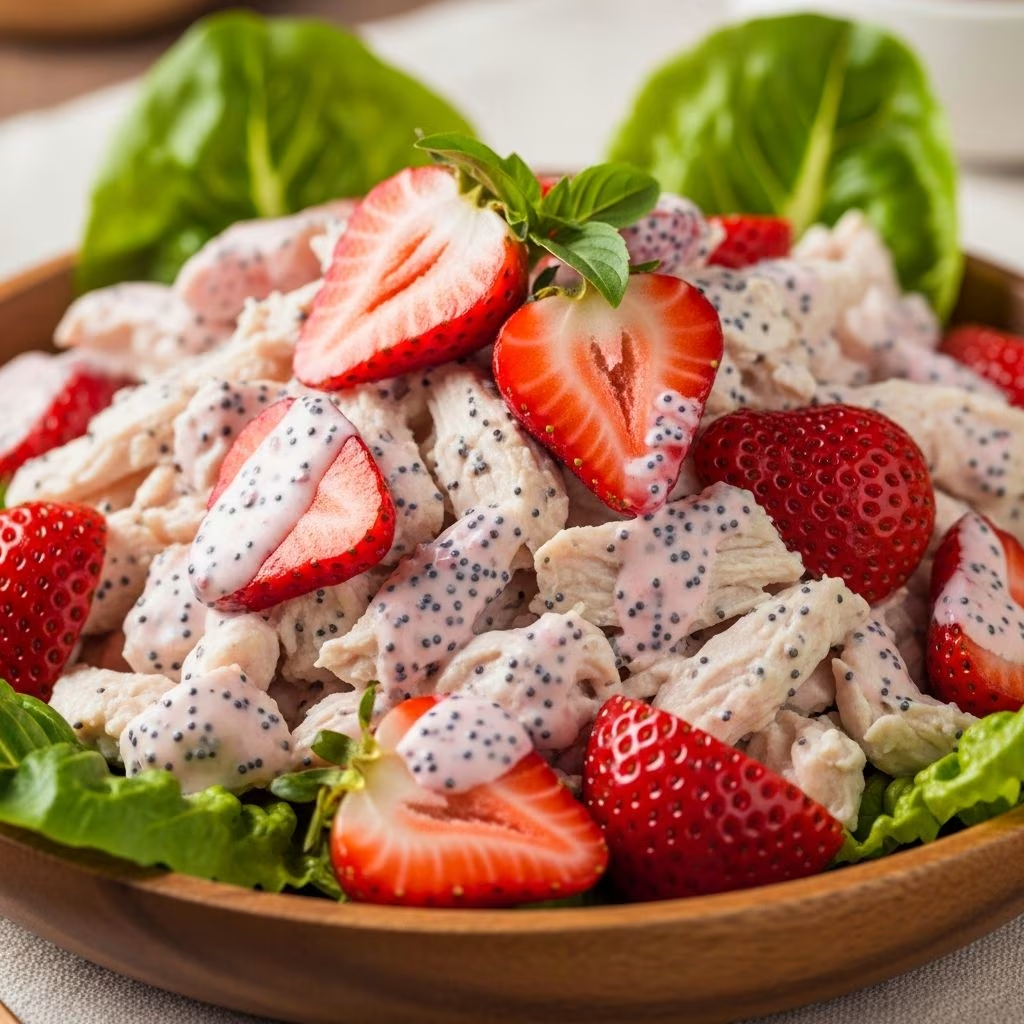
The combination of tender protein, crisp greens, and vibrant seasonal fruits creates a memorable dining experience that appeals to both health-conscious eaters and those seeking comfort food. This particular variation brings together grilled chicken breast with an assortment of berries, citrus fruits, and a distinctive sweet-tangy dressing that elevates the entire dish. The beauty of preparing this salad at home lies in complete control over ingredient quality and customization options that restaurant menus simply cannot match.
Understanding Your Base Ingredients
The foundation of any successful salad begins with quality greens. Romaine lettuce provides the ideal texture with its sturdy leaves that hold up well to dressing and frequent tossing without becoming soggy. Unlike delicate lettuces that wilt immediately, romaine maintains its structural integrity throughout the meal preparation and consumption process.
The protein component requires special attention during preparation. Grilled chicken breast offers lean protein while maintaining moisture when cooked properly. The key involves reaching the correct internal temperature of 165°F, which ensures food safety while preventing the dry, stringy texture often associated with overcooked poultry. Seasoning the raw chicken with complementary spices before grilling enhances flavor throughout the meat.
Fresh fruit selection makes this salad distinctive. Strawberries provide tartness balanced with natural sweetness, while blueberries add subtle earthiness and vibrant color contrast. Canned mandarin oranges offer convenience without sacrificing flavor, and their juice contributes to overall moisture and sweetness. Fresh pineapple chunks introduce tropical notes and additional textural variety through their fibrous structure.
Crafting the Signature Dressing
The poppyseed dressing represents the true star of this composition, transforming simple ingredients into something extraordinary. This emulsified mixture combines oil, vinegar, and sugar in specific proportions that create a balanced flavor profile. The inclusion of poppy seeds provides visual appeal and subtle nutty undertones that complement fruit flavors beautifully.
Creating the dressing requires understanding basic emulsion principles. Whisking oil and vinegar together breaks the oil into tiny droplets suspended throughout the vinegar base, creating the characteristic creamy appearance and texture. The addition of sweetener balances the vinegar’s acidity while orange juice adds brightness without overwhelming the subtle flavors of the mixed fruits and greens.
Proper preparation timing matters significantly. Preparing the dressing at least thirty minutes in advance allows flavors to develop and meld together, creating a more cohesive taste rather than distinct ingredient flavors. Storing the dressing in an airtight container prevents oxidation and maintains freshness for several days.
Building Flavor Through Ingredient Quality
Each component selection directly impacts the final result. When choosing romaine lettuce, look for bright green color and firm texture, avoiding any yellowed or wilted areas. Selecting firm strawberries free from soft spots ensures they maintain their structure and sweetness throughout the meal. Fresh pecans taste noticeably superior to stale nuts, so consider purchasing smaller quantities more frequently.
The decision between fresh and canned fruits involves practical considerations. Fresh pineapple requires cutting but offers superior texture and flavor intensity. Canned mandarin oranges provide convenience and consistent sweetness, though their juice content may be higher than preferred. Frozen berries work acceptably if fresh options are unavailable, though they release additional moisture that may dilute the dressing.
Grilling methodology affects chicken quality considerably. A properly preheated grill creates sear marks that develop flavor through the Maillard reaction, a chemical process that creates complex, savory tastes. This browning process also seals the exterior, helping retain moisture within the meat.
Assembly and Presentation Techniques
The order in which ingredients combine influences both appearance and flavor distribution. Beginning with a bed of lettuce provides structural support for heavier ingredients. Layering chicken strips and fruit creates visual interest and ensures each bite contains multiple flavor components rather than accumulating all fruit or all protein in one portion.
Pecans should be distributed evenly throughout rather than concentrated in one area. This ensures consistent texture and prevents the salad from feeling heavy in any single spot. Consider lightly toasting nuts before assembly, which intensifies their natural flavors through the same browning process that enhances grilled chicken.
Dressing application timing affects the eating experience. Adding dressing just before serving maintains crispness and prevents soggy lettuce. However, some prefer pre-dressing individual components to ensure even flavor distribution. A middle ground involves dressing the bottom layer of lettuce while leaving upper portions of greens and fruit relatively dry.
Customization and Variation Options
This salad readily adapts to personal preferences and dietary requirements:
- Protein alternatives: Turkey breast provides similar nutritional benefits with slightly different flavor, while grilled tofu satisfies vegetarian requirements
- Dressing modifications: Greek yogurt-based versions reduce oil content, while vinaigrette alternatives offer lighter options
- Fruit substitutions: Raspberries replace strawberries for tartness, while diced peaches introduce summery sweetness
- Nut variations: Slivered almonds offer delicate texture, while walnuts provide earthier flavor profiles
- Additional vegetables: Red onion adds sharpness, while radishes introduce peppery notes
Nutritional Considerations and Health Benefits
This salad composition provides substantial nutritional value through multiple food groups. Grilled chicken breast supplies complete protein containing all essential amino acids necessary for muscle maintenance and tissue repair. Fresh fruits contribute vitamins, minerals, and dietary fiber that support digestive health and overall wellness.
The inclusion of pecans provides healthy monounsaturated fats that support cardiovascular health. These nuts also contain minerals including copper, manganese, and zinc that participate in various metabolic processes. Romaine lettuce offers vitamins K and A, which support bone health and vision respectively.
Managing calorie content involves controlling dressing quantity, as oil-based dressings concentrate calories in small volumes. Using dressing on the side allows individual control over portion sizes, enabling lighter or more indulgent versions based on personal preference and dietary goals.
Preparation and Meal Planning Strategies
This salad adapts well to meal preparation routines common among busy professionals and families. Most components remain fresh for three to four days when stored properly in airtight containers. However, dressing should be stored separately to prevent vegetable wilting.
Preparing chicken in advance using batch cooking methods ensures this protein is readily available for multiple meals throughout the week. Washing and chopping vegetables the day before assembly streamlines preparation when serving time arrives. Keeping dressing in a separate jar allows quick assembly of salads requiring only a few minutes of effort.
Portioning ingredients into individual containers transforms this recipe into convenient grab-and-go meals. This approach proves particularly useful for office lunches or casual entertaining where guests can select dressing amounts according to personal preference.
Serving Occasions and Entertaining Ideas
The visual appeal and balanced nutrition make this salad suitable for numerous occasions. Summer outdoor gatherings benefit from its refreshing fruit components and light dressing, particularly during warm months when heavy meals feel inappropriate. The colorful presentation automatically enhances table settings without requiring additional garnishes or decorations.
Lunch service benefits from this salad’s substantial protein content and satisfying combination of textures. Unlike lighter salads that may leave diners hungry, the chicken and nuts provide satiety lasting several hours. The fruit elements add psychological satisfaction through natural sweetness, reducing cravings for desserts or additional snacks.
Entertaining small groups becomes simpler when preparing components in advance. Guests can assemble individual salads from displayed ingredients, creating interactive dining experiences. This approach also accommodates diverse dietary preferences as vegetarians can omit chicken while others can adjust fruit components according to personal taste.
Equipment and Kitchen Tools
Creating this salad requires minimal specialized equipment. A grill or grill pan handles chicken preparation, though a skillet or stovetop method works acceptably if outdoor grilling is unavailable. A sharp knife facilitates clean fruit cutting that preserves juices and nutrients better than crushing or tearing.
Measuring spoons and cups ensure dressing ingredients combine in proper proportions, creating consistent results across multiple batches. A small bowl suitable for whisking combines dressing components efficiently. Large salad bowls provide adequate surface area for mixing and tossing all elements together.
Common Preparation Mistakes to Avoid
Undercooking chicken presents food safety concerns while overcooking produces dry, unpleasant texture. Using a meat thermometer eliminates guesswork by confirming the protein reaches proper temperature throughout. Allowing cooked chicken to rest before slicing retains juices that would otherwise leak away during cutting.
Adding dressing too far in advance wilts vegetables and dulls presentation. Pre-dressing individual components meant for immediate consumption works better than combining everything hours beforehand. Chopping fruit too early causes oxidation that darkens surfaces, though lemon juice application slows this process.
Neglecting to pat chicken dry before grilling prevents proper browning, resulting in pale appearance and missed flavor development. Similarly, damp lettuce dilutes dressing and prevents even distribution across salad components.
Storage and Shelf Life Recommendations
Proper storage extends the useful life of prepared components significantly. Raw chicken must be refrigerated immediately and used within two days for safety and quality. Cooked chicken remains fresh for three to four days when stored in sealed containers at temperatures below 40°F.
Fresh fruits vary in longevity depending on ripeness at purchase. Strawberries typically last three to five days, while blueberries maintain quality for seven to ten days when stored in breathable containers. Cutting fruit in advance accelerates deterioration, so whole fruits should be stored until shortly before assembly.
The prepared dressing stores reliably for one to two weeks in sealed containers, making it convenient to prepare larger batches for multiple salads throughout the week. The vinegar acts as a natural preservative that inhibits bacterial growth.
Frequently Asked Questions
Can this salad be made without grilled chicken?
Yes, the salad works equally well with roasted chicken, rotisserie chicken from grocery stores, or as a vegetarian version using chickpeas or tofu for protein. The fruit and dressing provide substantial flavor even without meat components.
How far in advance can I prepare this salad?
Individual components can be prepared one day ahead and stored separately. Assembly should occur shortly before serving to maintain optimal texture and freshness. Dressing must be stored separately to prevent vegetable wilting.
Is this salad suitable for meal prepping?
Absolutely. Store lettuce, chicken, and fruit in separate containers for up to four days. Assemble salads in the morning for lunch service. Dressing can be added just before eating or combined the night before if you prefer softer greens.
What dressing alternatives work with this salad?
Greek yogurt-based poppyseed dressings reduce calorie content, while honey mustard vinaigrettes offer different flavor profiles. Balsamic vinegar dressing complements the fruit elements beautifully for those preferring tangier options.
Can frozen fruit be substituted for fresh?
Frozen berries work acceptably but release additional moisture upon thawing. Use them only if fresh options are unavailable, and drain excess liquid before adding to the salad to prevent diluting the dressing.
References
- Poultry Safety Guidelines — United States Department of Agriculture Food Safety and Inspection Service. 2024. https://www.fsis.usda.gov/food-safety/safe-food-handling-and-preparation/food-safety-basics/safe-internal-temperatures
- Nutrition Facts: Pecans — United States Department of Agriculture FoodData Central. 2024. https://fdc.nal.usda.gov/
- Fresh Produce Storage Recommendations — University of California Cooperative Extension Agriculture and Natural Resources. 2023. https://ucanr.edu/