The Garibaldi represents one of the most understated yet sophisticated cocktails in the mixologist’s repertoire. Born from Italian tradition and refined through contemporary bartending practices, this aperitif-style drink combines the distinctive bitterness of Campari with the bright acidity of fresh citrus. When transformed into a frozen variation, the Garibaldi becomes an ideal refreshment for warm weather entertaining, casual gatherings, or sophisticated dinner parties. Understanding the fundamentals of this classic preparation allows home bartenders to recreate the experience of premium cocktail lounges within their own kitchens.
Understanding the Core Components
Every exceptional cocktail begins with an understanding of its fundamental ingredients and their individual characteristics. The Garibaldi relies on a carefully balanced interplay between three essential elements, each contributing distinctive flavor profiles and textural qualities to the final drink.
Campari: The Heart of the Drink
Campari serves as the defining spirit in this cocktail, providing both color and character. This Italian aperitif liqueur carries a distinctive bitter profile with subtle herbal undertones, featuring a complex blend of botanical infusions. The spirit’s deep crimson hue creates visual appeal in any glass, while its characteristic bitterness stimulates the palate and enhances digestive functions. When selecting Campari for your frozen preparation, understanding its role as the primary flavor anchor helps explain why proportions matter significantly in achieving balance.
Fresh Citrus Expression
Orange juice forms the secondary pillar of this cocktail, offering brightness, acidity, and natural sweetness that counterbalances Campari’s assertiveness. The quality of citrus selection directly impacts the final product’s character. Fresh-squeezed orange juice provides superior flavor complexity compared to concentrated or bottled alternatives. The natural sugars and oils present in freshly pressed oranges create a more authentic and vibrant foundation for your frozen drink. Selecting properly ripened, high-quality oranges ensures you capture the full spectrum of citrus aromatics that elevate the entire experience.
Prosecco or Sparkling Element
Some variations incorporate sparkling wine or prosecco as a tertiary component, introducing effervescence and delicate floral notes. This addition creates a lighter, more celebratory interpretation of the traditional formula. When frozen, the prosecco element becomes less prominent but still contributes subtle complexity and an enhanced sensation of refreshment upon consumption.
The Freezing Technique: Methods and Best Practices
Transforming the Garibaldi into a frozen preparation requires thoughtful consideration of freezing methods and timing. Unlike blended cocktails that rely on mechanical ice crushing, the frozen Garibaldi typically achieves its ideal temperature and consistency through careful pre-chilling and strategic ice usage.
Pre-Chilling Your Glassware
Begin your preparation by placing your chosen serving glass in a freezer for a minimum of fifteen minutes before combining ingredients. This foundational step prevents rapid ice melt upon contact with room-temperature components. A properly chilled glass maintains your cocktail’s ideal serving temperature throughout consumption, enhancing the overall experience and preventing dilution from occurring too quickly.
Building the Frozen Foundation
Fill your pre-chilled highball glass with ice, then measure approximately one and one-half ounces of Campari into the glass. The ice acts as both a cooling agent and a dilution mechanism, gradually releasing water as the drink is consumed to achieve proper balance. Pour approximately four ounces of fresh orange juice directly over the ice, stirring gently to combine the ingredients while allowing the ice to partially melt and create the proper dilution ratio. This technique differs significantly from shaking methods, as the gentle stirring approach preserves the delicate balance of flavors while achieving the desired frozen texture.
Ingredient Selection and Quality Considerations
The distinction between an adequate cocktail and an exceptional one often rests entirely on ingredient selection and sourcing practices. Each component deserves careful consideration before purchase and preparation.
Sourcing Premium Campari
While Campari remains readily available at most liquor retailers, understanding the product’s origins enhances your appreciation for the ingredient. Produced continuously since the mid-nineteenth century in Italy, Campari maintains consistent quality standards across commercial offerings. The standard 48-proof bottling provides the ideal balance for cocktail applications, offering sufficient alcohol content without overwhelming the citrus components. Avoid purchasing aged stock that may have experienced temperature fluctuations or excessive light exposure, as these factors degrade the spirit’s vibrant character.
Selecting and Processing Oranges
The quality of your orange selection directly determines the cocktail’s flavor trajectory. Choose oranges with thin skin and substantial heft, indicating higher juice content. Blood oranges offer an intriguing alternative, providing deeper color and more complex flavor profiles alongside the traditional option. Press your juice immediately before service to maximize aromatic compounds and prevent oxidation from diminishing flavor intensity. Avoid pre-packaged juices, as pasteurization and storage practices significantly compromise the vibrant character essential to this preparation.
Ice Quality and Preparation
The ice you employ in this cocktail serves critical functions beyond simple temperature reduction. Clear, well-formed ice cubes melt slowly and dilute your drink at an appropriate pace, preventing over-dilution during service. Consider investing in quality ice-making practices, using filtered water and proper molds to create optimal ice cubes. Alternatively, many bartending supply retailers offer premium ice products specifically formulated to enhance cocktail applications.
Serving Presentation and Glassware Selection
The visual presentation of your Garibaldi contributes significantly to the overall drinking experience. Selecting appropriate glassware and garnishes elevates the preparation from casual to refined.
Glass Choices
The traditional serving vessel for a Garibaldi consists of a small highball or rocks glass, typically holding eight to ten ounces of liquid. This size allows adequate space for ice while maintaining proper proportions between spirit, juice, and other components. The glass’s straight sides provide an elegant canvas for appreciating the cocktail’s distinctive coloring, where deep crimson mingles with golden orange. Some bartenders prefer the slightly larger highball format, which accommodates additional ice and extended drinking sessions.
Garnishing Techniques
An orange wedge serves as the traditional garnish, positioned on the glass rim for visual appeal and aromatic contribution. Select a portion of orange with intact rind, as this element releases essential oils when gently squeezed over the drink’s surface. Some contemporary interpretations incorporate orange twists, creating a more dramatic presentation while maintaining the same aromatic benefit. Position your garnish strategically to encourage interaction, inviting the drinker to integrate the citrus elements actively into their consumption experience.
Variations and Creative Interpretations
While the traditional formula remains timeless, creative bartenders continue developing innovative interpretations that respect the original while introducing novel dimensions.
Spagliato Style Preparations
The spagliato variation, meaning “splashed” in Italian, represents a lighter interpretation incorporating prosecco or sparkling wine. This preparation maintains the Campari and orange base while introducing effervescence and delicate floral characteristics. The sparkling element creates a more celebratory atmosphere suitable for brunch settings or festive occasions. The proportional adjustment typically involves reducing the orange juice volume slightly to accommodate the prosecco addition while maintaining balanced flavor development.
Herbal and Botanical Enhancements
Adventurous home bartenders might experiment with herbal infusions, introducing fresh rosemary, basil, or mint elements to complement the Campari’s botanical base. These additions create sophisticated flavor layering without overwhelming the original formula. Consider steeping fresh herbs in your orange juice for several hours before preparation, allowing aromatic compounds to develop naturally. Remove botanical matter before mixing with other ingredients to maintain clarity and prevent undesired bitterness.
Temperature and Texture Variations
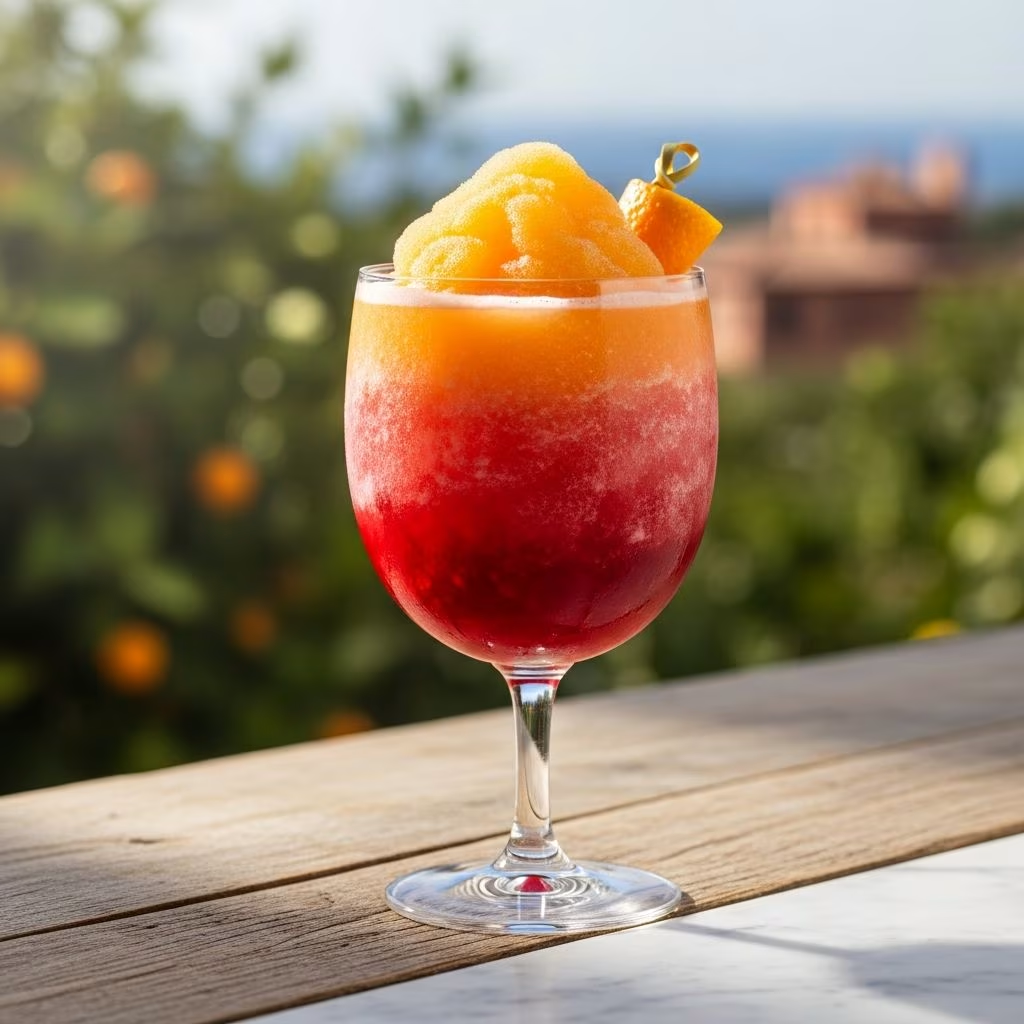
Some interpretations employ mechanical blending techniques, creating entirely frozen preparations resembling slushies or Italian ice beverages. These methods incorporate all liquid ingredients directly into a blender with substantial ice, creating smooth, fully frozen textures. While departing somewhat from traditional methodology, this approach offers unique appeal for outdoor entertaining or exceptionally warm weather conditions.
Pairing Suggestions and Serving Occasions
Understanding appropriate occasions and complementary food pairings enhances the Garibaldi’s versatility as a cocktail selection.
Aperitif and Pre-Dinner Service
The Garibaldi excels as an opening drink before meals, its bitterness stimulating digestive processes and preparing the palate for subsequent food courses. Serve this cocktail during the hour preceding dinner service, allowing guests to enjoy the drink’s refreshing qualities while mingling and conversing. The moderate alcohol content ensures that aperitif consumption doesn’t impair social interactions or interfere with the evening’s subsequent dining experience.
Culinary Partnerships
The Garibaldi pairs exceptionally well with light Mediterranean fare, including fresh seafood preparations, vegetable-forward dishes, and citrus-influenced cuisine. The drink’s bitterness complements fatty fish varieties, while its acidity cuts through richer preparations. Italian antipasti platters benefit particularly from Garibaldi service, creating a cohesive flavor narrative that celebrates shared culinary traditions.
Common Mistakes to Avoid
Even experienced bartenders occasionally stumble on technical details that undermine final results. Awareness of common pitfalls helps ensure consistent excellence in your home preparations.
- Neglecting proper glassware pre-chilling, resulting in rapid melting and over-dilution
- Substituting bottled or concentrate juices for fresh-pressed alternatives, compromising flavor complexity
- Over-proportioning Campari, creating excessively bitter results that alienate casual cocktail enthusiasts
- Failing to stir adequately during preparation, preventing proper mixing of components
- Using low-quality ice that melts rapidly and clouds your drink’s appearance
- Adding garnishes immediately before service rather than squeezing essential oils over the drink’s surface
Frequently Asked Questions
What alcohol content should I expect from a Garibaldi cocktail?
A standard Garibaldi prepared with 1.5 ounces of 48-proof Campari and 4 ounces of orange juice yields an alcohol by volume of approximately 8-10%, making it a relatively light spirit-forward cocktail suitable for extended consumption.
Can I prepare Garibaldi cocktails in advance for gatherings?
While pre-mixing Campari and orange juice creates a concentrate suitable for storage, the optimal experience requires adding ice and serving individually immediately before consumption. This approach preserves carbonation in prosecco variations and prevents excessive dilution from occurring during storage periods.
What alternatives exist if Campari is unavailable?
While not identical, Aperol provides a lighter, less bitter alternative that creates a distinctly different but similarly refreshing cocktail. Some bartenders employ Cynar or other Italian aperitifs, though these variations create substantially different flavor profiles from the traditional preparation.
How should I store Campari between uses?
Keep Campari in a cool, dark location away from direct sunlight and temperature fluctuations. Once opened, the bottle maintains quality for extended periods provided it remains sealed properly. The high alcohol content prevents spoilage concerns that affect lower-proof beverages.
Can I batch-prepare a frozen Garibaldi for large groups?
Yes, multiply your recipe proportions by the number of servings desired and combine all ingredients in a large pitcher filled with ice. Allow the mixture to chill for several minutes, then distribute into individual glasses filled with fresh ice. This approach simplifies service while maintaining quality standards across multiple servings.
Conclusion
The frozen Garibaldi represents an accessible yet sophisticated cocktail suitable for bartenders at any skill level. By understanding fundamental ingredient characteristics, mastering essential preparation techniques, and respecting traditional proportions while embracing creative innovation, home enthusiasts can reliably produce drinks worthy of premium establishments. Whether served as an elegant aperitif or enjoyed during casual outdoor entertaining, this Italian-inspired preparation continues captivating palates through its perfect balance of bitter, acidic, and refreshing elements. Invest time in sourcing quality components, practice essential techniques, and remain open to thoughtful experimentation as you develop mastery over this timeless cocktail formula.
References
- Campari Official History and Production — Campari Group. https://www.campari.com/en
- The Joy of Mixology: Bartender Manual — International Bartenders Association. https://www.iba-world.com/