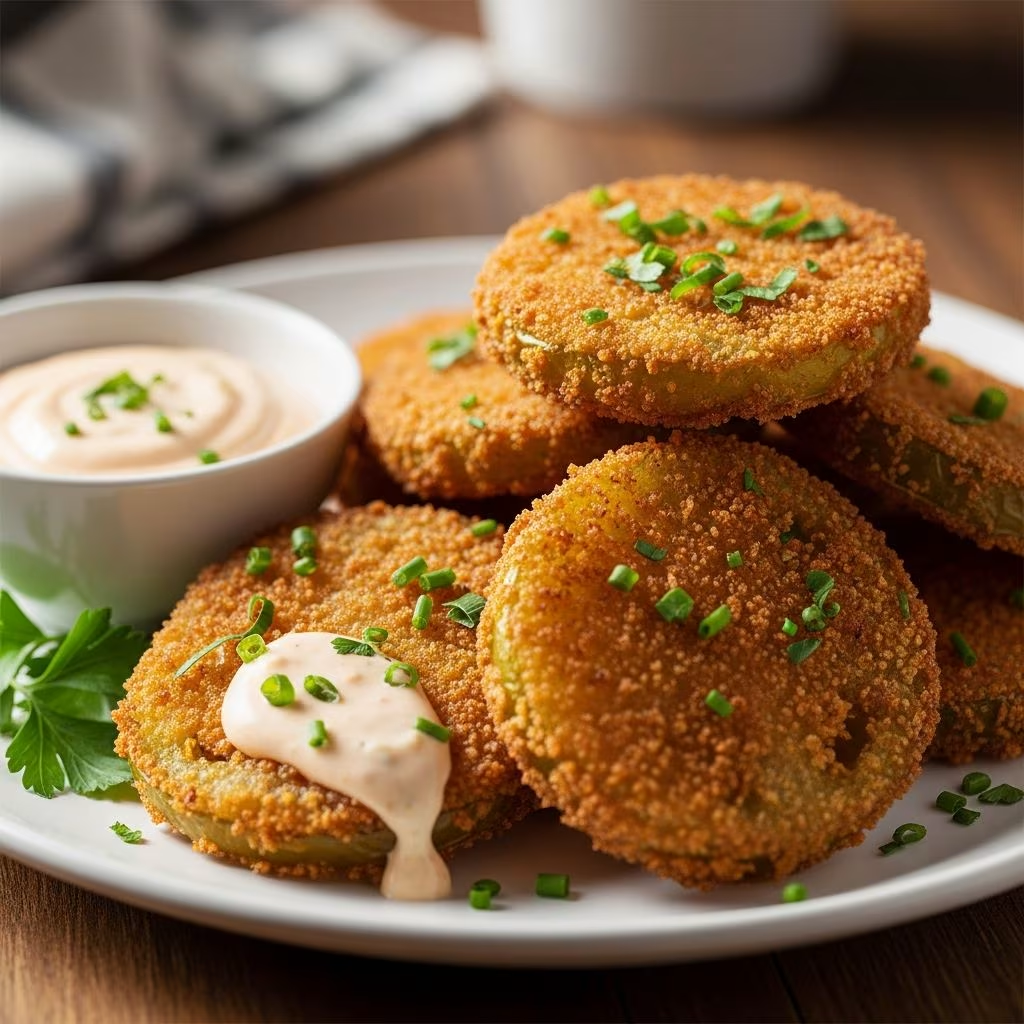
Fried green tomatoes represent one of the most beloved Southern culinary traditions, combining simple ingredients into a dish that delivers remarkable texture and flavor complexity. This preparation method transforms underripe tomatoes into a delectable appetizer or side dish that appeals to both traditional cooks and modern food enthusiasts. The contrast between the crispy, golden exterior and the tender, slightly tart interior creates a memorable eating experience that explains why this dish has remained popular for generations.
Understanding Green Tomatoes and Their Culinary Potential
Green tomatoes differ significantly from their fully ripened counterparts in both flavor profile and texture. These unripe fruits contain higher acid levels and firmer flesh than mature red tomatoes, making them ideal candidates for frying. The firmness prevents them from becoming mushy during the cooking process, while the acidity provides a pleasant tanginess that balances the richness of the fried coating. Selecting tomatoes that are completely green and firm to the touch ensures the best results.
The size of the tomatoes matters considerably when planning your preparation. Medium-sized tomatoes offer the optimal surface area for coating while maintaining proper thickness for even cooking throughout. Extremely large tomatoes may require longer frying times that could result in an overcooked exterior before the interior reaches the correct temperature. Room temperature tomatoes slice more cleanly and maintain better structural integrity during the dredging and frying processes compared to cold ones.
Essential Ingredients and Their Functions
Creating authentic fried green tomatoes requires understanding how each ingredient contributes to the final product. The coating system relies on multiple components working together to achieve the desired textural qualities.
The Coating Components
- All-purpose flour: Serves as the foundational layer that helps subsequent coatings adhere properly to the tomato surface. The flour absorbs some surface moisture and creates a base for egg adhesion.
- Cornmeal: Provides the distinctive crunch and golden color characteristic of traditional fried green tomatoes. Yellow cornmeal offers superior visual appeal and slightly more robust flavor compared to white varieties.
- Breadcrumbs: Optional but beneficial addition that creates additional textural layers and enhances the golden-brown appearance. Panko breadcrumbs deliver superior crunchiness compared to conventional breadcrumbs.
- Eggs: Act as the binding agent that suspends flour and other dry ingredients onto the tomato surface. The egg wash must cover the entire surface to ensure proper coating adhesion.
- Buttermilk or milk: Combined with eggs to create a thin egg wash that promotes even coating distribution without creating thick, heavy layers.
Seasonings and Flavor Enhancers
Salt and black pepper form the foundation of the seasoning profile, with many recipes incorporating additional elements like garlic powder, cayenne pepper, or paprika for enhanced flavor complexity. These seasonings penetrate both the coating and the tomato flesh during preparation, ensuring flavor consistency throughout the dish. The ratio of seasoning should be balanced to complement the natural acidity of green tomatoes without overwhelming their delicate flavor.
Preparation Techniques for Success
Slicing and Initial Preparation
Cutting tomatoes into uniform slices of approximately one-quarter inch thickness ensures consistent cooking throughout the batch. Thinner slices may become excessively crispy and lose their tender interior, while thicker pieces risk remaining undercooked in the center. Using a sharp knife and employing a steady slicing motion prevents crushing the tomato flesh and maintains structural integrity.
Some traditional methods involve salting tomato slices and allowing them to rest in a colander for ten to fifteen minutes before cooking. This technique draws out excess moisture, which can prevent proper browning and create a greasier final product. After this resting period, blotting the slices thoroughly with paper towels removes surface moisture without affecting the interior texture.
The Three-Step Dredging System
The dredging process requires organization and precision to ensure consistent coating coverage. Setting up three shallow bowls or plates containing flour, the egg wash mixture, and the cornmeal-breadcrumb combination streamlines the procedure and prevents cross-contamination between components.
The sequence begins by pressing tomato slices into the flour, ensuring both sides receive complete coverage. This flour base provides crucial adhesion for the subsequent egg wash layer. Moving to the egg wash bowl requires coating both sides thoroughly before proceeding to the final coating station. The dry mixture in the final bowl should be pressed gently onto each slice to create a compact, even layer that will fry evenly and develop consistent color.
Oil Selection and Temperature Management
The choice of frying oil significantly impacts both the flavor and the success of the cooking process. Vegetable oil, canola oil, and peanut oil all work effectively due to their high smoke points and neutral flavor profiles. Oils with lower smoke points or distinctive flavors can impart unwanted tastes to the finished dish.
Maintaining proper oil temperature represents one of the most critical factors in achieving ideal texture. The oil temperature should reach between 350 and 375 degrees Fahrenheit before introducing coated tomato slices. A cooking thermometer provides accurate temperature verification rather than relying on visual cues alone. If the oil temperature drops too low, the tomatoes will absorb excessive oil and become greasy rather than crispy. Conversely, excessively hot oil can burn the exterior coating before the interior cooks properly.
Cast iron skillets prove superior to non-stick cookware for this preparation due to their superior heat retention and ability to withstand the high temperatures required for proper frying. The depth of the skillet should accommodate at least one inch of oil with adequate clearance to prevent overflow when tomato slices enter.
Cooking Process and Timing
Working in small batches prevents oil temperature from dropping dramatically when cold tomato slices enter the pan. Overcrowding the cooking vessel reduces oil temperature significantly and prevents proper browning of all surfaces. Generally, two to four slices at a time allows adequate space for heat circulation and proper browning development.
Each slice requires approximately two minutes per side, though exact timing varies based on oil temperature, slice thickness, and burner intensity. The first side should develop a rich golden-brown color before carefully flipping with tongs or a slotted spatula. The second side typically requires slightly less time than the first side to achieve matching color.
Once both sides reach the desired golden-brown appearance, removing the tomato slices to a paper towel-lined plate immediately stops the cooking process. Allowing the fried tomatoes to rest on paper towels for a few minutes permits excess oil drainage, resulting in a crisper final product.
Alternative Cooking Methods
Air Fryer Preparation
Modern cooking equipment offers alternative methods for creating fried green tomatoes with reduced oil content. The air fryer method begins with the same dredging process, but requires an additional step of lightly spraying both sides of coated tomato slices with cooking oil spray. This oil coating replaces the oil immersion used in traditional frying.
Air frying occurs at 390 degrees Fahrenheit for approximately four to five minutes on the first side until the top surface turns golden brown. Carefully flipping the slices and air frying for an additional two to three minutes completes the cooking process. While the texture differs slightly from deep-fried versions, air fryer preparation produces satisfactory results with substantially less oil consumption.
Serving and Accompaniment Suggestions
Fried green tomatoes pair excellently with various condiments that complement their slightly tart flavor and rich, crispy texture. Traditional remoulade sauce combines mayonnaise with pickled relish, capers, and seasonings to create a tangy, complex accompaniment. Simple buttermilk-based dipping sauces offer a lighter alternative that emphasizes the natural tomato flavor.
These fritters transform into satisfying sandwiches when layered between bread slices with lettuce, crispy bacon, and additional condiments. The textural contrast between the crispy exterior and tender tomato interior makes them equally appealing as standalone appetizers or incorporated into composed dishes.
Troubleshooting Common Issues
Greasy or Oil-Saturated Results
Excessively greasy fried green tomatoes typically result from oil temperatures that are too low during cooking. Allowing oil to reach the proper 350-375 degree range ensures the coating seals quickly, preventing oil absorption into the interior. Additionally, excessive coating thickness can trap oil during the frying process; pressing coating layers gently prevents buildup.
Uneven Browning or Pale Coating
Inconsistent browning often occurs when oil temperature fluctuates during batch cooking. Allowing the oil to return to the target temperature between batches prevents this issue. Uneven slicing thickness also contributes to browning variations, making consistent slice dimensions essential.
Soggy or Mushy Interior
Overcooking represents the primary cause of mushy interiors, which can result from excessive frying time or insufficiently high oil temperature requiring extended cooking. Following the two-minutes-per-side guideline and verifying oil temperature prevents this problem. Proper moisture removal through salting and blotting beforehand also contributes to better texture maintenance.
Storage and Make-Ahead Considerations
Fried green tomatoes are best consumed immediately while the coating remains crispy and the interior maintains optimal temperature. However, coated but uncooked tomato slices can be prepared several hours in advance and refrigerated until cooking time. This preparation flexibility allows for simplified last-minute cooking when serving guests.
Leftover fried green tomatoes can be stored in an airtight container in the refrigerator for up to two days, though the coating will lose some crispness during storage. Reheating in a 350-degree oven for approximately five minutes restores some textural qualities without the drying effects of microwave reheating.
Frequently Asked Questions
Can I use red tomatoes instead of green ones?
Red tomatoes contain higher water content and softer flesh than green varieties, making them less suitable for frying. They tend to become mushy during cooking and lack the pleasant tartness that characterizes green tomato preparations.
What type of cornmeal works best?
Yellow cornmeal is preferred over white varieties due to superior visual appeal and slightly more robust corn flavor. Polenta or very coarse cornmeal may produce an overly textured coating, while fine cornmeal sometimes becomes gummy; medium-ground cornmeal offers the optimal consistency.
Can I prepare the coating mixture ahead of time?
The dry coating ingredients can be combined several hours in advance and stored in an airtight container. However, the egg wash should be prepared close to cooking time to prevent separation or spoilage concerns.
How much oil do I need for frying?
Generally, one to two inches of oil in the cooking vessel allows for proper heat distribution and prevents overflow when tomato slices are added. The exact amount depends on the skillet’s dimensions and depth.
References
- Classic Fried Green Tomatoes with Remoulade — Southern Bite. Accessed April 2026. https://southernbite.com/classic-fried-green-tomatoes-with-remoulade/
- Best Fried Green Tomatoes (Perfect Every Time) — Grits and Gouda. Accessed April 2026. https://gritsandgouda.com/perfect-every-time-fried-green-tomatoes/
- Southern Fried Green Tomatoes — Butter Be Ready. Accessed April 2026. https://www.butterbeready.com/fried-green-tomatoes/
- Fried Green Tomatoes Recipe — Grandbaby Cakes. Accessed April 2026. https://grandbaby-cakes.com/fried-green-tomatoes/
- The Best Southern Fried Green Tomatoes — Dash of Jazz. Accessed April 2026. https://www.dashofjazz.com/southern-fried-green-tomatoes/