Artichokes present an interesting culinary paradox. This nutrient-dense vegetable delivers substantial fiber, protein, and essential vitamins and minerals, making it an excellent addition to any diet. Yet the path from whole vegetable to edible portion demands patience, technique, and sometimes a willingness to accept minor cuts and scratches. For home cooks, the decision between purchasing fresh artichokes and investing time in preparation versus selecting pre-processed alternatives fundamentally shapes the cooking experience and the final dish quality.
Understanding the Fresh Artichoke Challenge
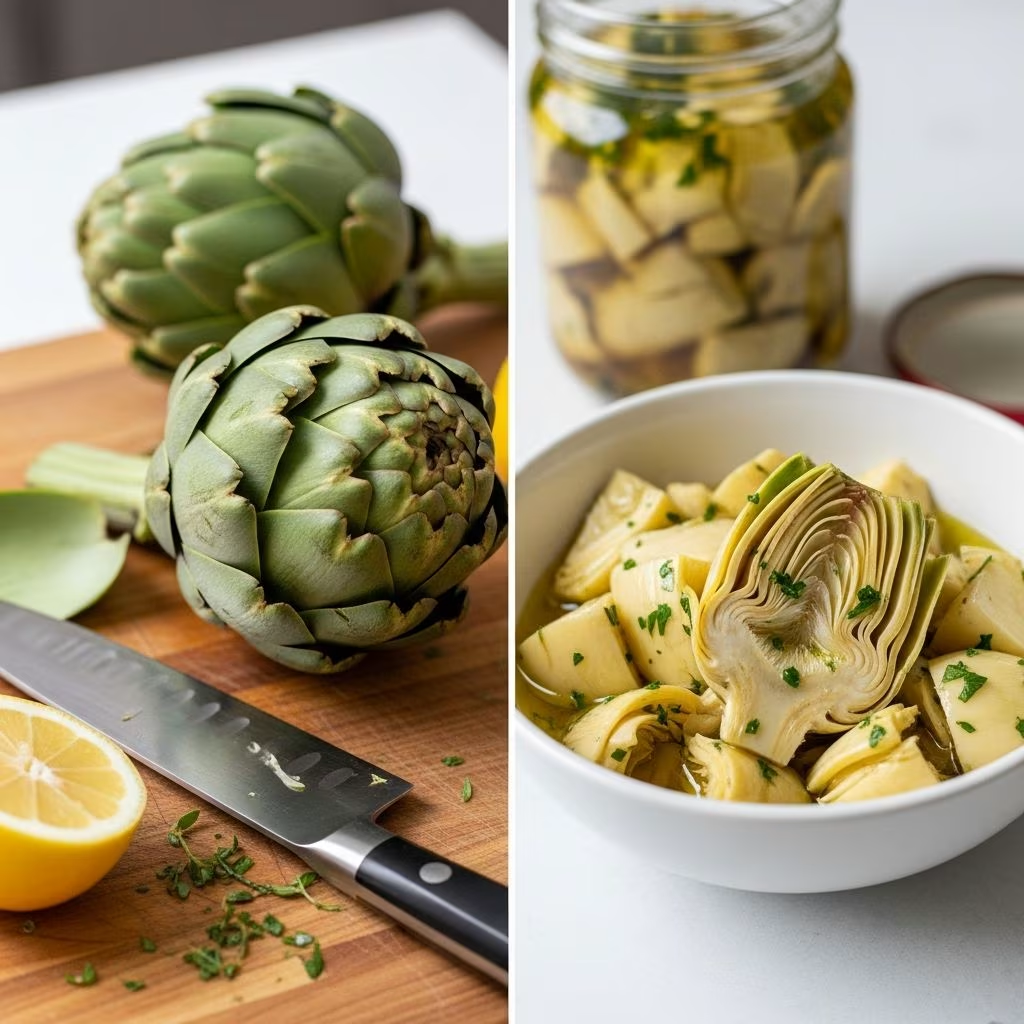
Fresh artichokes intimidate many home cooks for legitimate reasons. The vegetable’s structure naturally protects its tender interior heart with layers of thorny, serrated leaves that progressively become tougher toward the outside. The fuzzy choke—a fibrous layer that develops in larger specimens—must be removed before the heart becomes palatable. This combination of physical obstacles creates a preparation process that demands attention to detail and physical care.
The intimidation factor extends beyond the immediate challenge of the vegetable itself. Working with fresh artichokes requires understanding the proper sequence of steps, knowing when to stop trimming and when to continue, and managing time efficiently to prevent oxidation and browning. Even experienced cooks acknowledge this complexity, though their familiarity allows them to navigate it more smoothly than those encountering artichokes for the first time.
The Step-by-Step Fresh Artichoke Preparation Process
Preparing fresh artichokes begins with selection. Choose specimens that feel heavy for their size, indicating high water content and recent harvest. Dense, tightly-packed leaves signal freshness, while those beginning to separate, dry, or flower suggest the vegetable has aged beyond its prime.
Once home, the preparation sequence matters considerably:
- Rinsing and scrubbing: Hold the artichoke under running water while scrubbing the exterior to remove the bitter coating and surface debris. This initial step prepares the vegetable for trimming.
- Trimming the crown: Using a serrated knife (which works better than a standard chef’s knife for this task), cut approximately one-third from the top of the artichoke. This removes the inedible, thorniest portions of the leaves. Work deliberately to avoid slips.
- Removing the stem: Cut away the bottom stem portion, though some cooks preserve one to two inches of stem. The outer stringy skin can be peeled away, revealing tender interior tissue that tastes similar to the heart itself.
- Addressing the thorns: Some artichokes feature long, sharp thorns on individual leaf tips. Trimming these prevents injuries during handling and consumption, though smaller specimens may not require this step.
- Managing oxidation: After cutting, immediately place trimmed artichokes into lemon water. This acidic bath prevents the exposed flesh from browning and discoloring during the remaining preparation steps.
- Removing the choke: For larger artichokes, after cooking and halving, use a teaspoon or melon baller to carve away the fuzzy choke layer before the vegetable becomes ready for eating or further recipe preparation.
Efficiency during these steps matters. Working quickly and systematically reduces browning and keeps the process manageable. Experienced cooks develop rhythm and confidence through repetition, making the entire sequence take merely minutes rather than the extended time novices might require.
Cooking Methods for Fresh Artichokes
Once properly prepared, multiple cooking approaches yield excellent results. The trim-blanch-sauté method produces artichokes with beautiful, golden-crusted exteriors and tender interiors. This technique involves briefly cooking trimmed artichokes in boiling water, then finishing them in a hot pan with oil to develop color and depth of flavor.
Steaming followed by grilling represents another sophisticated approach. Steaming the vegetable with lemon or vinegar cooks it nearly to completion, after which grilling adds charred flavor and visual appeal. This method works particularly well when entertaining, as steaming can occur a day or two ahead, with grilling reserved for the final preparation just before serving.
Simple boiling or steaming alone produces tender, fully-cooked artichokes perfect for casual eating. These preparations allow diners to enjoy the traditional experience of removing leaves individually, dipping them in melted butter or vinaigrette, and gradually working toward the prized heart.
Storage and Shelf Life of Fresh Artichokes
Fresh artichokes deteriorate gradually once harvested. Proper storage extends their window of usability and maintains quality. Place whole artichokes upright in a container with water, similar to storing fresh flowers. This method maintains hydration and can revive even slightly aged specimens—after an hour in water, the leaves develop a noticeably crisper texture.
For those with limited refrigerator space, wrapping stems in damp paper towels, securing with a rubber band, and placing the entire bundle in a plastic bag works effectively. Depending on storage duration, the paper towels may need occasional refreshing to maintain moisture.
Cooked artichokes keep well for several days when stored in the refrigerator in a coating of olive oil. This preservation method maintains texture and flavor while preventing drying. Simply drain the oil before serving or using in recipes.
Convenience Options: Pre-Processed Artichokes
The market offers multiple pre-processed artichoke formats, each with distinct advantages and trade-offs. Understanding these options helps cooks choose the approach that best fits their needs, schedule, and culinary preferences.
Canned Artichoke Hearts
Canned artichoke hearts represent the most widely available pre-processed option. These arrive ready to use, requiring no additional preparation beyond potentially draining liquid or rinsing. The cost typically ranges from $3 to $4 per 14.5-ounce can, positioning them as a reasonable alternative to fresh when factoring in preparation time.
A significant consideration involves the pickling liquid and added ingredients. Many canned varieties include vinegar and herbs that influence the final dish’s flavor profile. Transferring canned hearts to a strainer and shaking off excess liquid provides some control over these flavor contributions. However, some cooks find the vinegary notes persist regardless, potentially limiting their culinary applications or requiring specific recipe choices to complement these flavors.
Frozen Artichoke Hearts
Frozen artichoke hearts offer a middle-ground approach between fresh and canned options. These vegetables undergo minimal processing—essentially freezing without added liquid or extensive preservation methods. Frozen varieties typically cost around $2 per 12-ounce bag, making them the most budget-friendly convenient option.
The texture of frozen hearts appeals to many cooks who appreciate the less-processed nature of this format. They lack the vinegary punch of canned versions and provide a relatively blank canvas for recipe applications. However, some consumers note that frozen hearts, while convenient and less flavorful than canned, remain somewhat blander than fresh artichokes prepared properly and not all frozen products meet equal quality standards.
Jarred Artichoke Hearts in Oil
Jarred artichokes preserved in oil represent another shortcut option. These often include added herbs and flavorings that can complement Mediterranean-inspired dishes beautifully. The oil preservation method maintains texture and provides built-in flavor elements that can enhance certain recipes directly.
Similar to canned varieties, jarred hearts benefit from oil drainage prior to use, particularly when you want to control the final dish’s flavor profile more precisely. The residual oil can overpower delicate recipes or clash with specific flavor combinations, so this preliminary step remains worthwhile despite the additional convenience factor.
Comparative Cost Analysis
Price considerations influence many home cooking decisions. Fresh artichokes, when purchased in-season at farmers markets or during peak availability periods, can cost remarkably little—sometimes as low as $1 for ten whole artichokes in major growing regions. Standard grocery store pricing typically runs higher, but fresh artichokes remain competitively priced compared to pre-processed alternatives when amortized across the entire preparation process.
Pre-processed options introduce different cost structures. Canned hearts at $3-4 per can, frozen varieties at approximately $2 per bag, and jarred options at similar price points seem expensive when compared directly to whole fresh artichokes. However, this comparison ignores the significant portion loss in fresh preparation. Trimming removes substantial weight, and the fuzzy choke in larger specimens also requires removal. A single large fresh artichoke yields a relatively small amount of edible heart tissue compared to the pre-processed alternatives, making the per-ounce cost comparison less favorable for fresh than simple price tags suggest.
Nutritional Considerations
Fresh artichokes deliver impressive nutritional profiles, providing substantial fiber, protein, and essential minerals alongside various vitamins. This nutrient density makes them an attractive vegetable choice regardless of preparation method.
Processing methods can affect nutrient retention, though not dramatically in most cases. Canned artichokes, having undergone thermal processing, maintain most nutrients despite the high-temperature application. Freezing also preserves nutritional content effectively. The greatest nutrient loss typically occurs not during commercial processing but during home cooking, particularly with extended boiling.
For those prioritizing maximum nutritional benefit, steaming—whether at home or as the processing method for frozen products—preserves nutrients more effectively than boiling, where water-soluble vitamins can leach into cooking liquid.
Decision Framework: Choosing Your Approach
The optimal artichoke preparation method depends on individual priorities. Consider these factors when making your decision:
| Factor | Fresh Artichokes | Pre-Processed Options |
|---|---|---|
| Time Investment | 20-30 minutes for preparation and cooking | 5 minutes or less; ready to incorporate |
| Cost per Pound | Highly variable; excellent in season | Consistent; moderate to higher cost |
| Flavor Intensity | Fresh, subtle, earthy notes | Variable; canned often vinegary |
| Culinary Flexibility | Unlimited application range | Somewhat limited by added flavors |
| Skill Required | Moderate; improves with practice | None; immediately accessible |
| Storage Duration | 3-5 days refrigerated | Several months to years |
Practical Recommendations for Different Scenarios
For experienced cooks seeking maximum control and flavor: Fresh artichokes deserve your attention. The preparation process, while demanding, rewards effort with superior flavor and textural complexity unavailable in pre-processed formats. Growing comfort with the technique makes the process increasingly manageable and enjoyable.
For time-constrained schedules: Pre-processed options eliminate preparation barriers while still delivering the nutritional and flavor benefits artichokes provide. Choose frozen varieties for the most neutral flavor profile, allowing your recipe to shine without competing flavor components.
For recipe-specific applications: Consider the dish’s flavor profile when selecting artichokes. Mediterranean or vinegar-forward recipes may benefit from the tangy notes in canned varieties. Cream-based preparations or Asian-inspired dishes typically work better with fresh or frozen artichokes, which don’t introduce competing flavors.
For developing kitchen skills: Attempting fresh artichoke preparation builds valuable knife skills and culinary confidence. Start with small quantities when you have adequate time, allowing the learning process to occur without meal preparation stress.
Frequently Asked Questions
Can you eat artichoke leaves entirely?
Only the tender inner leaves and the heart itself are edible. Outer leaves contain fibrous material and remain quite tough even after thorough cooking. The traditional dining experience involves removing individual leaves, dipping them in sauce, and scraping off the edible portion with your teeth.
How do you know when an artichoke is fully cooked?
Fully cooked artichokes yield easily when a knife pierces the stem, and the outer leaves pull away from the base with minimal resistance. Steam or boil until the inner leaves offer almost no resistance when tugged gently.
What causes browning in cut artichokes?
Oxidation discolors exposed flesh when cut artichokes contact air. Lemon water’s acidity prevents this browning, so immediate immersion after cutting remains important for maintaining visual appeal.
Do frozen artichokes require thawing before cooking?
Most frozen artichokes can go directly into recipes without thawing, though some preparations benefit from thawing first. Check package instructions for specific recommendations based on your intended cooking method.
Which storage method keeps artichokes fresh longest?
Upright storage in water maintains the best quality. This method can extend shelf life up to a week under ideal refrigerator conditions, though quality gradually declines.
The Final Decision
Whether you embrace fresh artichoke preparation or opt for convenient pre-processed alternatives, you’re making a valid culinary choice aligned with your circumstances, skills, and preferences. Neither approach represents inherent superiority—rather, they serve different needs and cooking situations. Some cooks will happily spend preparation time to achieve maximum flavor and control, while others prioritize efficiency and consistency. The key involves understanding both approaches’ advantages and limitations, then choosing deliberately rather than by default. As your kitchen skills and confidence grow, your approach may evolve, allowing you to appreciate artichokes in multiple formats throughout your cooking journey.
References
- Artichokes: Everything you need to know — Ask The Food Geek. https://askthefoodgeek.com/artichokes/
- A Few Words on How to Cook Artichokes — 101 Cookbooks. https://www.101cookbooks.com/how-to-cook-artichokes/
- Why Canned Artichokes Are Always Superior To Fresh — Mashed. https://www.mashed.com/1392074/why-canned-artichokes-superior/
- Artichoke heart smack down: canned vs. frozen — Robin Plotkin, RD, LD. https://robinplotkin.com/artichoke-heart-smack-down-canned-vs-frozen/
- To enjoy no-prep artichokes, turn to frozen and marinated hearts — KCRW. https://www.kcrw.com/shows/press-play-with-madeleine-brand/stories/artichokes-frozen-marinated