Transform ripe summer tomatoes into a versatile spaghetti sauce that captures the essence of Italian home cooking. This guide explores everything from basic preparation to advanced techniques, ensuring your sauce is rich, balanced, and full of natural sweetness.
Why Choose Fresh Tomatoes for Your Sauce
Fresh tomatoes provide a vibrant base for spaghetti sauce, offering superior taste compared to canned varieties. Their natural juices and subtle flavors develop depth when simmered slowly, resulting in a sauce that’s lighter yet more aromatic. Garden-fresh produce, especially heirloom or Roma types, yields the best results due to higher sugar content and fewer seeds.
Using fresh ingredients minimizes preservatives and allows customization. Peak-season tomatoes from July to September deliver peak flavor, making this an ideal project for gardeners or farmers’ market shoppers. The process also reduces food waste by utilizing overripe fruits that might otherwise be discarded.
Selecting the Best Tomatoes
Opt for firm, ripe tomatoes without bruises. Recommended varieties include:
- Plum or Roma tomatoes: Meaty with low water content, ideal for thick sauces.
- Beefsteak or heirloom: Juicy and flavorful for chunkier textures.
- Cherry tomatoes: Sweet bursts of flavor, perfect for quick sauces.
Aim for 4-6 pounds to yield about 10 cups of sauce. Wash thoroughly and remove stems. For smoother results, blanch to peel skins: score the bottom, submerge in boiling water for 30 seconds, then ice bath.
Essential Ingredients for Balanced Flavor
A great sauce harmonizes acidity, sweetness, and savoriness. Core components include:
| Ingredient | Quantity (for 4-6 lbs tomatoes) | Purpose |
|---|---|---|
| Olive oil | 1/4 – 1/2 cup | Sautés aromatics, adds richness |
| Onions (yellow or red) | 1 large, diced | Sweet base note |
| Garlic | 4-6 cloves, minced | Aromatic depth |
| Tomato paste | 1/3 cup | Concentrated umami |
| Dried herbs (oregano, basil, thyme) | 1-2 tbsp each | Classic Italian seasoning |
| Salt & pepper | To taste | Enhances all flavors |
Optional add-ins: fresh basil, red pepper flakes for heat, sugar (1-3 tbsp) to counter tartness, or balsamic vinegar for complexity.
Step-by-Step Recipe: Classic Fresh Tomato Sauce
This yields 8-10 servings and takes about 1 hour active time plus simmering.
- Prep vegetables: Dice onions, mince garlic, chop tomatoes (peeled or unpeeled).
- Sauté base: Heat olive oil in a large pot over medium. Add onions, cook 5-7 minutes until translucent. Stir in garlic for 1 minute to avoid burning.
- Add tomatoes: Incorporate chopped tomatoes and tomato paste. Stir well.
- Season and simmer: Add herbs, salt, pepper. Bring to boil, then reduce to low. Cover and simmer 20-30 minutes, stirring occasionally.
- Blend: Use immersion blender for smooth texture or leave chunky. Simmer uncovered 15-30 more minutes to thicken.
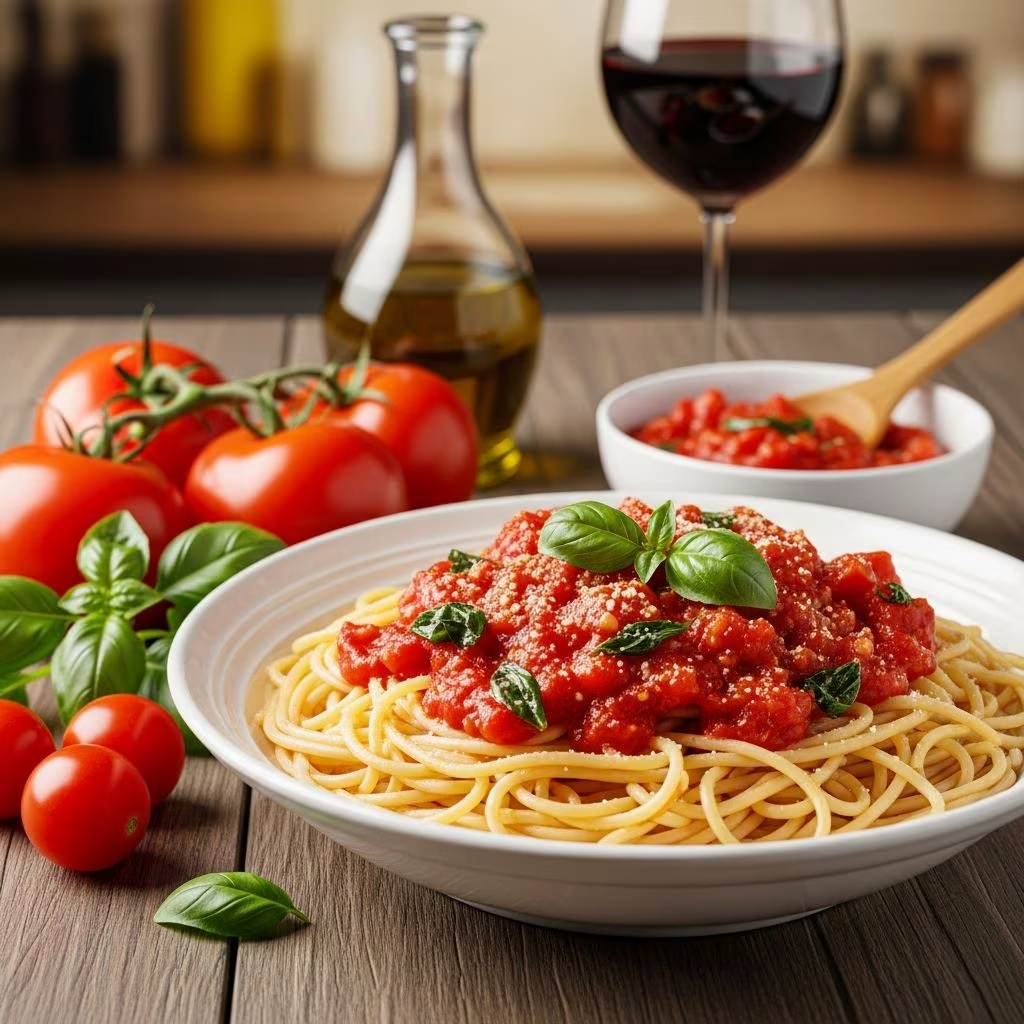
- Finish: Taste and adjust. Stir in fresh basil if using. Cool slightly before serving over pasta.
Serve with al dente spaghetti, grated Parmesan, and crusty bread. Pairs excellently with meatballs or grilled sausage.
Customizing Your Sauce: Variations to Try
Adapt the base recipe for different meals:
- Meat Lover’s: Brown 1 lb ground beef or Italian sausage with onions.
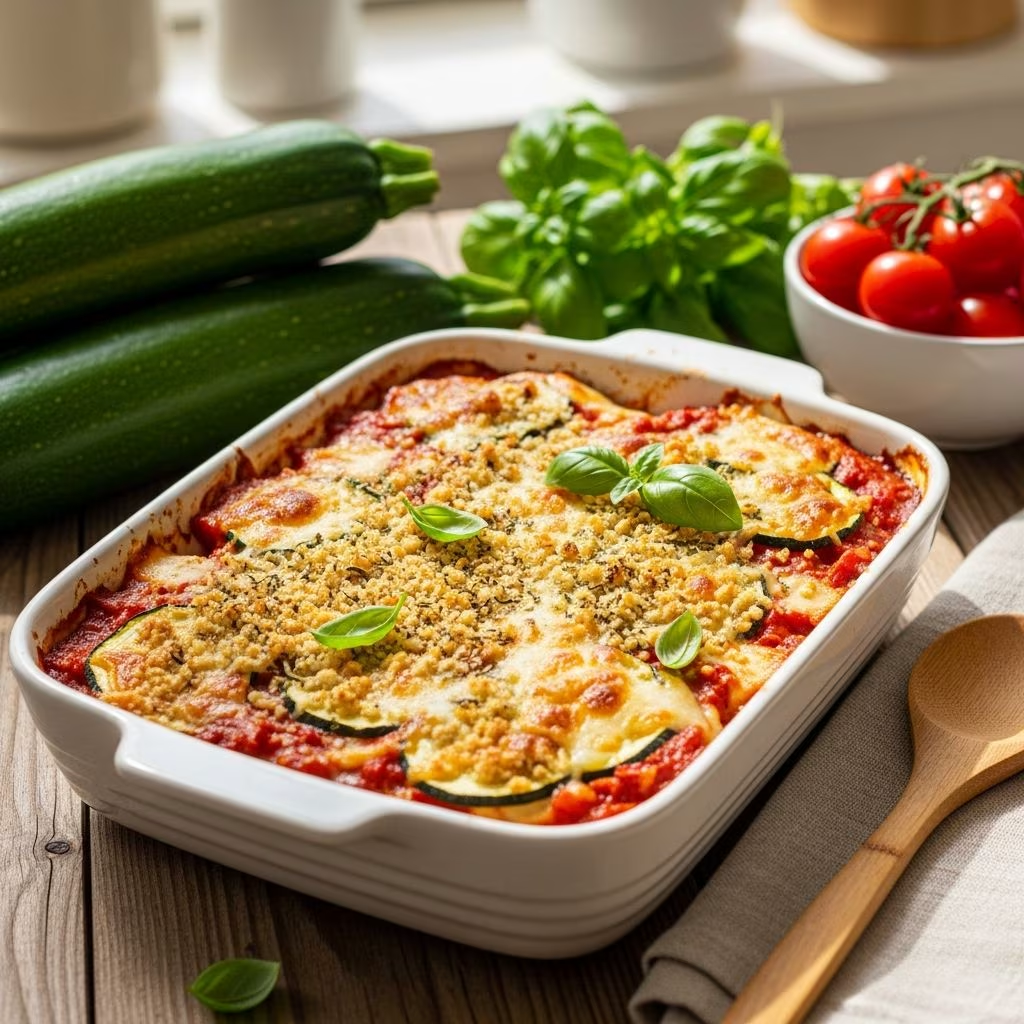
- Vegetarian Boost: Add chopped mushrooms, bell peppers, or zucchini during sauté.
- Spicy Arrabbiata: Increase red pepper flakes to 1 tsp and add 1/4 cup white wine.
- Quick No-Cook: Blend raw tomatoes with garlic, oil, basil, salt; let marinate 30 minutes.
- Creamy Alfredo Twist: Stir in 1/2 cup heavy cream at end.
Experiment with fresh vs. dried herbs: fresh doubles the quantity for brighter notes.
Perfecting Texture and Taste
Achieve restaurant-quality results with these tips:
- Thickening: Simmer longer or add tomato paste early. Avoid flour; it dulls flavor.
- Balancing Acidity: If too tangy, add sugar or grated carrot (1 medium).
- Smooth vs. Chunky: Pulse in food processor for rustic feel or strain for silky pasta.
- Infusion: Add herb stems or garlic halves during simmer, remove before blending.
Taste iteratively: season in layers—salt first, herbs midway, acid last.
Storage and Preservation Methods
Make large batches for convenience:
- Refrigerator: Cool completely, store in airtight jars up to 5 days.
- Freezer: Portion into bags or containers; freezes 6-12 months. Thaw overnight, reheat gently.
- Canning: Follow USDA guidelines: water bath process pints for 35 minutes (adjust for altitude). Yields shelf-stable jars for 1+ year.
Label with date. Avoid metal cans; use glass or plastic.
Common Mistakes and How to Avoid Them
- Watery sauce: Use meaty tomatoes, simmer uncovered to evaporate excess liquid.
- Bitter taste: Don’t overcook garlic; use low heat.
- Separated oil: Emulsify by blending or vigorous stirring.
- Dull flavor: Always salt generously—tomatoes need it.
Nutritional Benefits of Homemade Sauce
Fresh tomato sauce is packed with lycopene, an antioxidant linked to heart health. A 1-cup serving offers vitamin C, potassium, and fiber, with about 100 calories (varies by add-ins). Making it yourself controls sodium and skips additives.
Pairing Ideas Beyond Spaghetti
- Pizza base: Spread thin, bake at 500°F.
- Lasagna layers: Mix with ricotta.
- Shakshuka: Poach eggs in sauce.
- Soup: Dilute with broth, add beans.
- Chicken Parmesan: Simmer cutlets in sauce.
Frequently Asked Questions
Can I use canned tomatoes if fresh aren’t available?
Yes, San Marzano cans mimic fresh quality. Drain and follow same steps.
How do I know when the sauce is done simmering?
It should coat a spoon thickly and reduce by half. Taste for concentrated flavor.
Is peeling tomatoes necessary?
Not always; skins add texture. Peel for smoother baby food or picky eaters.
Can this sauce be made in a slow cooker?
Absolutely: sauté first, then low 4-6 hours. Blend at end.
What’s the best pasta shape?
Spaghetti or bucatini for classics; rigatoni holds chunky versions well.
References
- USDA Complete Guide to Home Canning — United States Department of Agriculture. 2023-01-15. https://nchfp.uga.edu/publications/publications_usda.html
- Food Safety and Inspection Service: Tomato Products — U.S. Food Safety and Inspection Service. 2024-05-20. https://www.fsis.usda.gov/food-safety/safe-food-handling-and-preparation/food-safety-basics/tomato-products
- Harvard T.H. Chan School of Public Health: Tomatoes and Lycopene — Harvard University. 2022-11-10. https://www.hsph.harvard.edu/nutritionsource/food-features/tomatoes