Understanding the Foundation of Fresh Mango Salsa
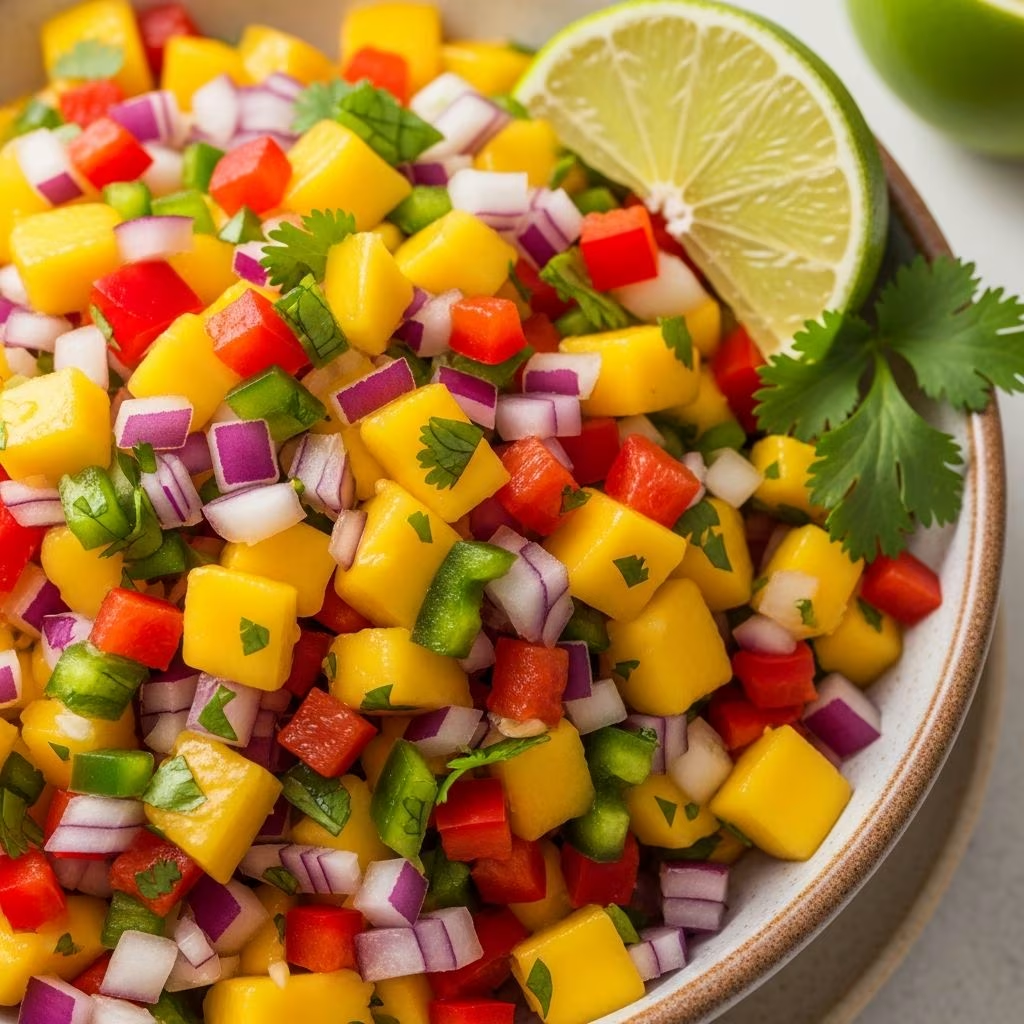
Mango salsa represents a vibrant departure from traditional tomato-based varieties, offering a refreshing alternative that celebrates tropical fruit at its finest. This bright condiment combines the natural sweetness of ripe mangoes with zesty acidic components and aromatic herbs, creating a multi-dimensional flavor profile that enhances countless dishes. Unlike conventional salsas that rely heavily on tomatoes and vinegar, mango versions leverage the fruit’s inherent moisture and sugar content to achieve a naturally balanced taste without requiring extensive seasoning.
The beauty of this preparation lies in its simplicity and versatility. Whether served alongside grilled proteins, incorporated into wraps, or enjoyed as a standalone dip with crispy chips, mango salsa adapts seamlessly to various culinary applications. The recipe’s straightforward ingredient list means home cooks can achieve restaurant-quality results with minimal effort, making it an ideal choice for weeknight dinners and entertaining guests.
Essential Ingredients for Optimal Results
Creating superior mango salsa begins with understanding each component’s role in the final dish. The foundation of this condiment relies on selecting complementary ingredients that balance sweetness, acidity, heat, and aromatics.
The Star Ingredient: Selecting Ripe Mangoes
Choosing the right mango represents the most crucial decision in this recipe. Ripe mangoes should yield slightly to gentle pressure, emit a fragrant aroma from the stem end, and display a deep color appropriate to their variety. Avoid mangoes that feel rock-hard or appear bruised, as these indicate either insufficient ripeness or deterioration. The ideal mango provides approximately 1.5 to 2 cups of diced fruit per medium specimen, ensuring adequate volume for a balanced salsa.
When selecting mangoes at the market, prioritize fragrance as an indicator of ripeness. A truly ripe mango produces a distinctly sweet, perfumed aroma that signals the development of natural sugars within the fruit. This aromatic quality directly correlates with flavor intensity and juiciness, both essential for outstanding salsa.
Complementary Vegetable Components
Red onions contribute a sharp, peppery bite that contrasts beautifully with mango’s inherent sweetness. Using approximately 1/4 to 1/2 cup of finely diced red onion ensures the flavor registers without overwhelming the dish. The choice to dice finely versus leaving slightly larger pieces depends on personal preference and intended serving method.
Red bell peppers introduce both visual appeal and subtle sweetness, adding complexity without overpowering the primary fruit flavor. These colorful vegetables contribute a slight earthiness and textural variety that prevents the salsa from becoming monotonous. Removing seeds ensures a cleaner eating experience and prevents excess moisture accumulation.
Jalapeño peppers deliver the necessary heat component, warming the palate and amplifying other flavors through capsaicin’s neurological effects. For milder versions, use a single pepper with seeds removed entirely. Those preferring increased spiciness can incorporate two peppers or include some seeds for intensified heat.
Aromatic and Acidic Elements
Fresh cilantro provides essential aromatic qualities that tie all components together. This herb’s distinctive flavor profile—sometimes described as citrusy with peppery undertones—complements both the tropical fruit and savory vegetables. Approximately 1/4 cup of finely chopped cilantro balances presence without creating an overly herbaceous condiment.
Lime juice delivers crucial acidity that brightens all flavors and prevents the salsa from tasting cloying. The citric acid also acts as a preservative, extending shelf life when refrigerated. Fresh lime juice significantly outperforms bottled alternatives, delivering superior flavor clarity and vibrancy. One large lime typically yields approximately 1/4 cup of juice, though this varies based on fruit size and juiciness.
Preparation Techniques and Best Practices
Mastering Mango Preparation
Properly cutting a mango requires understanding the fruit’s internal structure. Each mango contains a large, flat pit in the center, with edible flesh arranged around it. The most efficient method involves holding the mango upright and slicing vertically approximately one inch from the pit on one side, creating a large cheek. Repeat this process on the opposite side, then carefully remove any remaining flesh adhering to the pit.
Score the mango cheeks in a crosshatch pattern, cutting through the flesh without piercing the skin. Turning the scored cheek inside out causes the cut cubes to protrude, facilitating easy removal with a knife. This technique yields consistently-sized pieces while minimizing waste and ensuring maximum yield from each fruit.
Vegetable Preparation Standards
Dice all vegetables uniformly to ensure balanced flavor distribution and pleasant texture throughout. Aim for pieces approximately 1/4-inch across, creating adequate size for textural interest without creating unwieldy chunks that prove difficult to consume. This standardization ensures that each spoonful contains representative portions of every ingredient.
Remove jalapeño seeds before dicing to control heat levels effectively. The white placental tissue containing seeds contributes the majority of the pepper’s capsaicin, so removing these components dramatically reduces spiciness while preserving the pepper’s distinctive flavor.
The Mixing and Resting Process
Combine all prepared ingredients in a serving bowl, adding lime juice immediately to prevent the mango from oxidizing and browning. Mix gently but thoroughly, ensuring the lime juice coats all components evenly. This step typically requires less than one minute, preserving the ingredients’ structural integrity and textural contrast.
Allowing the finished salsa to rest for 10 to 15 minutes before serving permits flavors to meld and develop complexity. During this resting period, the mango releases additional juices that blend with the lime juice and redistribute throughout the mixture, creating a more cohesive condiment. This seemingly simple step dramatically improves the final flavor profile.
Flavor Balancing and Customization
| Flavor Profile | Adjustment Method | Suggested Additions |
|---|---|---|
| Increased Sweetness | Enhance natural mango sugars | 1 teaspoon honey or agave nectar |
| Enhanced Heat | Amplify spicy elements | Additional jalapeño or Tajín seasoning |
| Richer Texture | Add healthy fats and depth | 1/2 tablespoon extra virgin olive oil |
| Increased Herbaceousness | Boost aromatic qualities | Additional cilantro or fresh mint |
| Deeper Flavor Complexity | Introduce umami and spice blends | Tajín, cumin, or smoked paprika |
Seasoning with sea salt and freshly ground black pepper represents the final crucial step. Add these in small increments, tasting between additions to achieve desired salt levels without over-seasoning. Salt amplifies all existing flavors while drawing out the natural juices from the mango, creating a more flavorful final product.
Versatile Applications and Serving Suggestions
As a Standalone Dip
Serve mango salsa alongside crispy tortilla chips for a crowd-pleasing appetizer or casual party offering. The salsa’s bright acidity cleanses the palate between chips, while the chips’ textural contrast complements the fruit’s juiciness. This combination proves especially popular during warm weather entertaining, when lighter fare appeals to guests.
Protein Enhancement
Mango salsa elevates grilled fish, particularly white varieties like mahi-mahi, flounder, and sea bass. The fruit’s sweetness balances the protein’s richness while the lime juice’s acidity cuts through fatty components. Similarly, grilled chicken benefits from this topping, as the bright flavors prevent poultry from tasting bland. Pork preparations, from grilled chops to slow-cooked carnitas, gain complexity and freshness when crowned with this vibrant condiment.
Taco and Wrap Fillings
Incorporate mango salsa into taco fillings for unexpected flavor dimensions. The fruit’s tropical qualities complement both fish tacos and chicken preparations beautifully. Wraps containing grilled proteins become more interesting with this addition, while veggie-focused wraps gain substance and satisfaction through the salsa’s natural sweetness and textural variety.
Grain Bowl Components
Layer mango salsa over burrito bowls, grain-based dishes, or composed salads to provide textural contrast and bright flavor notes. The salsa’s juiciness prevents grain bowls from appearing dry while its acidity brightens heavier components like beans or rice.
Storage and Make-Ahead Strategies
Properly stored mango salsa maintains peak quality for 2 to 3 days when refrigerated in an airtight container. The lime juice acts as a natural preservative, inhibiting bacterial growth and preventing oxidative browning of the mango flesh. However, extended storage results in flavor degradation and texture softening as enzymes continue breaking down the fruit’s cellular structure.
For optimal results, prepare mango salsa as close to serving time as practical. If advance preparation becomes necessary, store all components separately and combine them no more than 4 hours before serving. This approach maintains textural integrity while allowing flavor development through initial mixing.
Frequently Asked Questions
Can mango salsa be made in advance?
While mango salsa maintains acceptable quality for 2 to 3 days when stored properly, preparing it immediately before serving yields superior results. If advance preparation is necessary, combine ingredients no more than 4 hours before serving to preserve texture and flavor.
What should I do if my mangoes are not ripe enough?
Slightly underripe mangoes work adequately if necessary, though they lack the sweetness and aromatic qualities of fully ripe specimens. Compensate by adding a small amount of honey or agave nectar to enhance perceived sweetness.
Can fresh cilantro be substituted?
Fresh mint offers an interesting alternative, though it creates a noticeably different flavor profile. Omitting the herb entirely results in a less complex condiment. Cilantro lacks suitable substitutes that provide identical aromatic qualities.
How can I reduce the salsa’s heat level?
Remove all jalapeño seeds before dicing to significantly reduce spiciness. Alternatively, use only a portion of a single pepper or omit jalapeños entirely for a mild version.
Is bottled lime juice acceptable?
Fresh lime juice substantially outperforms bottled alternatives in terms of flavor clarity and vibrancy. The bottled product contains preservatives that can impart off-flavors, negatively impacting the final result. Fresh limes represent a small investment that dramatically improves the finished condiment.
Conclusion: Elevating Your Culinary Repertoire
Mango salsa represents an accessible yet sophisticated addition to any home cook’s repertoire. The straightforward preparation process combined with minimal ingredient requirements makes this condiment achievable for cooks of varying skill levels. By understanding each component’s role and applying proper preparation techniques, home cooks can create restaurant-quality salsa that enhances countless dishes throughout the year.
References
- Fresh Mango Salsa Recipe — Cookie and Kate. https://cookieandkate.com/fresh-mango-salsa-recipe/
- 5-Ingredient Mango Salsa Recipe — Gimme Some Oven. https://www.gimmesomeoven.com/5-ingredient-mango-salsa-recipe/
- Sweet and Zesty Mango Salsa — Mama Harris’ Kitchen. https://mamaharriskitchen.com/2013/04/sweet-and-zesty-mango-salsa/
- Quick and Easy Fresh Mango Salsa — Delish D’Lites. https://www.delishdlites.com/course/appetizer-recipes/quick-easy-fresh-mango-salsa/
- Easy Mango Salsa — Keeping It Relle. https://keepingitrelle.com/easy-mango-salsa/