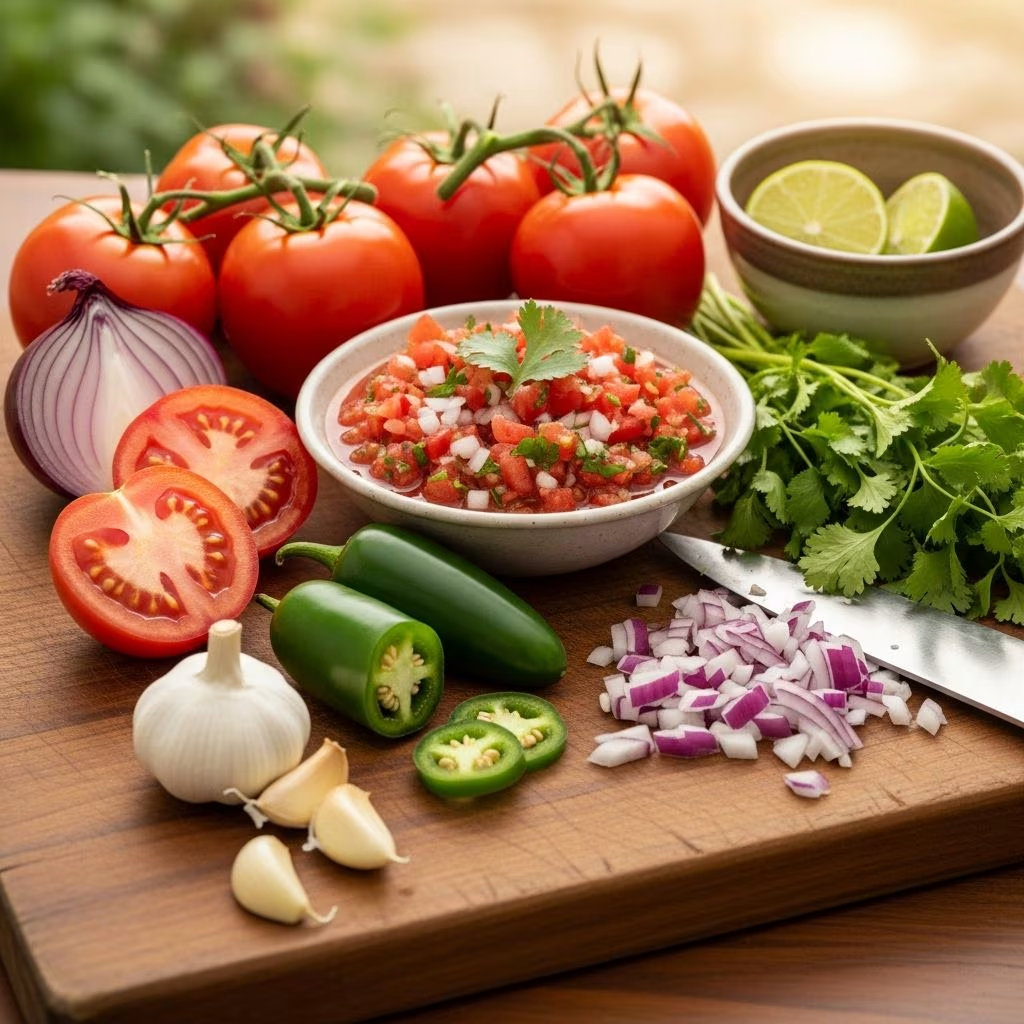
There’s nothing quite like the taste of salsa made from vegetables harvested straight from your garden. The combination of vine-ripened tomatoes, crisp peppers, and fragrant herbs creates a condiment that far surpasses any store-bought version. This guide will walk you through the process of creating your own fresh salsa at home, whether you’re using produce from your garden or sourcing the freshest ingredients from your local farmer’s market.
Why Make Your Own Salsa
Preparing salsa at home gives you complete control over every ingredient and flavor profile. Unlike commercial versions that often contain preservatives, added sugars, and artificial flavors, homemade salsa captures the genuine essence of fresh produce. The process is straightforward enough for beginners yet rewarding enough to become a staple in your kitchen routine.
When you make salsa yourself, you can adjust the heat level to suit your preferences, choose the exact ripeness of your tomatoes, and incorporate herbs that reflect your taste. Additionally, homemade salsa tends to be more economical when you’re working with vegetables you’ve grown yourself or purchased during peak season.
Essential Ingredients for Garden-Fresh Salsa
Tomatoes: The Foundation
The success of your salsa begins with selecting the right tomatoes. Roma tomatoes, also known as plum tomatoes, are the preferred choice for salsa-making because of their lower water content and fewer seeds compared to beefsteak varieties. These characteristics prevent your finished salsa from becoming watery or overly liquidy. When selecting tomatoes, choose specimens that are ripe and firm, avoiding those that are excessively large or overly soft, as these tend to release excess moisture and dilute the overall flavor profile.
While Roma tomatoes remain the classic selection, other varieties can work well if chosen with care. The key is selecting tomatoes at their peak ripeness—deep in color but still maintaining structural integrity. Some recipes recommend using between five to six Roma tomatoes or the equivalent in other varieties, which typically yields enough salsa to serve a small gathering.
Peppers and Heat Control
Jalapeños are the traditional pepper choice for garden salsa, offering a moderate heat level that most people find accessible. For those who prefer milder salsa, removing the seeds and white membranes from the peppers significantly reduces the heat while maintaining flavor. Conversely, if you enjoy spicier preparations, you can leave the seeds intact or substitute with serrano peppers for additional intensity.
The beauty of homemade salsa is the ability to customize heat levels to your exact preference. Some recipes recommend using one to two jalapeños as a baseline, then adjusting based on personal tolerance. This flexibility allows you to create multiple batches with varying degrees of spice to accommodate different household members or guests.
Aromatics and Flavor Builders
Onions serve as the aromatic base that provides depth and sharpness to your salsa. Yellow, white, or red onions all work effectively, though each imparts slightly different flavor notes. Yellow onions offer sweetness, white onions provide a cleaner taste, and red onions contribute visual appeal and a slightly sweet profile. Most recipes call for roughly half a large onion, diced finely to distribute the flavor evenly throughout.
Fresh garlic transforms raw vegetables into a cohesive, flavorful condiment. Minced or finely chopped garlic adds pungency and complexity that rounds out the salsa’s flavor profile. Recipes typically incorporate between two to three cloves, though garlic enthusiasts can increase this amount according to preference.
Fresh Herbs and Finishing Touches
Fresh cilantro is the signature herb in garden salsa, contributing a distinctive brightness that ties all components together. This herb is best added fresh rather than cooked, as heat diminishes its vibrant character. Most recipes call for roughly a quarter cup of loosely packed cilantro leaves, though this can be adjusted based on personal preference and cilantro tolerance.
Lime juice provides the acidic backbone that prevents the salsa from becoming one-dimensional and heavy. The citric acid also helps preserve the fresh vegetable taste and prevents browning when the salsa sits for extended periods. Fresh lime juice yields superior results compared to bottled versions, delivering brighter, more nuanced flavor.
Ingredient Overview Table
| Ingredient | Quantity | Notes |
|---|---|---|
| Roma Tomatoes | 5-6 medium | Cored and diced; remove excess seeds if desired |
| Jalapeño Peppers | 1-2 | Adjust quantity for preferred heat level |
| Yellow or White Onion | ½ large | Finely diced for even distribution |
| Garlic Cloves | 2-3 | Minced or finely chopped |
| Fresh Cilantro | ¼ cup loosely packed | Add last to preserve brightness |
| Fresh Lime Juice | 1-2 tablespoons | Juice of approximately one lime |
| Sea Salt | ½ teaspoon | Adjust to taste |
Preparation Methods: Raw vs. Roasted Approaches
The Fresh Method
The most straightforward approach involves combining fresh, raw ingredients to create bright, crisp salsa. Begin by preparing your vegetables: remove the cores from tomatoes and dice them into small, uniform pieces. For optimal texture, remove the seeds and excess liquid from the tomato centers if you prefer a less watery consistency. Dice your onion finely, seed and chop your jalapeños according to heat preference, and mince your garlic.
Combine all prepared vegetables in a large mixing bowl, then add your fresh cilantro, lime juice, and salt. Stir thoroughly to distribute seasonings evenly. This method produces salsa that’s ready to enjoy immediately, though allowing it to sit for at least one hour permits the flavors to meld and develop greater complexity.
The Food Processor Method
For those preferring a more uniform consistency, a food processor streamlines preparation and creates salsa with the texture you desire. Cut your tomatoes into large chunks and place them in the processor along with quartered onion, cored jalapeños, and peeled garlic cloves. Add cilantro, lime juice, and salt, then pulse the mixture until it reaches your preferred consistency. If you prefer chunky salsa, pulse for thirty to sixty seconds. For smoother salsa, continue pulsing until the mixture reaches your desired texture. This method also incorporates air into the salsa, which may cause it to appear lighter in color initially, but the shade will deepen as air settles.
The Roasting Method
For deeper, more complex flavors, some recipes recommend roasting vegetables before processing. This technique develops natural sweetness and caramelizes the vegetable surfaces, creating more sophisticated flavor layers. Place tomatoes (cored and cut into large pieces), onion, jalapeños, and garlic on a sheet pan and roast at 300 degrees Fahrenheit for 45 minutes to one hour, until the vegetables become soft and slightly charred. Allow the roasted vegetables to cool, then process with your remaining fresh ingredients using the food processor method described above.
Step-by-Step Preparation Guide
- Prepare the tomatoes: Wash Roma tomatoes thoroughly under cool running water. Remove the core from each tomato using a small knife. Depending on preference, you may remove seeds and excess gel. Dice into small, consistent pieces.
- Prepare the peppers: Wash jalapeños and remove the stem. Cut the pepper in half lengthwise and use a small spoon or knife to remove seeds and white membranes. Finely chop the pepper into small pieces.
- Prepare the onion: Peel the onion and remove the papery outer layers. Dice finely into uniform pieces.
- Prepare the garlic: Peel garlic cloves and mince finely using a knife or garlic press.
- Combine ingredients: Place all diced vegetables and garlic in a large mixing bowl. Add fresh cilantro leaves.
- Add finishing elements: Squeeze fresh lime juice over the mixture and sprinkle sea salt evenly throughout.
- Mix and taste: Stir thoroughly to distribute all ingredients and seasonings. Taste and adjust salt and lime juice as needed.
- Refrigerate: Cover and refrigerate for at least one hour before serving to allow flavors to develop.
Flavor Enhancement Strategies
While the basic combination of tomatoes, peppers, onion, garlic, cilantro, and lime creates excellent salsa, several optional additions can elevate the finished product. A pinch of ground cumin adds earthiness and warmth that complements the fresh vegetables. A small amount of brown sugar can balance the acidity of tomatoes if they’re particularly tart, though this should be added sparingly and adjusted to taste.
Some cooks incorporate fresh red bell peppers for added sweetness and visual appeal, while others include a touch of honey to round out sharp flavors. The key to successful flavor enhancement is adding ingredients gradually and tasting as you go, ensuring you don’t mask the natural fresh vegetable flavors that define garden salsa.
Storage and Preservation Methods
Refrigerator Storage
Fresh salsa keeps well in an airtight container in your refrigerator for up to one week. For best quality, consume within three to four days of preparation. Store in glass containers rather than plastic when possible, as glass doesn’t absorb flavors or stains. If you notice liquid accumulating at the bottom, drain it periodically to maintain ideal consistency.
Freezer Storage
Salsa freezes successfully, though the texture of fresh tomatoes changes after thawing due to water crystal formation. For freezer storage, ladle salsa into freezer-safe containers or ice cube trays for portion control. Frozen salsa stores for up to three months. Thawed salsa works well in cooked dishes like tacos, enchiladas, or soups, though it may not be ideal for fresh chip serving.
Water Bath Canning
For longer-term preservation, some recipes recommend water bath canning. Sterilize your mason jars and lids by submerging them in water and simmering. Bring your prepared salsa to a gentle boil in a saucepan and simmer for 10 to 15 minutes, which is recommended for fresh tomato salsa. Ladle the hot salsa into sterilized jars, leaving appropriate headspace, then process according to standard canning guidelines. Properly canned salsa stores for up to one year in a cool, dark location.
Serving Suggestions and Pairings
Garden salsa pairs beautifully with tortilla chips as an appetizer or snack. Beyond chips, consider serving salsa alongside grilled chicken, fish, or seafood dishes. Use it as a topping for tacos, burritos, or quesadillas, or spoon it over baked potatoes or avocado toast for added freshness. Salsa also complements egg dishes, making it an excellent accompaniment to breakfast fare like omelets or chilaquiles.
For entertaining, present your homemade salsa in an attractive bowl surrounded by colorful tortilla chips. If you’ve made multiple batches with varying heat levels, label them clearly so guests can choose their preferred spice intensity.
Frequently Asked Questions
Can I make salsa without a food processor?
Yes, absolutely. Hand-chopping vegetables and mixing them in a bowl produces equally delicious results. The process takes longer, but you maintain complete control over the consistency and achieve a rustic, chunky texture that many prefer.
What if my tomatoes are watery?
If your finished salsa seems too watery, allow it to drain in a fine-mesh strainer for 15 to 30 minutes before serving. Alternatively, use a slotted spoon to serve, leaving excess liquid in the bowl.
How can I reduce the heat if salsa turns out too spicy?
Add more diced tomatoes or a bit of diced onion to dilute the heat without compromising flavor significantly. You can also balance spiciness with a touch of honey or sugar.
Is cilantro essential, or can I substitute it?
While cilantro is traditional, some people have a genetic variation that makes it taste soapy. In such cases, substitute with fresh parsley or omit herbs entirely, allowing the natural vegetable flavors to shine.
How long before salsa flavors fully develop?
Flavors begin developing immediately but reach optimal complexity after 1 to 2 hours of refrigeration. For even better results, prepare salsa a day in advance and let it sit overnight.
Can I use different types of peppers?
Yes, serrano peppers deliver more heat than jalapeños, while poblano peppers offer milder, earthier notes. Experiment with different pepper varieties to create your ideal heat and flavor profile.
References
- Average Guy Gourmet — YouTube. Homemade Salsa with Garden Fresh Tomatoes & Serranos. https://www.youtube.com/watch?v=tINC8R8UC_s
- Fresh Garden Salsa Recipe — It’s a Veg World After All. https://itsavegworldafterall.com/fresh-garden-salsa-recipe/
- Fresh Salsa Recipe (5 Minutes) — Wholesome Yum. https://www.wholesomeyum.com/homemade-salsa-with-fresh-tomatoes-and-cilantro/
- Fresh Tomato Salsa — Forks Over Knives. https://www.forksoverknives.com/recipes/vegan-sauces-condiments/fresh-homemade-tomato-salsa-recipe/
- Best Homemade Salsa Recipe (Video) — A Spicy Perspective. https://www.aspicyperspective.com/best-homemade-salsa-recipe/
- How To Make Salsa with Fresh Tomatoes — Yummy Mummy Kitchen. https://www.yummymummykitchen.com/2017/05/how-to-make-salsa-with-fresh-tomatoes.html
- Homegrown Tomato Salsa — Southern FATTY. https://www.southernfatty.com/homegrown-tomato-salsa/
- The Very Best Salsa Recipe (Easy, Roasted, Fresh) — The Farmer’s Table. YouTube. https://www.youtube.com/watch?v=4nkkToNUuNg