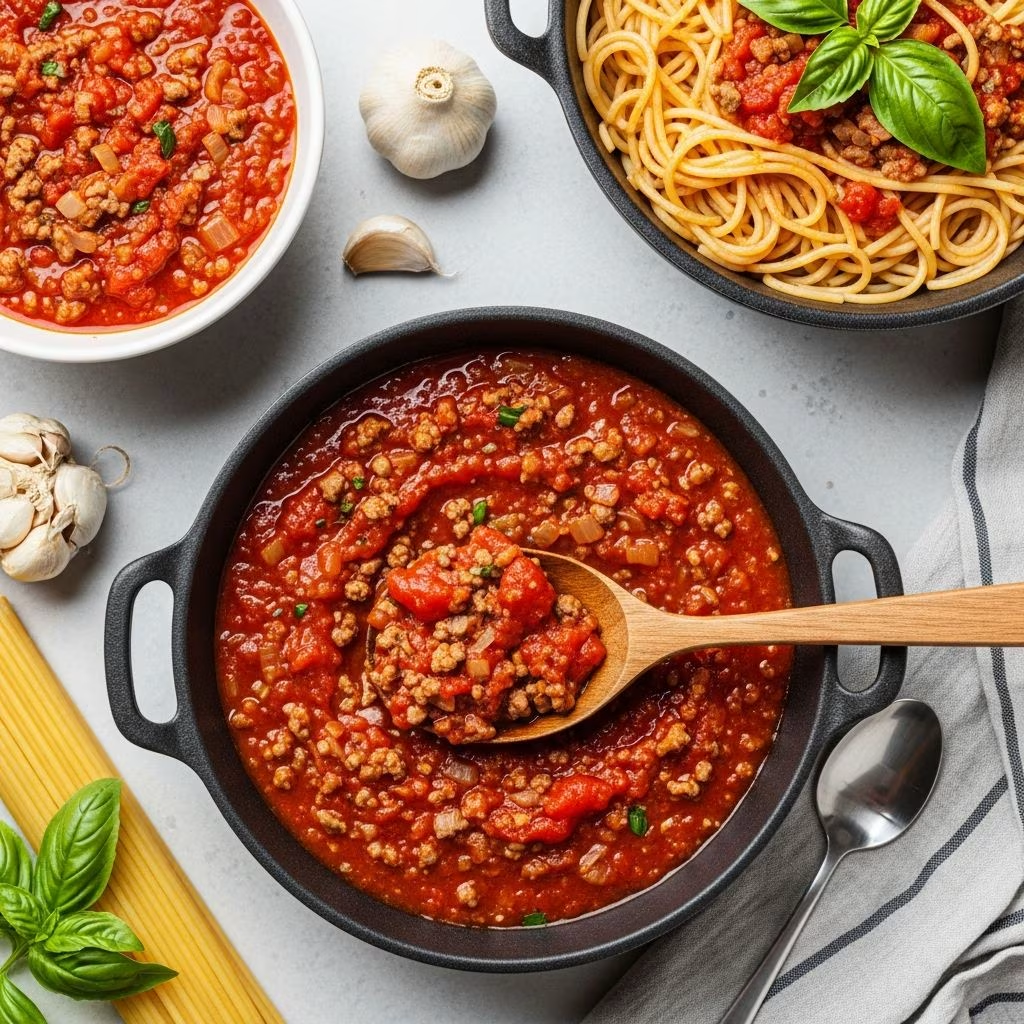
When life gets hectic, having a supply of homemade sauce in your freezer can be a game-changer for your weekly meal planning. A well-crafted freezer spaghetti sauce provides the foundation for countless dishes beyond traditional pasta, from pizza nights to hearty casseroles. This comprehensive guide explores the techniques, ingredients, and strategies for creating a versatile tomato-based sauce that maintains quality and flavor over extended storage periods.
Understanding the Foundation of Quality Freezer Sauce
The key to successful freezer storage lies in understanding how flavors develop and stabilize during the cooking process. Unlike fresh sauce consumed immediately, frozen versions benefit from extended simmering that allows ingredients to meld thoroughly. The process of slow-cooking breaks down tomato solids, distributes fat evenly throughout the mixture, and creates a cohesive texture that freezes and thaws remarkably well.
Quality freezer sauces typically feature a balanced combination of aromatic vegetables, quality protein, and carefully selected seasonings. The cooking method—whether stovetop, slow cooker, or pressure cooking—significantly impacts the final flavor profile and preservation qualities. Most home cooks find that longer, gentler cooking methods produce superior results for freezer storage compared to quick-cook alternatives.
Essential Ingredients and Their Roles
The Protein Component
Ground beef forms the traditional protein backbone of this style of sauce, with three pounds being a typical starting quantity for recipes that yield multiple servings. The meat should be cooked and fully drained before incorporating into the sauce base, ensuring that excess fat doesn’t compromise texture during freezing. Some cooks prefer browning the meat with aromatic vegetables to build deeper flavor layers before combining with tomato products.
Tomato Products and Base
The combination of tomato sauce and crushed tomatoes creates both depth and body within the finished product. A standard ratio might include three 28-ounce cans of tomato sauce alongside six 28-ounce cans of crushed tomatoes, though bulk alternatives from warehouse retailers offer similar quality at potentially better value. The dual-tomato approach balances smooth sauce elements with hearty tomato chunks that add textural interest.
Aromatic Vegetables
Onions and garlic form the aromatic base that develops complexity during extended cooking. Finely chopped onions release their natural sugars and become almost imperceptible in the finished sauce, while minced fresh garlic contributes bold, savory notes. Some variations incorporate green bell pepper for additional vegetable content and subtle sweetness, expanding the vegetable profile beyond the traditional onion-garlic combination.
Fat Component
Olive oil or vegetable oil serves multiple functions beyond flavor contribution, facilitating the cooking process and helping distribute fat-soluble flavors throughout the sauce. A quarter to half cup of oil prevents sticking during extended cooking and creates the silky mouthfeel that characterizes well-made tomato sauce.
Building Flavor Through Seasoning Strategy
The spice profile distinguishes competent freezer sauce from exceptional versions that family members request repeatedly. Rather than relying on salt alone, successful recipes layer multiple dried herbs that complement both beef and tomato:
- Black pepper provides foundational bite and complexity
- Dried oregano contributes Mediterranean authenticity and depth
- Dried basil adds sweet, slightly peppery notes essential to Italian-style sauces
- Thyme brings subtle earthiness and herbal sophistication
- Paprika introduces gentle warmth and color
- Parsley rounds out the herb combination with fresh-tasting elements
Typical proportions include one tablespoon each of paprika, salt, and parsley, with three tablespoons each of oregano and basil, creating a well-balanced seasoning profile. These measurements should be adjusted to personal preference, with more adventurous cooks potentially incorporating additional garlic, red pepper flakes, or Italian seasoning blends.
Step-by-Step Preparation Method
Initial Preparation Phase
Begin by cooking and thoroughly draining the ground beef, removing excess fat that would otherwise cloud the sauce during storage. While the meat cooks, prepare the aromatic vegetables by chopping onions into fine pieces that will eventually dissolve into the sauce during extended cooking. Mince fresh garlic if using, and chop bell pepper if incorporating this optional ingredient.
Assembly and Cooking
Combine all ingredients in a large cooking vessel—whether a traditional pot, slow cooker, or other cooking appliance. Stir thoroughly to distribute seasonings evenly and ensure no dry spice particles remain on the bottom of the container. Bring the mixture to a simmer over medium-high heat, then reduce to the lowest heat setting for extended, gentle cooking.
The cooking duration significantly impacts flavor development, with most recipes recommending a minimum of two hours on stovetop settings or three to four hours in slow cooker environments. During this time, stir occasionally—approximately every thirty minutes if using stovetop methods—to prevent sticking and ensure even heating throughout the massive volume of sauce.
Cooling and Storage Preparation
Allow the sauce to cool completely before transferring to freezer-safe containers. This step prevents condensation buildup and temperature fluctuations that could compromise food safety and quality. Divide the cooled sauce into appropriately-sized containers based on anticipated usage patterns—larger containers for family meals and smaller portions for individual servings or pizza sauce applications.
Freezing and Storage Best Practices
Proper freezing technique determines how well your sauce maintains quality over weeks and months of storage. Leave approximately one-half inch of headspace in containers to accommodate expansion as the sauce freezes. Label each container with the preparation date and contents, enabling easy identification and first-in-first-out rotation.
Freezer storage typically maintains sauce quality for three to four months, though properly prepared versions can remain acceptable for longer periods under optimal conditions. When ready to use, thaw overnight in the refrigerator rather than at room temperature to minimize bacterial growth risks. Thawed sauce can be gently reheated on the stovetop or in microwave-safe containers.
Alternative Cooking Methods and Adaptations
Slow Cooker Approach
For those preferring hands-off cooking methods, slow cookers excel at producing exceptionally tender, well-developed sauces. Combine all ingredients in the slow cooker basin and cook on LOW for three to four hours, stirring occasionally. This method allows busy home cooks to prepare sauce during morning hours before work, with finished product ready for evening portioning and freezing.
Pressure Cooking Alternative
Those with pressure cooking equipment can process finished sauce for shelf-stable storage rather than freezing. Process pint jars for one hour and quart jars for one hour and fifteen minutes at ten pounds pressure, following established pressure canning guidelines for safety and quality assurance.
Versatile Uses Beyond Traditional Spaghetti
The beauty of batch-prepared sauce lies in its adaptability across numerous dishes. Beyond serving over pasta, use portions as:
- Pizza sauce base requiring only minimal additional seasoning
- Lasagna filling when combined with ricotta and cheese layers
- Chili ingredient by adding beans and additional spices
- Slow cooker meatball braising medium
- Enchilada sauce component when thinned slightly
- Shakshuka base for poached eggs
- Soup foundation with added broth and vegetables
This versatility transforms a single batch cooking session into multiple meal solutions across different weeks and meal types, maximizing the return on your preparation investment.
Customization Options for Dietary Preferences
The base recipe adapts readily to various dietary approaches and food restrictions. Gluten-free preparation requires no modifications, as traditional recipes contain no gluten-containing ingredients. Those following keto or low-carb approaches find this sauce compatible with their macronutrient targets, making it an excellent freezer staple for restricted-diet adherents.
Paleo and Whole30 compliant versions require only careful attention to ingredient sourcing—ensuring tomato products contain no added sugars or questionable additives, and selecting appropriately-sourced beef products. Dairy-free preparation is naturally accommodated by the traditional recipe design, with no cheese or cream components requiring substitution.
Frequently Asked Questions
How many servings does a standard batch produce?
A full-size batch typically yields approximately 32 servings of sauce, providing substantial freezer reserves for multiple meal applications. The exact serving count depends on portion size and whether the sauce is used as a primary dish component or supporting element.
Can the recipe be scaled down for smaller households?
Absolutely. Divide all ingredient quantities proportionally—a half-batch uses half the ground beef, half the tomato cans, and half the seasonings. Cooking time remains similar regardless of batch size, though smaller volumes may cook slightly faster.
What container types work best for freezer storage?
Rigid plastic freezer containers with tight-fitting lids work excellently, as do heavy-duty freezer bags for flat storage. Glass containers are acceptable but require careful handling due to breakage risks. Avoid thin plastic containers that may crack or warp during freezing.
How should frozen sauce be thawed?
Safe thawing occurs overnight in the refrigerator, allowing gradual temperature increases that prevent bacterial proliferation. Avoid leaving sauce at room temperature, and never thaw and refreeze sauce portions without cooking.
Does sauce quality degrade significantly during freezer storage?
Properly prepared sauce maintains excellent quality for three to four months, with minimal quality degradation during this window. Flavor remains vibrant and texture stays consistent when freezing procedures are followed correctly.
Mastering Batch Cooking for Lifelong Convenience
Developing skill at preparing freezer-friendly sauce represents an investment in future convenience and meal satisfaction. The relatively straightforward preparation process yields disproportionate benefits when you face hectic weeknights craving homemade quality without time investment. By perfecting this fundamental recipe and understanding its countless applications, home cooks gain a reliable tool for managing nutrition, budget, and time simultaneously.
Whether you’re planning for busy seasons ahead, seeking convenient meal solutions, or simply wanting to experience the satisfaction of homemade cooking on your schedule rather than time constraints’, freezer spaghetti sauce delivers reliable, delicious results that justify the modest preparation effort required.
References
- Freezer Spaghetti Sauce — Loving Homeschool. n.d. https://lovinghomeschool.com/freezer-spaghetti-sauce/
- Freeze and Preserve Food Safely — U.S. Department of Agriculture Food Safety and Inspection Service. 2024. https://www.fsis.usda.gov/food-safety/safe-food-handling-and-preparation/food-safety-basics
- Stephanie’s Freezer Spaghetti Sauce Recipe — Say Mmm. n.d. https://www.saymmm.com/recipe/stephanie-s-freezer-spaghetti-sauce252
- Freezer Spaghetti Sauce — Sweet and Savory Food. 2012. https://www.sweetandsavoryfood.com/2012/08/freezer-spaghetti-sauce.html