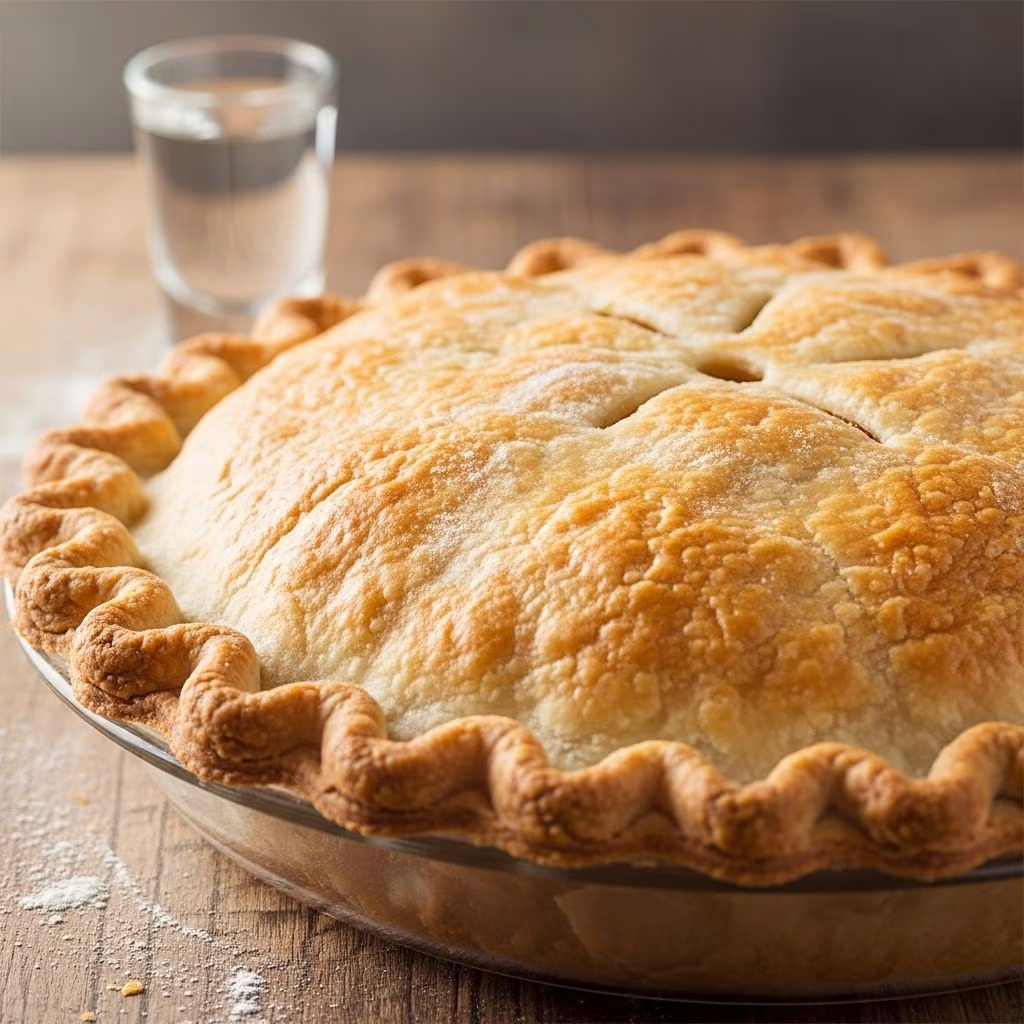
Creating a pie crust that boasts layers of flakiness, rich buttery flavor, and tender texture can elevate any dessert from good to unforgettable. The addition of vodka to the dough introduces a game-changing element that simplifies the process while delivering professional results. This method, popularized through culinary experimentation, ensures the dough remains workable without developing excess toughness, making it ideal for both novice bakers and seasoned pastry chefs.
Why Vodka Revolutionizes Pie Dough
Vodka serves a unique purpose in pie crust formulation. Unlike water, which encourages gluten development—the protein network responsible for chewiness in baked goods—vodka evaporates completely during baking. This leaves behind tender layers without compromising structure during rolling. The alcohol inhibits gluten formation, allowing for a higher moisture content that keeps the dough pliable and easy to handle.
Key benefits include:
- Superior flakiness: Butter stays cold, creating steam pockets for distinct layers.
- Foolproof handling: No cracking or tearing, even for beginners.
- Neutral flavor: High-proof, inexpensive vodka bakes off entirely, imparting no taste.
- Versatility: Works for sweet and savory pies alike.
Scientific backing from food science principles confirms that alcohol’s low boiling point (around 173°F) ensures it exits the oven before the crust sets, unlike water which steams and hydrates flour longer.
Essential Ingredients for Success
A classic vodka pie crust relies on a precise balance of high-quality components. Start with cold, unsalted butter cut into small cubes—its fat content (about 80%) provides flavor and structure. All-purpose flour forms the base, while a touch of sugar enhances browning and subtle sweetness. Kosher or table salt amplifies flavors, and ice-cold liquids prevent premature melting.
| Ingredient | Quantity (for 2-crust pie) | Purpose |
|---|---|---|
| All-purpose flour | 2½ cups (325g) | Structure and tenderness |
| Unsalted butter, cold | 1 cup (2 sticks, cubed) | Flavor and flakiness |
| Sugar | 2 tbsp | Browning and mild sweetness |
| Salt | 1 tsp | Flavor enhancement |
| Vodka, frozen | ¼ cup | Moisture without gluten |
| Ice water | ¼ cup | Hydration |
Pro tip: Freeze vodka and butter beforehand. Use bottom-shelf vodka—quality doesn’t affect the outcome since it evaporates.
Step-by-Step Dough Preparation
Making the dough takes about 20-30 minutes, plus chilling time. A food processor, stand mixer, or pastry cutter works; the goal is a shaggy mixture that just holds together.
Combine dry ingredients: Pulse flour, salt, and sugar 5-6 times to distribute evenly.
Incorporate butter: Add cold cubes and pulse 10-15 times until pea-sized pieces remain. The mixture should look sandy with visible butter chunks for optimal layers.
Add liquids: Drizzle in frozen vodka and ice water. Pulse 6-8 times until dough forms ragged shards but doesn’t fully cohere. Overmixing leads to toughness.
Form disks: Turn onto a floured surface, gently press into two 1-inch thick disks. Wrap tightly in plastic and chill 2 hours or overnight. This relaxes gluten and firms fat.
For single-crust pies, halve the recipe. Scale up for larger pies or multiple batches.
Mastering the Roll-Out Technique
Chilled dough rolls effortlessly into a 12-14 inch circle, ⅛-inch thick. Work on a lightly floured surface to prevent sticking.
- Let dough sit 5-10 minutes at room temp if rock-hard.
- Start from center, roll outward in all directions, rotating 90 degrees each pass.
- Use firm, even pressure with a straight rolling pin for control.
- Aim for even thickness; patch tears with scraps moistened with water.
Transfer by folding in half, then quarters, and unfolding into the pie plate. Trim overhang to ½-inch, fold under, and crimp edges decoratively.
Baking Methods for Perfect Results
Baking technique varies by pie type. Always chill shaped crust 30 minutes before baking to maintain shape.
Blind Baking (Par-Bake)
Ideal for custard or fruit pies with wet fillings.
- Dock with a fork to vent steam.
- Line with parchment and pie weights/beans.
- Bake 425°F (220°C) 15 mins, remove weights, bake 5-10 more until pale gold.
Fully Baked Single Crust
For quiches or tarts: After par-bake, continue at 350°F until deep golden, 10-15 mins.
Double-Crust Pies
Fill bottom crust, top with second rolled disk. Seal, vent with slits, brush with egg wash for shine. Bake 425°F first 15 mins, then 350°F until bubbly.
Temperatures and times adjust for pie size and oven quirks—monitor closely.
Common Pitfalls and Fixes
Even with vodka, issues arise. Here’s how to troubleshoot:
| Problem | Cause | Solution |
|---|---|---|
| Tough crust | Overworked dough | Handle minimally; stop at shaggy stage |
| Soggy bottom | Undrained filling | Thicken fruits, par-bake crust |
| Shrinking | Insufficient chilling | Chill 30+ mins pre-bake; avoid stretching |
| Uneven browning | Hot spots | Rotate midway; shield edges |
| Cracks on roll-out | Too cold/dry | Let warm slightly; add water 1 tsp at a time |
Store unbaked disks up to 3 days in fridge or 3 months frozen. Thaw overnight before use.
Creative Applications Beyond Traditional Pies
This dough shines in diverse recipes:
- Galettes: Free-form tarts with seasonal fruits; rustic charm.
- Hand pies: Pocket-sized treats, sealed and fried or baked.
- Savory quiches: Pair with veggies, cheese, herbs.
- Tart shells: Mini versions for appetizers.
- Pot pie tops: Flaky lids for hearty stews.
Experiment with add-ins like cheddar for apple pie or herbs for savory.
Science Deep Dive: What Makes It Flaky
Flakiness stems from fat layers separating gluten sheets. Cold butter melts in oven, releasing steam that puffs layers. Vodka boosts moisture (up to 25% more than water-only doughs) without gluten activation, as ethanol doesn’t bind proteins like H2O. Studies in food chemistry note alcohol doughs yield 20-30% flakier textures per sensory panels.
Butter’s water content (16-18%) aids steam; high ratios (flour:fat 3:1 here) ensure tenderness.
Ingredient Swaps and Dietary Adaptations
Customize while preserving texture:
- Gluten-free: 1:1 flour blend; add xanthan gum.
- Vegan: Plant butter + vodka (alcohol-free options like vinegar work similarly).
- Shortening hybrid: ½ butter, ½ shortening for extra flakiness.
- Whole wheat: Up to 50% substitution; increase liquid slightly.
Test small batches first.
Frequently Asked Questions
What if I don’t have vodka?
Substitute apple cider vinegar or water, but expect slightly tougher dough. Vodka is optimal for ease.
Does vodka taste come through?
No—it fully evaporates, leaving no flavor.
How thin should I roll?
⅛-inch for most; thinner for delicate tarts.
Can I make ahead?
Yes, freeze up to 3 months. Thaw in fridge.
Why shaggy dough?
Preserves butter pieces for steam pockets, ensuring flakiness.
Pro Tips from Seasoned Bakers
- Invest in a bench scraper for clean transfers.
- Grate frozen butter for even distribution.
- For glossy finish, egg wash + coarse sugar.
- Pair with cornstarch-thickened fillings to avoid sogginess.
- Scale for mini pies: Halve for 4-inch pans.
References
- Vodka Pie Crust – Chef Lindsey Farr — Chef Lindsey Farr. 2023-10-15. https://cheflindseyfarr.com/vodka-all-butter-pie-crust/
- Flaky Vodka Pie Crust (with Butter) – State of Dinner — State of Dinner. 2024-05-22. https://stateofdinner.com/vodka-pie-crust/
- Extra Flakey Vodka Pie Crust Recipe | Try it with me! – YouTube — YouTube. 2022-11-10. https://www.youtube.com/watch?v=78IR6-i-7bg
- All Butter Vodka Pie Dough Recipe – Baking the Goods — Baking the Goods. 2023-08-05. https://bakingthegoods.com/butter-vodka-pie-dough-recipe/
- Foolproof Vodka Pie Crust — Explorers Kitchen. 2024-02-14. https://explorers.kitchen/recipes/foolproof-vodka-pie-crust/