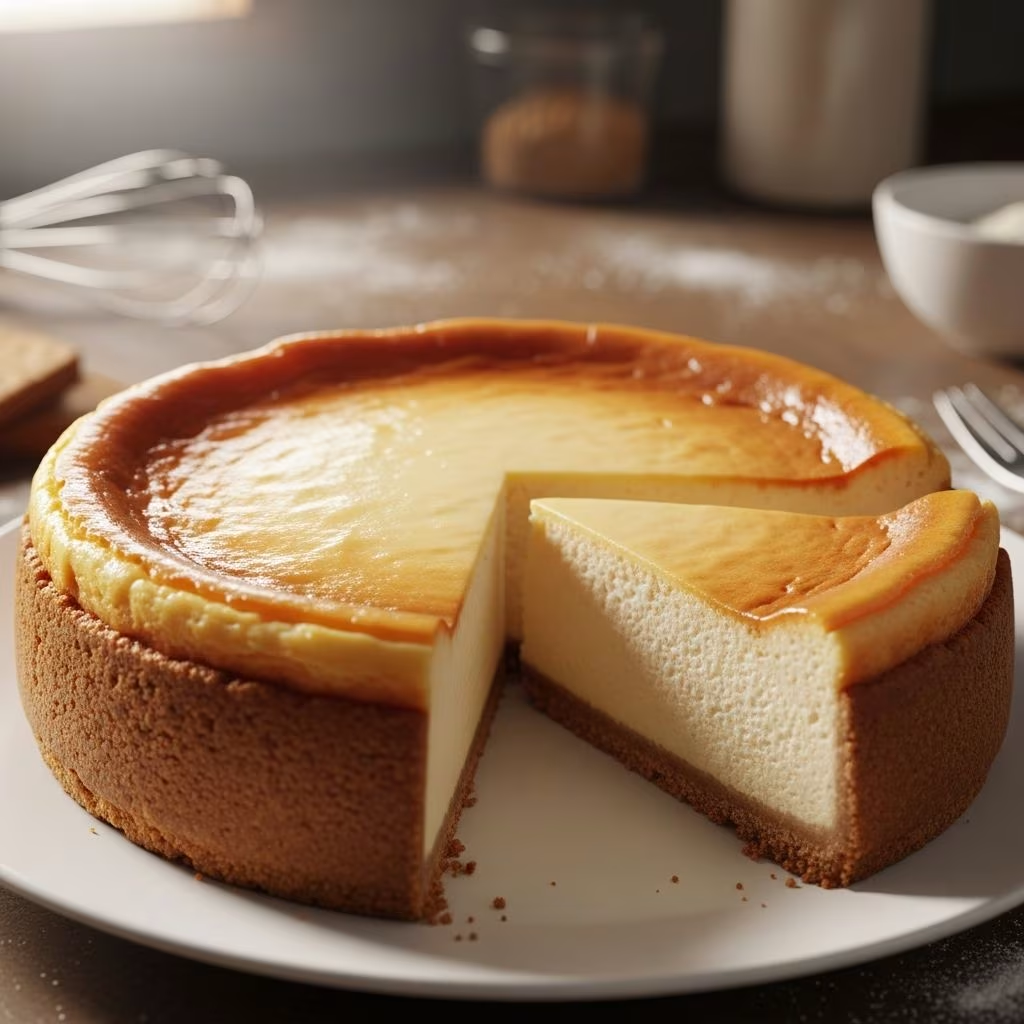
Cheesecake stands as a timeless dessert favorite, celebrated for its rich, velvety texture and versatility for toppings. Achieving the ideal balance of creamy filling and sturdy crust requires attention to detail, but with the right approach, anyone can produce restaurant-quality results. This guide draws from proven methods to deliver a foolproof recipe, complete with variations and solutions to common pitfalls.
Why Cheesecake Captivates Bakers Everywhere
From elegant dinner parties to casual gatherings, cheesecake delivers indulgence in every slice. Its appeal lies in the contrast between a crisp graham cracker base and a smooth, tangy filling that melts in the mouth. Unlike lighter cakes, cheesecake demands patience during preparation and cooling, rewarding bakers with a dessert that improves with time. Key to success is using high-quality, full-fat ingredients and precise mixing techniques to avoid cracks or sogginess.
Essential Ingredients for Superior Flavor
The foundation of exceptional cheesecake begins with premium components. Cream cheese forms the backbone, providing structure and creaminess when softened properly. Sour cream adds a subtle tang and lightness, while eggs contribute to the custard-like set without overbeating.
- Full-fat cream cheese (around 32 oz or 910g): Ensures richness; avoid low-fat versions for best texture.
- Granulated sugar (1-1.5 cups): Sweetens evenly; use fine sugar to dissolve quickly.
- Sour cream (⅔-1 cup): Balances sweetness and adds moisture.
- Eggs (4 large, room temperature): Bind the mixture; add one at a time to prevent lumps.
- Vanilla extract (1.5 tsp): Enhances flavor depth.
- Salt and optional cornstarch/flour: Stabilizes and seasons (⅛ tsp salt, 3 tbsp flour or cornstarch).
For the crust, graham cracker crumbs (1.5-2 cups), melted butter (5-7 tbsp), and sugar create a buttery, golden base that holds up under the filling.
Building the Perfect Graham Cracker Crust
A well-executed crust provides crunch and prevents sogginess. Start by processing graham crackers into fine crumbs or crushing them in a bag for uniformity.
- Preheat oven to 350°F (175°C).
- Mix 1.5 cups crumbs, 5 tbsp melted butter, 3-5 tbsp sugar, pinch of salt, and optional cinnamon.
- Press firmly into a 9-inch springform pan, covering bottom and 1-2 inches up sides.
- Bake 10-15 minutes until set, then cool completely.
Pro tip: Use the bottom of a glass for even pressing. Double-wrap the pan exterior in foil if using a water bath, though many recipes skip this for simplicity.
Mastering the Creamy Filling Technique
The filling’s smoothness is paramount. Overmixing introduces air bubbles that lead to cracks, so use a paddle attachment on low speed.
| Step | Action | Key Tip |
|---|---|---|
| 1. Soften cream cheese | Beat until creamy, 1-2 minutes | Room temperature prevents lumps |
| 2. Add sugar | Mix until dissolved | Scrape bowl sides frequently |
| 3. Incorporate extras | Add sour cream, vanilla, salt, flour/cornstarch | Low speed to avoid splatter |
| 4. Eggs last | One at a time, mix just until combined | Lightly beat eggs first; spatula scrape bottom |
Pour into cooled crust. Tap pan gently on counter to release air bubbles. For low-temp baking, use 250-275°F for 1-1.5 hours until edges are set but center jiggles slightly.
No-Water-Bath Method for Effortless Results
Traditional water baths ensure even cooking but risk leaks. Opt for a no-bath approach: Bake in a slow oven, then turn off heat and crack the door for gradual cooling. This prevents sudden temperature shifts that cause cracks. Place on a foil-lined sheet for insurance. Cool fully in oven (1 hour), then room temperature (2-4 hours), and chill overnight.
Baking and Cooling Timeline
Timing is crucial for texture development.
- Prep: 20-30 minutes.
- Bake: 60-90 minutes at 325°F or lower.
- Initial cool: 1 hour in oven with door ajar.
- Room cool: 2-4 hours.
- Chill: Minimum 4-6 hours, ideally overnight.
Run a knife around edges before unmolding to avoid sticking.
Troubleshooting Common Cheesecake Issues
Even pros face challenges. Here’s how to fix them:
- Cracks: Caused by overmixing, rapid cooling, or overbaking. Prevent by low-speed mixing and slow cool-down.
- Soggy crust: Ensure crust bakes fully; chill before adding filling.
- Lumps: Use room-temp ingredients; beat thoroughly at start.
- Undercooked center: Bake until 2-inch center jiggles; it firms on cooling.
- Leaks: Wrap pan tightly or skip water bath.
Flavor Variations to Elevate Your Cheesecake
Customize with add-ins post-mixing:
- Chocolate: Melt 8 oz chocolate into batter.
- Lemon: Zest one lemon and add 2 tsp extract.
- Berry Swirl: Dollop puree on batter, swirl with knife.
- Pumpkin: Swap 1 cup puree for sour cream, add spices.
Top with fresh fruit, ganache, or whipped cream for flair.
Storage and Serving Suggestions
Store covered in fridge up to 5 days or freeze slices up to 2 months (wrap tightly). Serve at room temperature for peak creaminess. Pair with coffee or wine for balance.
Nutritional Snapshot (Per Slice, 12 Servings)
| Nutrient | Amount |
|---|---|
| Calories | ~450 |
| Fat | 32g |
| Carbs | 35g |
| Protein | 7g |
Values approximate; adjust for variations.
Frequently Asked Questions
Can I make cheesecake without a springform pan?
Yes, use a deep pie dish but line with parchment for easy removal.
Why use sour cream in cheesecake?
It tenderizes the texture and cuts richness.
How do I know when it’s done baking?
Edges firm, center 2 inches jiggles like Jell-O.
Can I substitute Greek yogurt for sour cream?
Possible, but expect denser results; strain if too thick.
Freezing tips?
Freeze whole or sliced, thaw in fridge overnight.
References
- The Best Cheesecake Recipe — Sugar Spun Run. 2023. https://sugarspunrun.com/best-cheesecake-recipe/
- This is the best cheesecake recipe we made — YouTube. 2023. https://www.youtube.com/watch?v=2OxcZEdLqrY
- The BEST Classic Cheesecake Recipe — Completely Delicious. 2023. https://www.completelydelicious.com/classic-cheesecake/
- Our Best Cheesecake — Snackworks. 2023. https://www.snackworks.com/recipes/our-best-cheesecake-54757/