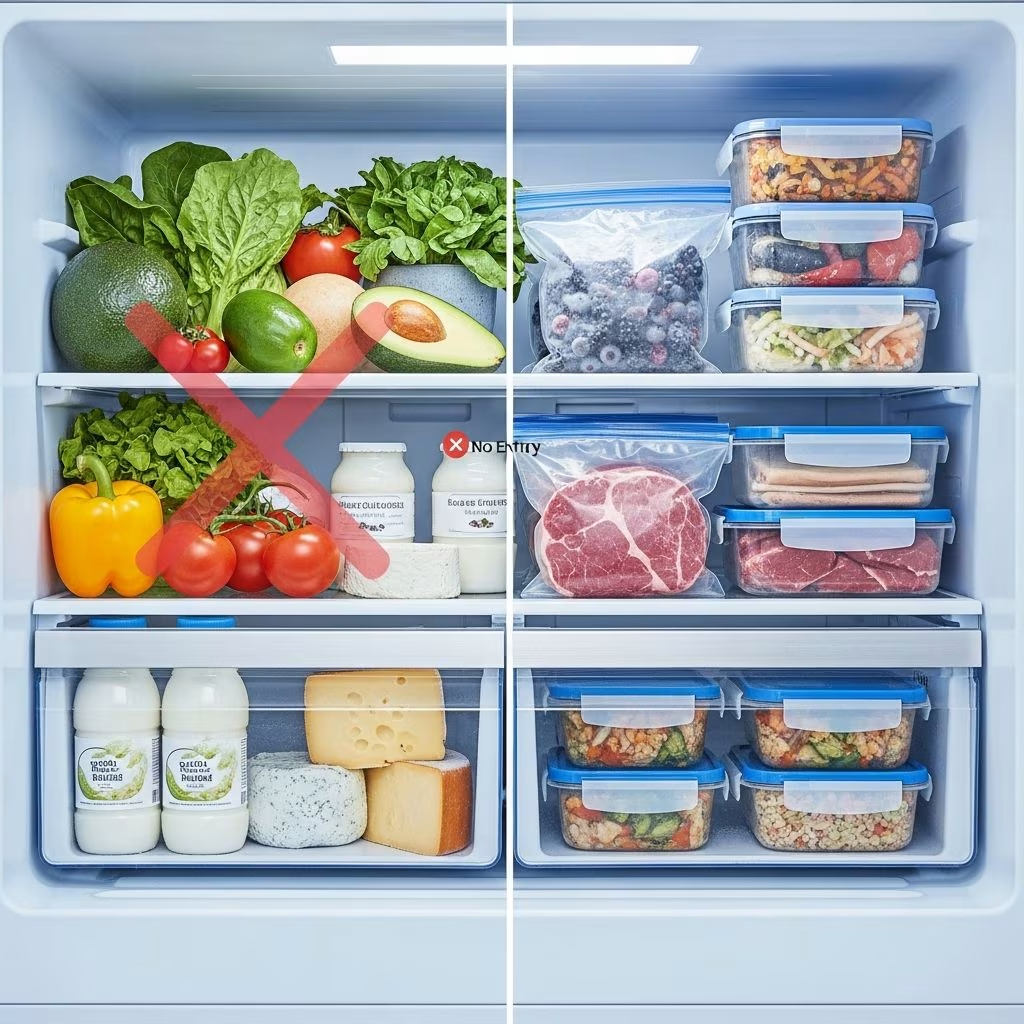
The freezer is an invaluable tool for extending the shelf life of groceries and reducing food waste. However, not every item benefits from cold storage. Many common foods experience significant degradation in texture, flavor, and overall quality when subjected to freezing temperatures. Understanding which foods don’t freeze well helps you make informed storage decisions and maintain the quality of your meals.
Why Some Foods Don’t Freeze Well
The freezing process affects foods differently depending on their composition. High-water-content items are particularly susceptible to quality loss because ice crystals form within the food structure, damaging cell walls and altering texture upon thawing. Foods with delicate structures, high fat content, or complex emulsions break down under freezing conditions. Additionally, some foods experience flavor degradation, becoming bland or developing off-tastes when thawed.
The key principle is understanding that freezing preserves safety but not always quality. While frozen foods stored at 0°F (-18°C) or below can remain safe indefinitely from a food safety perspective, their culinary qualities may deteriorate significantly.
Vegetables That Lose Their Appeal
Leafy Greens and Salad Vegetables
Raw leafy vegetables such as spinach, kale, lettuce, arugula, and bok choy contain substantial amounts of water, typically 80-95% by weight. When these vegetables freeze, ice crystals puncture cell membranes, destroying the crisp texture that makes them desirable. Upon thawing, they become limp, mushy, and significantly less flavorful than their fresh counterparts.
If you want to preserve leafy greens for future use, consider blanching them lightly before freezing. Brief exposure to boiling water followed by ice-water cooling helps inactivate enzymes and partially preserve texture. Alternatively, reserve greens for cooked applications like soups, stews, or smoothies where texture changes are less noticeable.
Water-Rich Fruits
Watermelon, cantaloupe, and other melons with high water content become grainy and mushy when frozen and thawed. The freezing process transforms the flesh into an unpleasant spongy consistency unsuitable for fresh eating. However, this doesn’t mean waste your surplus melons. Blend them into purees and freeze in ice cube trays for later use in beverages, smoothies, or frozen desserts. This approach preserves the fruit’s nutritional value and sweetness while avoiding the textural disappointment of thawed frozen melon slices.
Dairy Products and Temperature Sensitivity
Milk and Cream-Based Products
Milk contains both water and fat, which freeze and thaw at different rates. This incompatibility causes separation, resulting in a grainy, watery consistency that’s unpalatable straight from the thaw. The separation is particularly pronounced in whole milk due to its higher fat content. While technically safe, thawed milk works poorly for drinking or cereal but remains acceptable for cooking applications where the texture matters less.
Cream, sour cream, and yogurt share similar problems. The fat globules and protein structures break down during freezing, leaving a separated, curdled appearance. These products are best stored in the refrigerator within their intended shelf life rather than attempting freezer storage.
Soft and Fresh Cheeses
Creamy cheeses like Brie, goat cheese, ricotta, and fresh mozzarella have high moisture content and delicate structures. Freezing causes them to become crumbly, grainy, or excessively watery upon thawing. The smooth, spreadable consistency that defines these cheeses disappears completely. Hard cheeses with lower moisture content freeze more successfully, but soft varieties should remain refrigerated and consumed within their recommended timeframe.
Prepared Foods and Texture Loss
Fried Foods Lose Their Crunch
Homemade fried foods present a particular challenge. While commercially frozen fried items like frozen French fries are specially processed and formulated for freezing, homemade versions behave differently. The batter or breading coating absorbs ambient moisture during freezing and storage, causing it to become soggy when reheated. The satisfying crunch disappears, replaced by a limp, oil-logged texture.
Instead of freezing fried leftovers, refrigerate them for a day or two and enjoy them within this shorter window. Reheating in an air fryer or convection oven may partially restore crispness by removing surface moisture.
Desserts with Delicate Components
Cakes, pastries, and pies with egg wash glazes, delicate frostings, or crumb toppings suffer significant quality loss in the freezer. Moisture migration causes frostings to become soggy and crumb toppings to lose their texture. Cakes with custard or cream fillings experience separation and graininess. If you must freeze desserts, opt for those with sturdy structures and minimal delicate toppings, such as unfrosted sheet cakes that can be frosted after thawing.
Condiments and Emulsified Sauces
Mayonnaise, aioli, hollandaise, and other oil-based or emulsified condiments depend on a stable suspension of fat and water. Freezing disrupts this emulsion. Upon thawing, these sauces separate into layers of grainy, watery, or oily components that no longer function as intended. Using them on sandwiches or salads results in a disappointing, unappetizing texture.
Vinegar-based dressings and hot sauces freeze more successfully due to their acid content, which helps preserve stability. Read product labels or test small batches if you’re uncertain about specific condiments.
Protein Considerations
Hard-Boiled Eggs
Hard-boiled eggs present a unique challenge. While the yolk can freeze, the white becomes rubbery and unpleasant after thawing. If you want to meal-prep eggs, refrigerate them in their shells within a covered container for up to one week. Peel them only immediately before eating to maintain texture and minimize oxidation.
Refrozen Meat
Meat that has been thawed should ideally be cooked immediately rather than refrozen. Each freeze-thaw cycle damages muscle fibers, causing moisture loss and textural changes that make the meat tough and dry. While refreezing defrosted meat remains food-safe when proper guidelines are followed, it results in inferior quality compared to meat frozen only once. Plan meals carefully to avoid this situation whenever possible.
Canned Goods Present Safety Concerns
Freezing canned goods is never recommended, regardless of content. The liquid inside expands as it freezes, building pressure that can cause the can to bulge, crack, or burst. This creates both a messy situation and potential food safety issues. If you need to freeze the contents of a can, transfer the food to an airtight container or freezer-safe bag first. This approach maintains food safety, prevents mess, and helps preserve quality.
Fresh Herbs Become Flavorless
Fresh herbs such as basil, parsley, cilantro, and chives contain high water content and delicate cell structures. Freezing damages these cells, resulting in mushy, discolored herbs that have lost much of their distinctive flavor. The texture becomes unsuitable for fresh applications like garnishes or salads.
Preserve fresh herbs through alternative methods instead. Finely chop them and combine with oil or butter to create herb-infused cubes that maintain better flavor and can be added to hot dishes during cooking. Alternatively, freeze whole sprigs in oil-filled ice cube trays for cooking applications.
Common Food Storage Comparison
| Food Item | Freezing Result | Better Storage Option | Shelf Life |
|---|---|---|---|
| Leafy Greens | Becomes mushy, loses flavor | Refrigerator in produce drawer | 3-7 days |
| Soft Cheese | Becomes grainy, separates | Refrigerator in original packaging | 1-2 weeks |
| Milk | Separates, becomes grainy | Refrigerator | 7-10 days |
| Mayonnaise | Emulsion breaks, becomes watery | Pantry or refrigerator | 2-3 months |
| Fresh Herbs | Becomes mushy, loses flavor | Refrigerator in water or oil | 1-2 weeks |
| Hard-Boiled Eggs | Whites become rubbery | Refrigerator in shells | 7 days |
| Fried Foods | Coating becomes soggy | Refrigerator | 2-4 days |
Frequently Asked Questions
Can you freeze any vegetables?
Not all vegetables respond equally to freezing. Root vegetables, cruciferous vegetables like broccoli and cauliflower, and legumes freeze relatively well, especially when blanched first. Water-rich vegetables with delicate structures, particularly raw leafy greens, do not freeze well. Consider the water content and cell structure when deciding whether to freeze produce.
What’s the difference between flash freezing and regular freezing?
Flash freezing exposes food to extremely cold temperatures very quickly, forming smaller ice crystals that cause less cell damage. This method is used commercially for many frozen vegetables and fruits. Home freezers cannot achieve flash-freezing temperatures, so homemade frozen goods typically experience more texture degradation.
Can frozen foods go bad?
Frozen foods remain safe indefinitely at 0°F (-18°C) or below from a food safety perspective. However, quality deteriorates over time through processes like freezer burn, oxidation, and flavor loss. For best quality, consume frozen foods within recommended timeframes: 3-4 months for ground meat, 4-12 months for whole cuts, and 6-8 months for poultry.
How should I reheat frozen fried foods?
Use an air fryer or convection oven rather than a microwave to reheat frozen fried foods. These methods remove surface moisture and help partially restore crispness. Microwaving typically results in soggy texture due to moisture entrapment.
Is it safe to refreeze thawed meat?
Thawed meat can be refrozen safely if it remained at refrigerator temperature and was thawed for less than a day. However, each freeze-thaw cycle damages muscle fibers and reduces quality. Plan meals to avoid refreezing whenever possible.
Practical Storage Tips
- Store vegetables intended for freezing in airtight containers or vacuum-sealed bags to minimize freezer burn
- Label frozen items with the date and contents for easy tracking
- Keep your freezer at a consistent 0°F (-18°C) for optimal food preservation
- Use the “first in, first out” method to consume older frozen items before newer ones
- Separate meat, poultry, and seafood from other frozen foods to prevent cross-contamination
- Keep an inventory of frozen items to reduce food waste and forgotten foods
Making the Right Storage Decision
The best storage method depends on how quickly you plan to use the food and whether you prioritize convenience or maximum quality. Fresh consumption always provides superior texture and flavor, but refrigerator storage extends shelf life for several days to weeks depending on the item. Freezing is ideal for long-term storage when quality loss is acceptable or when the food will be used in applications where texture changes matter less, such as smoothies or cooked dishes.
Before automatically freezing surplus food, consider whether the item typically responds well to freezing and whether you’ll realistically use it in a way that accommodates texture changes. Sometimes the best approach is consuming food at its peak rather than preserving it for an uncertain future use.
References
- Common Foods That Don’t Belong in the Freezer — Good Housekeeping. 2024. https://www.goodhousekeeping.com/cooking-tools/g69979614/common-foods-dont-belong-in-freezer/
- Cold Food Storage Chart — U.S. Department of Agriculture Food Safety and Inspection Service. https://www.foodsafety.gov/food-safety-charts/cold-food-storage-charts
- Food you shouldn’t put in the freezer — TMJ4 News. https://www.youtube.com/watch?v=0xNP7VI1u3I