When you’re planning a camping trip, meal preparation often becomes one of the most challenging aspects of the experience. Cooking over an open flame presents unique obstacles that traditional kitchen methods cannot address. However, there exists a simple yet ingenious solution that transforms campfire cooking into an effortless and enjoyable endeavor: aluminum foil packet meals. This cooking method encapsulates all the ingredients you need within a sealed foil packet, allowing heat to circulate evenly while flavors meld together perfectly. Whether you’re a seasoned camper or embarking on your first outdoor adventure, mastering foil packet cooking will elevate your camping experience significantly.
Understanding the Fundamentals of Foil Packet Cooking
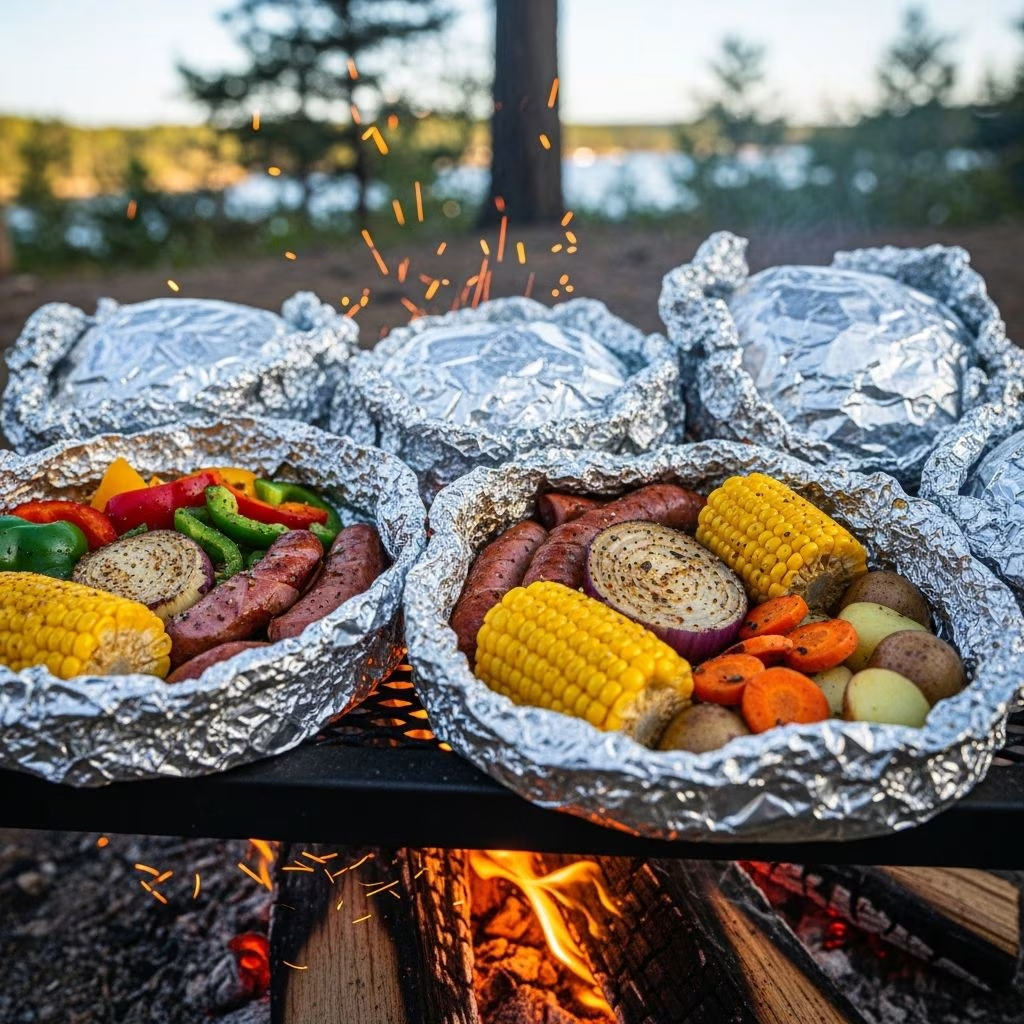
Foil packet meals represent a cooking technique where ingredients are placed on aluminum foil, wrapped securely, and then cooked using direct or indirect heat sources such as campfire coals, grill grates, or even traditional ovens. The foil acts as a protective barrier that traps steam and heat, creating an enclosed cooking environment. This method offers numerous advantages for outdoor cooking: minimal cleanup since everything cooks within the foil wrapper, reduced risk of food contamination, and the ability to prepare meals ahead of time and simply reheat them at your campsite.
The beauty of this cooking approach lies in its versatility. You can incorporate virtually any protein, vegetable combination, or seasoning profile into your packets. From surf-and-turf combinations to vegetarian creations, the possibilities are virtually limitless. Additionally, each person can receive their own customized packet tailored to their dietary preferences and flavor preferences.
Selecting and Preparing Your Materials
Success with foil packet cooking begins with choosing the appropriate materials. Heavy-duty aluminum foil is absolutely essential for this cooking method. Standard-weight foil tears easily when handled, especially when hot, potentially spilling your meal into the fire or coals. Heavy-duty varieties provide greater structural integrity and withstand the rigors of campfire cooking without compromising your dinner.
The non-stick varieties of foil offer additional advantages by preventing foods from adhering to the wrapper and making cleanup even simpler. When purchasing foil for camping trips, invest in quality products that will endure the cooking process and deliver reliable results.
Beyond foil, you’ll need basic kitchen equipment:
- Long-handled metal tongs for manipulating hot packets safely
- Heat-resistant gloves to protect your hands from flames and hot foil
- A grill grate if cooking over open fire
- Durable plates or platters for holding cooked packets
- Sharp knife for cutting and preparing ingredients
Mastering the Foil Wrapping Technique
Proper wrapping technique ensures your meal stays intact throughout the cooking process. The wrapping method protects your food from burning, prevents moisture loss, and allows steam to build up for more even cooking.
Step-by-step wrapping process:
- Lay a sheet of heavy-duty aluminum foil on a clean, flat surface
- Position all ingredients in the center of the foil, arranged in a rectangular configuration
- Grab both long sides of the foil and bring them together above the food
- Fold these edges together repeatedly, creating a tight seal that runs from one end to the other
- Fold both shorter ends inward and roll them toward the center of the packet
- For extra security when cooking over intense campfire flames, wrap the completed packet in a second layer of foil
The goal is achieving a secure seal that keeps your ingredients contained while allowing minimal steam to escape. Leave a tiny amount of space inside the packet for heat and steam circulation, but not so much that liquid spills out during cooking.
Preparation Strategies for Camping Success
One of the greatest advantages of foil packet cooking involves advance preparation. You have multiple options for readying your meals before departing for your camping adventure:
Complete assembly before the trip: Assemble entire foil packets at home, storing them in large ziplock bags to prevent marinade leakage. This approach minimizes work at your campsite but requires careful handling to prevent packets from puncturing during transport.
Ingredient pre-preparation: Chop vegetables, slice proteins, and prepare marinades at home, then combine everything in ziplock bags. Assemble packets once you arrive at your campsite. This method reduces the risk of leaky foil packets and gives you flexibility in packet assembly timing.
Marinade timing: When using marinades, ingredients can safely absorb flavors for up to 24 hours before cooking. This extended marinating time develops deeper, more complex taste profiles and ensures thorough seasoning penetration.
Building Your Campfire for Optimal Cooking
Successful foil packet cooking depends largely on proper fire management. Unlike cooking with open flames where you might need visible fire, foil packet meals require specific heat conditions.
Ideal campfire conditions include:
- Building a substantial fire and allowing it to burn down to mostly hot coals or embers
- Achieving a temperature range between 375-400 degrees Fahrenheit for consistent results
- Waiting until large chunks of charred wood display ashy-white exteriors with red centers, indicating optimal heat intensity
- Avoiding placement directly over roaring flames, which creates uneven cooking and potential burning
Using indirect heat or coals rather than direct flame flames allows your meals to cook through evenly without scorching the exterior of the foil packet. This patient approach to fire preparation pays dividends in meal quality and consistency.
Cooking Your Foil Packets at the Campsite
Once your fire reaches the ideal temperature and your packets are ready, the actual cooking process becomes straightforward. Place packets on your grill grate positioned above the hot coals, using long-handled tongs to position them safely and prevent burns.
Typical cooking durations range from 15 to 25 minutes, depending on ingredient density and the heat intensity of your fire. Midway through the cooking time, carefully flip each packet using tongs to ensure even heat distribution. Listen for a gentle sizzle emanating from inside the packets—this auditory cue indicates that cooking is proceeding correctly and flavors are developing.
Determine doneness by checking that vegetables have become fork-tender and proteins have reached safe internal temperatures. Remove packets using heat-resistant gloves and long tongs, transferring them to heat-safe plates or serving boards.
Creating Complementary Flavor Combinations
The flexibility of foil packet cooking extends to virtually unlimited flavor profiles. Consider these proven ingredient combinations:
| Protein Base | Vegetable Selection | Seasonings & Herbs |
|---|---|---|
| Sliced steak | Red potatoes, bell peppers, onions | Garlic, thyme, oregano, basil |
| Sausage links | Red potatoes, peppers, onions | Cajun seasoning, garlic, olive oil |
| Chicken breast | Zucchini, asparagus, bell peppers | Lemon, dried herbs, barbecue sauce |
| Shrimp | Corn, bell peppers, zucchini | Cajun spices, garlic, butter |
| Mixed vegetables | Corn, zucchini, peppers, mushrooms | Sriracha, red pepper flakes, soy sauce |
Each combination offers distinct flavor profiles while maintaining the fundamental cooking method. Don’t hesitate to experiment with different seasonings and ingredient pairings based on your personal preferences and dietary requirements.
Vegetable Selection and Preparation
Vegetables form the foundation of most foil packet meals, providing nutrition, texture, and flavor complexity. When selecting vegetables for camping meals, choose varieties that withstand extended cooking without becoming mushy:
- Root vegetables: Red potatoes, sweet potatoes, and carrots provide hearty substance and develop sweet undertones during cooking
- Peppers: Bell peppers in various colors add sweetness, color, and moderate cooking times
- Onions: Both yellow and red onions contribute aromatic qualities and caramelize during cooking
- Corn: Fresh corn on the cob maintains texture and adds subtle sweetness
- Zucchini: This mild vegetable absorbs surrounding flavors while retaining structural integrity
- Mushrooms: Various mushroom varieties contribute earthiness and meaty texture to vegetarian packets
Consider pre-chopping vegetables and storing them in your cooler already prepared, eliminating the need to bring cutting boards and knives to your campsite.
Protein Choices and Internal Temperature Considerations
The protein component of your foil packet determines much of the meal’s nutritional profile and flavor character. Select proteins that cook through completely within 20-25 minutes at campfire temperatures:
Excellent protein options include: Sliced steak cut into 2-inch pieces, sausage links of various varieties, chicken breasts either whole or cubed, shrimp, and ground beef. Each protein variety brings distinct characteristics and requires slightly different handling and seasoning approaches.
Always ensure proteins reach safe internal temperatures: poultry should reach 165 degrees Fahrenheit, while ground meats should achieve 160 degrees Fahrenheit. Steak can be prepared to your preferred doneness level, though medium to medium-well generally works best when cooking over campfire.
Frequently Asked Questions About Foil Packet Cooking
Q: Can I prepare foil packets days in advance?
A: Complete packets can be assembled 1-2 days ahead and refrigerated, though pre-prepared ingredients in ziplock bags offer maximum flexibility and reduce leakage risks during transport.
Q: What if I’m cooking at home in my oven instead of over a campfire?
A: Preheat your oven to 425 degrees Fahrenheit and place packets on baking sheets. Bake for 20-25 minutes until ingredients reach desired doneness. This method provides consistent temperature control and convenient indoor cooking.
Q: How do I prevent foil packets from bursting during cooking?
A: Use heavy-duty foil with secure wrapping techniques. For campfire cooking, wrap packets in a second layer of foil. Avoid overfilling packets, and ensure steam has space to build without excessive pressure.
Q: Can I reheat pre-cooked foil packets at my campsite?
A: Yes, rotate packets occasionally using long metal tongs over hot coals for approximately 8-10 minutes until thoroughly warmed. Listen for the characteristic sizzle indicating proper reheating.
Q: What’s the difference between shiny and dull foil sides?
A: Both sides conduct heat equally, so the orientation doesn’t matter for cooking purposes. Choose whichever side you prefer facing outward.
Optimizing Your Camping Kitchen Setup
Efficient organization ensures smooth meal preparation and cooking. Designate specific areas for raw ingredient storage, packet assembly, and cooked meal service. Keep your cooler stocked with pre-cut vegetables and proteins in separate containers to streamline assembly at your campsite.
Position your campfire cooking area away from high-traffic zones to prevent accidents. Establish a safe distance for storing foil packets before cooking, keeping them away from direct heat exposure and potential hazards. Maintain easy access to your grill grate, tongs, and heat-resistant gloves so you can quickly respond to cooking needs.
Clean-up and Environmental Considerations
One of the significant advantages of foil packet cooking involves dramatically simplified cleanup. Since food cooks entirely within the foil wrapper, minimal grease or food particles scatter about your campsite. Allow foil packets to cool completely before handling, then discard spent foil in appropriate waste containers.
If your camping location permits reusable containers, consider investing in specialized foil packet alternatives designed for multiple uses. These products reduce environmental impact while maintaining the convenience and benefits of traditional foil cooking.
Conclusion
Foil packet cooking represents an accessible, versatile, and enjoyable approach to outdoor meal preparation. Whether you’re feeding a large camping group or preparing individual meals tailored to specific preferences, this cooking method delivers exceptional results with minimal effort. By mastering proper wrapping techniques, fire management, and ingredient selection, you’ll transform your campfire into a sophisticated outdoor kitchen. Plan your next camping adventure with confidence, knowing that delicious, satisfying meals await everyone at your campsite.
References
- Heavy-Duty Aluminum Foil for Outdoor Cooking — Refresh Camping. 2024. https://refreshcamping.com/steak-and-potato-foil-packets-for-campfire-or-grill/
- Make-Ahead Foil Packet Meal Preparation Strategies — Fresh Off The Grid. 2024. https://www.freshoffthegrid.com/foil-packet-meals/
- Campfire Heat Management and Cooking Instructions — Reynolds Brands. 2024. https://www.reynoldsbrands.com/tips-and-how-tos/make-ahead-foil-pack-meals-camping
- Foil Packet Wrapping Techniques for Campfire Meals — Beef Loving Texans. 2024. https://beeflovingtexans.com/recipe/campfire-cajun-sausage-and-pepper-foil-packs/