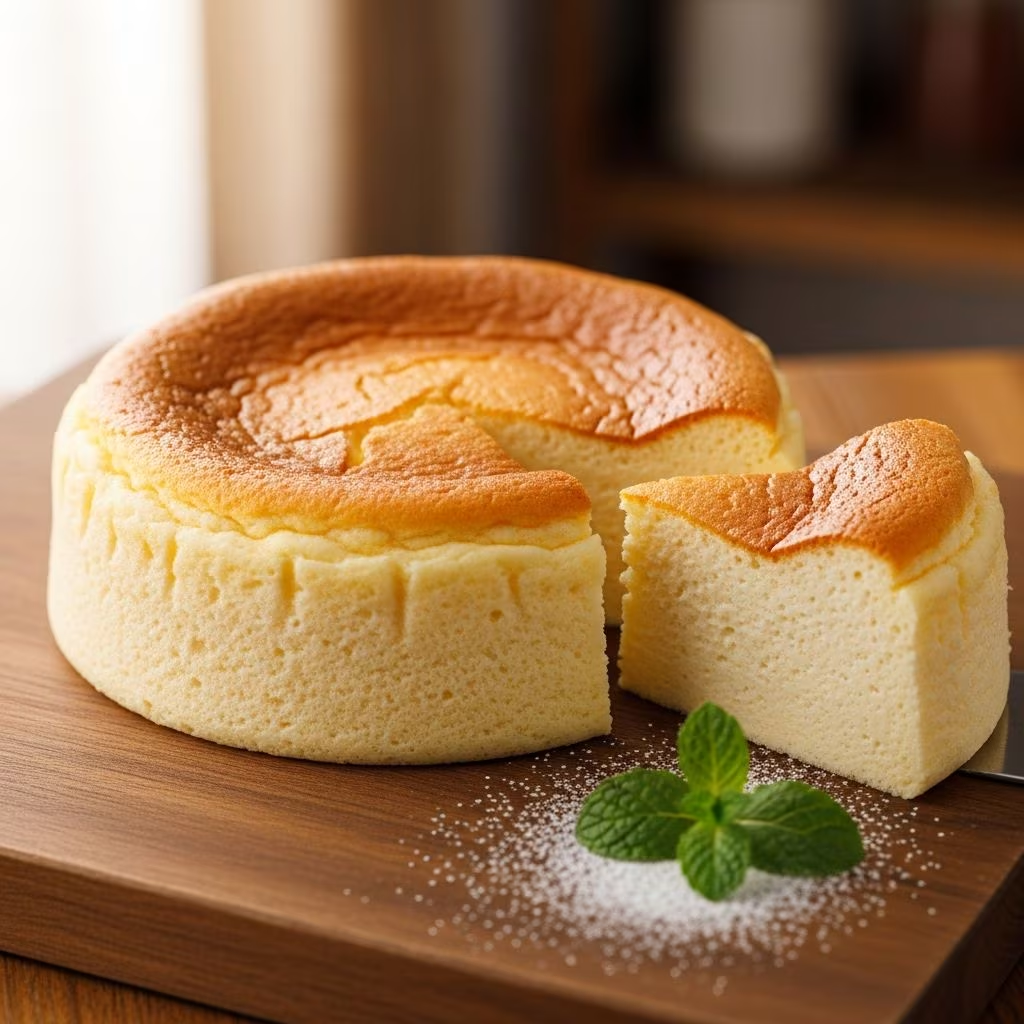
Japanese cheesecake stands out for its ethereal texture, combining the lightness of a sponge cake with the subtle tang of cream cheese. Unlike dense New York-style cheesecakes, this version rises dramatically during baking, resulting in a jiggly, cotton-soft interior that’s minimally sweet and delightfully airy.
The Origins and Appeal of Japanese Cheesecake
This dessert emerged in post-World War II Japan when cream cheese became available. Chef Tomotaro Kuzuno is credited with its creation after tasting German käsekuchen in Berlin during the 1960s. Inspired, he adapted it into a lighter form using meringue for lift, making it a staple in Japanese bakeries.
Its popularity stems from the unique mouthfeel: the exterior is slightly browned and crisp, while the inside wobbles like a soufflé. Served plain or with a dusting of powdered sugar, it highlights simple flavors without heavy toppings.
Essential Ingredients for Success
High-quality components are crucial for achieving the signature fluffiness. Key items include full-fat cream cheese for creaminess, unsalted high-fat butter, whole milk, and fresh eggs separated into yolks and whites.
- Cream cheese: 250g room temperature, full-fat like Philadelphia for smooth batter.
- Butter: 60g unsalted, preferably 82% fat European-style.
- Milk: 100ml whole milk to loosen the mixture.
- Eggs: 6 large, separated; whites whipped into meringue for structure.
- Flours: 60g cake flour and 20g cornstarch (or low-protein pastry flour) sifted to prevent lumps.
- Sugar: Divided between batter (70g) and meringue (70g) for balanced sweetness.
- Leavening aids: 1/4 tsp cream of tartar or lemon juice to stabilize meringue.
Optional additions like lemon zest or juice (1 tbsp) add a refreshing note without overpowering the delicacy.
Step-by-Step Baking Process
Preparation takes about 20-30 minutes, baking 60-75 minutes, plus cooling. Use an 8-inch springform pan wrapped in foil for a water bath to ensure even cooking and prevent sinking.
- Prepare batter base: Melt cream cheese, butter, and milk over a double boiler until silky. Whisk in egg yolks and half the sugar until pale.
- Incorporate dry ingredients: Sift in flours and salt, folding gently to avoid deflating. Set aside to cool slightly.
- Whip meringue: Beat egg whites with cream of tartar until foamy, gradually add remaining sugar to reach stiff peaks. This provides the lift.
- Fold together: Add meringue to batter in thirds, using a cut-and-fold method to preserve air bubbles.
- Bake in water bath: Preheat oven to 320°F (160°C). Pour batter into pan, tap to release bubbles, bake low and slow. Increase to 350°F (175°C) for the last 10 minutes for browning.
- Cool gradually: Turn off oven, crack door for 15 minutes, then room temperature cooling to prevent cracks.
| Stage | Oven Temp | Time | Purpose |
|---|---|---|---|
| Initial Bake | 320°F (160°C) | 50-60 min | Gentle rise |
| Final Bake | 350°F (175°C) | 10 min | Browning |
| Rest in Oven | Off | 15 min | Prevent collapse |
Mastering the Meringue Technique
The meringue is the heart of the cheesecake’s jiggle. Room-temperature whites whip higher; add acid early for stability. Beat to stiff peaks where the meringue holds shape but doesn’t look dry or weepy. Overbeating causes graininess, underbeating leads to flat cake.
Folding technique: Use a whisk or spatula, turning the bowl while scooping from the bottom. This maintains volume for maximum rise.
Common Challenges and Fixes
Bakers often face cracks, sinking, or wet centers. Here’s how to troubleshoot:
- Cracks on top: Oven too hot or door opened early. Use water bath and low temp.
- Sinking after baking: Rapid cooling shocks the structure. Gradual oven cooldown essential.
- Deflated texture: Overmixed batter or weak meringue. Check peaks and fold gently.
- Wet bottom: Insufficient baking time or leaky pan. Double-wrap foil tightly.
- Not jiggly enough: Use fresh eggs and high-fat dairy; low-protein flour yields better tenderness.
Flavor Variations to Try
While classic is best plain, experiment responsibly:
- Matcha: Add 2 tbsp matcha powder to yolk batter for green tea essence.
- Chocolate: 2 tbsp cocoa powder, reduce flour slightly.
- Gluten-free: Swap flour for sweet rice flour (mochiko).
- Citrus boost: Extra lemon zest or yuzu for tang.
A thin apricot glaze can add shine, but keep it minimal to preserve the light profile.
Storage and Serving Ideas
Store in an airtight container in the fridge up to 3 days; bring to room temp for optimal jiggle. Serves 8, about 250-300 calories per slice. Pair with fresh berries, whipped cream, or black tea for contrast.
Nutritional Profile
Per serving (1/8th): ~258 kcal, balanced with protein from eggs and cheese, moderate carbs from flours. Less sugar than Western cheesecakes makes it lighter.
Frequently Asked Questions
Why is my Japanese cheesecake not rising?
Ensure meringue reaches stiff peaks and oven is accurately calibrated. Water bath maintains humidity for even expansion.
Can I make it without a water bath?
Not recommended; it prevents cracks and ensures creamy texture. Place pan on a baking sheet with hot water as alternative.
Is cream of tartar necessary?
It stabilizes whites; substitute with lemon juice or vinegar (1/4 tsp).
How do I know when it’s done?
Center jiggles slightly, top is golden. Internal temp 160°F (70°C).
Can I bake in a regular pan?
Springform preferred for easy release; grease and line with parchment for sticking prevention.
Advanced Tips from Seasoned Bakers
For pro results: Weigh ingredients for precision, use a kitchen scale. Sift flours twice. Avoid convection ovens; steam can cause uneven browning. Test doneness with a skewer—slightly moist is ideal as residual heat finishes cooking.
Scaling: Recipe fits 8-inch pan; larger pans need temp adjustments to avoid underbaking edges.
References
- Japanese Cheesecake Recipe — I Am a Food Blog. 2023. https://iamafoodblog.com/fluffy-jiggly-cotton-cheesecake-japanese-cheesecake-recipe/
- Jiggly Japanese Cheesecake — Spatula Desserts. 2023. https://www.spatuladesserts.com/jiggly-japanese-cheesecake/
- Japanese-Style Soufflé Cheesecake Recipe — King Arthur Baking. 2023. https://www.kingarthurbaking.com/recipes/japanese-style-souffle-cheesecake-recipe
- Japanese Jiggly Cheesecake — Mai Cookbook. 2023. https://maicookbook.com/japanese-jiggly-cheesecake/
- Japanese Cheesecake (Cotton Cheesecake) — RecipeTin Japan. 2023. https://japan.recipetineats.com/japanese-cheesecake-cotton-cheesecake/
- The Best Home-Baked Japanese Cheesecake Recipe — Modern Asian Baking. 2023. https://www.modernasianbaking.com/recipes/the-best-japanese-cheesecake-recipe