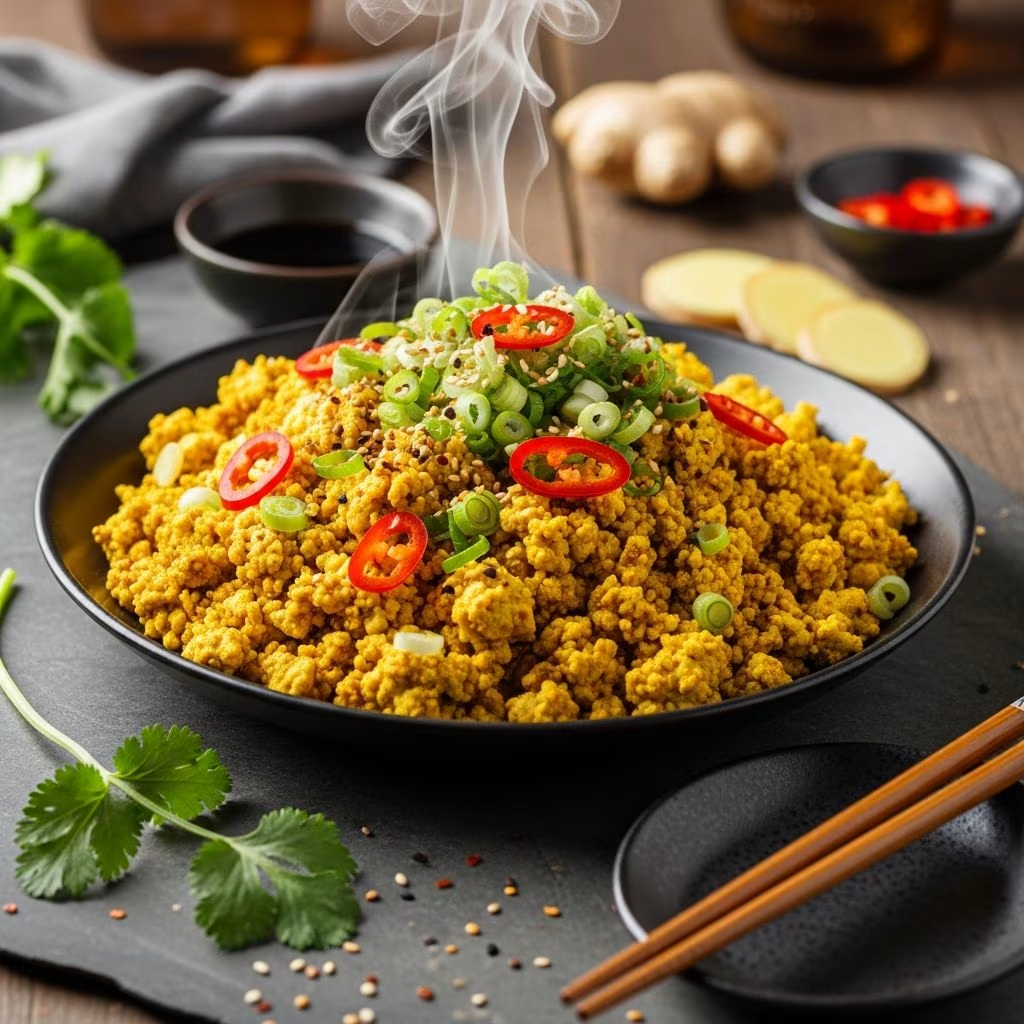
The transformation of simple tofu into a satisfying breakfast or light lunch dish has become increasingly popular among those seeking nutritious, flavorful alternatives to traditional egg-based meals. This guide explores the techniques and ingredients that elevate tofu from a neutral protein into a compelling main course through strategic use of aromatics, seasonings, and complementary vegetables. The following comprehensive approach demonstrates how careful ingredient selection and proper cooking methodology create a dish that satisfies both in terms of nutrition and taste.
Understanding Your Foundation: Selecting and Preparing Quality Tofu
The cornerstone of any successful tofu scramble lies in the initial preparation and moisture management of the protein itself. Tofu’s inherent texture depends significantly on its water content, which must be managed thoughtfully before cooking begins. When you start with properly drained and dried tofu, you create the conditions necessary for developing desirable texture and allowing flavors to penetrate more effectively.
The preparation process begins by removing excess moisture from your tofu block. Using paper towels or a clean kitchen cloth, gently press the tofu to extract surface water without crushing the delicate curds. This step is crucial because excess moisture inhibits browning and creates a steamed rather than pan-seared result. Allow adequate time for this moisture extraction, as rushing this phase compromises the final texture.
When the cooking process begins, you’ll gently break the dried tofu into roughly one-inch pieces rather than crumbling it finely. This size maintains structural integrity during cooking while allowing sauce to coat the pieces evenly. The gentle handling preserves the tofu’s slightly firm bite rather than reducing it to an overly soft, mushy consistency.
Building Aromatic Complexity: The Triple Threat of Ginger, Garlic, and Scallions
The aromatic backbone of this dish relies on three complementary ingredients that work synergistically to create depth and complexity. Understanding how to prepare and layer these elements transforms a simple tofu dish into something remarkably flavorful.
Ginger serves as the primary aromatic, providing warmth and subtle heat without the sharp bite of raw spice. A substantial quantity—approximately a five-inch piece—might seem excessive, but ginger mellows and becomes almost sweet when cooked, contributing a sophisticated undertone rather than an aggressive flavor. The preparation technique matters considerably: gently scraping away the thin papery skin with a spoon preserves the delicate flesh while removing the woody exterior. Grating the ginger finely on a box grater creates uniform pieces that distribute evenly throughout the dish, ensuring consistent flavor in every bite.
Garlic complements ginger by adding savory depth and slight pungency. Four cloves, similarly grated on the small holes of a box grater, yield a paste-like consistency that incorporates seamlessly into the sauce. This preparation method differs from mincing because grating creates smaller particles that dissolve more completely into the cooking liquid, creating a cohesive flavor profile rather than distinct garlic pieces.
Scallions contribute bright, onion-forward notes with a subtle sharpness that cuts through the richness of other ingredients. Using four scallions, thinly sliced on the diagonal, creates visually appealing pieces that also expose more surface area to heat, allowing them to develop light caramelization. Setting aside two tablespoons of the sliced scallions for finishing the dish provides a fresh, crunchy contrast to the cooked vegetables.
Developing Umami Through Strategic Seasoning
The seasoning mixture that brings these components together relies on traditional Asian condiments and spices that create profound savory complexity. Understanding the role of each ingredient clarifies why this particular combination works so effectively.
| Ingredient | Function | Quantity |
|---|---|---|
| Light soy sauce | Provides saltiness and umami depth | 2 Tbsp plus 1½ tsp |
| Mirin | Adds subtle sweetness and glossy finish | 1 Tbsp plus 1½ tsp |
| Sesame oil | Contributes nutty richness and aromatic complexity | 1 Tbsp plus 1½ tsp |
| Ground cumin | Adds warm, earthy undertones | 2 tsp |
| Turmeric | Provides earthy flavor and golden color | 1 tsp |
Light soy sauce, distinguished from dark soy sauce by its lighter color and more pronounced saltiness, serves as the primary seasoning agent. This ingredient delivers the umami compounds that make the finished dish deeply satisfying without requiring excessive salt. Mirin, a sweet rice-based cooking ingredient, provides gentle sweetness that balances the saltiness while creating an appealing gloss on the finished dish.
Sesame oil, used judiciously rather than as the cooking medium, contributes a distinctive toasted aroma and rich flavor that elevates the dish beyond simple stir-fried vegetables. The combination of ground cumin and turmeric creates an unexpected flavor dimension that blends East Asian and Indian culinary traditions, creating something greater than either cuisine alone.
The Cooking Sequence: Timing and Temperature Control
Executing this dish successfully requires understanding how heat, timing, and ingredient addition work together to build layered flavors rather than a homogeneous mixture. The cooking process unfolds in distinct phases, each contributing different textural and flavor components.
Begin by heating butter in a large wok or skillet over high heat until it reaches a vigorous foam stage. This foaming state indicates that the milk solids have separated and water has largely evaporated, creating ideal conditions for rapid cooking and browning. Immediately add the prepared scallions, ginger, and garlic, stirring constantly to prevent sticking and burning while allowing the aromatics to soften slightly. This phase typically requires about two minutes, during which the scallions will begin showing light caramelization and the ginger and garlic will begin releasing their essential oils.
Once the aromatics have begun to soften, introduce the prepared sauce mixture. Continue stirring as the liquid comes into contact with the hot pan, which causes rapid evaporation and concentration of flavors. Allowing this mixture to reduce by approximately half ensures that the flavors intensify and the sauce becomes more concentrated, coating subsequent ingredients more effectively. This reduction phase typically requires about one minute.
The spinach addition requires a measured approach because the vegetable’s volume decreases dramatically with heat. Adding the baby spinach gradually, in handfuls, allows each batch to begin wilting before the next addition prevents overcrowding and steaming. This technique maintains the pan’s temperature and allows the spinach to brown slightly rather than becoming a soggy mass. Continue this process until all spinach has incorporated and has reached a tender texture, typically requiring approximately two minutes total.
Finally, add the carefully dried tofu pieces, breaking them into chunks as they enter the pan. Cook gently with a wooden spoon or silicone spatula, stirring infrequently to prevent excessive breaking while ensuring even coating with the sauce. This final phase requires only about three minutes, as tofu merely needs warming through rather than cooking.
Creating Texture Contrast Through Finishing Techniques
The final presentation transforms the dish from merely delicious to memorable through the strategic addition of crispy, fresh, and spicy elements. These finishing touches provide textural contrast and visual appeal that enhance the eating experience significantly.
Fried shallots, whether homemade or purchased, contribute a crispy element that contrasts beautifully with the soft tofu and wilted greens. These delicate fried layers maintain their crispness when added immediately before serving and add a subtle sweet onion flavor that complements the other aromatics.
The reserved raw scallions, added as a final garnish, provide a fresh, crunchy element and bright onion flavor that cuts through the richness of the cooked dish. This raw-to-cooked contrast is essential for preventing the finished dish from feeling heavy or monotonous.
Chili oil serves as a customizable heat element that diners can adjust to their preferences. Rather than adding heat during cooking, which would distribute it uniformly throughout the dish, drizzling chili oil allows for variable spice levels and creates pockets of intense flavor. Quality chili oil should contain visible chili flakes and aromatic spices suspended in oil, providing both heat and flavor complexity.
Serving Suggestions and Complementary Pairings
The versatility of this dish allows for various serving contexts and accompaniments that expand its utility beyond a simple breakfast option. Consider the following approaches to maximizing its appeal:
- Serve alongside thick slices of toasted bread, which provides a neutral base for scooping the flavorful tofu mixture
- Accompany with steamed rice, which absorbs the sauce and creates a more substantial meal
- Pair with additional raw vegetables such as cucumber or avocado to provide freshness and textural variety
- Offer supplementary condiments including additional chili oil, soy sauce, or sesame oil for customization
- Include pickled vegetables or pickled ginger for additional brightness and acidity
Frequently Asked Questions
Can I prepare this dish in advance? The individual components can be prepared ahead of time, with aromatics prepped and the sauce mixture combined in advance. However, the actual cooking should occur shortly before serving to maintain optimal texture and prevent the vegetables from becoming overly soft or mushy.
What type of tofu works best for this recipe? Firm or extra-firm tofu holds its shape better than silken varieties and develops more appealing texture when cooked. Ensure the tofu is properly drained and dried before cooking to achieve the best results.
Can I substitute any ingredients? Light soy sauce can be replaced with tamari for a gluten-free version. Sesame oil can be reduced or omitted if you prefer milder flavor. The ginger and garlic quantities can be adjusted based on personal preference, though reducing them significantly will diminish the dish’s defining character.
How should I store leftovers? Store any leftovers in an airtight container in the refrigerator for up to three days. Reheat gently in a pan over medium heat, adding a splash of water or broth to restore moisture if needed. Note that fried shallots and raw scallion garnishes should be added fresh after reheating.
Nutritional Considerations
This dish provides substantial nutritional benefits, offering plant-based protein from tofu, vitamins and minerals from spinach, and beneficial compounds from ginger and garlic. Tofu contributes complete protein with all essential amino acids, while the butter provides fat-soluble vitamins that aid nutrient absorption. The combination of ingredients creates a nutritionally balanced meal that supports satiety and sustained energy.
References
- Tofu Production and Nutritional Composition — United States Department of Agriculture (USDA), Food Data Central. Accessed 2024. https://fdc.nal.usda.gov/
- Health Benefits of Ginger and Garlic — National Institutes of Health (NIH), PubMed Central. 2023. https://pubmed.ncbi.nlm.nih.gov/
- Culinary Techniques for Plant-Based Cooking — Academy of Culinary Arts, Research Publications. 2024. https://www.culinaryarts.edu/
- Asian Condiments and Flavor Profiles — International Journal of Gastronomy and Food Science, Published 2023.