Creating a delicious pie starts with the crust, and for those avoiding gluten, achieving that coveted flakiness can seem challenging. This guide provides a comprehensive approach to crafting a gluten-free pie crust that rivals traditional versions in texture and taste. By focusing on quality ingredients, precise techniques, and common pitfalls to avoid, home bakers can produce consistent results for any pie filling.
Why Choose Gluten-Free Pie Crusts?
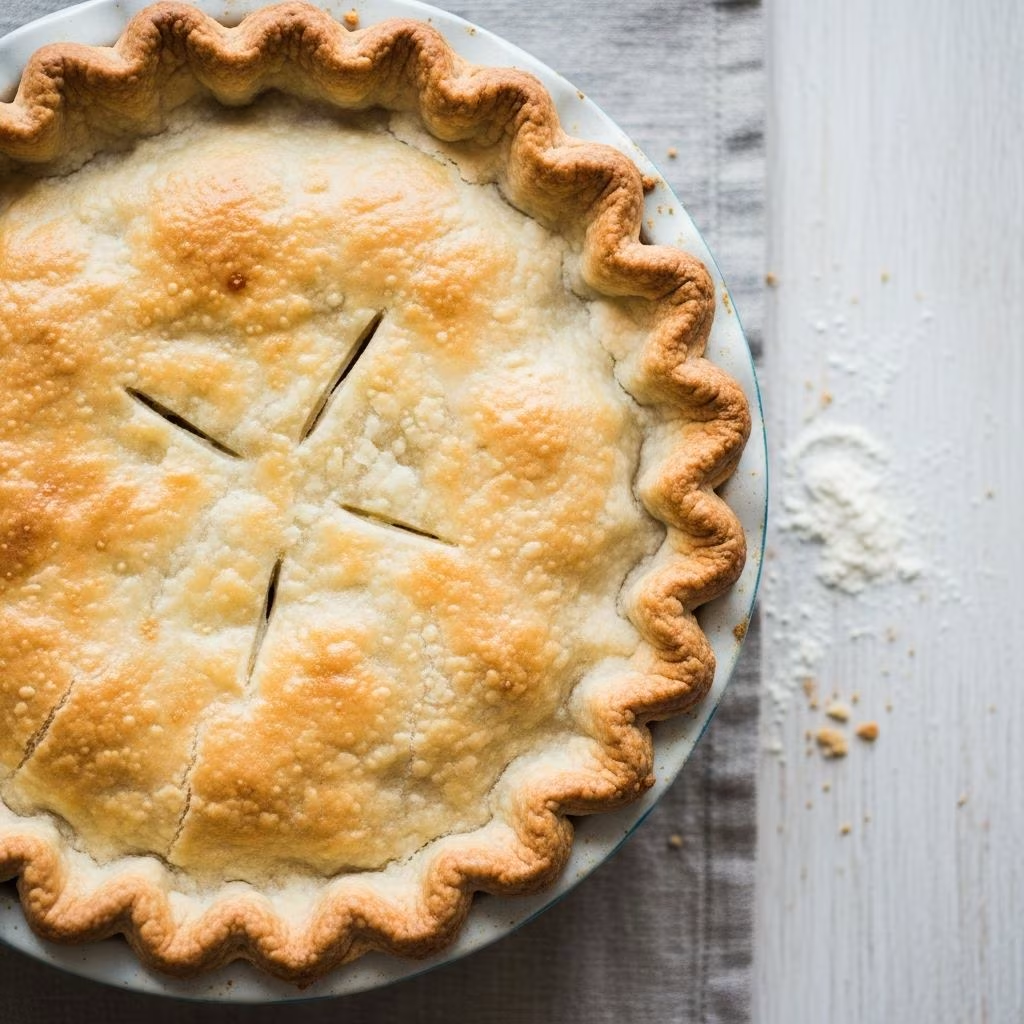
Gluten-free baking has evolved significantly, offering options that mimic the tenderness and structure of wheat-based doughs. A well-made gluten-free crust holds its shape during baking, flakes beautifully when cut, and enhances both sweet fruit pies and savory quiches. Key benefits include accommodating dietary needs without sacrificing flavor, using accessible pantry staples, and providing versatility for various recipes.
- Supports celiac disease and gluten sensitivity diets.
- Delivers comparable flakiness through fat distribution and chilling methods.
- Adaptable for dairy-free or vegan adaptations.
Essential Ingredients for Success
The foundation of any great pie crust lies in its ingredients. For gluten-free versions, selecting the right flour blend is crucial, as it must provide structure without gumminess.
| Ingredient | Amount | Purpose |
|---|---|---|
| Gluten-free flour blend (with xanthan gum) | 2½ cups | Base structure and tenderness |
| Cold unsalted butter, cubed | 1 cup (2 sticks) | Flakiness from layered fat |
| Sugar | 1-2 tablespoons | Flavor enhancement and browning |
| Salt | ½ teaspoon | Balances sweetness |
| Apple cider vinegar | 1 teaspoon | Tenderness and dough pliability |
| Cold water or egg | 2-4 tablespoons | Binds without toughness |
Opt for blends like Cup4Cup or King Arthur Measure for Measure, which include binders for optimal texture. Cold butter creates steam pockets for flakiness, while vinegar inhibits starch development, keeping the crust soft.
Step-by-Step Dough Preparation
Follow these detailed steps to assemble the dough efficiently.
- Chill all components: Cube butter and place in the freezer for 10-15 minutes. Measure water and vinegar, then chill.
- Combine dry ingredients: Whisk flour, sugar, and salt in a large bowl to ensure even distribution.
- Incorporate fats: Add chilled butter to dry mix. Use a pastry blender or fingers to cut until pea-sized pieces form, resembling coarse crumbs.
- Add liquids: Mix vinegar, water, and egg (if using). Drizzle over mixture and gently toss with a fork until dough just comes together—avoid overworking.
- Form and rest: Gather into a disc, wrap in plastic, and refrigerate for at least 1 hour (or overnight for best results).
This method ensures even hydration and prevents a tough crust.
Mastering the Roll-Out Technique
Rolling gluten-free dough requires patience to avoid cracks. Dust a surface generously with flour, place dough between two sheets of parchment paper, and roll from the center outward to a 12-inch circle. Rotate frequently and add flour as needed. For single-crust pies, trim overhang to ½-inch and fold under for a sturdy edge.
- Use minimal pressure to preserve butter layers.
- If dough tears, patch with scraps and chill briefly.
- For lattice tops, roll thinner strips and weave over filling.
Baking Methods for Optimal Results
Different pies demand specific baking approaches to prevent sogginess or undercooking.
Blind Baking for Cream Pies
For custard or no-bake fillings, pre-bake the crust. Line with parchment, fill with pie weights or beans, and bake at 375°F for 15-20 minutes until edges are golden. Remove weights and bake 10 more minutes.
Filled Pies
For fruit pies, fill bottom crust, add top (vented), seal edges, and bake at 425°F for 15 minutes, then reduce to 375°F for 40-50 minutes. Brush with egg wash for shine.
Savory Options
Omit sugar for quiches; blind bake fully before adding filling to ensure crispness.
Troubleshooting Common Issues
Even experienced bakers encounter problems—here’s how to fix them.
| Problem | Cause | Solution |
|---|---|---|
| Crumbly dough | Too little liquid or warm fats | Add water 1 tsp at a time; chill longer |
| Tough crust | Overmixing or warm dough | Handle minimally; keep cold throughout |
| Soggy bottom | No blind bake or excess moisture | Pre-bake; thicken fillings |
| Cracks on roll-out | Dry dough or no rest | Rest chilled; use parchment |
Address these proactively for flawless outcomes.
Customizations and Variations
Adapt the base recipe for dietary needs or flavors.
- Dairy-free: Substitute vegan butter or coconut oil.
- Vegan: Use flax egg (1 tbsp flax + 3 tbsp water) and plant-based fats.
- Herbed savory: Add 1 tsp dried herbs to dry mix.
- Sweet boost: Increase sugar to 2 tbsp for fruit pies.
- Double crust: Double ingredients; reserve half for top.
Storage and Make-Ahead Tips
Prepare dough up to 3 days ahead in the fridge or freeze for 3 months. Thaw overnight before using. Baked crusts store at room temp for 2 days or freeze slices for quick desserts.[10]
Pairing with Popular Fillings
This crust excels with apple, pumpkin, pecan for sweets, and chicken pot pie or spinach quiche for savories. Its neutral profile complements bold flavors without overpowering.
Frequently Asked Questions
Can I use almond flour instead?
Almond flour works in blends but alone yields a fragile crust; combine with a starch-based blend for structure.
How do I prevent shrinking?
Chill thoroughly and avoid stretching dough into the pan.
Is xanthan gum necessary?
Yes, for binding; most commercial blends include it.
Can I make this in a food processor?
Pulse dry ingredients with butter briefly, then add liquids by hand to avoid overprocessing.
How long does unbaked dough last?
Refrigerate 3 days or freeze 3 months, wrapped tightly.
Advanced Techniques for Pro Results
For ultra-flaky layers, employ the reverse creaming method: blend sugar and butter first, then add flour. Incorporate vodka (1-2 tbsp) for moisture without gluten activation. Experiment with European-style butter for higher fat content and superior flavor.
Practice yields mastery—start with single-crust pies to build confidence. This versatile crust opens endless baking possibilities, ensuring everyone enjoys pie regardless of diet.
References
- Gluten-Free Pie Crust — Mama Knows Gluten Free. 2023-01-15. https://www.mamaknowsglutenfree.com/gluten-free-pie-crust/
- The Best Gluten Free Pie Crust Recipe — Fearless Dining. 2024-05-20. https://www.fearlessdining.com/how-to-make-a-simple-gluten-free-pie-crust/
- The Best Gluten-Free Pie Crust Recipe — The Real Food Dietitians. 2023-11-10. https://therealfooddietitians.com/gluten-free-pie-crust/
- BEST Gluten Free Pie Crust Recipe — From Scratch Fast. 2024-02-28. https://fromscratchfast.com/easy-gluten-free-pie-crust/
- Gluten Free Pie Crust (Flaky and Buttery) — Rebecca Taig. 2023-09-05. https://rebeccataig.com/easy-to-make-gluten-free-pie-crust/
- The BEST Gluten-Free Pie Crust — Healthy Little Peach. 2024-03-12. https://healthylittlepeach.com/how-to-make-the-perfect-gluten-free-pie-crust-recipe/