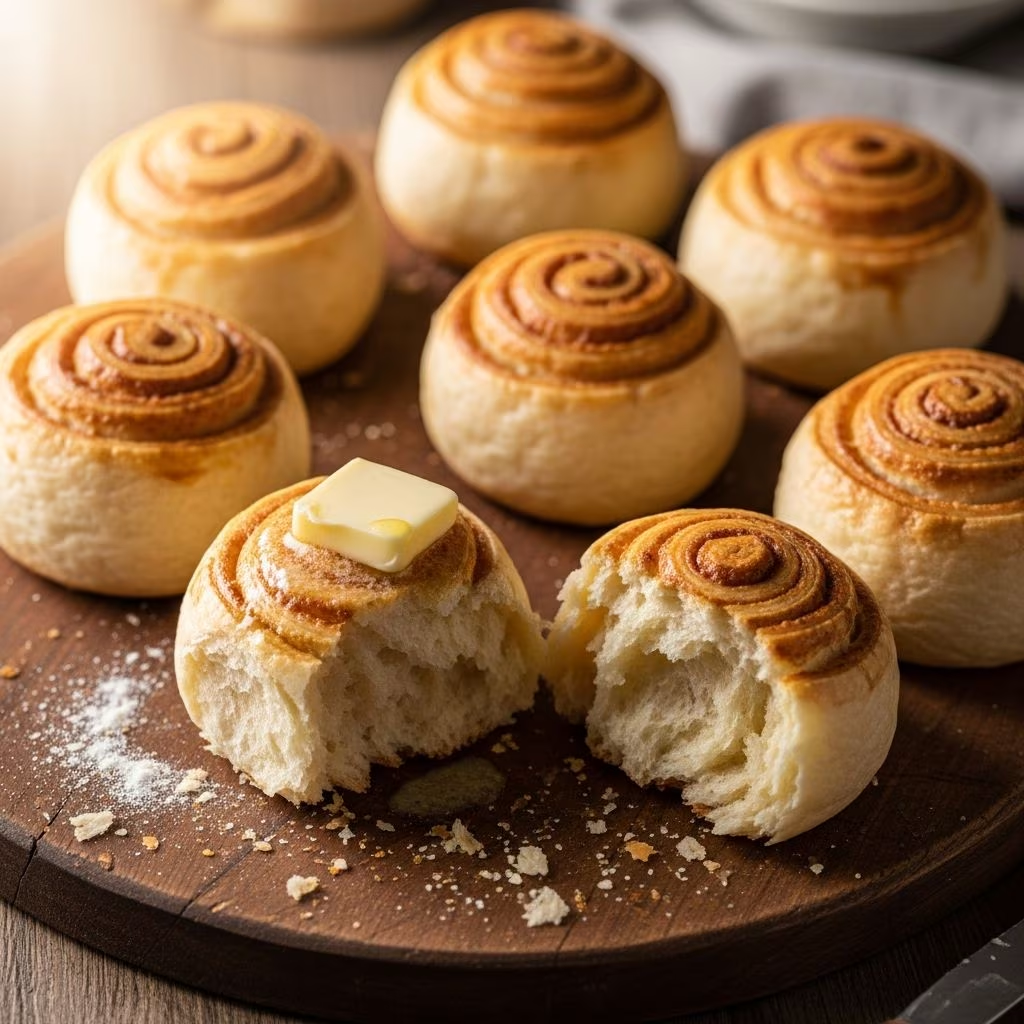
Flaky butter rolls, often celebrated for their tender layers and rich flavor, transform simple dough into pull-apart wonders perfect for dinner tables. These rolls combine yeast-leavened dough with strategic butter layering to create a bakery-quality treat accessible to home bakers.
Why Choose Flaky Butter Rolls
These rolls stand out due to their unique construction, where dough is stacked or folded with butter to mimic laminated pastries like croissants but in a simpler form. The result is a light interior with crisp, golden exteriors that separate easily for sharing. Ideal for holidays, weeknight meals, or brunches, they pair seamlessly with soups, roasts, or salads.
The appeal lies in their versatility and make-ahead potential. Many recipes allow refrigeration or freezing, making them practical for busy schedules. Unlike standard dinner rolls, the butter infusion guarantees a melt-in-your-mouth texture that elevates any spread.
Essential Ingredients for Success
Building the perfect dough requires balance: flour for structure, yeast for rise, fat for tenderness, and liquids for hydration. Core components include:
- All-purpose flour: Provides gluten development for chew without heaviness; about 4-6 cups depending on recipe scale.
- Instant or active dry yeast: 2-2.25 teaspoons per batch activates fermentation for fluffiness.
- Sugar: 1/4 to 1/2 cup feeds yeast and adds subtle sweetness.
- Warm milk or water: 1-1.5 cups at 110°F hydrates and tenderizes.
- Eggs: 1 large for richness and color.
- Butter: Both in dough (2-4 tbsp) and for layering (1/4-1/2 cup total).
- Salt: 1-1.5 tsp enhances flavors.
Variations might incorporate mashed potatoes for extra softness or oil for a lighter crumb, but butter remains key for flakiness.
Step-by-Step Dough Preparation
Start with activating yeast if using active dry: dissolve in warm liquid with a pinch of sugar until foamy, about 5-10 minutes. For instant yeast, mix directly into dry ingredients.
- In a stand mixer with dough hook or large bowl, combine 3 cups flour, yeast, sugar, salt, and egg.
- Pour in warm milk and melted butter; mix on medium until cohesive, 2 minutes.
- Incorporate remaining flour gradually (1/2 cup at a time) until dough pulls from bowl sides, smooth and slightly sticky. Knead 4-6 minutes by machine or 8-10 by hand.
- Place in greased bowl, cover with plastic, and rise in warm spot until doubled, 60-90 minutes.
Temperature control is crucial: too hot kills yeast; too cold slows rise. Aim for 75-85°F environment.
Mastering the Layering Technique
The magic happens in assembly, creating steam pockets from butter layers.
Method 1: Strip Stacking
Roll risen dough to 1/2-inch thick rectangle or square (about 12×16 inches). Brush generously with melted butter, sprinkle salt if desired. Cut into 12-24 equal strips (1.5 inches wide). Stack 4-6 strips per pile, then cut stacks into 12 portions. Place each mini-stack cut-side up in greased muffin tins.
Method 2: Folding and Rolling
Roll dough to 1/2-inch rectangle. Spread softened butter over 2/3, fold like a letter (three layers), chill 10-20 minutes. Repeat folding once or twice. Roll to 1/4-1/2 inch, cut into strips, roll each into cylinders, and place in tins.
Both yield flaky results; stacking is quicker for beginners, folding more refined.
Second Rise and Baking
After shaping, cover tins loosely and rise until dough crests 1/2 inch above rims, 45-90 minutes. Preheat oven to 350-400°F. Bake 12-20 minutes until deep golden, rotating halfway.
Brush hot rolls with melted butter for shine and flavor boost. Cool slightly on rack before serving to set structure.
| Recipe Variation | Oven Temp | Bake Time | Yield |
|---|---|---|---|
| Strip Stack | 375°F | 15-17 min | 12 rolls |
| Folded Layers | 350°F | 13-15 min | 24 rolls |
| Potato-Enriched | 400°F | 15 min | 12 rolls |
Troubleshooting Common Issues
- Dough too sticky? Add flour 1 tbsp at a time during kneading, but avoid excess for tenderness.
- Flat rolls? Ensure full rise; underproofed dough collapses.
- Not flaky? Use cold butter for layers; warm butter absorbs into dough.
- Pale tops? Brush with egg wash pre-bake or increase temp slightly.
- Dense texture? Check yeast freshness and milk temperature.
Humidity affects hydration; adjust flour in moist climates.
Storage and Make-Ahead Strategies
Fresh is best, but shaped rolls refrigerate up to 24 hours (rise before baking) or freeze unbaked up to 2 months (thaw overnight, rise, bake). Baked rolls store airtight 2 days or freeze 1 month; reheat at 300°F wrapped in foil.
Creative Flavor Twists
- Herb-Infused: Mix chopped rosemary or garlic butter into layers.
- Sweet Version: Add cinnamon-sugar between layers, glaze with icing.
- Cheesy: Sprinkle cheddar between strips before stacking.
- Whole Grain: Swap half flour for whole wheat for nutty depth.
These adaptations maintain flakiness while personalizing for tastes.
Perfect Pairings for Your Table
Serve with creamy butters, honey, or jams. Complement hearty mains like turkey, ham, or chili. For holidays, arrange in festive tins; for casual, basket with cloth napkin.
FAQs
Can I make these without a stand mixer?
Yes, mix by hand with a wooden spoon then knead on floured surface until smooth.
How do I know when the dough has doubled?
Poke gently; if indentation remains, it’s ready. Visual doubling works too.
Vegetarian? Dairy-free options?
Use plant milk and vegan butter; results slightly less rich but still flaky.
Why muffin tin?
Holds layers upright for even rising and pull-apart shape.
Scale for larger batches?
Double ingredients; use multiple tins. Dough handles well.
References
- Butterflake Rolls — I Am Baker. 2023-10-15. https://iambaker.net/butterflake-rolls/
- Butterflake Rolls — The Baker Upstairs. 2021-12-01. https://thebakerupstairs.com/2021/12/butterflake-rolls.html
- Butterflake Rolls — Dinner at the Zoo. 2022-11-20. https://www.dinneratthezoo.com/buttery-dinner-rolls/
- Butterflake Rolls — Seasons and Suppers. 2023-05-10. https://www.seasonsandsuppers.ca/butterflake-rolls/