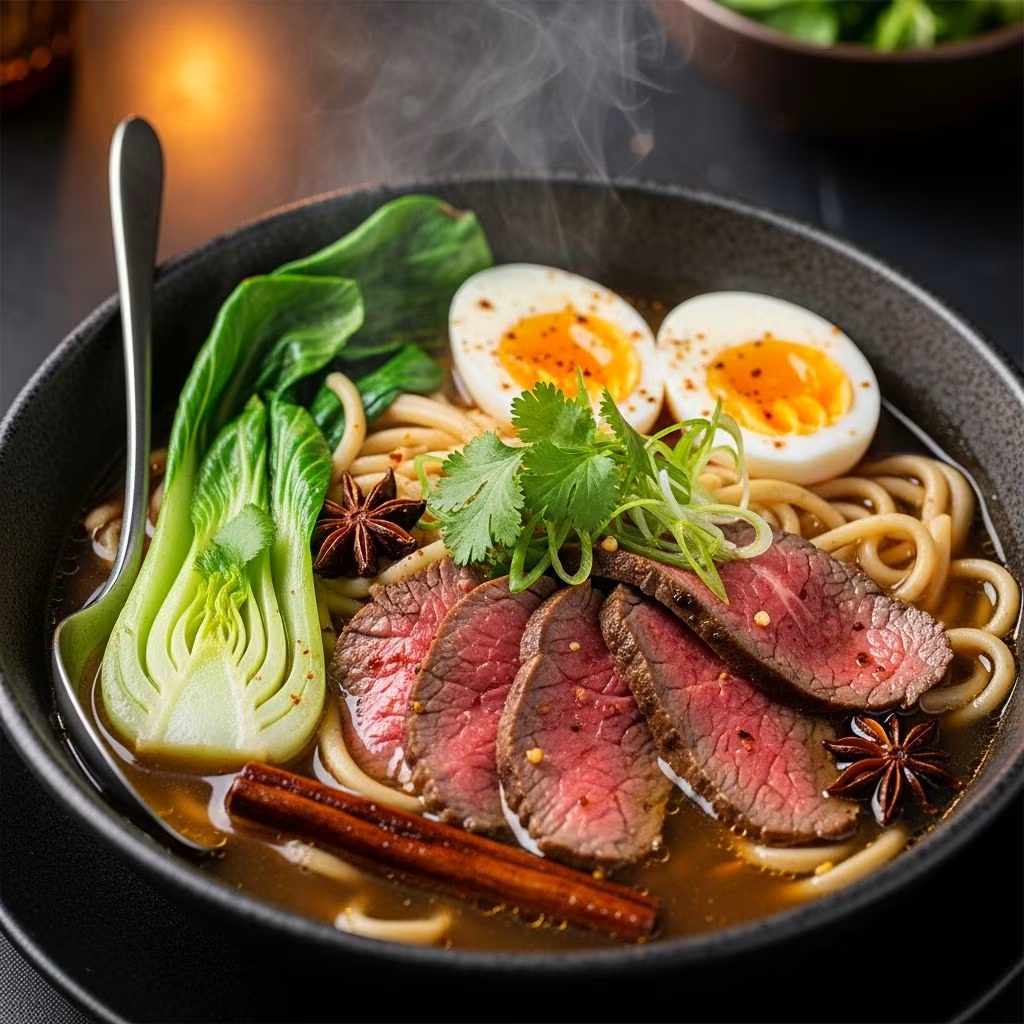
Five-spice beef noodle soup represents one of Asia’s most cherished comfort dishes, combining tender beef, aromatic spices, and silky noodles in a deeply flavorful broth. This traditional preparation method has been passed down through generations, creating a dish that warms both body and soul. Whether you’re seeking to recreate restaurant-quality results at home or exploring the depths of Asian cuisine, understanding the components and techniques behind this beloved soup is essential to achieving authentic flavors.
Understanding Five-Spice Powder and Its Components
The foundation of this dish lies in five-spice powder, a fragrant blend that represents the complexity of Asian cooking traditions. This aromatic mixture combines multiple complementary flavors that work in harmony to create depth and warmth. The composition typically includes star anise, which contributes a subtle licorice note; ground cinnamon, adding gentle warmth and sweetness; Sichuan peppercorns, delivering a tingling sensation and citrus undertones; fennel seeds, providing anise-like characteristics; and cloves, imparting a sharp, warming quality. When combined, these five elements create a balanced profile that neither overwhelms nor underwhelms the palate.
Understanding each component allows home cooks to adjust flavors according to personal preferences. Some recipes employ whole spices tied in cheesecloth, allowing for easier removal and more controlled infusion, while others use pre-ground five-spice powder for convenience. The choice between these methods depends on desired intensity and texture preferences. Whole spices generally provide a more nuanced flavor development, while powder delivers more immediate impact.
Selecting and Preparing Beef for Optimal Results
The quality of beef chosen directly influences the final soup’s character and texture. Beef shank, with its connective tissues and marrow content, becomes incredibly tender during extended cooking while enriching the broth with deep, savory notes. Chuck cuts offer similar benefits with slightly different textural qualities. Stewing beef provides convenience through pre-cut portions, though slightly less marrow contribution.
Proper beef preparation begins with trimming excess surface fat while preserving internal marbling. Cutting meat into uniform 1.5 to 2-inch pieces ensures even cooking throughout. The browning stage, performed before braising, develops complex flavors through the Maillard reaction. This crucial step involves heating oil until shimmering, then carefully placing beef pieces without crowding the pan. Allowing adequate browning time—typically 4 to 5 minutes per side—creates a flavorful crust that forms the taste foundation.
After browning, the beef transitions to a moist cooking environment where extended, gentle heat breaks down tough fibers and transforms the meat into fork-tender portions. This low-and-slow approach, typically requiring 2 to 2.5 hours of simmering, cannot be rushed without sacrificing texture and flavor integration.
Building the Aromatic Broth Base
The broth serves as the soup’s lifeblood, carrying flavors throughout and providing moisture and richness. Beginning with quality stock—either beef or chicken—creates a foundation that absorbs spice infusions while contributing body and depth. The ratio typically employs 2 to 4 cups of stock, adjusted based on desired broth consistency and serving quantities.
Aromatic ingredients layered into the broth include ginger slices, which add warming pungency; garlic cloves, contributing savory depth; scallions, offering mild onion notes and freshness; and sometimes fresh or dried tangerine peel, which imparts subtle citrus complexity. These components are introduced at different cooking stages, with some beginning the process alongside beef and others added during later stages to preserve their delicate characteristics.
Liquid components typically include soy sauce for umami saltiness, Shaoxing wine for depth and slight sweetness, and sometimes rice wine vinegar for brightness. Some recipes incorporate palm sugar or rock candy, both providing subtle sweetness that balances salty and spicy elements. The combination creates a multidimensional broth that evolves as the soup cooks, with flavors deepening and integrating over time.
Essential Ingredients and Measurements
| Component | Typical Quantity | Purpose |
|---|---|---|
| Beef (shank or chuck) | 1.5 to 3 pounds | Protein base and flavor development |
| Stock (beef or chicken) | 2 to 4 cups | Broth foundation and moisture |
| Soy sauce | 0.5 to 1 cup | Umami saltiness and color |
| Five-spice powder | 1 to 2 tablespoons | Core aromatic profile |
| Star anise | 3 to 5 pieces | Licorice sweetness and complexity |
| Ginger | 6 to 8 slices | Warming pungency |
| Garlic | 2 to 4 cloves | Savory depth |
| Rice wine or Shaoxing wine | 0.25 to 0.5 cup | Depth and slight sweetness |
| Fresh noodles | 1 to 1.5 pounds | Textural element and starch base |
| Vegetables (bok choy, carrots) | As desired | Nutrition and texture variation |
Step-by-Step Cooking Process
Initial Beef Preparation
Begin by patting beef dry with paper towels, which promotes better browning by reducing surface moisture. Heat oil in a large, heavy-bottomed pot or wok over medium-high heat until it shimmers. Working in batches to avoid overcrowding, brown beef pieces on all sides, typically requiring 4 to 5 minutes per side. This browning stage develops complex flavors that distinguish homemade soup from quick preparations. Once browned, transfer beef to a clean plate and set aside.
Aromatics and Spice Introduction
In the same pot, reduce heat to medium and add ginger slices, crushed garlic, and crushed Sichuan peppercorns if using. Cook these aromatics for 30 seconds to 1 minute, releasing their essential oils and creating a fragrant base. Add chopped onions and tomatoes, cooking until they begin softening. This aromatic foundation will permeate the entire soup, so taking time to develop these flavors properly yields significant rewards.
Liquid Component Integration
Return browned beef to the pot and pour in stock, soy sauce, rice wine, and any additional liquids specified in your chosen recipe. Add five-spice powder, star anise, bay leaves, and any other whole spices. Bring the mixture to a boil for approximately 5 minutes, which allows alcohol to evaporate and flavors to begin integrating. Once boiling, reduce heat to low and establish a gentle simmer, where small bubbles occasionally break the surface.
Extended Braising Period
Cover the pot partially and allow the beef to braise for 2 to 2.5 hours, stirring occasionally and turning beef pieces every 30 minutes for even cooking and flavor absorption. This extended, low-temperature cooking gradually transforms tough muscle fibers into tender, melt-in-mouth pieces while allowing the broth to deepen in color and flavor complexity. Toward the end of cooking, the beef should shred easily with two forks.
Vegetable Addition and Noodle Preparation
Approximately 10 to 15 minutes before serving, add vegetables such as sliced bok choy, grated carrots, or chopped peppers. These additions contribute texture, color, and nutritional value while absorbing soup flavors. In a separate pot, cook fresh or dried noodles according to package directions, then drain and set aside. Fresh noodles require only a few minutes of blanching in boiling salted water, while dried varieties may need 8 to 10 minutes.
Achieving Perfect Texture and Flavor Balance
The distinction between mediocre and exceptional beef noodle soup often lies in balance and execution details. Proper salt levels emerge through gradual tasting and adjustment rather than pouring in measured amounts at the start. Too much soy sauce creates an overly salty one-dimensional soup, while insufficient seasoning results in flat flavors that fail to engage the palate.
Texture variety enhances eating pleasure significantly. Tender beef provides protein and satisfaction, silky noodles offer comforting starchiness, crisp vegetables contribute freshness, and aromatic broth ties everything together. This textural interplay, combined with layered flavors from multiple spices and ingredients, creates a complex eating experience that justifies the time investment.
The broth’s consistency should feel substantial without being heavy. If your soup seems too thin, gently simmer uncovered for 15 to 20 minutes to allow evaporation and concentration. Conversely, if the broth seems too concentrated, add modest amounts of stock while tasting and adjusting seasonings accordingly.
Noodle Selection and Preparation Considerations
Fresh wonton noodles, egg noodles, or wheat noodles represent traditional choices, each contributing different textural qualities. Fresh noodles provide a tender, delicate bite that contrasts beautifully with hearty beef and complex broth. Dried varieties offer firmer texture and longer shelf life, though requiring slightly longer cooking times. Ramen noodles present another option, contributing a slightly alkaline bite that some find particularly satisfying.
The blanching method matters significantly. Fresh noodles should be briefly blanched in separate salted boiling water, drained completely, and added to serving bowls just before ladling hot soup over them. This technique prevents noodles from becoming mushy or oversaturated, maintaining their integrity and pleasant texture throughout the meal.
Garnish and Final Presentation
The final garnish transforms soup from simple to memorable through visual appeal and fresh flavor contributions. Sliced scallions provide mild onion notes and bright green color. Fresh cilantro adds herbaceous freshness and aromatic complexity. A drizzle of sesame oil introduces nutty richness and glossy appearance. Some recipes include fresh chiles for heat, crispy fried shallots for textural contrast, or toasted sesame seeds for added depth.
Arranging beef slices on the soup’s surface before garnishing creates an attractive presentation that invites the diner into the experience. The visual appeal enhances perception of flavor and demonstrates care in preparation.
Common Preparation Questions
Can I make this soup in advance?
Yes, beef noodle soup actually improves when made a day ahead, as flavors continue developing during refrigeration. Store soup in airtight containers for up to 3 days. Reheat gently over low heat, adding fresh noodles and garnishes immediately before serving to maintain their quality.
What if I cannot find five-spice powder?
Create your own blend by combining 2 star anise, 0.5 teaspoon ground cinnamon, 0.5 teaspoon Sichuan peppercorns, 0.25 teaspoon fennel seeds, and 0.25 teaspoon ground cloves. Toast whole spices briefly before grinding for enhanced flavor.
How do I adjust spice heat level?
Control heat by adjusting Sichuan peppercorns and optional chiles. For milder soup, reduce these ingredients by half. For spicier versions, increase amounts gradually while tasting, as some spices build intensity over time.
Can I substitute beef with other proteins?
Absolutely. Chicken, pork shoulder, or lamb work beautifully with five-spice flavoring. Adjust cooking times accordingly—chicken may require only 1 to 1.5 hours, while tougher cuts need the full 2 to 2.5 hours.
Storage and Reheating Guidelines
Properly stored beef noodle soup maintains quality for up to 3 days in refrigeration. Separate broth from noodles to prevent the latter from becoming soggy. Freeze the broth and beef together for up to 2 months, though noodles should always be cooked fresh for optimal texture. When reheating, thaw overnight in the refrigerator, then gently warm over medium-low heat, adding fresh noodles and garnishes immediately before serving.
Variations and Creative Adaptations
While traditional recipes provide excellent guidance, creative adaptations allow personal expression and experimentation. Some cooks incorporate additional vegetables like mushrooms, daikon radish, or baby corn. Others experiment with different stocks—particularly bone broth for enhanced richness. Spice variations might include increased five-spice powder for deeper warmth or reduced amounts for subtler flavoring.
Regional variations across Asia offer inspiration for unique takes on this classic. Taiwanese beef noodle soup often features spicier preparations, while other regions prefer gentler, more delicate approaches. Exploring these variations deepens appreciation for the dish’s versatility and cultural significance.
References
- Ming’s Mom’s Noodle Soup with Five Spice Beef Shank — Food Network / Ming Tsai. Accessed April 2026. https://kahakaikitchen.blogspot.com/2010/12/mings-moms-noodle-soup-with-five-spice.html
- Chinese Five Spice Beef Noodle Soup Recipe — The Feedfeed. Accessed April 2026. https://thefeedfeed.com/elfoodielife/chinese-five-spice-beef-noodle-soup
- Spicy Beef Noodle Soup — The Woks of Life. Accessed April 2026. https://thewoksoflife.com/spicy-beef-noodle-soup/
- Five Spice Components and Substitutions — Mini Munchie. Accessed April 2026. https://www.minimunchie.com/2016/04/14/moms-beef-noodle-soup/