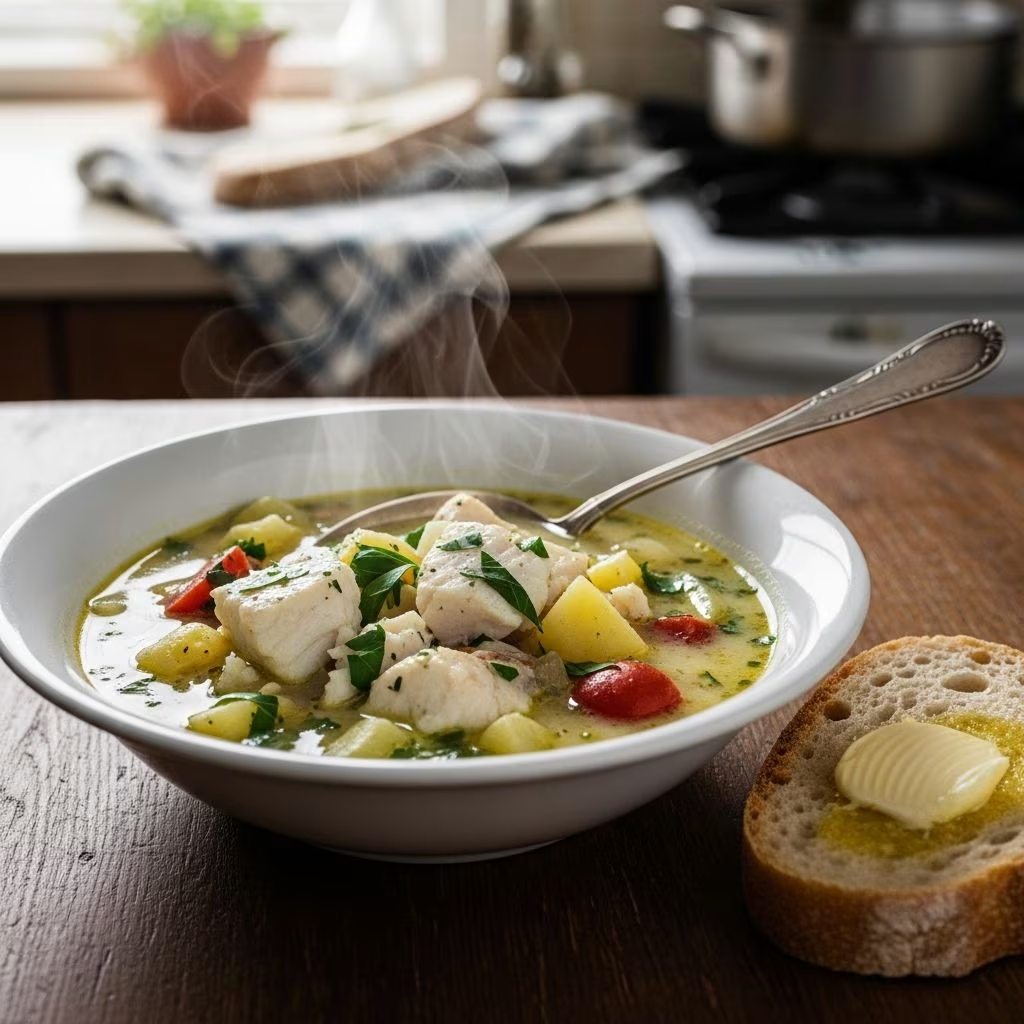
Fish chowder represents one of culinary tradition’s most enduring comfort foods, offering warmth and nourishment in a single bowl. This beloved soup transcends regional boundaries, appearing in kitchens across North America and beyond, each iteration reflecting local ingredients and cultural preferences. Whether you’re seeking to master a traditional preparation or explore contemporary variations, understanding the fundamental principles of chowder-making will elevate your cooking skills and impress family and guests alike.
Understanding Fish Chowder Fundamentals
At its core, fish chowder combines several essential elements that work in harmony to create a satisfying dish. The foundation begins with a flavorful broth, typically enriched with seafood stock or water infused with aromatic vegetables and herbs. Fresh fish serves as the protein backbone, contributing both flavor and substance to the final preparation. Vegetables provide textural contrast and nutritional value, while thickening agents create the characteristic creamy consistency that defines this soup category.
The beauty of fish chowder lies in its adaptability. While traditional recipes call for specific fish varieties like cod or haddock, modern interpretations welcome a broader range of seafood options, from firm white fish to salmon and even scallops. This flexibility allows home cooks to work with what’s available locally or what aligns with personal preferences and dietary considerations.
Selecting Quality Ingredients
The success of any chowder begins at the market. Choosing appropriate fish is paramount—look for firm, white-fleshed varieties that maintain their structure during cooking rather than breaking into small fragments. Sustainable options include cod, halibut, haddock, and seabass, all of which provide excellent flavor and texture for chowder preparations. Purchase fish as close to cooking time as possible, selecting fillets with firm flesh and a fresh ocean aroma rather than fishy odors.
Potatoes form another crucial component, serving as both thickener and textural element. Waxy potatoes like Yukon Gold or red-skinned varieties outperform starchy russets, as they hold their shape during the extended simmering process. Onions and celery build aromatic depth through the sweating process, a gentle cooking method that releases their natural flavors without browning. Traditional preparations also include bay leaves, thyme, and other complementary herbs that enhance the broth’s complexity without overwhelming the delicate fish flavors.
Essential Cooking Techniques and Methods
Mastering several key techniques distinguishes excellent chowder from mediocre versions. The foundational aromatics preparation involves slowly cooking diced onions and celery in butter and oil over medium or medium-low heat. This process, called sweating, develops flavor gradually without creating color or burnt edges. Patience during this stage prevents the harsh flavors that result from excessive heat.
Poaching represents another critical technique unique to fish chowder preparation. Rather than boiling vigorously, gentle poaching in barely simmering broth ensures the fish remains tender and flakes delicately rather than shredding into small pieces. This method requires careful attention to heat level and timing—typically only three to five minutes suffices for most fish portions, depending on thickness and variety.
Creating a thickened broth separates superior chowders from thin, broth-like soups. Some recipes employ a roux, a paste combining equal parts butter and flour cooked briefly before incorporating liquid. Others utilize the natural starches released by potatoes during cooking, which thickens the broth without requiring additional thickening agents. A third approach involves scalding milk separately with aromatics like onion, then straining and incorporating this infused dairy to build flavor while adding richness and body.
Step-by-Step Preparation Process
- Prepare ingredients: Dice potatoes into uniform half-inch to one-inch cubes, ensuring even cooking throughout. Chop onions and celery into similar-sized pieces for consistent texture development. Pat fish dry and cut into appropriate portions if using whole fillets.
- Sauté aromatics: Heat butter and oil in a large pot over medium heat. Add chopped onions and celery, cooking gently for five to seven minutes until softened and fragrant but not browned. Stir occasionally to ensure even cooking and prevent sticking.
- Build the broth: Pour in water or fish stock, adding bay leaves, thyme, salt, and pepper. Bring to a gentle boil, then reduce heat to maintain steady simmering. This liquid forms your flavorful base.
- Cook potatoes: Add diced potatoes and clam juice or seafood stock if using. Maintain a simmer until potatoes begin softening, typically eight to ten minutes. Potatoes should be almost tender but still holding their shape.
- Poach the fish: Carefully place fish portions into the simmering broth, distributing them evenly throughout the pot. Reduce heat to the lowest setting, maintaining just barely visible bubbles. Cook for three to five minutes until fish becomes opaque throughout and flakes easily.
- Incorporate dairy elements: If using cream or milk, scald it separately with quartered onion in a small saucepan over medium heat. Watch carefully to prevent boiling over. Simmer for five minutes, then strain through a fine mesh sieve to remove onion solids. Slowly pour the infused dairy into the chowder while gently stirring.
- Final seasoning: Taste the finished chowder and adjust salt and pepper as needed. Remember that flavors develop and intensify as the soup sits, so restrain your hand with additional seasoning initially.
Ingredient Comparison Table
| Component | Traditional Option | Alternative Option | Benefit |
|---|---|---|---|
| Fish Protein | Cod | Halibut, Haddock, or Seabass | All provide firm texture and mild flavor |
| Potatoes | Yukon Gold | Red-skinned or Fingerling | Waxy varieties maintain shape and absorb flavor |
| Aromatics | Onion and Celery | Leek and Fennel | Different varieties offer subtle flavor variations |
| Liquid Base | Fish Stock | Clam Juice or Seafood Stock | Each provides distinct umami depth |
| Thickening Agent | Cream | Beurre Manié or Potato Starch | Options suit different dietary preferences |
Variations and Regional Styles
Fish chowder’s popularity across different regions has spawned numerous interpretations. New England-style chowders typically feature a cream or milk base, creating the characteristic ivory color and luxurious mouthfeel. Manhattan variations incorporate tomatoes, red peppers, and sometimes cumin or saffron, resulting in a broth-based soup with orange-red hues and more complex spice profiles. Some modern preparations experiment with international flavors, incorporating coconut milk for richness, lime and cilantro for brightness, or smoked paprika for depth.
Protein variations extend beyond traditional white fish. Salmon chowders offer richer flavor and higher omega-3 content, though their stronger taste requires balancing with assertive herbs and aromatics. Combination seafood chowders incorporating shrimp, scallops, clams, and crab create complex flavor profiles that appeal to those seeking maximum ocean essence. Some recipes include bacon or pancetta, whose smoky saltiness complements rather than overwhelms the delicate fish.
Common Mistakes to Avoid
Even experienced cooks encounter pitfalls when preparing chowder. Overcooking fish represents the most frequent error, resulting in dry, stringy protein that detracts from the overall experience. Remembering that residual heat continues cooking fish even after removal from the heat source helps prevent this issue. Adding fish too early in the process, before vegetables reach appropriate tenderness, creates problems with timing and texture.
Aggressive boiling rather than gentle simmering causes fish to break apart excessively and creates a murky, unappealing broth. The distinction between boiling and poaching proves essential—the liquid should barely shimmer with occasional gentle bubbles rising to the surface. Using improper potato varieties like russets, which break down into starch, creates a gummy texture rather than the preferred creamy consistency with intact potato pieces.
Insufficient seasoning at multiple stages results in flat, one-dimensional flavors. Seasoning aromatics during their initial cooking, adjusting broth seasoning before adding fish, and tasting at the finish ensures balanced, fully developed flavors throughout. Many home cooks also underestimate the importance of using fresh rather than aged herbs, as older dried herbs lose their aromatic oils and contribute dust-like flavors rather than true herb essence.
Storage and Make-Ahead Considerations
Fish chowder improves with brief refrigeration, allowing flavors to meld and develop greater complexity. Store finished chowder in airtight containers for up to three days, though fish-based soups are best consumed within one to two days for optimal freshness and food safety. When reheating, warm gently over medium-low heat, stirring occasionally and adding supplemental broth or cream if the consistency has thickened excessively during storage.
For make-ahead convenience, prepare the broth, aromatics, and potatoes up to one day in advance, storing these components separately from the fish. Add the fish portions only when ready to serve, poaching them gently in the warmed broth to maintain textural integrity. This approach preserves fish quality while allowing convenient entertaining or busy weeknight preparations.
Serving Suggestions and Accompaniments
Present chowder in warmed bowls to maintain optimal serving temperature. Traditional garnishes include crispy bacon bits, fresh parsley, oyster crackers, or common crackers for textural contrast. A splash of white wine or a squeeze of fresh lemon juice brightens flavors and adds complexity. Some preparations benefit from a dollop of sour cream or crème fraîche swirled into the center just before serving.
Side dishes complement rather than overshadow the main dish. Crusty bread, dinner rolls, or cornbread provide vehicles for enjoying every drop of the flavorful broth. Simple green salads with vinaigrette-based dressings offer freshness and textural contrast, preventing the meal from feeling overly rich despite the chowder’s creamy nature.
Frequently Asked Questions
Can frozen fish be used for chowder?
Yes, frozen fish works in chowder preparations, though fresh fish generally produces superior flavor and texture. If using frozen fish, thaw completely in the refrigerator before cooking and pat dry thoroughly to remove excess moisture. Ensure the fish originated from quality sources with proper freezing protocols.
What creates the creaminess in fish chowder?
Cream or milk contributes obvious richness, but other factors enhance creaminess. Potatoes release starch during cooking, naturally thickening the broth. A roux made from butter and flour also creates smooth, creamy texture. Some preparations use no cream at all, relying entirely on potato starch and proper technique.
How can sodium content be reduced?
Use low-sodium or homemade seafood broth rather than canned versions with high salt content. Eliminate salt pork or bacon if concerned about sodium. Rely on herbs, spices, and quality ingredients for flavor development rather than compensating with excessive salt.
What constitutes proper fish doneness in chowder?
Fish reaches doneness when flesh becomes opaque throughout and separates into tender flakes when gently pressed with a fork. The center should no longer appear translucent or raw. Resist overcooking, which produces dry, stringy texture.
Can shellfish allergies be accommodated?
Yes, omit clam juice and use fish or vegetable stock instead. Ensure no cross-contamination from shared cooking vessels or utensils. Some recipes incorporate shellfish primarily for flavor rather than necessity, making substitution straightforward.
Nutritional Considerations
Fish chowder provides substantial nutritional benefits when prepared with wholesome ingredients and mindful portion sizes. Fish delivers complete protein containing all essential amino acids, supporting muscle maintenance and tissue repair. Potatoes contribute complex carbohydrates, fiber, and essential vitamins including potassium and vitamin C. Vegetables add micronutrients, antioxidants, and additional fiber.
The dairy components contribute calcium and vitamin D, supporting bone health, though they also increase saturated fat content. Those seeking lighter versions can substitute half-and-half or milk for cream, or eliminate dairy altogether in favor of pure broth-based preparations. The herb components offer antimicrobial and anti-inflammatory properties, contributing health benefits beyond basic flavor enhancement.
References
- Fish Chowder Recipes and Techniques — AllRecipes.com. Accessed 2026-04-09. https://www.allrecipes.com/recipe/12732/fish-chowder/
- Dad’s New England Fish Chowder — Bowl of Delicious. https://www.bowlofdelicious.com/fish-chowder/
- Easy New England Fish Chowder — Coley Cooks. https://coleycooks.com/mamas-fish-chowder/
- Seafood Chowder Recipe — WellPlated.com. https://www.wellplated.com/seafood-chowder-recipe/
- Fish Chowder Soup — RecipeTin Eats. https://www.recipetineats.com/fish-chowder-soup/
- The Cozy Bowl: Fish Chowder Recipe Ideas — Wild Alaskan Company. https://wildalaskancompany.com/blog/the-cozy-bowl-7-glorious-fish-chowder-recipe-ideas