The world of cocktails continues to evolve, and one drink that exemplifies the balance between tradition and innovation is the Fino Martini. This sophisticated libation represents a departure from the classic gin or vodka martini by incorporating fino sherry, a fortified wine that brings nuanced flavors and aromatic complexity to the glass. Whether you’re a seasoned cocktail enthusiast or someone looking to expand your home bar repertoire, understanding the Fino Martini opens doors to a realm of refined drinking experiences.
Understanding the Foundations of the Fino Martini
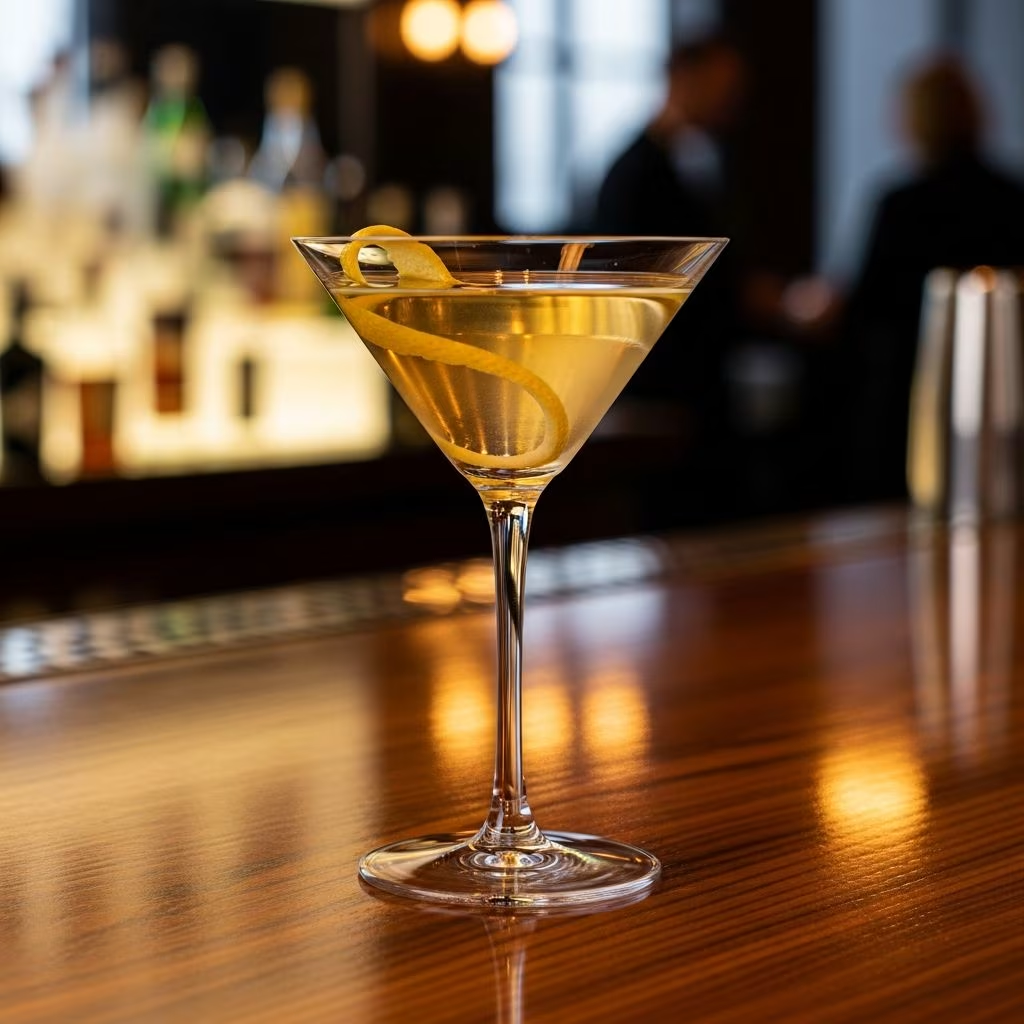
The Fino Martini builds upon the fundamental structure of the classic martini while introducing a distinctive character through the substitution of traditional dry vermouth with fino sherry. This swap creates a beverage that maintains the spirit-forward nature of its predecessor while adding layers of flavor complexity. Fino sherry, characterized by its pale golden color and dry profile, brings subtle notes of almonds, herbs, and minerals to the drink.
The beauty of this cocktail lies in its ability to balance multiple components seamlessly. Unlike heavily garnished or elaborately constructed drinks, the Fino Martini relies on the quality and proportion of its core ingredients to shine. The interplay between gin, sherry, and supporting elements creates a drinking experience that feels both contemporary and rooted in cocktail tradition.
Ingredient Selection and Quality Considerations
Creating an exceptional Fino Martini begins with understanding each component’s role in the final product. The primary spirit typically consists of a high-quality dry gin, which provides the foundational juniper-forward character. Gin selections matter considerably; botanical profiles vary significantly between brands and styles, influencing how the finished cocktail develops on the palate.
Fino sherry represents the star ingredient that distinguishes this drink from conventional martinis. This fortified wine, produced primarily in the Jerez region of Spain, undergoes a unique aging process that contributes to its distinctive character. The sherry’s dryness and delicate flavor profile complement rather than overpower the gin, creating harmonious balance. When selecting fino sherry for cocktail use, look for bottles labeled specifically as fino rather than amontillado or other sherry varieties, as the specific style matters for achieving the intended flavor profile.
Supporting ingredients round out the composition. Orange liqueur, often appearing in modern variations, adds a subtle sweetness and aromatic dimension. Citrus elements through peels or twists provide garnish complexity and aromatic contribution. The quality of water used in preparation also influences the final result, as it affects the dilution and temperature of the finished drink.
Choosing Your Gin Base
- London Dry Style: Offers robust juniper notes with balanced botanical complexity, serving as a reliable foundation for the Fino Martini
- Contemporary Botanicals: Feature prominent herbal or floral notes that can complement sherry’s delicate character
- Proof Consideration: Higher-proof gins (90+ proof) provide better structure and prevent dilution from overwhelming the drink
Preparation Techniques and Methods
The method used to prepare a Fino Martini significantly impacts its final character. Two primary approaches exist: the stirred method and the frozen preparation technique. Each offers distinct advantages and appeals to different preferences.
The stirred approach follows traditional martini-making conventions. This method involves combining gin, fino sherry, and additional ingredients in a mixing glass filled with ice, then stirring for approximately thirty seconds. The goal is achieving proper dilution and temperature while maintaining the drink’s clarity and elegance. Stirring allows the flavors to meld gradually, creating a more integrated final product. This technique is particularly suitable when fino sherry serves as the primary modifier, as the gentle approach preserves the fortified wine’s delicate aromatics.
Alternatively, the frozen preparation method involves combining all liquid ingredients in a resealable bottle and freezing overnight. Before serving, you simply pour the pre-chilled mixture into a glass that has been frozen for fifteen minutes to an hour. This approach offers convenience for entertaining larger groups while maintaining consistent temperature and dilution. The extended freezing period allows flavors to develop and integrate thoroughly, resulting in a smooth, well-balanced drink.
Step-by-Step Preparation Guide
- Chill Your Glassware: Place your desired glass (coupe, Nick and Nora, or martini glass) in the freezer for at least fifteen minutes prior to serving
- Combine Ingredients: Add three ounces of gin, one-half ounce of fino sherry, and small quantities of orange liqueur or water into your mixing vessel
- Stir or Freeze: Either stir gently for thirty seconds over ice, or combine in a bottle and freeze overnight for advance preparation
- Express Citrus Oils: Hold an orange peel above the glass and pinch it to release aromatic oils, then discard the peel or add it as garnish
- Strain and Serve: Strain the mixture into your chilled glass and serve immediately with olive garnish
Flavor Profile and Sensory Experience
The Fino Martini presents a complex sensory experience that unfolds across multiple dimensions. On the palate, the drink begins with the immediate warmth and botanical character of gin, followed by the subtle elegance of fino sherry. The fortified wine contributes mineral undertones and a slight nuttiness that develops as the drink warms slightly in the glass.
The aromatic component plays an equally important role in the overall experience. The citrus peel’s essential oils, released during preparation, create an olfactory introduction to the drink. These top notes combine with gin’s botanicals and sherry’s delicate spice to create a multifaceted bouquet that invites exploration.
Texture and mouthfeel distinguish the Fino Martini from lighter cocktails. The combination of spirits and fortified wine creates a luxurious weight on the palate, while proper dilution ensures a smooth delivery that avoids harsh alcohol burn. The finish lingers pleasantly, with the mineral and herbal notes of sherry persisting after the initial spirit character fades.
Variations and Creative Interpretations
While the classic Fino Martini maintains its elegant simplicity, various interpretations allow for personalization and creative exploration. Understanding these variations helps bartenders and home cocktail enthusiasts adapt the drink to specific preferences and available ingredients.
The inclusion of additional modifiers represents one avenue for variation. Some preparations incorporate a small quantity of dry vermouth alongside the fino sherry, creating a bridge between the classic martini and this modern interpretation. Others experiment with different varieties of sherry, though fino remains the optimal choice for maintaining the intended flavor profile.
Botanical additions through infused ingredients or alternative spirits also warrant exploration. Some contemporary versions substitute a portion of the gin with aquavit, introducing caraway and dill notes that interact interestingly with sherry’s character. Others incorporate elderflower elements through dedicated liqueurs, creating a more floral version that appeals to those preferring softer aromatic profiles.
Popular Fino Martini Variations
| Variation Name | Key Modifications | Ideal For |
|---|---|---|
| Classic Fino Martini | Gin, fino sherry, orange liqueur | Those preferring traditional elegance |
| Botanical Enhanced | Half aquavit, half gin, fino sherry | Adventurous palates seeking complexity |
| Floral Edition | Gin, fino sherry, elderflower liqueur | Those enjoying delicate herbal notes |
| Dry Variation | Gin, fino sherry, dry vermouth blend | Classic martini enthusiasts |
Garnishing Techniques and Presentation
The garnish serves far more than a decorative function in cocktail preparation; it contributes essential aromatic and flavor elements to the overall experience. For the Fino Martini, the choice and execution of garnishing techniques deserves careful consideration.
The expressed citrus peel remains the primary garnish option. Expressing the peel—holding it above the drink and twisting to release essential oils—creates an aromatic bridge between the drinker’s nose and the liquid below. This technique introduces volatile compounds that enhance the olfactory experience before the first sip. Some preparations favor expressing the peel over the drink, then discarding it, while others include the peel as a visual and textural element.
Olive garnishes provide an alternative or complementary option. A single quality olive or a small selection of mixed olives adds visual interest while contributing subtle brine and umami notes that complement the drink’s complexity. The olive’s texture contrasts pleasantly with the liquid, offering a palate-cleansing element between sips.
Presentation extends beyond garnish selection to encompass glassware choice and serving context. Coupe glasses, with their wider bowl and elegant stem, allow for proper heat transfer that encourages aroma release. Nick and Nora glasses offer a slightly smaller, more intimate vessel that maintains temperature effectively. The choice between these options ultimately reflects personal preference, though both serve the drink’s requirements admirably.
Serving Suggestions and Occasions
The Fino Martini’s sophisticated character makes it particularly suited to specific contexts and occasions. Understanding when and how to serve this drink allows for optimal enjoyment and appreciation.
Pre-dinner service represents perhaps the most traditional occasion for martini consumption. The drink’s balance and aromatic complexity prepare the palate for a meal to follow without overwhelming it. The moderate alcohol content, despite the spirit-forward nature, allows for responsible consumption without excessive intoxication before dining.
Aperitif hours in Mediterranean-influenced settings align naturally with fino sherry’s origins and character. The fortified wine’s connection to Spanish winemaking traditions creates a thematic coherence when served during traditional aperitif periods. Pairing the Fino Martini with light appetizers—Spanish cheeses, almonds, or cured meats—creates an integrated experience that celebrates shared culinary traditions.
Social gatherings and entertaining scenarios benefit from the frozen preparation method, which allows advance preparation and consistent serving to multiple guests. The convenience factor combined with the drink’s sophisticated presentation creates an impressive cocktail option that requires minimal last-minute attention.
Frequently Asked Questions
What is the difference between fino sherry and dry vermouth?
While both are fortified wines, fino sherry undergoes unique aging in Jerez, Spain, developing distinctive mineral and almond notes. Dry vermouth contains added botanicals and herbs, creating different flavor complexity. Fino sherry typically offers a drier, more delicate profile suitable for the Fino Martini’s elegant character.
Can I prepare a Fino Martini ahead of time?
Yes, the frozen preparation method specifically enables advance preparation. Combine ingredients in a resealable bottle and freeze overnight. This method actually allows flavors to integrate thoroughly, often resulting in improved harmony compared to single-serving preparations.
What type of glassware works best for serving?
Coupe glasses and Nick and Nora glasses both serve excellently. Choose based on personal preference; coupes offer wider surface area for aroma release, while Nick and Nora glasses maintain temperature more effectively. Avoid traditional large martini glasses, which promote excessive temperature loss.
How can I make the drink less spirit-forward?
Increase the fino sherry proportion slightly, reduce gin quantity, or add a small amount of dry vermouth. These modifications maintain the drink’s character while creating a more accessible flavor profile for those preferring lighter spirits.
Does gin selection significantly impact the final drink?
Absolutely. Gin’s botanical profile creates the foundation upon which fino sherry builds. Experiment with different brands to discover which gin styles complement your preferred sherry expression.
What temperature should the drink be when served?
The Fino Martini should be served extremely cold, ideally at temperatures between 35-40°F. Proper chilling ensures smooth delivery and prevents alcohol burn while allowing flavors to remain distinct and balanced.
Exploring Sherry in Modern Cocktails
The resurgence of sherry in cocktail culture represents a broader trend toward rediscovering traditional fortified wines beyond conventional serving methods. The Fino Martini exemplifies how classic spirits can be recontextualized for contemporary palates while maintaining their essential character.
Sherry’s versatility in cocktail applications extends far beyond martini variations. Bartenders increasingly recognize fino sherry’s potential for creating sophisticated, nuanced drinks that offer complexity without requiring elaborate techniques. The wine’s established pairing traditions—with seafood, light appetizers, and delicate flavors—translate well into cocktail contexts where these elements appear.
The growing appreciation for fino sherry cocktails encourages home bartenders to explore this fortified wine more thoroughly. Investing in a quality bottle for cocktail use opens possibilities beyond martini preparation, enabling experimentation with other drink categories and flavor combinations.
Conclusion: Elevating Your Cocktail Experience
The Fino Martini represents more than simply a variation on a classic template; it embodies the evolving sophistication of contemporary cocktail culture. By combining traditional gin with fino sherry, this drink achieves a balance between familiar comfort and elegant discovery.
Mastering the Fino Martini involves understanding ingredient quality, appreciating preparation techniques, and recognizing how every element—from spirit selection to garnish expression—contributes to the final experience. Whether enjoyed as an aperitif before dinner or savored during social gatherings, this drink rewards attention to detail and thoughtful preparation.
As you explore the Fino Martini, remember that personal preference ultimately guides the best preparation. Experiment with different gin brands, sherry expressions, and serving methods to discover your ideal interpretation. The cocktail’s flexibility allows for meaningful personalization while maintaining the elegant character that defines this distinguished drink.
References
- Fino Martini Recipe — Los Angeles Times. 2024. https://www.latimes.com/recipe/fino-martini
- Fino Sherry Cocktails Guide — Difford’s Guide. 2025. https://www.diffordsguide.com/g/1277/sherry-cocktails/fino
- The Jib and Jigger: Cocktail Inspired by A Herreshoff 28 — Dockwa Blog. 2024. https://blog.dockwa.com/the-galley-club/the-jib-and-jigger-new-england-martini-recipe
- Fino Martini — The Jolly Bartender. 2017. https://www.jollybartender.com/2017/01/fino-martini.html