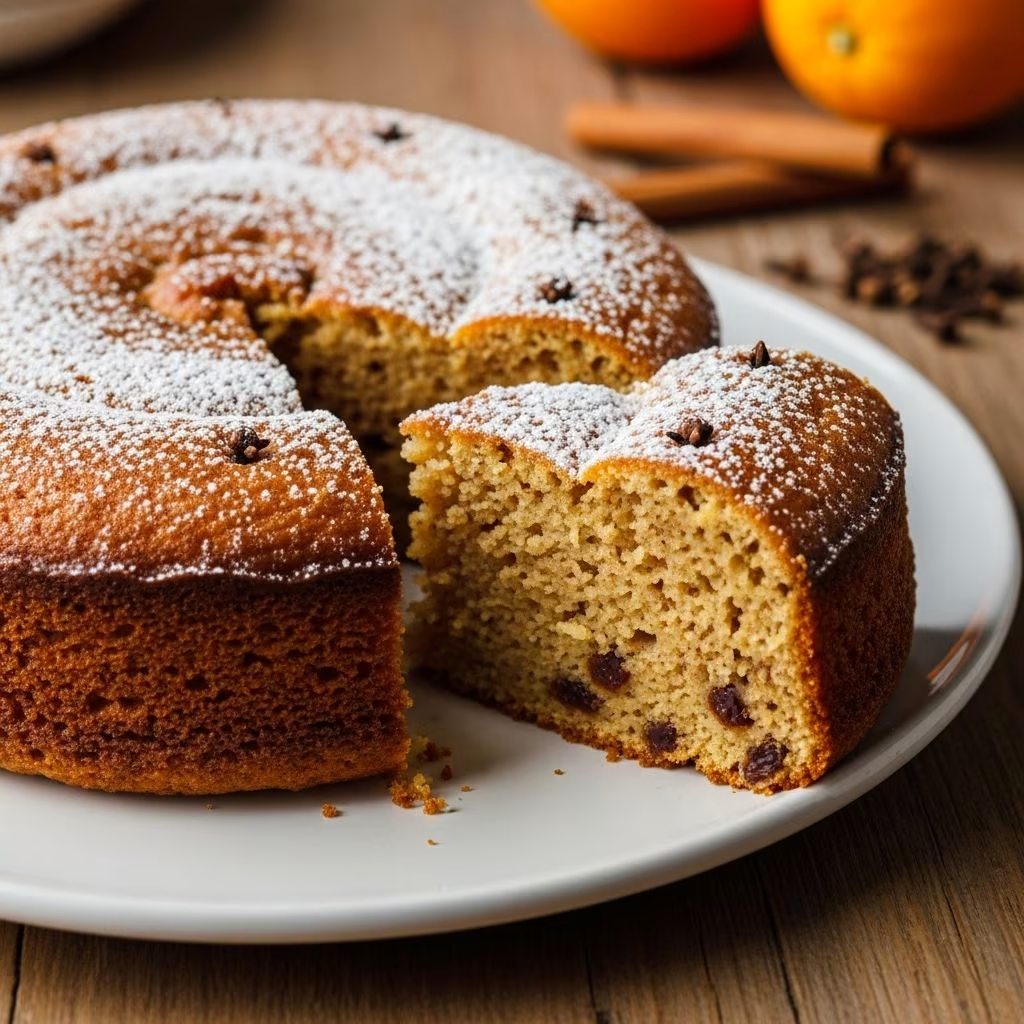
Fanouropita represents one of the most cherished desserts in Greek culinary tradition, a cake that carries cultural significance beyond its delightful taste. This naturally vegan creation has been passed down through generations, embodying the essence of Mediterranean baking with its reliance on simple, wholesome ingredients. The cake’s beauty lies not only in its moist crumb and aromatic profile but also in its accessibility—requiring no eggs, dairy products, or complex techniques to achieve a sophisticated result.
The Heritage and Significance of This Greek Dessert
This particular cake holds deep meaning within Greek Orthodox tradition, particularly celebrated on August 27th each year in commemoration of Saint Fanourios. The tradition dictates specific requirements: the cake must contain an odd number of ingredients—typically seven, nine, or eleven—each representing a symbolic element within religious practice. The ingredient count becomes part of the ritual, transforming the baking process into a spiritual act rather than merely a culinary endeavor.
The cake’s role extends beyond personal celebration. In Cyprus, tradition maintains that after the cake receives a blessing in church, it should be distributed to seven women who have experienced only one marriage and have not divorced. This practice reflects the community-oriented nature of Greek food culture, where desserts serve as vehicles for bringing people together and honoring important life milestones.
What makes this dessert particularly appealing to contemporary bakers is its inherent vegan nature. Unlike many traditional cakes that require eggs for binding and dairy for richness, fanouropita achieves its tender, moist texture through the emulsifying properties of olive oil combined with the leavening action of baking soda and baking powder.
Essential Components and Their Roles in the Recipe
The Dry Ingredient Foundation
The flour serves as the structural backbone of this cake, typically requiring between three and a half to five and a half cups depending on the recipe variation and desired cake size. All-purpose flour works excellently for this application, though whole wheat flour can be substituted without significantly compromising the final result. The flour combines with leavening agents—baking powder and a small amount of baking soda—to create the rise and light crumb structure characteristic of well-executed fanouropita.
Spices provide the distinctive flavor profile that distinguishes this cake from other oil-based desserts. Ground cinnamon and ground cloves work in concert to create warmth and complexity, their aromatic compounds releasing as the cake bakes. Orange zest—carefully grated from fresh citrus—adds another layer of flavor while introducing tiny oil pockets from the fruit’s skin that contribute to moisture and aroma.
The Wet Ingredient System
Olive oil serves multiple functions within the batter, acting as both a fat for flavor and tenderness and as an emulsifier that helps bind the other components together. Selecting the appropriate oil proves important: while extra virgin Greek olive oil offers authentic Mediterranean character, a more mild variety prevents unwanted bitter notes from dominating the finished cake. Some bakers choose to use half olive oil and half neutral vegetable oil to achieve balance between flavor and baking performance.
Orange juice provides moisture, natural sweetness, and acidic content that reacts with the baking soda to create lift and volume. Fresh-squeezed juice delivers superior results compared to bottled alternatives, offering brighter flavor and better chemical interaction with the leavening agents. The quantity typically ranges from three-quarters cup to nearly two cups, depending on the recipe version and final cake size desired.
Sugar rounds out the wet ingredients, providing sweetness while also contributing to the cake’s structure and moisture retention through caramelization during baking. The sugar and oil combine to create an emulsion that helps distribute moisture evenly throughout the batter.
Flavor Enhancing Mix-Ins
Walnuts contribute textural contrast and nutritional value, requiring coarse chopping to create distinct pieces that remain visible in the finished cake. The walnuts should be tossed lightly with flour before folding into the batter—this technique prevents them from sinking to the bottom during baking and distributes them more evenly throughout.
Raisins provide natural sweetness along with chewy texture that contrasts pleasantly with the cake’s crumb. These dried fruits plump slightly during baking as they absorb moisture from the surrounding batter, creating pockets of concentrated fruit flavor. Some variations substitute alternative dried fruits such as cranberries, dried cherries, or chopped dates for those seeking different flavor profiles.
Step-by-Step Baking Process and Technique
Preparation Phase
Begin by preheating your oven to 350°F (175-180°C), allowing adequate time for the oven to reach target temperature and stabilize before introducing the batter. While the oven preheats, prepare your baking vessel by lightly oiling a 10 to 12-inch round cake pan or a 9 by 13-inch rectangular pan, then line the bottom with parchment paper. This dual approach prevents sticking while allowing for easier cake removal.
Combining Dry Components
Whisk together all flour, baking powder, baking soda, cinnamon, cloves, and orange zest in a mixing bowl, ensuring the spices distribute evenly throughout the flour. This preliminary combination prevents spice clumping and ensures even distribution of leavening agents. Take your time with this step—proper whisking can prevent lumps later in the mixing process.
Creating the Wet Mixture
In a separate large mixing bowl, combine olive oil and sugar, whisking vigorously at medium speed for several minutes until the mixture becomes noticeably lighter in color and takes on a creamy texture. This process, while brief, helps begin emulsifying the oil and sugar, establishing the foundation for a well-integrated batter.
Add your fresh orange juice gradually, whisking continuously to maintain emulsification. Some recipes suggest mixing baking soda with a portion of the orange juice first—this creates a mild chemical reaction that helps the baking soda dissolve evenly and prevents bitter flavors that can result from undissolved baking soda. Incorporate vanilla extract at this stage if using it, though this ingredient remains optional and non-traditional.
Integration and Folding
Pour the flour mixture into the wet ingredients, using a whisk or sturdy spatula to combine gently but thoroughly until no streaks of flour remain visible. Over-mixing at this point can develop gluten excessively, resulting in a tougher crumb, so work with measured movements.
Fold in the walnut and raisin mixture, which should have been lightly coated in flour to prevent settling. This folding technique—using an under-and-over motion rather than stirring—preserves the air already incorporated into the batter while ensuring even distribution of inclusions.
Baking and Testing for Doneness
Pour the batter into your prepared pan, smoothing the top with a spatula. Place the pan on the center rack of your preheated oven, baking for 45 to 65 minutes depending on your oven’s characteristics and the cake’s thickness. Begin checking for doneness around the 40-minute mark by inserting a toothpick into the cake’s center—the toothpick should emerge clean or with just a few moist crumbs clinging to it.
Allow the cake to cool in its pan for approximately 10 minutes before turning out onto a cooling rack to cool completely. This resting period allows the structure to set sufficiently while remaining warm enough to release easily from the pan.
Ingredient Variations and Customization Opportunities
| Ingredient Category | Traditional Choice | Alternative Options |
|---|---|---|
| Nuts | Walnuts | Pecans, almonds, pistachios |
| Dried Fruit | Raisins | Cranberries, cherries, dates, figs |
| Oil Type | Extra virgin olive oil | Light olive oil, avocado oil, sunflower oil |
| Citrus | Orange | Lemon, tangerine |
| Optional Additions | Vanilla extract | Brandy, red wine vinegar, tahini |
The beauty of fanouropita lies in its flexibility while maintaining its essential character. Those following the traditional nine-ingredient method can select their components based on personal preference and availability. Some bakers incorporate tahini for additional richness and a subtle nutty undertone, while others add brandy or red wine vinegar for complexity and depth.
Finishing Touches and Serving Suggestions
Traditional garnishes include a dusting of confectioner’s sugar, which provides visual appeal and a delicate sweetness that contrasts with the spiced cake beneath. Sesame seeds offer an alternative garnish, adding textural interest and a nod to Mediterranean baking traditions. Some versions are left unadorned, allowing the cake’s warm color and natural beauty to serve as its own decoration.
This cake is traditionally cut into square or diamond-shaped pieces rather than wedges, reflecting its presentation style at Greek celebrations and gatherings. The pieces remain moist for days when stored properly in an airtight container, making this an excellent choice for advance preparation.
Frequently Asked Questions
What makes this cake naturally vegan?
Fanouropita contains no eggs or dairy products, ingredients typically essential in conventional baking. The olive oil provides fat and moisture while acting as an emulsifier, while baking soda and baking powder generate the lift traditionally provided by eggs. Orange juice contributes additional moisture and acidity that aids leavening.
Can I substitute the orange juice?
While orange juice provides both flavor and function in this recipe, you can experiment with other citrus juices such as lemon or tangerine juice. Some recipes include brandy alongside the orange juice for additional complexity, though the citrus component remains important for the chemical reaction with baking soda.
How should I store the finished cake?
Store fanouropita in an airtight container at room temperature for up to four days. The cake actually improves slightly as flavors meld and moisture distributes more evenly throughout the crumb. You can also freeze the cake for up to three months, wrapped well to prevent freezer burn.
Does the cake require the odd ingredient count?
The odd ingredient count—typically nine—carries cultural and religious significance in Greek tradition but is not technically required for successful baking. You can omit vanilla extract or other optional ingredients without affecting the cake’s quality if you prefer flexibility in preparation.
References
- Greek Fanouropita: The Cake for Lost Things (Vegan) — Dimitra’s Dishes. Accessed April 2026. https://www.dimitrasdishes.com/greek-fanouropita-the-cake-for-lost-things-vegan/
- Fanouropita, a Vegan Spice Cake with Olive Oil & Nuts — Diane Kochilas. Accessed April 2026. https://www.dianekochilas.com/fanouropita-a-vegan-spice-cake-with-olive-oil-nuts/
- Fanouropita (Vegan Cake) and my take “with Tahini” — Kopiaste. Accessed April 2026. https://www.kopiaste.org/2010/08/my-take-on-fanouropita-with-tahini-vegan-cake/
- Easy Fanouropita Recipe (St Fanourios Cake) — The Hungry Bites. Accessed April 2026. https://www.thehungrybites.com/vegan-olive-oil-cake-fanouropita-with-tahini-ganache/