As temperatures drop and leaves begin their colorful transformation, kitchens across the country fill with the aroma of warming spices and roasted produce. Muffins represent one of the most accessible ways to bring seasonal flavors into your baking routine, offering comfort and satisfaction whether enjoyed at breakfast, as an afternoon snack, or shared at gatherings. Unlike more elaborate baked goods that require precision and extensive preparation, seasonal muffins provide home bakers with straightforward techniques and forgiving recipes that deliver impressive results.
Understanding the Foundation of Seasonal Muffin Baking
The structure of a successful muffin begins with understanding how basic ingredients interact during the baking process. Unlike cakes that benefit from extensive creaming and whipping, muffins rely on a gentler mixing approach that preserves air pockets and creates tender crumbs. The foundation typically combines flour—which can be all-purpose or partially substituted with whole wheat for added texture—with chemical leavening agents that help the batter rise in the oven’s heat.
Baking soda serves as the primary leavening agent in many seasonal muffin recipes, requiring acidic components in the batter to activate properly. This distinction matters when adapting recipes, as replacing baking soda with baking powder or vice versa can significantly impact the final texture. The ratio of leavening agent to flour must be carefully balanced; too much creates an overly risen muffin that collapses as it cools, while insufficient amounts produce dense, heavy results that disappoint.
The Essence of Autumn Produce in Muffin Batters
Incorporating seasonal produce transforms ordinary muffins into vehicles for harvest flavors. Pumpkin puree, rendered from winter squashes rather than the decorative gourds often associated with autumn décor, provides moisture, structure, and a subtle earthiness that complements warming spices. The natural sugars in pumpkin reduce the need for excessive added sweeteners while contributing to the muffin’s tender crumb structure.
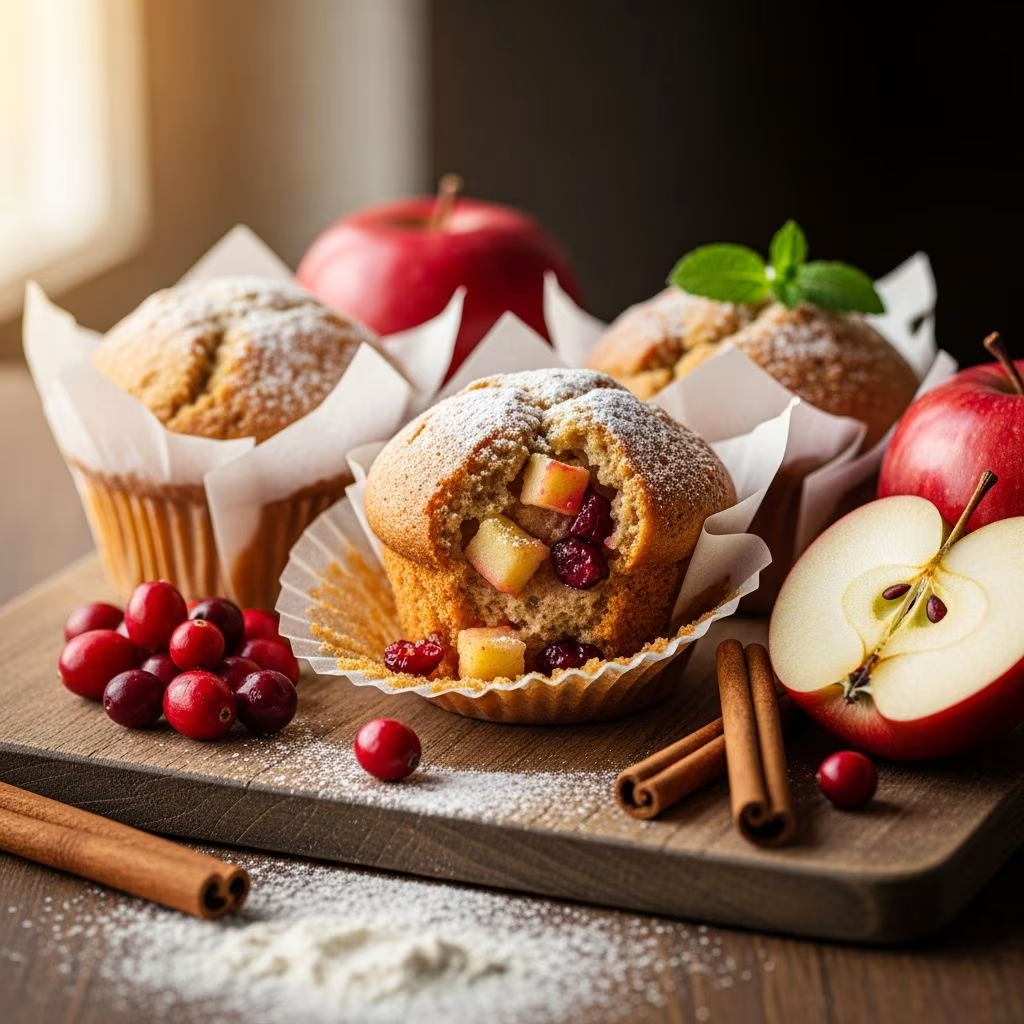
Apples bring both moisture and natural pectin to muffin batters, with their inherent tartness balancing the sweetness of sugar and other ingredients. Fresh apples should be peeled, cored, and diced into small pieces that distribute evenly throughout the batter. The variety selected influences the flavor profile; sweeter varieties like Gala contribute different notes than tarter options like Granny Smith.
Beyond these common additions, pears offer a delicate sweetness and sophisticated flavor when combined with nuts like pecans or walnuts. Their softer texture means they integrate seamlessly into batter, requiring less pre-preparation than apples. Carrots, grated finely, add moisture and a subtle vegetable sweetness while incorporating beautiful color into the finished muffins.
Building Flavor Complexity with Spice Blends
The transformation of simple ingredients into distinctly seasonal treats occurs primarily through spice selection and proportioning. Cinnamon serves as the foundational spice in most autumn muffin recipes, its warm, slightly sweet character complementing both fruit and vegetable additions. However, cinnamon alone cannot create the complex flavor profile associated with successful seasonal baking.
Ginger, whether ground or freshly minced, adds peppery warmth and subtle heat that prevents muffins from tasting one-dimensional. Nutmeg contributes earthy undertones and a hint of sweetness, while allspice—a single spice that tastes like a blend of cinnamon, nutmeg, and clove—adds depth and mystery to the flavor composition. When these spices combine in balanced proportions, they create what bakers recognize as the quintessential autumn taste without relying on pre-made spice blends.
Salt deserves attention as more than a background ingredient; it amplifies spice perception and balances sweetness, making the overall flavor profile more compelling. Many home bakers under-salt their muffins, resulting in flavors that taste flat or underdeveloped despite the presence of multiple spices.
Wet and Dry Ingredient Integration Techniques
Successful muffin baking depends on understanding how to combine wet and dry components without overdeveloping gluten strands, which would create tough, rubbery texture. The standard approach involves whisking together all dry ingredients—flour, leavening agents, spices, and salt—in one bowl while combining wet components in another. Oil or melted butter, eggs, sugar, pumpkin puree or applesauce, and milk join together before the two mixtures gently combine.
The critical instruction involves mixing only until flour pockets disappear; small lumps and slight unevenness in the batter indicate the proper stopping point. Over-mixing activates gluten development, transforming what should be tender crumbs into dense, tough results. This technique applies across virtually all muffin variations, whether using dairy or plant-based milk, eggs or egg substitutes, and traditional or alternative flours.
Fold is the operative word when combining wet and dry elements; gently turn the mixture over itself rather than stirring vigorously. This approach respects the structure already developed in each mixture and prevents unnecessary gluten formation that compromises texture.
Oven Temperature and Baking Duration Considerations
While muffin recipes typically suggest similar baking times, oven temperature plays a crucial role in achieving optimal results. Higher temperatures—around 425°F—create the characteristic peaked top and slightly crisp exterior while maintaining a tender crumb inside. Lower temperatures produce flatter muffins with more uniform texture throughout but lack the textural contrast that distinguishes exceptional muffins from ordinary ones.
Baking duration varies based on muffin size, oven characteristics, and the density of added ingredients. Standard muffins in typical 12-count pans generally require 18-22 minutes, though muffins loaded with fruit or nuts may need a few additional minutes. A toothpick inserted into the center should emerge with minimal crumbs clinging to it; a few moist crumbs indicate perfect doneness, as carryover heat continues cooking the muffin after removal from the oven.
Every oven behaves differently due to calibration variations, hot spots, and air circulation patterns. Home bakers develop intuition about their specific appliance through repeated baking, learning whether their oven runs hot or cool and adjusting timing accordingly. Rotating pans halfway through baking helps ensure even browning, particularly important in older or less-precise ovens.
Popular Flavor Combinations and Creative Variations
| Flavor Profile | Primary Ingredients | Distinguishing Characteristics |
|---|---|---|
| Pumpkin-Based | Pumpkin puree, cinnamon, nutmeg, cream cheese swirl | Rich, comforting, often features cream cheese layers |
| Apple-Forward | Fresh diced apples, cinnamon, streusel topping | Bright acidity balanced with sweet spices and crumb topping |
| Pear and Nut | Diced pears, pecans, ginger, allspice | Sophisticated, delicate sweetness, subtle crunch |
| Chocolate-Spiced | Cocoa powder, chocolate chips, cinnamon | Rich cocoa flavor enhanced by warming spices |
| Carrot-Based | Grated carrots, crushed pineapple, walnuts | Moist, nutrient-dense, familiar breakfast cake flavors |
The versatility of muffin formulas allows creative experimentation with ingredient combinations. Banana muffins benefit from the addition of autumn spices and pumpkin puree, creating an unexpected fusion that feels both classic and innovative. Chocolate additions work surprisingly well with spiced fruit muffins, as cocoa’s slight bitterness balances sweetness while its warmth complements cinnamon and ginger.
Adding nuts—whether pecans, walnuts, or almonds—contributes texture contrast and additional flavor dimension. Toasted nuts deliver more concentrated flavor than raw varieties, though either option works successfully. Nuts should be added just before baking to prevent them from sinking to the bottom of muffins or becoming overly roasted during the baking process.
Adaptations for Dietary Preferences and Restrictions
Modern bakers frequently need to accommodate various dietary approaches and ingredient restrictions without sacrificing flavor or texture. Whole wheat flour can replace up to half the all-purpose flour, creating nuttier flavor and denser crumb while increasing fiber content. However, excessive whole wheat substitution produces muffins that taste too heavy or grainy for many palates.
Dairy-free baking substitutes milk with plant-based alternatives like almond, oat, or coconut milk in equal quantities, with minimal impact on final results. Oil-based muffins work beautifully in dairy-free applications, as oil creates more tender crumbs than butter in many formulas. Cream cheese swirls can be replaced with dairy-free cream cheese alternatives that perform similarly.
For those avoiding refined sugar, maple syrup, honey, or coconut sugar can replace conventional granulated and brown sugars in equal quantities. These substitutions affect hydration levels slightly but generally produce successful results. Ripe bananas or applesauce can partially replace sugar while adding moisture and natural sweetness.
Storage, Shelf Life, and Make-Ahead Strategy
Freshly baked muffins at room temperature maintain optimal texture for approximately two days when stored in an airtight container. Beyond this timeframe, they gradually dry out despite protective covering. Refrigeration extends shelf life to about four days, though cold temperatures can accelerate staling in some cases.
Freezing represents the best long-term storage solution, with properly wrapped muffins remaining high quality for up to three months. Individually wrap cooled muffins in plastic wrap or parchment paper before placing them in freezer bags to prevent freezer burn and maintain flavor integrity. Thaw at room temperature for one to two hours before serving, or reheat in a 300°F oven for 10-15 minutes.
Make-ahead convenience extends to prepared batter, which can be refrigerated overnight before baking. This approach allows busy home bakers to prepare batter in the evening and bake fresh muffins for breakfast without morning time constraints. Some recipes actually benefit from brief chilling, as it allows flavors to develop and hydrate more completely.
Troubleshooting Common Muffin Baking Challenges
Dense, heavy muffins usually indicate over-mixing during the combining stage or insufficient leavening agent. Checking baking soda and baking powder expiration dates ensures they retain their rising power; expired leavening agents lose potency and fail to lift the batter properly. Flat muffins sometimes result from oven temperature that’s too low; a quick oven thermometer check confirms whether the appliance accurately maintains stated temperatures.
Muffins that sink in the center often contain too much sugar or are baked at temperatures too low to support their weight. Conversely, if muffin tops brown too quickly while interiors remain underbaked, reducing oven temperature by 25°F and extending baking time can provide better results.
Dry muffins typically stem from over-baking or using old ingredients that have lost moisture content. Eggs nearing their expiration date contain less moisture than fresh eggs, potentially affecting hydration. If muffins consistently turn out dry, reducing baking time by 2-3 minutes or checking doneness earlier in the baking process can remedy the problem.
Serving Suggestions and Seasonal Entertaining Ideas
Warm muffins pair beautifully with spiced coffee beverages, particularly those featuring cinnamon or nutmeg notes. The pairing of complementary flavors creates a more memorable breakfast or snack experience than enjoying muffins in isolation. Toppings of whipped cream, yogurt, or cheese provide textural contrast and additional flavor complexity.
For seasonal gatherings, arranging muffins in tiered displays or baskets creates attractive presentations that communicate hospitality and thoughtfulness. Offering multiple varieties allows guests to select according to preference while showcasing the baker’s versatility. Individual muffins wrapped in festive paper make excellent hand-held options for open houses or casual entertaining.
As gifts, muffins convey warmth and personal effort, particularly when packaged thoughtfully in boxes or containers with handwritten recipe cards. Seasonal muffins arrive at the beginning of autumn with perfect timing, offering recipients a taste of the season during its most celebrated months.
Frequently Asked Questions
Can muffin batter be prepared in advance?
Yes, muffin batter can be refrigerated in an airtight container for up to 24 hours before baking. Allow batter to come closer to room temperature before baking, as cold batter may require slightly longer baking times. Some recipes actually benefit from brief chilling, which allows dry ingredients to fully hydrate.
What causes muffin tops to brown too quickly?
Excess sugar, particularly in the batter and on streusel toppings, can cause rapid browning. Reducing oven temperature by 25°F, covering muffin tops with aluminum foil after the first 10-12 minutes of baking, or moving the pan to a lower oven rack can slow browning while allowing the interior to finish baking.
Are paper liners necessary for muffin baking?
While not strictly necessary, paper or silicone liners prevent sticking and make cleanup easier. If using a well-seasoned muffin pan, liners can be omitted, though the pan should be generously sprayed with nonstick cooking spray. Liners also provide visual appeal and help muffins maintain moisture.
How can I make muffins less sweet?
Reduce sugar by 25% while increasing spice amounts slightly to compensate for the lost sweetness. Adding fruits like apples or pears provides natural sweetness while reducing the need for added sugar. Adjusting sweetness requires some experimentation to find the balance that suits individual preferences.
What is the best oil for muffin baking?
Neutral oils like vegetable, canola, or light olive oil work well in muffins, as they don’t impart strong flavors that compete with autumn spices. Coconut oil adds subtle coconut notes that complement certain flavor combinations. Butter creates slightly different texture than oil, producing somewhat less tender crumbs.
Conclusion: Embracing Seasonal Baking Traditions
Seasonal muffins represent more than simple breakfast items; they embody the tradition of adapting cooking to available ingredients and changing seasons. By understanding the basic principles of muffin structure, ingredient interaction, and flavor building, home bakers transform simple recipes into expressions of seasonal celebration. Whether sharing these treats with family, gifting them to neighbors, or enjoying them during quiet morning moments, seasonal muffins create moments of comfort and connection that justify their prominent place in autumn baking traditions.
References
- The Bewitching Kitchen — The Bewitching Kitchen. 2024. https://www.thebewitchinkitchen.com/muffin-recipes-for-fall-baking-round-up/
- My Best Pumpkin Muffins Recipe — Sally’s Baking Addiction. 2024. https://sallysbakingaddiction.com/pumpkin-muffins-recipe/
- Everything Autumn Muffins — SavvyMom. 2024. https://www.savvymom.ca/recipe/everything-autumn-muffins/
- 25 Fall Muffin Recipes — Flour On My Face. 2024. https://flouronmyface.com/25-fall-muffin-recipes/