Halloween entertaining reaches new heights when you incorporate dishes inspired by the supernatural world of Shakespeare’s Macbeth. The famous witches’ cauldron scene featuring “eye of newt” and other mysterious ingredients has become a cultural touchstone for spooky celebrations. Modern home cooks have embraced this theatrical theme by creating inventive dishes that play with visual presentation and dramatic naming conventions. These recipes transform ordinary ingredients into conversation-starting centerpieces that captivate guests and enhance the Halloween atmosphere.
The Shakespeare Connection: Understanding the Cultural Reference
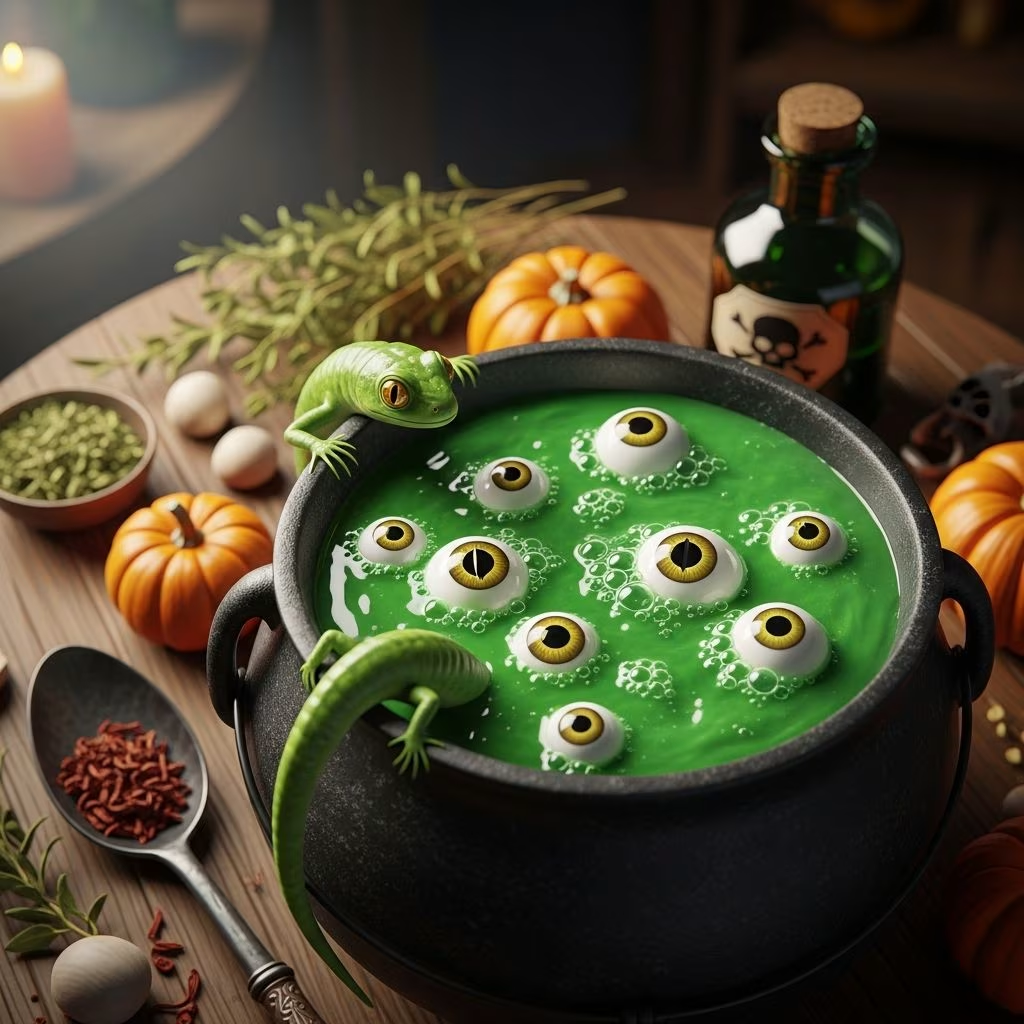
The phrase “eye of newt” originates from Act 4, Scene 1 of William Shakespeare’s Macbeth, where three witches stir a bubbling cauldron filled with mysterious and gruesome ingredients. This iconic scene has influenced Halloween culture for centuries, inspiring creative cooks to reimagine the witches’ concoction into modern culinary creations. Rather than using actual reptile parts, contemporary recipes employ clever ingredient substitutions that capture the eerie aesthetic without crossing ethical or practical boundaries. The theatrical nature of these dishes makes them particularly appealing for Halloween gatherings where presentation and storytelling enhance the dining experience.
The Savory Foundation: Red Wine Beef Stew Interpretation
One of the most impressive Eye of Newt interpretations takes the form of a sophisticated beef stew that serves as a stunning main course. This version combines braised beef with red wine, creating a rich, umami-forward base that appeals to adult palates. The dish builds complexity through layered flavoring, incorporating aromatics like garlic, onions, and carrots alongside earthy mushrooms and fragrant herbs.
The construction begins with searing beef chuck in bacon grease, then building the flavor foundation with sautéed vegetables and tomato paste. A full bottle of bold red wine—such as Cabernet Sauvignon—deglazes the pot and becomes the braising liquid. Chicken stock, thyme, bay leaves, and Worcestershire sauce round out the savory profile. The gelatin addition provides body and creates that desirable silky mouthfeel characteristic of traditional pot-au-feu preparations.
This stew works particularly well for Halloween entertaining because all components can be prepared a full day in advance, allowing the cook to focus on presentation and guest engagement on the actual event. The make-ahead quality makes this recipe especially practical for hosts managing multiple dishes and decorating tasks.
Creating the Visual “Eyes”
The most distinctive element involves transforming pearl onions into realistic-looking eyes. Frozen pearl onions work beautifully for this application—they’re uniform in size and require minimal prep work. After thawing and cooking until tender in butter, each onion receives a small central hole created with a paring knife. The hollowed center accommodates either a caper berry or small black olive, creating an uncannily lifelike eyeball. The addition of reduced pomegranate juice brushed across portions of each “eye” enhances the grotesque appearance while adding sweet-tart flavor complexity.
The pomegranate sauce itself merits attention as more than mere garnish. Reduced to a syrupy consistency, this concentrated juice provides both visual drama and flavor enhancement. When artfully splatted across serving plates, it mimics blood spatter while complementing the beef’s rich, savory character. The sauce’s acidity cuts through the stew’s richness and provides palate-cleansing properties between spoonfuls.
Asian-Inspired Preparation: Hot and Sour Soup Variation
A completely different approach to Eye of Newt emerges through Asian soup traditions, specifically an adaptation of hot and sour soup that maintains authentic flavor profiles while embracing the Halloween theme. This version employs large pearl tapioca as the “newt eyes,” a brilliant substitution that creates genuinely eerie-looking floating orbs. The tapioca’s translucent appearance and gelatinous texture provide an authentically unsettling visual that heightens the theatrical effect.
For those without access to large pearl tapioca, tri-color couscous offers a creative alternative. By selectively using the green-colored couscous pieces, cooks maintain the “eye” aesthetic while offering textural variety. This substitution works particularly well for those seeking gluten-free options or different flavor profiles.
Building Complex Flavors
This soup achieves its appeal through carefully balanced flavor contrasts. Rice vinegar or apple cider vinegar provides sharp acidity, while chili oil or Sriracha introduces heat. Low-sodium soy sauce contributes umami depth, and toasted sesame oil adds aromatic complexity. Pork loin, thinly sliced and marinated in soy sauce, cornstarch, rice wine, and black pepper, provides protein while maintaining tenderness through proper preparation technique.
Wood ear mushrooms—reconstituted from their dried form—contribute earthy flavor and distinctive slippery texture that enhances the “spooky” eating experience. The soup thickens through cornstarch slurry addition, and beaten egg stirred into the hot liquid creates delicate wisps reminiscent of traditional egg drop soup.
Garnishes of shredded carrots and scallions add visual contrast and textural interest. For more adventurous diners, the recipe accommodates additions like cubed tofu, bamboo shoots, or mung bean sprouts without disrupting the overall flavor balance.
Quick Appetizer Options for Casual Gatherings
Not every Halloween celebration demands multi-course elaborate preparations. Several simpler presentations serve beautifully at casual parties or as appetizer components within larger menus. These options require minimal cooking while delivering maximum visual impact.
Deviled Egg “Eyes”
Deviled eggs represent a classic party staple that translates seamlessly into Halloween context through simple visual modifications. The traditional preparation remains unchanged—hard-boiled eggs halved lengthwise with yolks mixed with mayonnaise, mustard, and seasonings to create the filling. The transformation occurs through topping presentation: pimento-filled olives or whole black olives placed atop each filled egg half create unmistakable eye imagery. This approach requires no additional cooking beyond egg preparation and offers the advantage of being prepared several hours in advance.
Tortilla Roll-Up “Bites”
An even quicker option involves flour tortillas spread with cream cheese and rolled tightly, then sliced into bite-sized rounds. Sliced black olives positioned on each piece complete the eye illusion. These can be prepared in minutes, require no cooking, and offer vegetarian-friendly nutrition. The mild cream cheese allows the tortilla’s subtle flavor to shine while providing an ideal vehicle for the visual effect.
Textural Experimentation: Tapioca-Based Presentations
Small pearl tapioca represents perhaps the most versatile ingredient for creating genuinely unsettling “eye” textures. These spheres, cooked until translucent and gelatinous, possess an inherently slimy quality that heightens the creepy factor. Their neutral flavor allows them to integrate into both sweet and savory applications.
Tapioca can be colored with food coloring to create variations—red-tinted versions for certain presentations, or leaving them natural for maximum eeriness. These spheres work equally well floating in the hot and sour soup variation, adorning deviled eggs, or serving as garnish for punch presentations. The tactile element of the slippery texture adds a memorable dimension that purely visual effects cannot achieve.
Beverage Integration: Punch and Drink Applications
The Eye of Newt theme extends naturally into beverages, where themed punch presentations can anchor the entire gathering’s aesthetic. Green-colored punches incorporating fruit juices, ginger ale, and carefully selected ice elements create the witches’ cauldron atmosphere. Floating tapioca spheres, whether natural or colored, create the illusion of watching eyes from beneath the punch bowl’s surface.
The punch bowl itself becomes a visual centerpiece when decorated appropriately, with dry ice effects for fog, floating fruit, and strategic lighting creating an immersive Halloween environment. This integrated approach ensures the Eye of Newt theme carries through multiple courses and components of the entertainment.
Planning and Preparation Strategies
Successful Halloween entertaining requires strategic planning, particularly when featuring multiple Eye of Newt components. The beef stew benefits from one-day-ahead preparation, with final assembly and plating occurring shortly before serving. Deviled eggs and tortilla appetizers can be made several hours in advance and refrigerated, with final garnish addition immediately before presentation. Soup components can be prepped in advance with final cooking completed just before service to ensure optimal temperature and texture.
Beverage preparation typically occurs early in the day, with final carbonation additions and garnish placement happening as guests arrive. This staggered approach prevents last-minute cooking stress while ensuring all components receive appropriate attention to detail.
Nutritional Considerations
These recipes accommodate various dietary preferences and nutritional requirements. The beef stew offers significant protein content—approximately 48 grams per serving—making it satisfying and balancing the meal’s carbohydrate content. Deviled eggs provide protein, healthy fats, and choline. The Asian soup version offers lower calorie density while maintaining protein and umami satisfaction through intelligent ingredient selection.
Hosts can modify recipes to accommodate specific diets: vegetarian versions might substitute mushrooms or beans for meat, gluten-free options use appropriate stock and sauce thickeners, and those avoiding nightshade vegetables can omit tomato paste from the stew while maintaining overall flavor complexity.
Presentation and Plating Techniques
The theatrical presentation distinguishes these dishes from ordinary fare. Plating the beef stew involves artistic sauce splattering across white plates, with “eyes” positioned strategically to suggest watching. Bowls set into saucer plates with sauce extending outward create dramatic tablescapes. Soup service in dark bowls with floating tapioca creating an eerie appearance maximizes visual impact.
Lighting considerations enhance presentation significantly. Dimmed ambient lighting with strategic accent lighting on serving dishes creates atmosphere. Candlelit serving tables amplify the Halloween ambiance without requiring elaborate decorative elements.
Frequently Asked Questions
Can these recipes be prepared for dietary restrictions?
Yes. The stew accommodates vegetarian adaptations using hearty mushrooms and beans. Gluten-free versions substitute appropriate thickeners and stock bases. Dairy-free options replace butter with oil alternatives. Individual components can be modified without compromising the overall presentation.
How far in advance can these dishes be prepared?
The beef stew benefits from one-day-ahead preparation, developing deeper flavor through resting. Appetizers can be assembled several hours in advance and refrigerated. Soup should be prepared no more than a few hours before service to maintain ingredient integrity.
What are suitable serving vessel options?
Deep bowls work well for both stew and soup. Deviled eggs present beautifully on tiered serving platters or arranged on Halloween-themed plates. Punch serves from traditional bowls or creative cauldron-shaped serving vessels that enhance the aesthetic.
How can I make these dishes kid-friendly?
Remove the “eye” garnishes for younger children uncomfortable with the presentation. The underlying dishes—seasoned beef stew, mild soup, deviled eggs—offer familiar, approachable flavors. Adjust spice levels and heat according to family preferences.
Conclusion: Creating Memorable Celebrations
Eye of Newt recipes represent more than mere food; they embody theatrical storytelling through culinary expression. By understanding the Shakespeare reference, mastering various interpretations from hearty stews to delicate appetizers, and executing thoughtful presentation, home cooks transform ordinary gatherings into memorable celebrations. These dishes honor literary tradition while embracing contemporary entertaining values of creativity, accessibility, and visual drama. Whether serving an intimate dinner or hosting a large party, Eye of Newt recipes offer flexible, scalable options that delight guests while providing satisfying, flavorful experiences worthy of the Halloween occasion.
References
- Eye of Newt Stew (Red Wine Braised Beef with Onions and Pomegranate) — Primal Wellness. 2023-10-25. https://primalwellness.coach/2023/10/25/eye-of-newt-stew-red-wine-braised-beef-with-onions-and-pomegranate/
- Eye of Newt and Wing of Bat Soup — Berkshire Style. https://berkshirestyle.com/features/Eye_of_Newt.html
- Eyes of Newt — The Rose Table. 2023-10-28. https://therosetable.com/2023/10/28/eyes-of-newt/
- Eye of Newt Devilled Eggs — Confessions of a Fitness Instructor. 2016-10-XX. https://confessionsofafitnessinstructor.com/2016/10/eye-newt-devilled-eggs/
- Halloween Slimy Eye of Newt Jar — Lady Behind the Curtain. https://www.ladybehindthecurtain.com/slimy-eye-of-newt-jar/