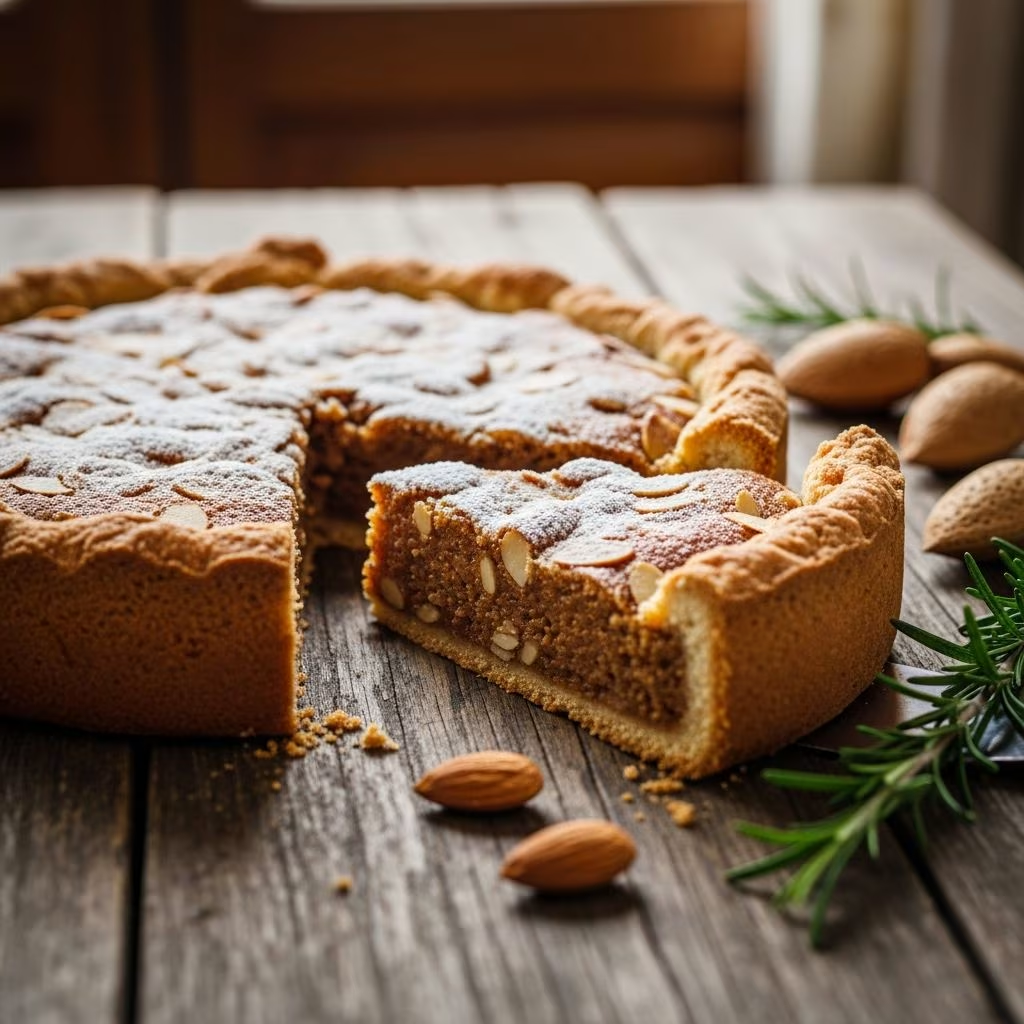
The Extremadura region of Spain is renowned for its culinary traditions that emphasize simple ingredients transformed into extraordinary dishes. Among these treasured recipes stands an impressive almond custard pie that has captured the hearts of home cooks and professional bakers alike. This particular dessert showcases the marriage of European pastry-making techniques with the abundant almond production of Spain’s interior regions. The result is a showstopping dessert with a lofty, fudgy filling encased in a tender, flaky crust that seems almost too delicate to contain its rich center.
Understanding the Regional Heritage
Extremadura’s geographical position and climate have made it an ideal location for almond cultivation for centuries. The region’s culinary identity is deeply rooted in both necessity and tradition, with local cooks developing recipes that make the most of available resources. Almonds have long been a staple ingredient in Extremadura’s kitchen, appearing in both savory and sweet preparations. This particular pie represents a more refined approach to almond cookery, likely developed during periods of cultural exchange and refined tastes among the region’s inhabitants.
The pie itself carries hallmarks of European pastry traditions while maintaining distinctly Spanish characteristics. The use of spirits like gin or vodka in the crust dough reflects broader European baking practices, yet the generous use of almonds and eggs speaks to Iberian flavor preferences. Understanding this cultural context helps appreciate not just the recipe itself, but the centuries of culinary evolution it represents.
The Foundation: Crafting the Perfect Crust
The foundation of any exceptional pie lies in its crust, and this Spanish version demands particular attention to technique and ingredient quality. The crust serves dual purposes: it must be sturdy enough to support a generous filling while remaining tender enough to provide a pleasant eating experience. The balance between structure and delicacy is achieved through careful attention to temperature, hydration, and handling.
Ingredient Selection and Preparation
Beginning with unsalted butter is essential for controlling the final flavor profile. The butter should be cold and cut into small pieces before beginning the mixing process. This temperature control ensures that the fat remains distinct within the flour matrix rather than becoming fully incorporated, which would result in a dense, tough crust. All-purpose flour provides the right balance of protein and starch for this application, creating a crust with sufficient structure without becoming overly rigid.
Kosher salt seasons the dough and subtly enhances the butter’s flavor without introducing the mineral notes sometimes associated with other salt varieties. A small amount of granulated sugar adds a touch of sweetness that complements the savory richness of butter while bridging the transition to the sweet filling above. The addition of gin or vodka (or ice water as an alternative) serves multiple purposes: it hydrates the dough while the alcohol’s lower boiling point helps create a flakier texture by producing steam during baking.
Mixing and Handling Techniques
The method for combining these ingredients matters significantly. Working quickly and keeping all components cold prevents the development of a tough, elastic gluten network that would result in a dense crust. Many experienced bakers use a pastry cutter or their fingertips to combine butter and flour, working only until the mixture resembles coarse breadcrumbs. This technique maintains distinct butter pockets throughout the dough, which expand during baking to create the characteristic flaky layers.
After adding the liquid components, the dough should be brought together gently, being careful not to overwork it. Resting the dough in the refrigerator for at least thirty minutes allows the gluten to relax and the flour to fully hydrate, both of which contribute to a more tender final result. Some bakers prefer to chill the dough overnight, which intensifies these beneficial effects and allows the cook to prepare the filling in advance.
The Filling: Building Layers of Flavor
The custard filling represents the true showstopper element of this dessert. Its impressive height and fudgy texture create visual drama while delivering exceptional flavor and texture. Creating this filling requires understanding how eggs coagulate, how sugar affects texture, and how almond flour contributes both substance and distinctive flavor.
The Role of Eggs and Sugar
Large egg yolks form the primary structure of this custard, providing both richness and binding capability. The yolks contain natural emulsifiers that help create a smooth, cohesive filling. The separation of yolks from whites is intentional; yolks contribute color, richness, and a velvety texture, while whole eggs added later provide additional binding power and volume. The ratio of yolks to whole eggs in this recipe creates a custard that is luxuriously rich without becoming cloying.
Sugar does far more than sweeten in this context. It dissolves into the egg mixture, creating a denser, more viscous custard that bakes to a fudgy consistency. The quantity specified—roughly five hundred grams for a nine-inch pie—might seem substantial, but it is distributed among multiple eggs and mixed with almond flour, preventing the filling from becoming unpalatably sweet. The sugar also raises the temperature at which the egg proteins set, allowing for a longer baking period that develops deeper flavor through gentle cooking.
Almond Flour: The Star Ingredient
Ground almonds provide the signature character of this pie. Almond flour contributes both structural support and distinctive nutty flavor that distinguishes this filling from other custard-based desserts. The finely ground texture integrates smoothly into the egg mixture, creating a homogeneous filling that bakes evenly. The natural oils in almonds contribute to the filling’s fudgy texture and prevent it from drying out during baking.
The optional almond extract intensifies the almond character for those who prefer a more pronounced flavor. A quarter teaspoon is sufficient to make an impact without overwhelming the delicate balance of flavors. Some cooks omit this ingredient entirely, preferring to let the natural almond flour flavor dominate, while others find it adds welcome depth.
Assembly and Baking Considerations
Bringing together the chilled crust and prepared filling requires attention to several factors. The crust should be pressed into a nine-inch diameter deep pie dish, with excess dough trimmed away. Some cooks leave a small overhang to account for shrinkage during baking, while others prefer a neat flush edge. The filling is then poured into the raw crust, and the assembled pie goes directly into a preheated oven.
Baking temperature and time are crucial to success. The oven must be sufficiently hot to set the crust’s exterior and begin the filling’s cooking process, yet not so hot that the top browns excessively before the interior sets. The pie will bake until the filling appears just barely set with perhaps a slight wobble in the very center—this residual carry-over cooking will firm up the texture after removal from the oven.
Serving and Storage Guidance
This pie yields eight generous servings, making it suitable for feeding a dinner party or producing enough for several days of elegant desserts. The pie is traditionally served at room temperature or slightly chilled, both temperatures showcasing the custard’s texture effectively. A simple dusting of powdered sugar provides visual elegance without adding unnecessary sweetness.
Proper storage extends the pie’s enjoyment. Covered and refrigerated, it maintains quality for up to three days. Some bakers prefer to store it at room temperature under a cake dome, claiming the filling reaches optimal texture and flavor after a day of rest. Freezing is possible but not recommended, as the delicate custard texture can separate upon thawing.
Nutritional Profile and Dietary Considerations
A single serving of this pie contains approximately 45 grams of fat, 98 grams of carbohydrates, and 16 grams of protein, making it a genuinely rich dessert intended for portion control and special occasions. The carbohydrate content comes largely from sugar, while the protein comes from both eggs and almond flour. The fiber content, while modest at about 3.4 grams per serving, comes primarily from the almond flour component.
Those with nut allergies obviously cannot enjoy this particular dessert as written. Cooks seeking dairy-free alternatives might substitute plant-based butter with varying degrees of success, though the final texture may differ from the traditional version. Gluten-free adaptations are possible using certified gluten-free flour blends, though some experimentation may be required to achieve the proper crust texture.
Troubleshooting Common Issues
Understanding potential problems helps ensure success. A crust that browns too quickly can be protected with foil placed over the edges midway through baking. A filling that cracks during cooling suggests over-baking; reducing oven time by five minutes in future attempts may help. A filling that remains too soft after cooling indicates insufficient baking time or an oven temperature that runs cool; using an oven thermometer helps verify accurate heating.
Variations and Adaptations
While the traditional recipe deserves respect and mastery, thoughtful variations can personalize this dessert. A splash of sherry or Spanish brandy can be substituted for gin, adding different aromatic notes. A thin layer of jam between crust and custard provides textural interest, though traditionalists may consider this gilding the lily. Orange zest stirred into the custard complements almond beautifully and is not uncommon in Spanish pastry traditions.
Frequently Asked Questions
Can I make this pie ahead of time? Yes, the dough can be prepared and frozen for up to one month, and the baked pie keeps refrigerated for three days. Assemble and bake the day you plan to serve it for optimal texture.
What if my crust is tough and difficult to roll out? This suggests the dough was overworked or insufficiently chilled. Ensure adequate chilling time and handle the dough minimally after combining ingredients.
Why did my custard sink in the middle while baking? This typically results from over-baking, which causes excessive evaporation and shrinkage. Watch for a slight wobble in the center and remove the pie promptly.
Can I use almond butter instead of almond flour? This substitution will not work as almond butter has much higher oil content and different binding properties, resulting in an oily, poorly textured filling.
References
- Almond Custard Pie Recipe — Samsung Food. May 15, 2025. https://app.samsungfood.com/recipes/1013e3379a0f18cb63976f377b7f0e3629481970bce
- The Flavor Bible: The Essential Reference for More Than 500 Ingredients and How to Cook with Them — Karen Page and Andrew Dornenburg. Little, Brown, 2008.
- Larousse Gastronomique: The World’s Greatest Culinary Encyclopedia — Prosper Montagné (Editor). Crown Publishers, 2001.