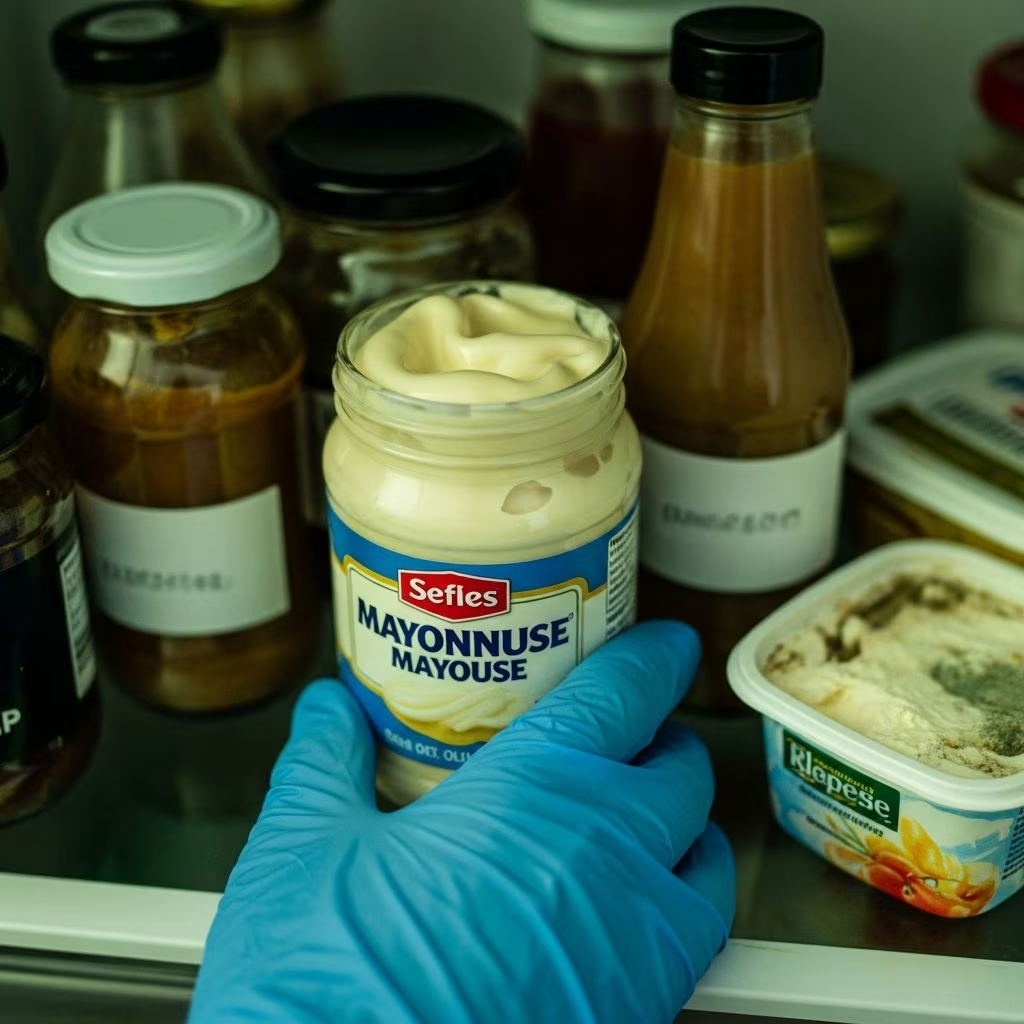
Many households overlook condiment bottles lingering in the fridge door long past their dates, assuming they’re still safe. However, certain expired condiments can breed harmful bacteria, leading to serious foodborne illnesses like salmonellosis or listeriosis. This guide breaks down the highest-risk items based on their ingredients, offering practical advice on when to discard them and how to extend shelf life safely.
Why Some Condiments Turn Hazardous After Expiry
Condiments vary widely in risk due to their composition. Those with eggs, dairy, or low acidity provide ideal environments for pathogens like Salmonella, E. coli, and Listeria to thrive once preservatives break down or improper storage occurs. High-acid, high-salt, or fermented options resist spoilage longer thanks to natural preservatives like vinegar or sodium. The USDA notes that “best-by” dates indicate quality, not safety, but for risky types, exceeding them invites trouble. Always check for off smells, mold, separation, or texture changes, though strong flavors can mask issues in creamy dressings.
Top High-Risk Condiments: Discard Without Hesitation
Focus first on egg- and dairy-based products, which spoil fastest and pose the greatest threats. Here’s a detailed look at the worst offenders.
Mayonnaise and Its Creamy Cousins
Commercial mayonnaise relies on pasteurized eggs and acids for stability, but once opened and expired, it becomes a bacterial hotspot. The USDA recommends discarding any left above 50°F for over eight hours. Symptoms of consumption include nausea, cramps, and diarrhea within hours.
- Tartar Sauce, Aioli, Remoulade, Thousand Island: These mayo derivatives share the same vulnerabilities. Toss at expiry or if watery, discolored, or off-tasting.
- Storage: Refrigerate opened jars for up to 2 months.
Ranch and Blue Cheese Dressings
Ranch, with buttermilk, sour cream, and mayo, spoils quickly, risking food poisoning if expired. Blue cheese dressing’s dairy and mayo base masks spoilage odors, making dates critical—discard after 1-2 months opened.
Caesar Dressing Dangers
Often containing egg yolks and cheese, Caesar is notorious for Salmonella risks, even in pasteurized commercial versions. Do not trust smell; adhere strictly to 1-2 months post-opening.
| Condiment | Unopened Shelf Life | Opened Fridge Life | Key Risks |
|---|---|---|---|
| Mayonnaise | 3-4 months past best-by | 2-3 months | Salmonella, E. coli |
| Ranch | 6-12 months | 1-2 months | Dairy spoilage |
| Caesar | 6-12 months | 1-2 months | Raw egg Salmonella |
| Blue Cheese Dressing | 6 months | 1-2 months | Bacteria masked by odor |
Moderate-Risk Condiments: Monitor Closely
Not all expired items are equally perilous. These warrant vigilance but offer some leeway if stored properly.
Horseradish and BBQ Sauce
Horseradish loses potency rapidly post-opening; by expiry, its bite fades, signaling it’s time for a fresh jar. BBQ sauce, preserved by sugar and vinegar, lasts 4 months opened but toss if moldy or funky-smelling. Artisan versions without additives spoil sooner.
Soy Sauce Myths Busted
Despite its fermented nature, opened soy sauce belongs in the fridge and lasts only 1 month for optimal quality before turning stale. Pantry storage for unopened lasts 3 years.
Safer Bets: Low-Risk Condiments That Last
Acid-driven staples are more forgiving, often safe well beyond dates if no spoilage signs appear.
- Mustard: Up to 1 year opened; acidity prevents bacterial growth.
- Ketchup: 6 months opened; high acidity and sugars protect it.
- Hot Sauce: 6 months to 5 years; vinegar and heat stability shine.
- Worcestershire: 1-3 years; fermentation aids longevity.
- Honey: Indefinite if crystallized (simply warm to liquify).
Smart Storage Strategies for All Condiments
Proper habits extend usability and prevent waste.
- Refrigerate immediately after opening, even low-risk types.
- Keep in original containers or airtight glass to block air exposure.
- Avoid door storage; use main fridge shelves for stable temperatures.
- Label with opening dates using a marker.
- Freeze portions of mayo-based items for up to 3 months.
For unopened bottles, cool, dark pantries suffice for most, per USDA FoodKeeper guidelines.
Spotting Spoilage: Sensory Checks That Matter
Visual and olfactory cues trump dates sometimes, but not always for masked spoilers.
- Mold or fuzz: Immediate discard, even if scrapable.
- Separation or watery texture: Common in creamy types; shake fails mean toss.
- Off odors: Rancid, sour, or fermented beyond norm.
- Color shifts: Dull, darkened, or separated layers.
- Taste test last: Only for low-risk items; spit if dubious.
Health Consequences of Ignoring Expiry
Egg/dairy condiments top the danger list. Expired mayo can trigger vomiting and fever. Dairy dressings risk Listeria, severe in vulnerable groups like pregnant women or elderly. Prevention beats cure—food poisoning affects millions yearly, per CDC data.
FAQs on Condiment Safety
Can you eat condiments past their best-by date?
Yes for high-acid types like mustard (1 year+), no for mayo-based (2 months max). Dates signal quality; safety depends on storage.
What if expired mayo tastes fine?
Taste doesn’t detect odorless bacteria like Listeria. Err on caution and discard.
How long does opened ketchup last?
6 months refrigerated; vinegar content makes it forgiving.
Is freezing condiments safe?
Yes for mayo, dressings (up to 3 months); thaw in fridge only.
Do fermented sauces like soy ever go bad?
Quality declines after 1 month opened; no true expiry but flavor fades.
Building a Safer Fridge Routine
Monthly audits clear space and risks. Stock low-risk staples more; buy small jars of creamy ones. Educate family on checks. These steps minimize waste while maximizing safety, ensuring condiments enhance—not endanger—meals.
References
- These Expired Condiments in Your Fridge Could Actually Make You Sick — On Better Living. 2023-05-15. https://onbetterliving.com/expired-condiments-make-you-sick/
- 13 Condiments You Should Never Keep Past Expiration Dates — Delish. 2024-10-01. https://www.delish.com/food/a68078493/condiments-expiration-dates-what-to-toss/
- When to Say Goodbye to Your Condiments — Kansas State University Johnson County. 2023-08-20. https://www.johnson.k-state.edu/programs/health-food-safety/newsletter-articles/agents-articles/when-to-say-goodbye-to-your-condiments.html