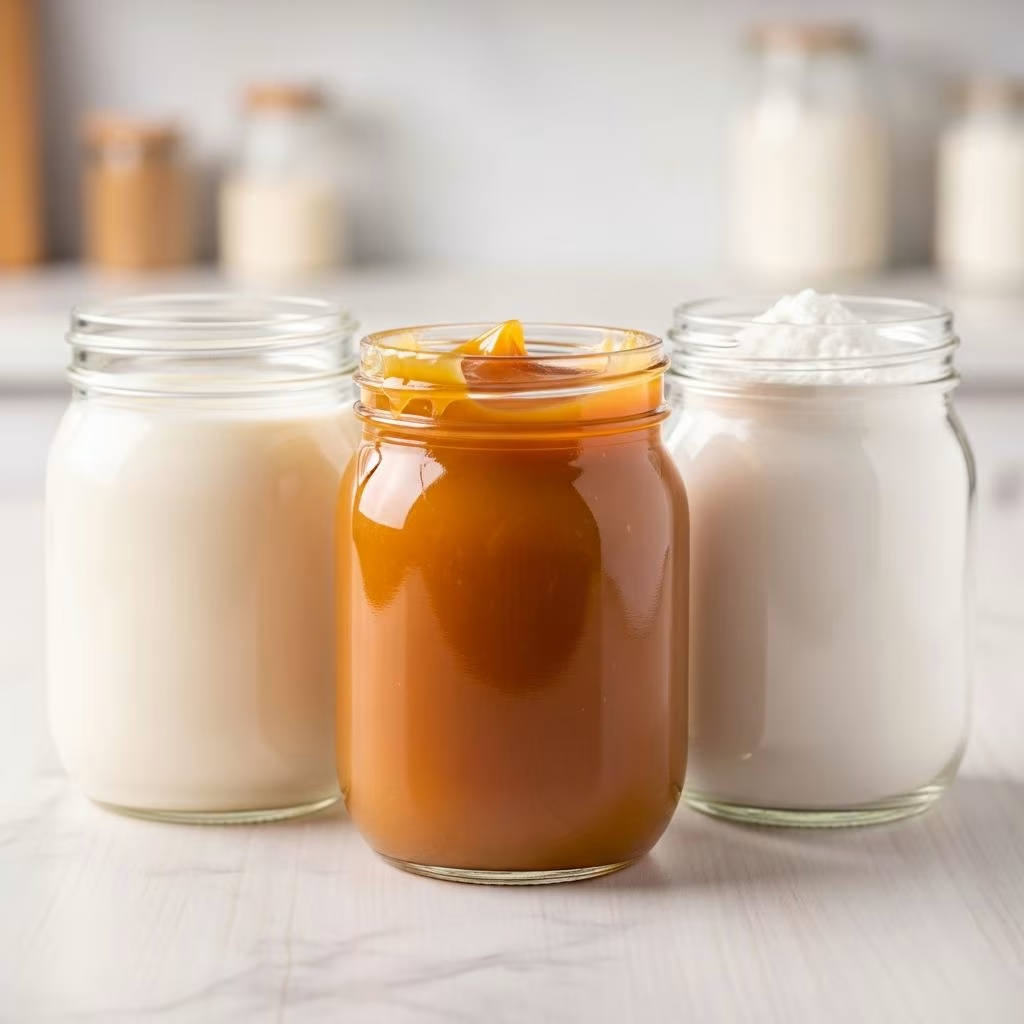
Concentrated dairy products like evaporated milk, sweetened condensed milk, and milk powder transform regular milk by removing water, creating versatile ingredients with extended shelf lives and concentrated flavors. These staples offer convenience for cooking, baking, and storage, each with distinct production processes and applications.
Understanding Milk Concentration Basics
Regular fluid milk consists of about 88% water, with the rest being solids like proteins, fats, lactose, and minerals. Concentrated milks reduce this water content partially, while dried versions remove nearly all of it, leaving less than 4% moisture. This preservation method boosts shelf life, reduces shipping weight, and allows flexibility in recipes.
Concentration begins with heating milk to evaporate water under vacuum conditions, lowering the boiling point to around 40-45°C to preserve natural taste without a strong cooked flavor. These processes also standardize salt balances for heat stability during sterilization.
Production Process of Evaporated Milk
Evaporated milk starts as fresh whole or skim milk preheated to reduce microbes and stabilize proteins. It undergoes vacuum evaporation to reach 30-40% total solids, then homogenization disperses fat evenly for a smooth texture and whiter color.
Post-homogenization, it’s standardized for mineral balance, filled into cans, and heat-sterilized. This yields a creamy, slightly caramelized product with a light beige hue, thicker than regular milk but pourable.
- Key steps: Preheating, vacuum evaporation, homogenization, sterilization.
- Result: Unsweetened, concentrated milk with enhanced viscosity.
How Sweetened Condensed Milk is Made
Sweetened condensed milk follows a similar evaporation path but incorporates sugar, typically 40-45% of the final product. Milk is evaporated first, then sugar is added—often post-evaporation to control viscosity—and the mixture is cooled before canning.
The sugar acts as a preservative, enabling even longer ambient storage. Its pale yellow color comes from caramelization during heating and sugar integration, creating a thick, syrupy consistency ideal for sweets.
| Aspect | Evaporated Milk | Condensed Milk |
|---|---|---|
| Water Removed | ~60% | ~60% + sugar |
| Sweetness | None | High (40-45% sugar) |
| Color | Light cream | Pale yellow |
| Texture | Creamy liquid | Thick syrup |
The World of Milk Powder and Dry Dairy
Milk powder, or dry milk, takes concentration further by evaporating milk to a semi-concentrated state before spray drying. Hot milk is atomized into a hot chamber, where water flashes off, forming fine particles of proteins and lactose.
Whole milk powder stores up to six months at room temperature if protected from air and moisture. Instant versions are rehydrated briefly, agglomerated for better dissolving, and redried with air pockets for quick reconstitution.
Homogenization before drying minimizes free fat, improving powder quality. Benefits include lower transport costs and no refrigeration needs.
Flavor Profiles and Sensory Differences
Evaporated milk develops a mild caramel note from heating, offering richness without sweetness. Its light creamy color and smooth mouthfeel suit savory dishes.
Condensed milk’s sugar enhances caramelization, yielding intense sweetness and a sticky texture perfect for desserts. Powdered milk, when reconstituted, tastes close to fresh milk but may lack freshness if overprocessed; dry form is neutral until mixed.
- Evaporated: Subtle cooked flavor, versatile.
- Condensed: Bold sweet, dessert-focused.
- Powder: Mild, customizable with water amount.
Nutritional Breakdown and Health Considerations
Evaporated milk retains milk’s proteins, calcium, and vitamins, concentrated twofold. A cup provides more nutrients than regular milk but similar calories per volume due to reduced water.
Condensed milk spikes calories and sugar, making it less ideal for daily use—nearly half sugar by weight. Milk powder mirrors fresh milk nutritionally when reconstituted, with long-term storage preserving most vitamins if sealed properly.
| Nutrient (per 100g) | Evaporated | Condensed | Powder (Whole) |
|---|---|---|---|
| Calories | ~130 | ~320 | ~500 |
| Protein | ~7g | ~8g | ~26g |
| Sugar | ~0g | ~55g | ~38g |
Culinary Applications Across Recipes
Evaporated milk enriches soups, sauces, mashed potatoes, and custards without curdling under heat. It’s a fresh milk substitute in baking for denser textures.
Condensed milk stars in flans, cheesecakes, candies like fudge, and beverages such as iced coffees. Its syrupy nature binds no-bake treats.
Milk powder bulks doughs, ice creams, and sauces; reconstitute for drinking or use dry for umami in rubs. Ideal for emergencies or travel.
Smart Substitutions and Swaps
Replace evaporated milk with half-and-half or reduced regular milk. Powdered milk works by mixing with 60% less water for similar thickness.
For condensed milk, simmer evaporated milk with sugar. In vegan swaps, condense non-dairy milk on stovetop.
- Evaporated → Powder + less water.
- Condensed → Evaporated + sugar.
- Powder → Fresh milk (equal parts powder/water).
Storage, Shelf Life, and Safety Tips
Canned evaporated and condensed milks last years unopened; refrigerate after opening for weeks. Powder keeps months in airtight containers away from humidity.
Sugar in condensed milk extends life further. Check cans for dents; store powder cool and dark.
Frequently Asked Questions
Can I use evaporated milk instead of condensed?
No, due to lack of sweetness; add sugar separately for similar results in recipes.
Is milk powder the same as evaporated milk?
No—powder is fully dried solid; evaporated is liquid concentrate.
How do you reconstitute milk powder?
Mix 1/3 cup powder with 1 cup water for approximate fresh milk.
What’s the difference in shelf life?
Both cans last 1-2 years unopened; condensed longer opened due to sugar; powder 6+ months dry.
Are there non-dairy versions?
Yes, plant-based evaporated and condensed milks mimic textures for vegan baking.
Historical Context and Innovations
These products arose from 19th-century needs for safe, portable milk during wars and explorations. Modern vacuum and spray tech refined flavors and nutrition.
Today, they’re global pantry essentials, from American pies to Asian teas.
References
- Concentrated and Dried Dairy Products — University of Guelph Dairy Science and Technology eBook. 2023. https://books.lib.uoguelph.ca/dairyscienceandtechnologyebook/chapter/concentrated-and-dried-dairy-products/
- Condensed Milk vs. Evaporated Milk — WebstaurantStore. 2023-10-01. https://www.webstaurantstore.com/blog/5504/condensed-milk-vs-evaporated-milk.html
- What Is Milk Powder? — Sporked. 2024. https://sporked.com/article/what-is-milk-powder/
- Milk Magic: Condensed vs Evaporated Milk — YouTube (Video Transcript). 2023. https://www.youtube.com/watch?v=td08PcImBwI