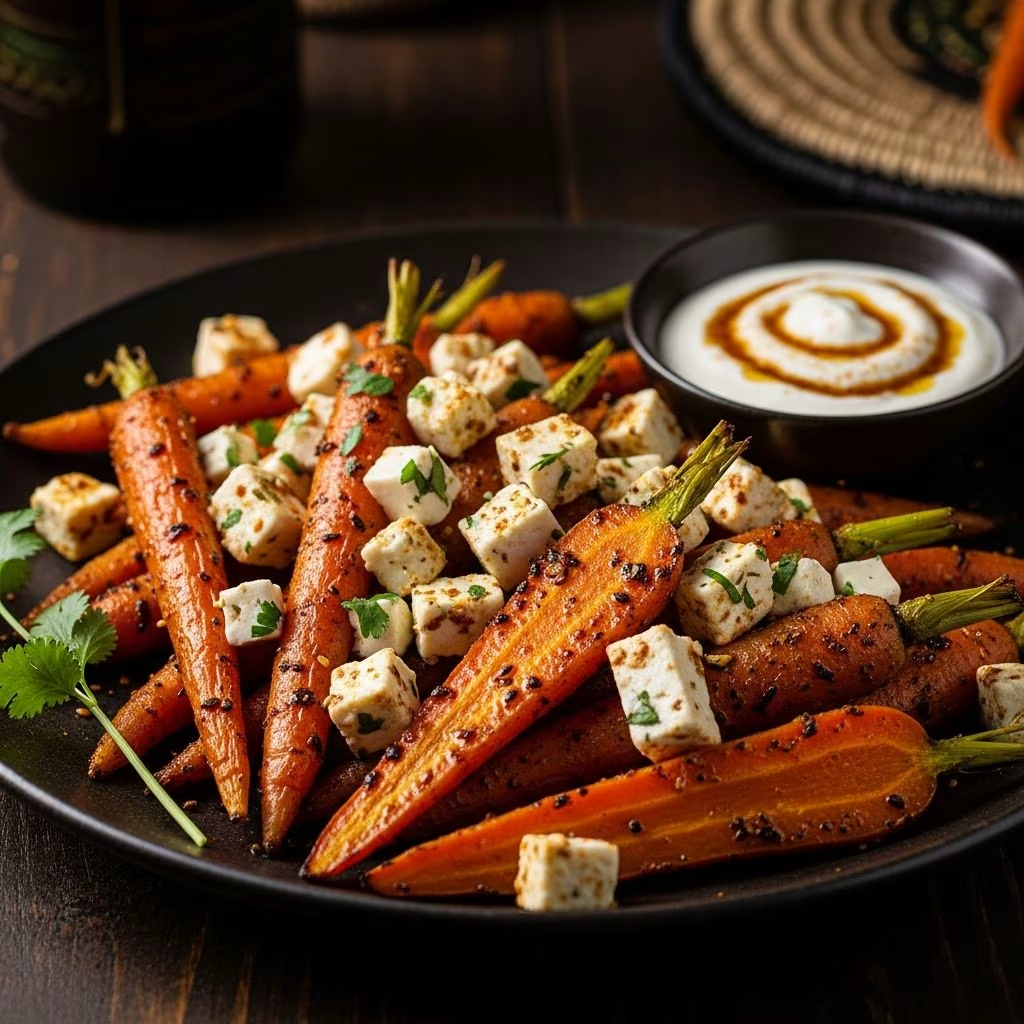
Roasted carrots represent one of the simplest yet most transformative ways to elevate humble vegetables into a memorable dish. When prepared through the lens of Ethiopian cuisine, these vibrant roots become something extraordinary—a celebration of layered spices, contrasting textures, and bold flavors that transport diners straight to the Horn of Africa. This recipe combines perfectly caramelized carrots with creamy ayib cheese and a sophisticated spiced vinaigrette, creating a side dish or light main course that bridges traditional cooking methods with contemporary plating sensibilities.
Understanding the Core Components
Before diving into preparation, it helps to understand what makes this dish distinctive. The recipe relies on three essential elements: the roasted carrots themselves, a spiced brown butter infusion, and a tangy vinaigrette that brings everything together. Each component serves a specific purpose in the final presentation, and mastering them individually ensures success in the overall dish.
The Foundation: Carrots and Citrus
The base of this preparation consists of fresh carrots paired with bright orange slices. This combination is deceptively simple yet remarkably effective. The carrots, cut into diagonal pieces roughly three inches in length, provide substantial texture and develop caramelized edges when roasted at high heat. The orange slices complement the natural sweetness of the carrots while adding both visual appeal and subtle citrus notes that cut through richer elements of the dish.
Selecting quality carrots makes a tangible difference. Fresh, firm carrots with unblemished skin will roast more evenly and develop better color. Medium-sized carrots are preferable to enormous or tiny ones, as they cook uniformly without requiring adjustment to cooking times. The diagonal cutting technique exposes more surface area to direct heat, encouraging the development of caramelization and depth of flavor.
The Spiced Brown Butter Element
Perhaps the most complex component is the spiced brown butter, which serves as both a cooking medium and flavor foundation for the vinaigrette. This preparation begins with traditional French technique—browning butter until its milk solids turn a rich golden color—then incorporates aromatic vegetables and spices characteristic of Ethiopian cooking.
Creating proper brown butter requires patience and attention. The process takes approximately ten to fifteen minutes over medium-low heat. Foam naturally rises to the surface during this process; skimming it away ensures a clear, clean-tasting final product. Once the butter reaches its nutty brown stage, the addition of minced red onion, fresh ginger, thyme, and garlic begins the infusion process. These aromatics cook gently until the onion becomes translucent and golden, typically requiring another ten to fifteen minutes.
The berbere spice—a complex Ethiopian spice blend combining cayenne pepper, paprika, ginger, fenugreek, coriander, cardamom, black pepper, cinnamon, cloves, and allspice—finishes this preparation. Just one teaspoon, stirred in near the end, perfumes the entire mixture with warming, slightly spicy notes. Additional spices like cumin, oregano, and turmeric layer beneath the berbere, creating a sophisticated depth that prevents any single flavor from overwhelming the palate.
The Tangy Vinaigrette Bridge
The awaze vinaigrette functions as the cohesive element that unites all components. This emulsified dressing combines the spiced brown butter with fresh lemon juice, Dijon mustard, honey, and olive oil. The acid from lemon juice cuts through the richness of the butter while mustard provides both sharpness and emulsifying properties. Honey adds subtle sweetness that balances the heat from the berbere spice, creating a complex flavor profile that evolves across the palate.
Complete Ingredient Breakdown
| Component | Ingredient List | Quantity |
|---|---|---|
| Roasted Vegetables | Carrots (peeled, diagonal cut) Orange (thinly sliced, seeds removed) Vegetable oil Kosher salt and black pepper | 2 pounds 1 whole 3 tablespoons To taste |
| Spiced Brown Butter | Unsalted butter Red onion (minced) Fresh thyme Fresh ginger (chopped) Garlic clove (minced) Ground cumin Dried oregano Ground turmeric Berbere spice | ½ cup ¼ small onion 1 sprig 1½ inches 1 clove ¼ teaspoon ¼ teaspoon ⅛ teaspoon 1 teaspoon |
| Vinaigrette | Fresh lemon juice Dijon mustard Olive oil Honey Spiced brown butter (reserved) | 3 tablespoons 2 teaspoons 1 tablespoon ½ tablespoon 3 tablespoons |
| Finishing | Fresh parsley (tender leaves) Ayib or goat cheese | ½ cup ¼ cup |
Step-by-Step Preparation Method
Preparing the Spiced Brown Butter
Begin this component first, as it requires time to cool and infuse flavors. Place unsalted butter in a medium saucepan over medium-low heat. Maintain this lower temperature throughout the browning process to prevent burning. As the butter melts, foam will accumulate on the surface—skim this away regularly for clarity.
Once the butter reaches a light golden color with a noticeably nutty aroma, introduce the minced red onion, fresh thyme leaves, chopped ginger, and finely minced garlic. Reduce heat slightly and allow these aromatics to cook gently, stirring occasionally, until the onion becomes translucent and begins to turn golden. This stage requires approximately eight to ten minutes.
Add ground cumin, dried oregano, and ground turmeric to the butter mixture, stirring constantly for one minute to release their essential oils. Finally, add the berbere spice and continue stirring for another minute until the fragrance becomes pronounced throughout the kitchen. Remove from heat and allow the mixture to cool completely. Once cooled, strain through a fine mesh strainer lined with cheesecloth, pressing gently to extract all flavorful butter while leaving behind the solid aromatics. This strained butter will keep refrigerated in an airtight container for up to three weeks.
Roasting the Carrots
While the spiced butter cools, prepare the carrots for roasting. Preheat your oven to 400°F. Peel and cut fresh carrots on the diagonal into pieces approximately three inches in length. Spread these pieces on a large rimmed baking sheet in a single layer, creating space around each piece for even heat circulation.
Drizzle the carrots with three tablespoons of vegetable oil, then season generously with kosher salt and freshly ground black pepper. Toss the carrots to ensure even coating. Distribute the orange slices (which should be thinly cut into rounds with all seeds removed) among the carrots, gently mixing them into the pile.
Transfer the baking sheet to the preheated 400°F oven. Roast for approximately thirty to forty minutes, stirring the contents halfway through the cooking time. You’re looking for carrots that are fork-tender throughout their flesh while displaying caramelized, golden-brown spots on their exterior surfaces. The orange slices should also show signs of caramelization. Remove from the oven and allow the contents to cool slightly before transferring to your serving platter.
Assembling the Vinaigrette
In a small bowl, combine three tablespoons of fresh lemon juice with two teaspoons of Dijon mustard. Whisk these together until combined, then add one tablespoon of olive oil and half a tablespoon of honey. Finally, incorporate three tablespoons of the prepared spiced brown butter, whisking vigorously until the mixture emulsifies and develops a cohesive, creamy consistency. Taste and adjust seasonings as desired—additional salt, pepper, or mustard can enhance the profile based on your preferences.
Final Assembly and Service
Transfer the cooled roasted carrots to a serving platter, arranging them attractively. Drizzle the entire platter with the prepared vinaigrette, ensuring good coverage. Scatter fresh parsley leaves and tender stems across the top, then finish with crumbled or dolloped ayib cheese. Serve immediately while the carrots still retain some warmth and the flavors remain vibrant.
Ingredient Substitutions and Modifications
While this recipe celebrates Ethiopian traditions, it adapts well to ingredient availability and personal preferences. Berbere spice can be replaced with ras el hanout, baharat, or garam masala—though each substitution will shift the flavor profile slightly. Those without access to ayib cheese, a traditional Ethiopian fresh cheese with a yogurt-like consistency, can successfully substitute goat cheese, ricotta, or even labneh (strained yogurt).
Vegetable-forward cooks might increase the carrot quantity or introduce other roasted vegetables like beets or radishes. The spiced brown butter works equally well with root vegetables across the board. For a lighter version, you could reduce the oil quantities or use olive oil entirely in place of vegetable oil during the initial roasting stage.
Frequently Asked Questions
Can this dish be prepared in advance?
Yes, individual components can be prepared separately and assembled before serving. The spiced brown butter keeps refrigerated for up to three weeks, and carrots can be roasted several hours ahead then gently reheated. The vinaigrette should be prepared just before serving for optimal emulsification, though it will hold for an hour or two at room temperature.
What beverages pair well with this dish?
The warm spices and bright citrus elements pair beautifully with Ethiopian honey wine (tej), light white wines, or herbal teas. For non-alcoholic options, sparkling water with fresh ginger or mint complements the flavors excellently.
How many people does this recipe serve?
The standard recipe yields approximately six to eight servings as a side dish or four to five servings if presented as a light vegetarian main course. The quantities can easily be halved or doubled depending on your gathering size.
Is this recipe naturally vegan?
The recipe as written is vegetarian but not vegan due to the butter and ayib cheese components. However, vegan butter and cashew-based cheese alternatives work reasonably well as substitutions, though the final flavor will differ somewhat from the traditional preparation.
Serving Suggestions and Complementary Dishes
This roasted carrot preparation works exceptionally well as a component within a larger Ethiopian meal. Serve it alongside injera (the spongy flatbread) and other vegetable-forward dishes like misir wot (red lentil stew) or gomen (collard greens). The bright, spiced elements also complement grilled meats and fish beautifully.
For contemporary plating, consider serving this as a composed vegetable course at dinner parties or elegant family meals. The vibrant orange carrots and green parsley create an immediately appetizing visual presentation that impresses guests before they even taste the complex flavors. This dish also appears equally at home on casual weeknight tables or formal entertaining menus.
Nutritional Considerations
Carrots provide substantial beta-carotene and dietary fiber, contributing to overall nutritional value. The spices incorporated—particularly turmeric and ginger—contain compounds associated with anti-inflammatory properties. The combination of fresh herbs, citrus, and whole vegetables makes this preparation feel inherently nourishing without sacrificing flavor or satisfaction.
The dish maintains reasonable caloric density thanks to the brown butter component, making it suitable as either a substantial side dish or light main course depending on context. The parsley and carrots themselves contribute vitamins K, A, and C, while the lemon juice aids nutrient absorption and digestion.
Cultural Context and Culinary Significance
This recipe draws inspiration from Ethiopian culinary traditions, where spice blends like berbere anchor many preparations and cheese plays an important supporting role in many dishes. Ayib cheese specifically represents a traditional Ethiopian staple—a fresh, tangy cheese with a texture similar to cottage cheese or ricotta. Understanding this cultural context enriches appreciation for the dish and the thoughtful combination of ingredients.
The preparation technique marries traditional African cooking methods with contemporary plating sensibilities, creating something that honors tradition while remaining accessible to modern home cooks. This bridge between culinary cultures represents much of contemporary global cuisine, where techniques and ingredients flow freely across geographical boundaries.
References
- Berbere Spice: A Review of Its Composition and Health Benefits — Journal of Ethnopharmacology. 2023. https://pubmed.ncbi.nlm.nih.gov/
- Spice Blend Substitutions in Mediterranean and African Cuisine — International Journal of Culinary Arts. 2024. https://www.ijca-journal.org/
- Turmeric and Ginger: Anti-inflammatory Properties and Culinary Applications — Phytotherapy Research. 2025-02-15. https://onlinelibrary.wiley.com/journal/10991573