Ethiopian cuisine offers a rich tapestry of flavors, and among its most beloved dishes are those featuring humble cabbage transformed into aromatic, deeply satisfying preparations. The Ethiopian cabbage dish represents centuries of culinary tradition, combining simple vegetables with warming spices to create meals that nourish both body and soul. This comprehensive guide explores the techniques, variations, and cultural significance of preparing Ethiopian cabbage dishes that can be enjoyed at home with readily available ingredients.
Understanding Ethiopian Cabbage Dishes and Their Traditions
Ethiopian cuisine reflects a deep connection to the land and the seasons, with cabbage-based preparations serving as staples in both everyday meals and festive occasions. The transformation of common vegetables through traditional cooking methods demonstrates the sophistication inherent in Ethiopian food culture. These dishes are not merely sustenance but represent communal dining, where families gather around shared platters of injera bread, topped with colorful vegetable stews.
The cabbage-centered preparations gain their distinctive character from the careful layering of flavors through both fat infusions and ground spices. The process of building depth through successive additions of aromatics and spices reflects a deliberate approach to cooking that rewards patience and attention. Whether prepared for daily meals or special gatherings, these dishes embody principles of resourcefulness and flavor maximization using minimal, wholesome ingredients.
Essential Ingredients and Quality Considerations
The foundation of authentic Ethiopian cabbage preparations rests on a surprisingly modest ingredient list, though the quality of each component significantly influences the final result. Understanding these foundational elements allows home cooks to make informed choices and adaptations based on availability and preference.
Primary Vegetable Components
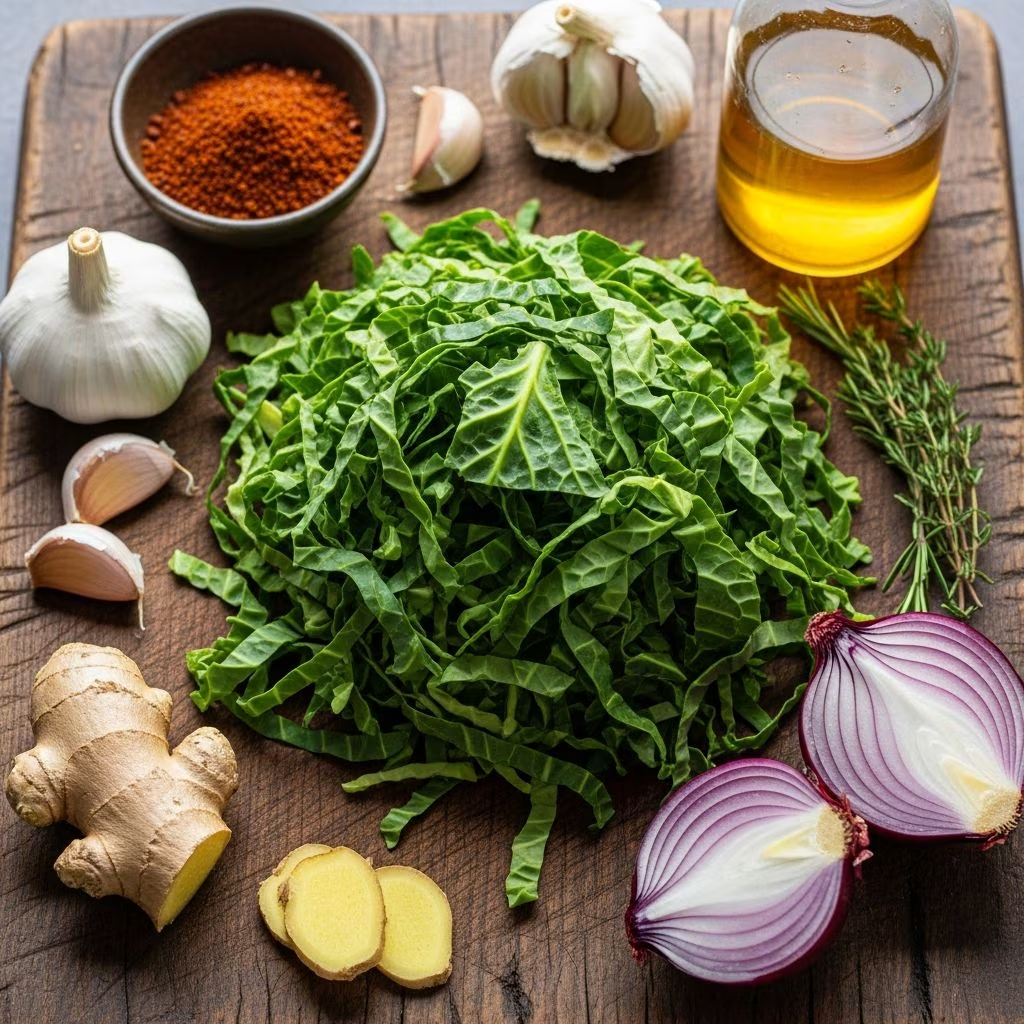
- Cabbage: Green cabbage serves as the primary vegetable, contributing bulk and subtle sweetness when cooked. Fresh, firm heads without blemishes produce the best results, yielding tender, flavorful preparations after cooking.
- Carrots: Sweet and structurally sound during extended cooking, carrots add natural sugars and visual appeal. Medium-sized carrots typically offer better flavor than oversized specimens.
- Potatoes: Starchy potatoes provide textural contrast and help create a cohesive dish. Varieties like Yukon Gold maintain their shape during cooking while developing creamy interiors.
- Onions: Aromatic foundation vegetables that undergo transformation during cooking, transitioning from pungent to deeply sweet and complex.
Flavoring Elements and Spice Profiles
- Garlic: Fresh minced garlic introduces pungency that mellows during cooking, creating savory depth.
- Turmeric: This golden spice provides earthy undertones and anti-inflammatory properties, contributing both flavor and nutritional value.
- Cumin: Warm and slightly nutty, ground cumin adds complexity without overwhelming delicate vegetables.
- Additional Spices: Paprika, coriander, black pepper, and optional chile peppers can be incorporated based on desired heat levels and flavor preferences.
Fat and Oil Selection
Traditional preparations employ niter kibbeh, a clarified butter infused with spices, though olive oil and other neutral oils provide accessible alternatives. The fat serves multiple functions: conducting heat efficiently, carrying fat-soluble flavors, and creating a luxurious mouthfeel in the finished dish.
Step-by-Step Preparation Techniques
Phase One: Building the Aromatic Foundation
Begin by heating your chosen fat over medium heat in a large, heavy-bottomed pot or Dutch oven. Once the oil shimmers, add diced onions along with a pinch of salt. This combination encourages the onions to release moisture, which prevents sticking and allows them to cook evenly. Sauté for approximately five to ten minutes, stirring occasionally, until the onions transition from opaque to translucent and develop golden edges. During this phase, the onions lose their raw bite and begin transforming into a sweet, savory base.
Phase Two: Introducing Secondary Aromatics and Spices
Once onions have softened, add minced garlic and stir constantly for one to two minutes. This brief cooking period mellows the garlic’s sharpness while distributing its flavor throughout the oil. If using whole spices, add them now before the wet ingredients, allowing them to toast slightly and release their volatile oils. This technique, known as blooming spices, intensifies their flavor contribution to the finished dish.
Phase Three: Adding Structured Vegetables
Introduce diced potatoes and sliced carrots, stirring thoroughly to coat with the aromatic oil. At this stage, sprinkle in ground turmeric, cumin, and any other dried spices. Stir continuously for one to two minutes to distribute spices evenly and prevent them from burning. This ensures every piece of vegetable receives proper seasoning from the beginning.
Phase Four: Moisture Introduction and Gentle Cooking
Pour approximately one cup of water into the pot, using slightly more if desired for a brothier consistency. Reduce heat to medium-low and cover the pot partially. Allow the vegetables to simmer for ten to fifteen minutes, stirring occasionally to prevent sticking. The potatoes and carrots should approach tenderness but maintain slight resistance when pierced with a fork.
Phase Five: Cabbage Addition and Final Integration
Roughly chop fresh cabbage into bite-sized pieces and add to the pot, stirring well to combine with other ingredients. Cover and continue simmering for five to ten minutes until the cabbage becomes tender and somewhat translucent. Fresh green peppers or jalapeños can be added during this final phase for brightness and subtle heat.
Cooking Methods Comparison
| Cooking Method | Equipment Needed | Total Time | Best For | Advantages |
|---|---|---|---|---|
| Stovetop Pot | Large pot or Dutch oven | 30-40 minutes | Quick weeknight meals | Direct heat control, easy monitoring |
| Wok or Large Skillet | Wok or wide skillet | 25-35 minutes | Stir-fry style preparation | Even heat distribution, easy stirring |
| Slow Cooker | Slow cooker or Dutch oven | 4-6 hours on low | Batch cooking and advance prep | Hands-off cooking, enhanced flavor development |
Ingredient Quantity Guide for Different Serving Sizes
Scaling Ethiopian cabbage dishes requires understanding how components interact. The following quantities provide guidance for various party sizes while maintaining proper flavor balance and textural harmony.
| Serving Size | Cabbage | Carrots | Potatoes | Onions | Oil | Water |
|---|---|---|---|---|---|---|
| 2-3 servings | 1/2 head | 2-3 medium | 1-2 medium | 1/2 medium | 3 tablespoons | 1/2 cup |
| 4-6 servings | 1 head | 4-5 medium | 3-4 medium | 1 medium | 1/2 cup | 1-1.5 cups |
| 8-10 servings | 1.5-2 heads | 8-10 medium | 6-8 medium | 2 medium | 1 cup | 2-3 cups |
Variations and Creative Adaptations
Spice Level Modifications
The baseline preparation offers mild warmth from turmeric and black pepper. For those seeking additional heat, incorporate fresh or dried chile peppers during the final stages of cooking. Habanero peppers provide intense fruity heat, while jalapeños offer milder, fresher spiciness. Add these incrementally, tasting as you proceed to achieve your preferred level of pungency.
Protein Integration Options
While the base preparation remains vegetarian, this dish accommodates protein additions beautifully. Chickpeas introduce plant-based protein and hearty texture, requiring addition during the initial simmering phase. Ground meat or diced poultry can be browned separately before adding other ingredients, creating richer, more substantial preparations.
Textural Variations
Some cooks prefer vegetables maintaining more firmness, while others favor complete tenderness. Adjust cooking times accordingly: shorter cooking yields vegetables with bite and distinct identities, while extended simmering creates a more unified, stew-like consistency. Both approaches honor traditional preparations across different Ethiopian regions.
Storage, Make-Ahead Preparation, and Freezing Guidelines
Ethiopian cabbage dishes improve with time as flavors meld and mellow, making them excellent candidates for advance preparation. Store finished dishes in airtight containers in the refrigerator for up to four days, though consuming within two days optimizes texture and freshness.
For freezer storage, certain precautions optimize results. Many cooks omit potatoes from the initial preparation, cooking them separately and adding post-thawing to prevent mushiness. This approach maintains superior texture after frozen storage. Portion into individual containers before freezing for convenient reheating.
Thaw overnight in the refrigerator before reheating gently over low heat, adding small quantities of water if needed to restore desired consistency. Alternatively, reheat from frozen using a stovetop over medium-low heat, stirring occasionally until fully warmed through.
Serving Suggestions and Accompaniments
Ethiopian tradition dictates serving cabbage preparations atop injera, a spongy fermented flatbread that absorbs flavorful sauce while providing a textural contrast. Injera serves simultaneously as plate, utensil, and edible component of the meal.
Modern adaptations pair these dishes with rice, quinoa, or other whole grains for those avoiding traditional breads. The vegetable stew also works beautifully alongside roasted meats or as a standalone vegetarian entrée. Fresh lime wedges or hot pepper sauce on the side allow individual customization of brightness and heat levels.
Nutritional Considerations and Health Benefits
Ethiopian cabbage preparations offer remarkable nutritional density without excessive calories. Cabbage provides fiber, vitamin C, and cancer-fighting compounds while remaining low in calories. Carrots contribute beta-carotene for eye health, while potatoes supply potassium and resistant starch when cooled. The combination of vegetables ensures diverse micronutrient profiles and phytonutrient diversity.
Ground spices like turmeric contain curcumin, researched for its anti-inflammatory properties. When consumed with fat and black pepper, curcumin absorption increases significantly. The emphasis on plant-based whole foods reflects both traditional wisdom and contemporary nutritional science.
Troubleshooting Common Cooking Challenges
Vegetables Remain Firm After Standard Cooking Time
If potatoes and carrots resist tenderness, continue cooking covered over low heat for an additional ten minutes. Ensure adequate water remains in the pot; vegetables require sufficient moisture for thorough cooking. Thicker-cut vegetables require longer cooking than thinner pieces.
Excessive Liquid or Watery Consistency
Cabbage releases substantial moisture during cooking. If the finished dish appears too soupy, simmer uncovered over medium heat for additional minutes, allowing excess liquid to evaporate. Alternatively, mash a small portion of cooked potatoes into the liquid, creating a subtle thickening effect.
Unevenly Cooked Vegetables
Consistent vegetable sizing ensures even cooking. Cut potatoes and carrots into similarly-sized pieces, roughly one-inch cubes, while keeping onion chunks slightly larger. Smaller pieces cook faster than larger ones, creating a scattered cooking timeline if sizes vary dramatically.
Bland or Underdeveloped Flavor
Taste and adjust seasoning throughout the cooking process rather than only at the end. Ethiopian preparations benefit from building flavor gradually. Ensure spices are fresh and aromatic; old spices lose potency. Consider blooming spices in hot oil before adding vegetables, which intensifies their contribution.
Frequently Asked Questions About Ethiopian Cabbage Cooking
Can this dish be prepared without oil or fat?
While fat traditionally carries flavors and creates desirable texture, cooking with minimal oil or using cooking spray is possible. Results differ from traditional preparations, producing a lighter but less rich final product. Consider using vegetable broth instead of water to compensate for reduced oil.
What are appropriate substitutions for unavailable ingredients?
Napa cabbage or kale can replace green cabbage, though cooking times may vary slightly. Parsnips substitute for carrots, offering similar sweetness and texture. Different onion varieties change flavor profiles but work acceptably. Spice substitutions prove more challenging; turmeric and cumin play essential roles without close equivalents.
Is this preparation naturally vegan and gluten-free?
The basic preparation using oil rather than clarified butter qualifies as vegan, assuming plant-based broth if used. The absence of grains and animal products makes it naturally gluten-free. Always verify that spices lack additives or fillers for strict gluten-free compliance.
How does this dish adapt to different altitude or elevation?
Higher altitudes affect water boiling points and cooking times. At elevations above 3,000 feet, increase cooking times by approximately ten percent and ensure adequate water since evaporation increases. Standard recipes developed at sea level may require minor adjustments at significant elevations.
Can this preparation be made in bulk for weekly meal prep?
Ethiopian cabbage preparations excel for meal prep. Prepare five to six servings at once, portion into containers, and refrigerate for the week. Plan consumption within three to four days for optimal quality. Alternatively, freeze portions for longer storage, though texture changes slightly after thawing.
References
- Ethiopian Cabbage — African Bites. Accessed April 2026. https://www.africanbites.com/ethiopian-cabbage/
- Tikil Gomen (Ethiopian Cabbage with Carrots and Potatoes) — Holy Cow Vegan. Accessed April 2026. https://holycowvegan.net/tikil-gomen-ethiopian-cabbage-with-carrots-and-potatoes/
- Authentic Ethiopian Cabbage (Atakilt Wat) — Urban Farmie. Accessed April 2026. https://urbanfarmie.com/ethiopian-cabbage/
- Hearty Ethiopian Cabbage Stew — Food Gal. January 2023. https://www.foodgal.com/2023/01/hearty-ethiopian-cabbage-stew/
- Atakilt Wat – Ethiopian Cabbage Potato Carrots — Vegan Richa. Accessed April 2026. https://www.veganricha.com/atakilt-wat-ethiopian-cabbage-potato/