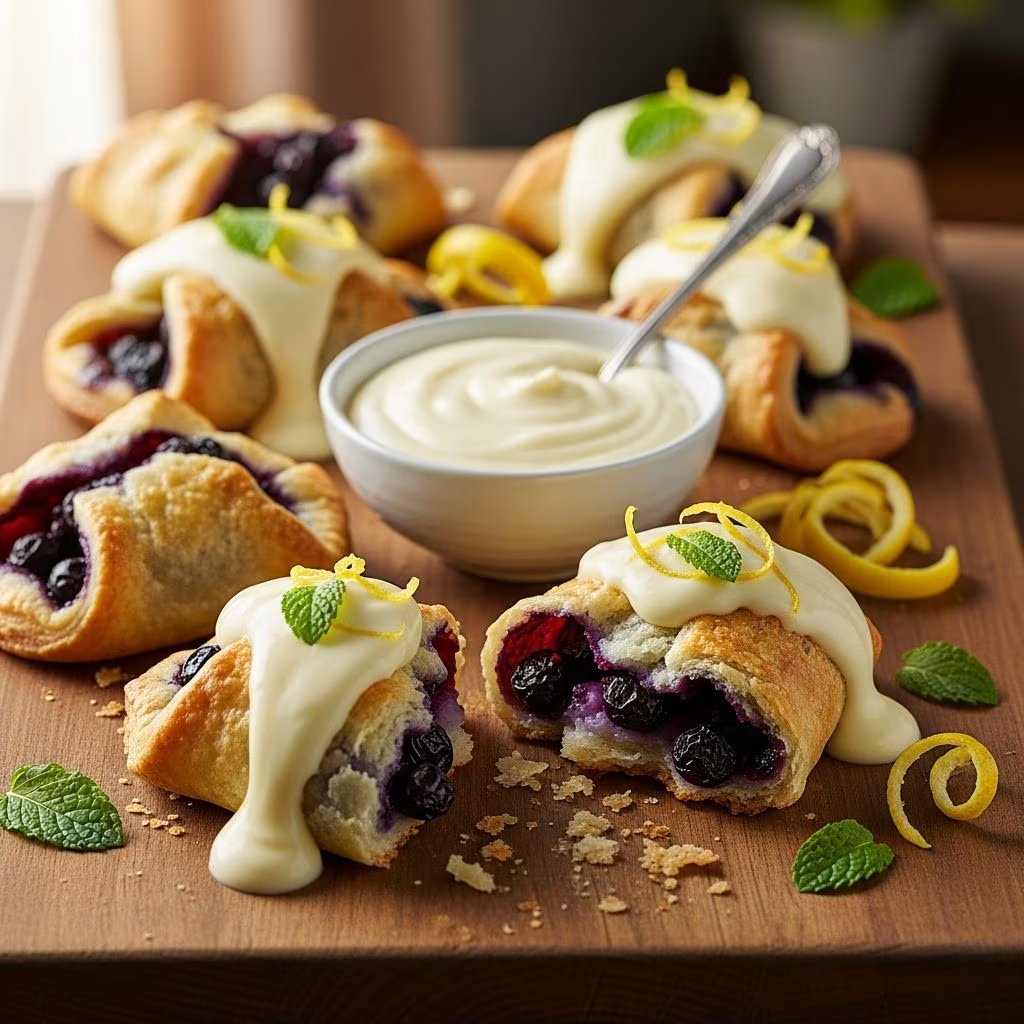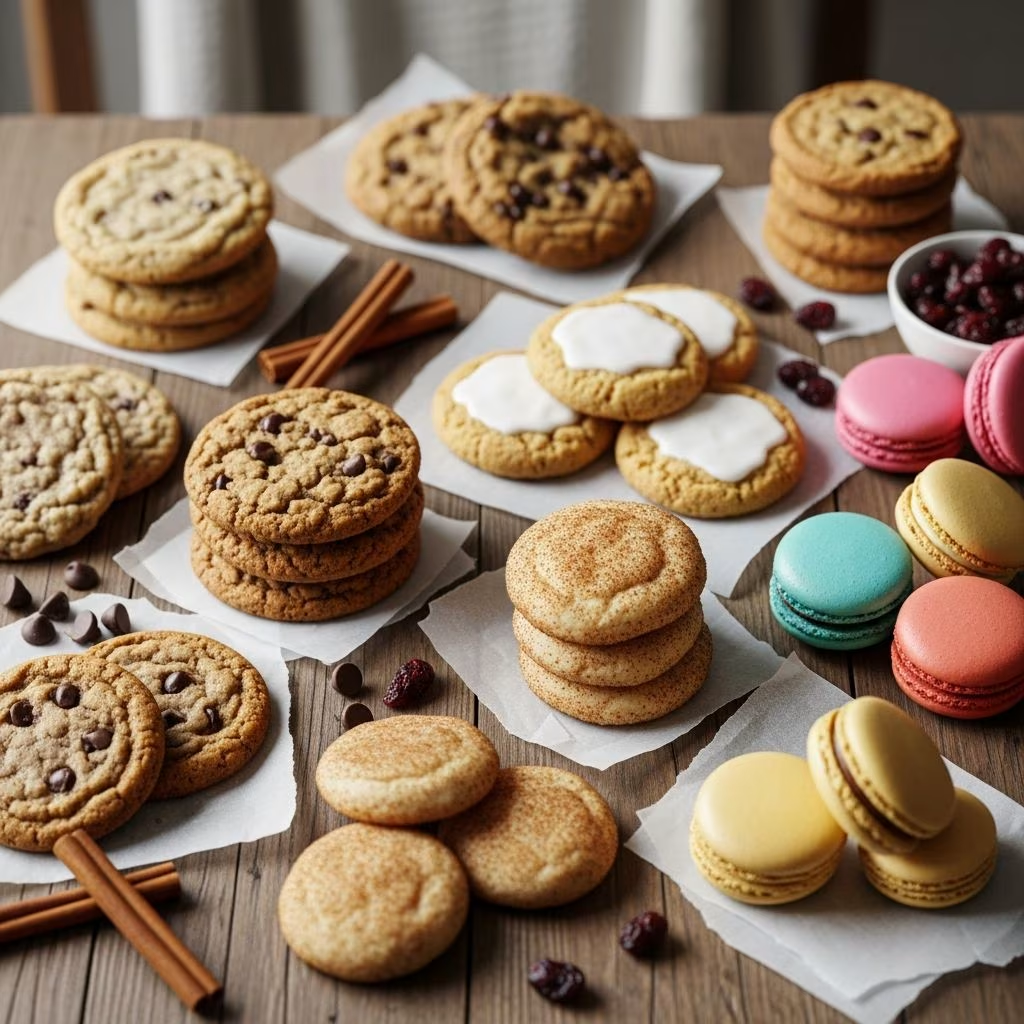
Cookie baking represents one of the most rewarding culinary pursuits, offering both novice and experienced bakers the opportunity to create delicious treats with relatively simple ingredients and straightforward techniques. Whether preparing snacks for family gatherings, holiday celebrations, or everyday indulgences, having a collection of reliable cookie recipes ensures you can always produce impressive results. This comprehensive guide explores the foundational cookie varieties that deserve a permanent place in your baking repertoire, along with practical insights into achieving consistent texture and flavor.
Understanding Cookie Fundamentals
Before diving into specific recipes, grasping the basic science behind cookie baking creates a strong foundation for success. Cookies rely on a delicate balance of ingredients that work together to produce desired textures, from crispy and snappy to soft and chewy. The ratio of flour to fat, the incorporation of eggs, and the balance between sugar types all influence the final product’s structure and taste.
Fat content, primarily through butter, creates richness and contributes to cookie spread during baking. Sugar serves multiple purposes: granulated sugar promotes spreading and crispness, while brown sugar adds moisture and depth through its molasses content. Flour provides structure, while leavening agents like baking soda and baking powder control rise and texture. Understanding how these components interact allows bakers to modify recipes intentionally or troubleshoot inconsistent results.
Foundational Recipes Worth Mastering
The Classic Chocolate Chip Cookie
No cookie collection reaches completion without perfecting the chocolate chip variety, a timeless treat that balances buttery dough with rich chocolate morsels. This recipe typically combines softened butter with brown and granulated sugar, creates a creamed base, incorporates eggs and vanilla extract, then blends in flour, baking soda, and salt before folding in chocolate chips.
The key to achieving the ideal texture involves careful attention to baking time. Removing cookies from the oven when the centers still appear slightly underdone ensures they set to a chewy consistency as they cool. Many bakers find that using a combination of milk chocolate and semi-sweet chocolate chips, along with a sprinkle of fleur de sel, elevates this classic beyond ordinary.
Sugar Cookies: Canvas for Creativity
Sugar cookies provide the perfect foundation for decorated treats, offering a mild flavor that allows toppings and frostings to shine. Unlike their chocolate-forward cousins, sugar cookies rely on the interplay between butter, sugar, and vanilla to create appeal. The dough holds its shape well during baking, making these cookies ideal for cut-out designs and royal icing decorations.
For optimal results, chill the dough before rolling and cutting to prevent excessive spreading. The baked cookies should have slightly golden edges with pale centers, creating a pleasant textural contrast between the slightly crispy perimeter and tender interior.
Oatmeal Varieties: Wholesome and Satisfying
Oatmeal cookies introduce whole grains and textural interest to the cookie landscape. These recipes typically incorporate rolled oats alongside traditional flour, creating a heartier cookie with increased nutritional value. The natural sweetness of oats pairs beautifully with additions like raisins, nuts, brown sugar, and warming spices such as cinnamon.
The inclusion of oats affects baking time and texture significantly. Oatmeal cookies typically bake slightly longer than their flour-only counterparts and develop a denser, more substantial crumb structure. These cookies often improve in texture after a day or two of storage, as the oats continue absorbing moisture.
Advanced Cookie Techniques and Variations
Developing Texture Through Ingredient Selection
Creating cookies with specific textures requires intentional ingredient choices and technique modifications. For achieving extra-chewy cookies, increasing brown sugar relative to white sugar, slightly underbaking, and storing cookies with a slice of bread captures moisture. Conversely, producing crispy cookies involves using more granulated sugar, baking longer until golden throughout, and storing in an airtight container without additional moisture.
Nut additions introduce both flavor and textural complexity. Walnuts provide an earthy, slightly bitter note that balances sweetness, while pecans offer richness and buttery undertones. Toasting nuts before incorporating them intensifies their flavor profile and creates more pronounced textural contrast within the finished cookie.
Seasonal Flavor Profiles
Cookie recipes adapt beautifully to seasonal ingredients and flavor preferences. Holiday-inspired variations might incorporate spiced elements like cinnamon, nutmeg, and cloves alongside cranberries or candied orange peel. Summer iterations could feature lemon zest, coconut, or fresh berry elements. Spring brings opportunities for floral notes such as lavender or rose water, while autumn celebrates warming spices and pumpkin-based creations.
Essential Baking Tips for Consistent Results
- Ingredient Temperature Matters: Using room-temperature butter and eggs ensures proper mixing and incorporation, creating a uniform dough structure that bakes evenly.
- Accurate Measurements: Weighing dry ingredients produces more consistent results than volume measurements, eliminating variables from how flour is scooped and packed.
- Oven Calibration: An oven thermometer confirms actual baking temperature, as many home ovens run hot or cold, affecting baking times significantly.
- Cooling Considerations: Allowing cookies to cool slightly on the baking sheet before transferring to a wire rack prevents breakage and ensures proper setting.
- Storage Strategies: Most cookies maintain optimal texture in airtight containers at room temperature, though some varieties benefit from refrigeration or freezing for extended shelf life.
Troubleshooting Common Baking Challenges
| Issue | Likely Cause | Solution |
|---|---|---|
| Cookies spread too thin | Warm dough, excessive butter, or oven too hot | Chill dough, verify oven temperature, reduce butter slightly |
| Cookies remain too thick | Insufficient spreading, oven too cool, or excess flour | Increase oven temperature, weigh flour accurately, warm baking sheets |
| Burnt bottoms with pale tops | Oven hot spots or baking sheets too dark | Rotate pan halfway through, use lighter-colored baking sheets |
| Cookies lack flavor | Insufficient vanilla or sugar, ingredients not quality | Increase vanilla, use quality chocolate and butter, taste dough |
| Dry, crumbly texture | Overbaking or excess flour in dough | Reduce baking time, measure flour carefully, add extra egg |
Equipment Recommendations for Success
Investing in quality baking equipment improves results substantially. Heavy-duty baking sheets distribute heat evenly, reducing burnt areas and promoting uniform browning. An electric mixer efficiently creams butter and sugar, incorporating necessary air that contributes to proper texture. A reliable oven thermometer eliminates guesswork about actual baking temperatures. Measuring tools, whether a kitchen scale for precision or calibrated measuring cups, ensure recipe accuracy.
Silicone baking mats or parchment paper prevent sticking while promoting even browning. Wire cooling racks allow proper air circulation around finished cookies, preventing the bottom surfaces from becoming soggy. These tools represent relatively modest investments that compound in value through improved baking outcomes over time.
Building Your Cookie Recipe Collection
Developing a well-rounded cookie repertoire involves sampling various styles and flavor profiles to identify personal preferences and those of your intended audience. Starting with reliable versions of classics builds foundational skills before advancing to more complex variations or innovative flavor combinations. Many bakers find success in mastering three to five go-to recipes that they can execute confidently before expanding their collection.
Documenting results through notes about baking times, temperature adjustments, and texture outcomes creates valuable reference material for future baking sessions. This personalized approach acknowledges that every kitchen operates differently due to humidity, elevation, oven characteristics, and ingredient variables.
Frequently Asked Questions
How can I make cookies softer?
Increase brown sugar proportion, reduce baking time by a minute or two, and store cookies with a slice of bread in an airtight container. The bread gradually releases moisture into the enclosed space, softening cookies over time.
Why do my cookies spread too much?
Warm dough spreads excessively. Refrigerate dough for at least thirty minutes before baking. Also verify your oven temperature with a thermometer, as ovens running hot cause additional spreading.
Can I freeze cookie dough?
Yes, both scooped and rolled dough freeze well for months. Bake directly from frozen, adding one to two minutes to baking time. This convenience makes advance preparation practical.
What’s the best way to store cookies long-term?
Store cookies in airtight containers at room temperature for up to one week, or freeze in freezer bags for up to three months. Thaw at room temperature before serving.
How do I prevent cookies from sticking to the pan?
Use parchment paper or silicone baking mats. These surfaces promote even browning while preventing sticking without greasing pans unnecessarily.
References
- What’s Gaby Cooking – 26 Best Cookie Recipes — What’s Gaby Cooking. 2024. https://whatsgabycooking.com/26-best-cookie-recipes/
- Two Peas & Their Pod – Cookie Recipes: A Year-Round Guide — Two Peas & Their Pod. 2024. https://www.twopeasandtheirpod.com/category/recipes/cookies/
- Sally’s Baking Addiction – Trusted Cookie Recipes — Sally’s Baking Addiction. 2024. https://sallysbakingaddiction.com/category/desserts/cookies/