The green bean casserole stands as one of America’s most recognizable and frequently prepared side dishes, particularly during holiday gatherings and festive occasions. This iconic comfort food has maintained its popularity for generations, yet contemporary home cooks continue seeking ways to enhance and modernize this beloved standard. By introducing unexpected ingredients and flavor dimensions, families can transform a familiar dish into something memorable while maintaining the essential comfort-food appeal that makes casseroles so attractive.
Understanding the Foundation of Enhanced Green Bean Casseroles
The fundamental structure of a green bean casserole begins with quality vegetables as the primary component. Rather than relying solely on standard canned green beans, modern interpretations often incorporate fresh or premium canned varieties, with some preparations including mushrooms, corn, or other complementary vegetables. The binding agent traditionally consists of cream-based soups or homemade cream sauces that coat the vegetables and create a cohesive, satisfying texture.
What distinguishes contemporary versions from their predecessors is the strategic addition of proteins, aromatic ingredients, and textural elements that add complexity without overwhelming the dish’s essential character. These enhancements create layers of flavor that make each spoonful interesting while preserving the uncomplicated nature that makes casseroles so appealing to diverse family members and guests.
Protein Additions That Transform the Dish
Incorporating proteins into green bean casseroles dramatically shifts the flavor profile and transforms the dish from a side into something more substantial. Bacon remains the most popular protein choice, offering smoky depth and crispy texture contrasts with the soft, creamy vegetables beneath. The preparation method matters significantly—rendering bacon until nearly crisp before combining ensures that the meat remains distinctly flavorful rather than becoming soggy.
Beyond bacon, some preparations include sausage, pancetta, or smoked ham, each contributing unique characteristics. The choice of protein should complement rather than overwhelm the vegetable base, so using approximately one quarter to one third the volume of protein to vegetables maintains appropriate balance. When preparing these protein-enriched versions, cooks should render the meat first, setting it aside before building the remaining components, then reincorporating it toward the end of preparation to preserve textural integrity.
Aromatic and Flavor-Building Components
Fresh aromatics elevate casseroles from mundane to memorable. Garlic, when minced and cooked briefly until fragrant, creates a savory foundation that enhances every other ingredient. Onions, whether diced and cooked until softened or used as crispy fried toppings, provide both sweetness and structural interest. Some preparations incorporate black olives for briny complexity, while others add sun-dried tomatoes or roasted peppers for depth.
The choice of cooking fat matters substantially in building these flavor foundations. Using bacon fat or butter rather than neutral oils ensures that the aromatics absorb rich, developed flavors that carry through the entire dish. Cooking aromatics over medium rather than high heat allows their natural sugars to caramelize gently, developing subtle sweetness without creating harsh or burnt notes.
Sauce Variations and Binding Methods
While traditional recipes rely on condensed cream soup combined with milk, contemporary approaches often employ alternatives that provide more control over flavors and textures. A homemade cream sauce made from butter, flour, and quality broth creates a smoother, more refined binding than canned soups, while still delivering the creamy texture essential to the dish’s appeal.
Sour cream, often used in conjunction with or instead of milk, adds tangy richness that balances richer protein additions. Some recipes incorporate cheese directly into the sauce—cheddar for sharp character, gruyere for nutty sophistication, or even blue cheese varieties for bold distinction. The sauce should coat vegetables thoroughly but not create a swimming consistency; it should be thick enough to cling to each vegetable piece.
Textural Elements and Topping Strategies
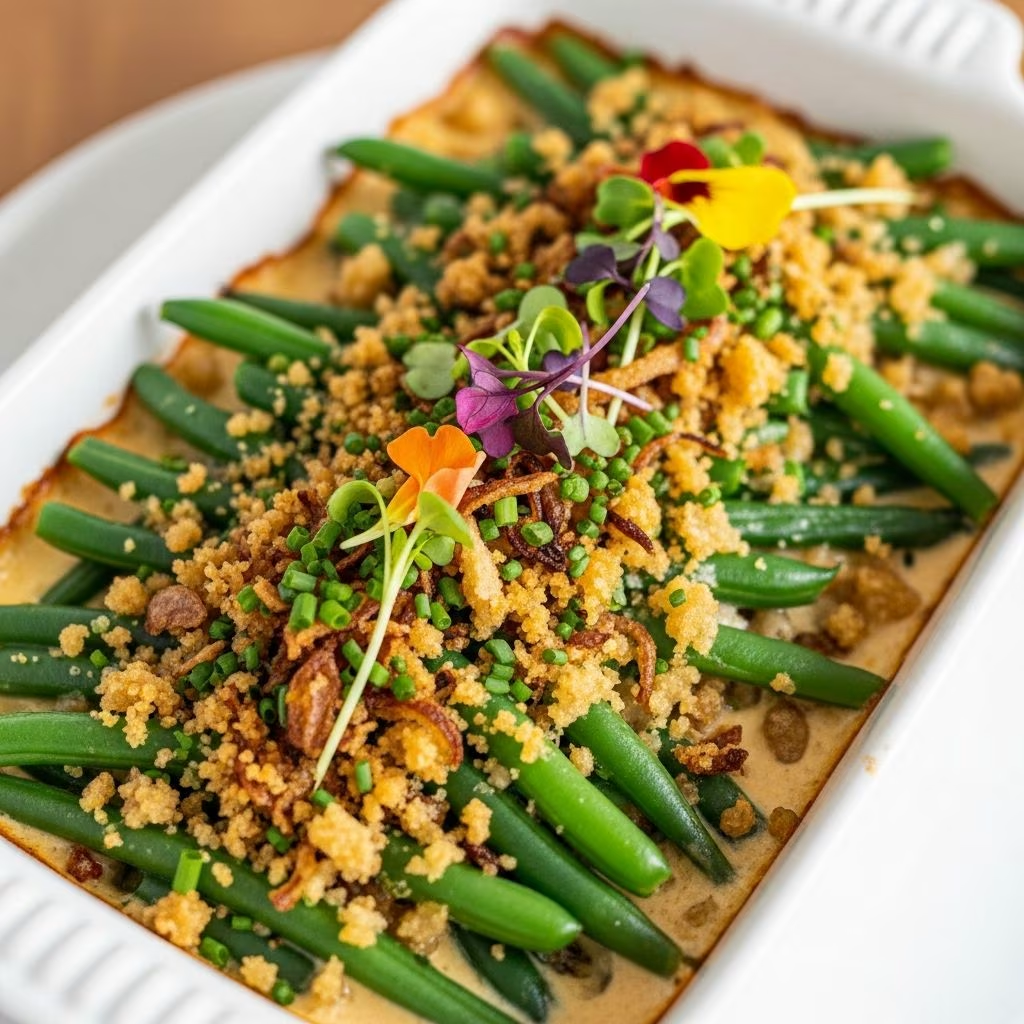
What distinguishes a merely adequate casserole from an exceptional one often comes down to textural contrast in the final dish. Traditional fried onion toppings remain popular, but contemporary versions explore additional options:
- Crushed crackers mixed with melted butter create a savory crust
- Breadcrumb mixtures combined with grated cheese form a golden crown
- Chopped nuts, particularly pecans or walnuts, add crunch and earthy notes
- A combination of crispy elements applied in stages ensures some remain crunchy throughout serving
The timing of topping application affects the final result significantly. Adding textural elements before the final 5-10 minutes of baking preserves their crispness, while incorporating them earlier allows partial absorption of surrounding moisture, creating varied textures within a single bite. Sprinkling cranberries, dried cherries, or other tart dried fruits over the top before the final baking stage adds unexpected sweetness and visual interest.
Building Flavor Through Complementary Vegetables
While green beans form the foundation, incorporating additional vegetables creates complexity and improves nutritional profile. Sweet corn provides contrasting sweetness and textural variety, while mushrooms—whether fresh sautéed baby bellas or from canned preparations—contribute umami depth. Some preparations include diced bell peppers for color and subtle sweetness, or even diced zucchini for added substance.
The key to successfully incorporating multiple vegetables lies in preparing each according to its specific needs before combining. Fresh mushrooms benefit from sautéing until golden before incorporation, which concentrates their flavors and reduces excess moisture. Canned vegetables should be thoroughly drained to prevent the casserole from becoming watery. Fresh vegetables should be diced consistently in size to ensure even cooking throughout the baking period.
Cheese Integration and Its Impact
Cheese serves multiple functions in elevated green bean casseroles beyond simple flavor contribution. Parmesan cheese sprinkled on top creates a crust that browns during baking, while cheddar incorporated into the sauce contributes melting richness that coats vegetables evenly. Some preparations employ gruyere for more sophisticated undertones, while others layer multiple cheese varieties for complexity.
Proper cheese incorporation requires attention to melting temperature and timing. Adding cheese to the sauce over gentle heat ensures smooth melting without separated, greasy pools. When used as a topping, cheese should be applied shortly before baking so it melts and browns simultaneously with the casserole’s exterior. Using freshly grated cheese rather than pre-shredded versions produces superior melting characteristics and creamier results.
Preparation Timeline and Advance Planning
Successfully executing an enhanced green bean casserole requires strategic timing, particularly when preparing for holiday meals. Most components can be prepared in advance: bacon can be rendered and set aside, vegetables can be chopped and stored, and aromatics can be cooked and cooled hours before assembly. The cream sauce can be prepared a day in advance and gently reheated before combining with other components.
Final assembly should occur shortly before baking to maintain food safety and prevent excess liquid from accumulating. If assembling significantly ahead, covering the prepared casserole and refrigerating until shortly before baking works well, though adding 5-10 minutes to the baking time accounts for the dish’s cold starting temperature. Allowing the assembled casserole to rest at room temperature for 15-20 minutes before baking promotes more even cooking.
Baking Temperature and Time Considerations
Standard baking occurs at 350 degrees Fahrenheit, though some preparations prefer slightly higher temperatures for more pronounced browning of toppings. The typical baking period ranges from 25-45 minutes depending on the dish’s depth, ingredient volume, and whether it started at room temperature or straight from refrigeration. The casserole reaches completion when the sauce bubbles around the edges, the top achieves golden-brown coloring, and a knife inserted into the center emerges hot.
Monitoring the baking process prevents overbrowning of toppings before the interior reaches appropriate temperature. If the top begins browning too quickly, loosely tenting with aluminum foil partway through baking allows the interior to cook through while protecting the surface. Removing the tent during the final minutes restores browning if needed.
Serving Considerations and Storage
Allowing the baked casserole to rest for 5-10 minutes after removing from the oven permits the sauce to set slightly, making serving cleaner and more controlled. This resting period also allows flavors to meld and the dish to reach optimal eating temperature throughout. Serving directly from the baking dish maintains temperature longer than transferring to serving vessels, though attractive presentation sometimes justifies the slight temperature trade-off.
Leftover casserole stores well in covered containers for up to three days in standard refrigeration. Reheating at low temperature (around 325 degrees) restores texture better than microwave reheating, which can create hot spots and uneven temperatures. Adding a small splash of milk or cream while reheating helps restore the sauce’s original consistency, as it naturally thickens during refrigeration.
Frequently Asked Questions About Enhanced Casseroles
Can I prepare this casserole entirely in advance?
Yes, preparation is possible up to the point of baking. Assemble all components in the baking dish, cover tightly, and refrigerate up to 24 hours. Add approximately 10-15 minutes to the stated baking time since you’re starting from cold. However, avoid adding certain crispy toppings until closer to baking, as they absorb moisture during extended storage.
What’s the best way to prevent a watery casserole?
Thoroughly drain all canned vegetables before incorporation, and avoid adding excess liquid to the sauce. If using fresh mushrooms, sauté them completely to release and evaporate their natural moisture before combining with other ingredients. Using cream-based sauces rather than thin broths also helps maintain appropriate consistency.
Can I use fresh green beans instead of canned?
Absolutely. Blanch fresh green beans in boiling salted water for 3-4 minutes until tender-crisp, then plunge into ice water to stop cooking. Pat completely dry before incorporating into the casserole. Fresh green beans may reduce total cooking time slightly since they’re already partially cooked through blanching.
How can I make this recipe more protein-forward?
Increase the bacon proportion, or combine bacon with sautéed sausage for additional substance. Some preparations incorporate poached chicken or shredded turkey, which works well with the mild cream sauce. Maintaining balance ensures the dish remains recognizable as green bean casserole rather than becoming unidentifiable.
What wine pairs well with this dish?
Light to medium-bodied white wines work well with cream and cheese-based casseroles. Sauvignon Blanc or Pinot Grigio complement the vegetables and aromatics without overwhelming delicate flavors. If bacon features prominently, a light Pinot Noir offers versatility.
Conclusion: Making This Dish Your Own
The enduring popularity of green bean casserole reflects its fundamental appeal: it’s comforting, accessible, and welcomes variation. By thoughtfully incorporating quality ingredients, building layers of complementary flavors, and paying attention to textural contrasts, home cooks can transform this humble side dish into something worthy of center-stage placement on any table. The beauty of casserole cooking lies in its forgiving nature and flexibility—minor adjustments create entirely different dishes while maintaining the essential character that makes casseroles so beloved across generations and occasions.
References
- Daily Dish Recipes – Twisted Bacon Green Bean Casserole — Daily Dish Recipes. Accessed 2026-04-10. https://dailydishrecipes.com/twisted-bacon-green-bean-casserole/
- Southern Bite – Ultimate Green Bean Casserole — Southern Bite. Accessed 2026-04-10. https://southernbite.com/ultimate-green-bean-casserole/
- Ask the Food Geek – 12 Green bean casserole variations — Ask the Food Geek. Accessed 2026-04-10. https://askthefoodgeek.com/green-bean-casserole-variations/
- Mandy in the Making – Green Bean Twist Casserole — Mandy in the Making. Accessed 2026-04-10. https://www.mandyinthemaking.com/recipes/green-bean-twist-casserole