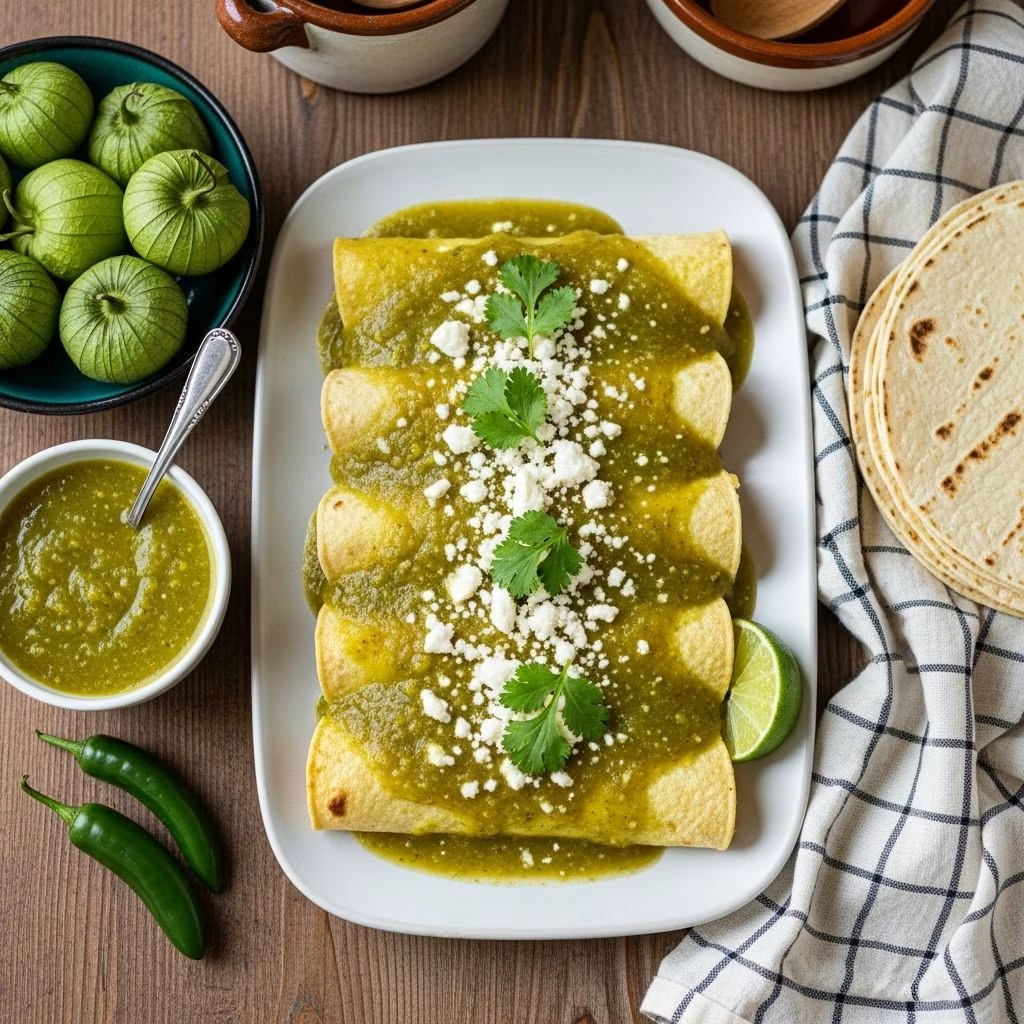
Enchiladas verdes represent one of Mexico’s most cherished culinary traditions, combining soft corn tortillas with a vibrant tomatillo-based sauce and savory fillings. This classic dish has captivated home cooks and restaurant chefs alike for generations, offering a perfect balance of flavors and textures. Whether you’re seeking to recreate restaurant-quality enchiladas in your own kitchen or exploring Mexican cuisine for the first time, understanding the fundamentals of this dish will transform your cooking experience.
Understanding the Foundation: What Makes Enchiladas Verdes Distinctive
The defining characteristic of enchiladas verdes lies in their vibrant green sauce, which fundamentally distinguishes them from their red counterparts. This sauce derives its color and distinctive tangy flavor from fresh tomatillos, a staple ingredient in authentic Mexican cooking. Unlike tomatoes, tomatillos possess a unique tartness that creates the signature brightness associated with green enchilada preparations. The sauce typically incorporates fresh cilantro, aromatic garlic, and various chile peppers that contribute layers of complexity to the overall dish.
The construction of enchiladas verdes follows a traditional assembly method that has remained largely consistent throughout Mexico. Individual corn tortillas are filled with protein and vegetables, then rolled and arranged in a baking dish before being smothered with the green sauce and finished with melted cheese. This layering technique ensures that each component contributes meaningfully to the final dish while maintaining distinct textural contrasts.
The Essential Green Sauce: Creating Salsa Verde from Scratch
Preparing authentic salsa verde begins with selecting quality tomatillos that are firm and free from blemishes. Fresh tomatillos should be bright green and feel heavy for their size, indicating good juice content. The cooking process for the sauce base typically involves roasting the tomatillos along with complementary aromatics to develop deeper, more concentrated flavors.
The roasting phase is crucial for transforming raw ingredients into a cohesive sauce. Tomatillos, when exposed to high heat, develop a slightly charred exterior while their interiors become soft and manageable for blending. During this stage, onion wedges and chile peppers should also be roasted to encourage caramelization and flavor concentration. The typical roasting temperature ranges between 400-450°F, with cooking duration usually extending 25-35 minutes depending on the quantity of ingredients and your oven’s characteristics.
Once roasting is complete, the softened ingredients transfer to a blender where they meet raw components that provide fresh, uncooked elements to the sauce. This combination of roasted and raw ingredients creates complexity, with the roasted elements providing depth while the raw additions maintain brightness. Garlic, fresh cilantro, and additional chile peppers are typically added at this stage, along with salt for seasoning. The blending process should continue until achieving a smooth consistency, though some cooks prefer leaving the sauce slightly textured for rustic presentation.
Key Components of Authentic Salsa Verde
- Tomatillos: The primary ingredient, typically requiring 1.5 to 2 pounds for a batch serving 4-6 people
- Green chiles: Jalapeño or serrano peppers provide heat and authentic flavor notes
- Aromatics: Onion and garlic establish the flavor foundation
- Fresh herbs: Cilantro adds brightness and completes the flavor profile
- Fat: Neutral oil helps emulsify and carry flavors throughout the sauce
- Salt: Essential for balancing acidity and enhancing all flavor components
Selecting and Preparing Fillings for Your Enchiladas
While enchiladas verdes traditionally feature protein-based fillings, numerous variations exist that accommodate different dietary preferences and ingredient availability. The selection of filling ingredients significantly impacts the dish’s final character and satisfaction level.
Protein options span both animal and plant-based categories. Shredded chicken remains the classic choice, often prepared by poaching boneless, skinless breasts until tender, then shredding into bite-sized pieces. This method maintains moisture while avoiding excess fat. Carnitas, the traditional slow-cooked pork preparation, offer richer, more indulgent characteristics. For vegetarian preparations, seasoned beans—whether pinto, black, or refried varieties—provide substance and nutritional value while creating satisfying textural components.
Vegetable additions round out the filling, creating complexity and nutritional balance. Roasted cauliflower florets offer a lighter, low-carbohydrate option that absorbs the green sauce beautifully. Roasted jalapeños contribute both flavor intensity and authentic character. Some recipes incorporate sautéed mushrooms, zucchini, or bell peppers for additional vegetable content and subtle flavor variations.
The seasoning approach for fillings follows straightforward principles. Basic combinations of cumin, oregano, garlic, and salt create the foundation. Some preparations include additional elements like onion powder or black pepper for enhanced complexity. The goal involves creating sufficiently seasoned filling that stands independently while harmonizing with the green sauce rather than competing against it.
The Tortilla Selection: Choosing Between Corn and Alternatives
Traditional enchiladas verdes exclusively utilize corn tortillas, which provide authenticity and appropriate texture for this preparation. Corn tortillas possess a subtle earthiness that complements both the green sauce and fillings perfectly. Their slightly delicate nature allows them to absorb sauce flavors while maintaining structural integrity throughout baking.
Quality matters significantly when selecting tortillas. Fresh, pliable tortillas roll more easily and less likely to crack during assembly. If using store-bought tortillas that seem overly dry, gently warming them in a skillet or microwave briefly revitalizes their flexibility. This simple step prevents breakage during rolling and ensures superior final presentation.
While flour tortillas can technically substitute for corn varieties, they create a noticeably different eating experience. The resulting enchiladas become softer and less structured, with a wheat-forward flavor that may overwhelm rather than complement the delicate green sauce. Purists prefer maintaining corn tortillas for authentic results, though individual preference ultimately guides this choice.
Assembling Enchiladas Verdes: Technique and Best Practices
Successful assembly requires organization and a systematic approach to prevent frustration. Begin by preparing your workspace with all components readily accessible: filled tortillas arranged nearby, sauce portioned into containers for easy application, and your baking dish positioned centrally.
The foundation layer sets the stage for proper sauce distribution throughout the dish. A thin layer of green sauce should coat the bottom of your baking dish, typically requiring about half a cup of sauce. This base layer prevents sticking while creating a moisture barrier between the tortillas and the baking vessel.
Individual tortillas are then filled with measured portions of your chosen filling—generally 2-3 tablespoons per tortilla—creating a consistent presentation and ensuring even distribution of ingredients. The tortilla should be positioned flat on your work surface, with filling arranged slightly off-center to facilitate rolling. Rolling toward the center creates a tight spiral that maintains integrity during baking. Each rolled tortilla should be positioned seam-side down in the prepared baking dish, creating a neat arrangement.
Once all tortillas are arranged, the remaining sauce is drizzled strategically across the top, ensuring even coverage while potentially leaving the edges slightly bare for textural contrast during baking. The final layer consists of shredded cheese—traditionally Oaxaca, Asadero, or Monterey Jack varieties—distributed evenly across the surface.
Baking and Finishing: Achieving Perfect Results
Baking temperatures and durations vary slightly among recipes, though most preparations fall within the 375-400°F range with baking times extending 15-20 minutes. The objective involves melting cheese thoroughly while heating the enchiladas through without drying the tortillas. Baking uncovered allows the cheese to brown slightly and the tortilla edges to crisp pleasantly.
Visual indicators signal completion more reliably than rigid timing. The cheese should be fully melted and show light browning, particularly at the edges where the tortillas contact the baking dish. The sauce should bubble gently at the dish’s perimeter, indicating thorough heating throughout the dish.
Upon removal from the oven, enchiladas verdes benefit from a brief resting period—5 to 10 minutes—which allows the sauce to set slightly and the cheese to achieve optimal consistency. This waiting period prevents the sauce from running excessively when plated while ensuring that each serving remains intact and attractive.
Creative Variations and Flavor Adaptations
While traditional preparations maintain consistent core elements, creative variations can adapt the dish to contemporary preferences or ingredient availability. Cream-based sauces incorporating table cream or Mexican crema offer richness and subtle tang, while traditional tomato-based preparations provide different sauce characteristics. Some preparations blend these approaches, creating hybrid sauces that combine salsa verde’s brightness with cream’s richness.
Protein variations extend beyond chicken and pork to encompass seafood, particularly in coastal Mexican regions. Shrimp and fish preparations create lighter enchiladas that showcase the green sauce’s delicate characteristics without overwhelming richness.
Cheese selections impact both flavor and texture. While traditional Mexican cheeses offer authentic character, domestic alternatives like Monterey Jack, Muenster, or even mozzarella can produce satisfactory results. The ideal cheese melts smoothly while adding sufficient flavor contribution to justify its inclusion.
Serving Suggestions and Accompaniments
Enchiladas verdes pair beautifully with numerous accompaniments that enhance rather than overshadow the main dish. Seasoned Mexican rice provides textural contrast while absorbing excess sauce gracefully. Traditional refried beans or black beans offer substantial, flavorful complements that round out the meal.
Fresh toppings applied at serving time contribute brightness and textural variety. Sliced avocados or avocado chunks add creamy richness, while diced red onion provides sharp, refreshing contrast. Fresh cilantro sprinkled across individual portions reinforces the dish’s herbaceous character. Sour cream dolloped on top adds cooling creaminess that balances the sauce’s tang.
A simple green salad with lime vinaigrette provides acidic contrast and vegetable freshness without overwhelming the primary dish. Lime wedges at the table allow diners to adjust acidity levels according to personal preference.
Frequently Asked Questions About Enchiladas Verdes
Can I prepare enchiladas verdes in advance?
Yes, enchiladas verdes assemble easily several hours ahead of baking. Prepare the assembled dish, cover with plastic wrap, and refrigerate until ready to bake. Add approximately 5-10 minutes to baking time if baking from cold. Alternatively, prepare individual components—sauce, filling, and assembled unbaked dish—and combine just before baking for maximum freshness.
How should I store leftover enchiladas verdes?
Store cooled enchiladas in an airtight container in the refrigerator for up to three days. Reheat gently in a covered baking dish at 325°F for approximately 15-20 minutes until heated through. Reheating in the oven rather than microwave prevents tortillas from becoming excessively soft while maintaining sauce quality.
Can enchiladas verdes be frozen successfully?
Assembled, unbaked enchiladas freeze exceptionally well. Wrap tightly with plastic wrap and aluminum foil before freezing for up to two months. Bake directly from frozen, adding 10-15 minutes to standard baking time. Thawing overnight in the refrigerator before baking reduces required cooking time and ensures more even heating.
What are suitable substitutions for tomatillos?
Fresh tomatillos are essential for authentic flavor and cannot be perfectly replicated. However, canned tomatillos provide acceptable alternatives when fresh varieties are unavailable, though flavor intensity may differ slightly. Green tomatoes represent another option, though the resulting sauce will lack tomatillos’ characteristic tartness.
How can I adjust spice levels in the sauce?
Reduce heat by removing seeds from peppers before blending, or substitute mild poblano peppers for spicier serrano or jalapeño varieties. Conversely, increase heat by adding more peppers or incorporating habanero varieties. Always taste the sauce before final assembly, allowing adjustments for personal preference.
Final Thoughts on Mastering This Mexican Classic
Enchiladas verdes represent an approachable yet rewarding dish that yields impressive results for cooks of varying experience levels. Understanding the fundamental techniques—creating flavorful salsa verde, selecting quality ingredients, and employing proper assembly and baking methods—ensures consistently satisfying outcomes. The dish’s flexibility accommodates numerous ingredient variations while maintaining its essential character and authentic appeal. Whether preparing this dish for family gatherings, entertaining guests, or simply satisfying personal cravings, mastering enchiladas verdes adds a valuable culinary skill to your repertoire while delivering genuine Mexican comfort food that satisfies both palate and spirit.
References
- Love and Lemons — Food Blog. April 2024. https://www.loveandlemons.com/enchiladas-verdes/
- Homesick Texan – Enchiladas Verdes Recipe — Food Blog. 2024. https://www.homesicktexan.com/enchiladas-verdes-recipe/
- My Latina Table – Homemade Enchiladas Verdes with Chicken — Food Blog. 2024. https://www.mylatinatable.com/homemade-enchiladas-verdes/
- The Lemon Bowl – Chicken Enchiladas Verdes — Food Blog. 2024. https://thelemonbowl.com/chicken-enchiladas-verdes/
- The Defined Dish – Enchiladas Verdes — Food Blog. 2024. https://thedefineddish.com/enchiladas-verdes/