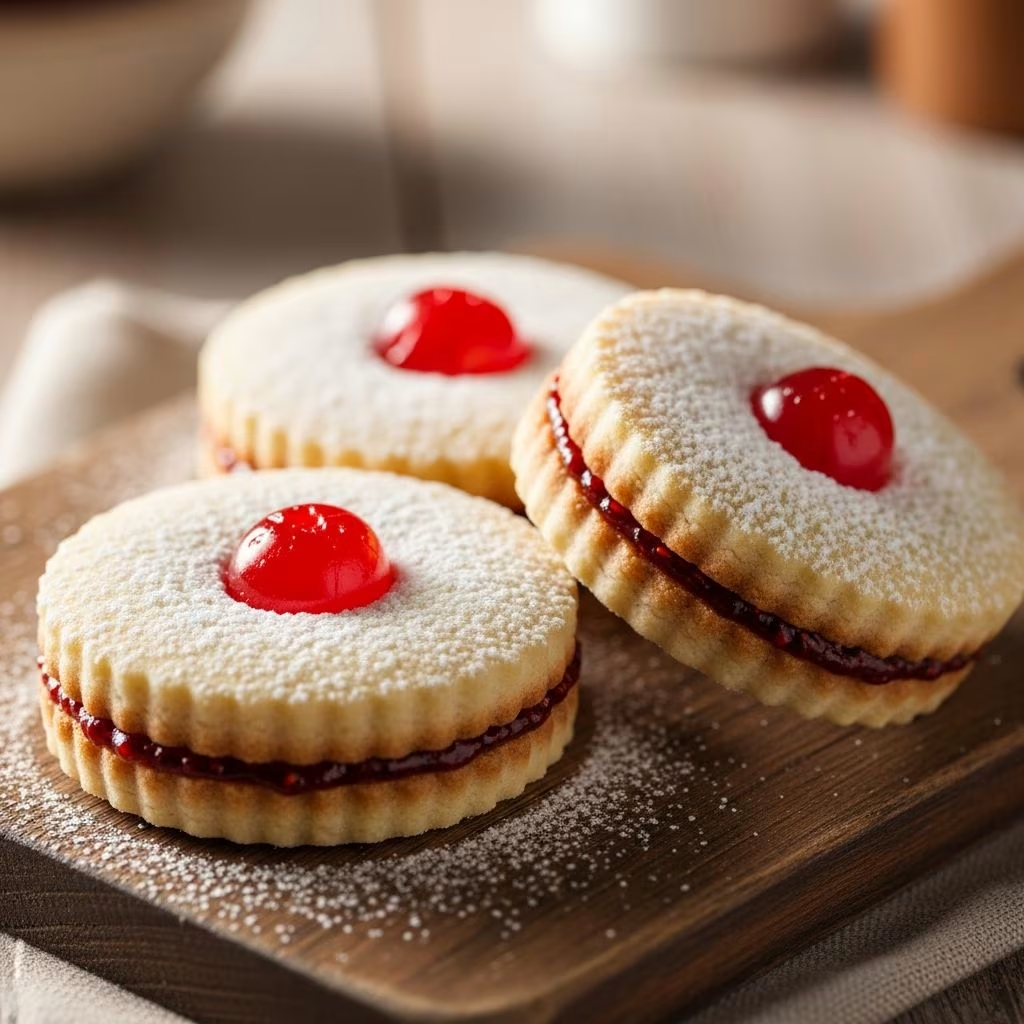
Empire Cookies represent one of Scotland’s most beloved contributions to the world of baking. These elegant, delicate treats have graced bakery shelves and family tables for generations, combining simplicity with sophistication. The hallmark of these cookies lies in their ingenious construction: two tender shortbread-like biscuits sandwich a layer of sweet raspberry jam, crowned with a glossy icing and a jewel-like candied cherry. Whether you’re preparing for holiday gatherings or simply craving a refined teatime treat, understanding the nuances of creating perfect Empire Cookies will elevate your baking repertoire.
The Heritage and Cultural Significance
Empire Cookies emerge from Scotland’s rich baking tradition, where they’ve earned their place as classic bakery staples. These biscuits are sometimes referred to as Imperial Cookies in certain regions, though the name remains consistent with their origins. The Scottish influence is unmistakable in their structure and flavoring profile—shortbread forms the foundation, a pastry style deeply embedded in Scottish culinary heritage. What makes Empire Cookies distinctive is their sandwich construction, a departure from traditional shortbread, allowing bakers to incorporate complementary flavors while maintaining the buttery integrity of the base.
The combination of buttery dough, tart raspberry jam, and sweet almond-inflected icing creates a sophisticated flavor balance that appeals to both traditional and contemporary palates. Their presentation—with the candied cherry sitting atop the glossy icing—makes them as visually striking as they are delicious, which explains their popularity during festive celebrations and special occasions.
Core Ingredients and Their Functions
Creating authentic Empire Cookies requires understanding how each ingredient contributes to the final product’s texture, flavor, and appearance.
The Shortbread Foundation
The base of Empire Cookies relies on a tender shortbread dough composed of flour, butter, sugar, and eggs. High-quality unsalted butter serves as the primary fat, creating the characteristic crumbly yet cohesive texture. The butter should be softened to room temperature, allowing it to incorporate air when beaten with sugar. This creaming process develops a light, fluffy mixture that ultimately produces tender biscuits rather than dense, heavy cookies.
Cake and pastry flour or all-purpose flour forms the dry base. The choice between these flours affects final texture—cake flour, with lower protein content, yields more delicate, tender biscuits, while all-purpose flour produces slightly sturdier cookies with a bit more structure. Baking powder, a leavening agent used in measured quantities, helps the cookies rise slightly during baking, creating their signature tender crumb.
Eggs contribute moisture and binding properties, helping the dough come together while adding richness. Some traditional recipes incorporate hard-boiled egg yolks along with raw yolks, a technique that adds complexity to the dough’s texture and extends shelf stability.
Jam and Icing Components
Raspberry jam forms the filling’s heart, providing tartness that balances the sweetness of the icing and cookies. Seedless varieties are often preferred for their smooth consistency and refined appearance, though traditional versions work equally well. The jam should be spreadable but not runny—consistency matters significantly for successful assembly.
The icing combines sifted icing sugar with almond extract and hot water, creating a glossy coating. The almond extract imparts a subtle flavor that complements both the shortbread and raspberry jam without overwhelming the palate. Some contemporary variations incorporate flavored glazes, such as gin-infused versions, expanding the cookies’ versatility.
Essential Equipment and Preparation
Successful Empire Cookie baking requires minimal but essential equipment. An electric mixer or stand mixer expedites the creaming process, ensuring proper incorporation of air into the butter and sugar mixture. A lightly floured work surface facilitates rolling the dough to the appropriate thickness. A 2-inch cookie cutter, preferably fluted for added visual appeal, shapes the individual biscuits. Parchment paper lines baking sheets, preventing sticking and ensuring even browning.
Proper temperature control is equally important. Most recipes call for an oven temperature between 325°F and 350°F (160°C to 175°C). This moderate temperature allows the biscuits to bake gently, developing a light golden color without browning too quickly or unevenly. An oven thermometer ensures accuracy, as many home ovens have temperature variations.
Step-by-Step Baking Process
Dough Preparation and Development
Begin by preheating your oven and preparing baking sheets with parchment paper. In a large mixing bowl, cream together softened butter and granulated sugar on medium to high speed for approximately 3-4 minutes until the mixture becomes light and fluffy. This step incorporates air, creating the tender texture characteristic of quality shortbread.
Add the egg and vanilla extract to the creamed mixture, beating until fully incorporated. In a separate bowl, whisk together the flour, baking powder, and salt to distribute the leavening agent evenly throughout the dry ingredients.
Gradually add the flour mixture to the butter mixture in 2-3 additions, mixing on low speed between additions. This gradual incorporation prevents overmixing, which can develop gluten and result in tough, dense biscuits rather than tender ones. Mix only until the dough comes together—avoid overworking.
Chilling and Rolling
If the dough appears soft or sticky, refrigerate it for approximately 20 minutes before rolling. Alternatively, shape the dough into a disc, wrap it in plastic wrap, and refrigerate for 1-2 hours until thoroughly chilled and firm. Chilled dough rolls more easily and produces cleaner, more uniform shapes.
Transfer the chilled dough to a lightly floured work surface and gently knead it for a few seconds to soften it slightly, making it more workable. Using a rolling pin, gently roll the dough to approximately 1/8-inch thickness for thinner, more delicate biscuits or 1/4-inch for sturdier versions. Cut out individual cookies using a 2-inch cookie cutter, leaving approximately 1/2-inch spacing between each biscuit on the prepared baking sheet.
Baking and Cooling
Bake at the appropriate temperature for 12-15 minutes until the biscuits achieve a light golden color around the edges. The centers should remain relatively pale, indicating a tender crumb. Overbaking results in hard, dry cookies, so monitor baking time carefully during the final few minutes.
Remove the baking sheet from the oven and allow the biscuits to cool on the sheet for a few minutes before transferring them to a wire rack to cool completely. Cooled biscuits are less fragile and easier to handle during assembly.
Assembly and Finishing Techniques
Creating the Sandwich
Once the biscuits have cooled completely, preparation for assembly begins. Spread or pipe approximately one teaspoon of jam onto the flat side (bottom) of half the biscuits. Keep the jam concentrated toward the center of each biscuit—when you press the top biscuit onto it, the jam will spread toward the edges, creating a uniform appearance without excessive overflow.
Gently press a plain, uniced biscuit onto each jam-topped biscuit, creating a sandwich cookie. Handle these delicate constructions carefully to avoid cracking the shortbread.
Creating and Applying the Icing
While the sandwiched cookies set slightly, prepare the icing. In a small bowl, combine sifted icing sugar with almond extract. Add hot water one tablespoon at a time, whisking between additions, until the icing reaches a spreadable consistency—thick enough to coat without running off the cookie, yet thin enough to apply smoothly.
Using a small spatula or knife, spread a layer of icing onto the top of each sandwiched cookie. A teaspoon or piping bag can distribute icing evenly across the cookie’s surface. Work efficiently, as the icing begins setting as it cools.
Garnishing with Candied Cherries
While the icing remains wet, place a candied cherry piece or half-cherry in the center of each cookie’s iced top. The icing will set around and slightly beneath the cherry, securing it in place. Allow the icing to set completely—typically 1-2 hours—before serving or storing the cookies.
Recipe Variations and Modern Interpretations
While traditional Empire Cookies maintain their classic character, bakers have developed creative variations that respect the original while introducing contemporary flavors and techniques.
Flavor Enhancements
Some innovative recipes incorporate flavored glazes that complement alternative jam selections. A gin-infused glaze, for instance, pairs beautifully with cherry or berry jams, adding sophistication to the traditional formula. Lemon zest in the dough provides bright acidity that balances the sweetness, while different extract options—such as rose or orange—can replace the traditional almond.
Texture Variations
Bakers may experiment with different flour types or ratios to adjust texture. Using entirely cake flour produces exceptionally delicate biscuits, while incorporating a small percentage of cornstarch further enhances tenderness. Some recipes use icing sugar in the dough itself, creating an even more refined, melt-in-your-mouth quality.
Storage and Shelf Life
Properly stored Empire Cookies maintain their quality for extended periods. Once the icing has set completely, layer the cookies between parchment paper in an airtight container at room temperature. They will remain fresh for 5-7 days in these conditions. For longer storage, freeze the assembled, iced cookies in a freezer-safe container for up to one month. Thaw at room temperature before serving.
Unassembled biscuits can be baked and stored separately before assembly, providing flexibility in timing. Store cooled, undecorated biscuits in an airtight container for up to two weeks, or freeze for up to three months.
Troubleshooting Common Challenges
| Issue | Potential Cause | Solution |
|---|---|---|
| Tough, dense biscuits | Overmixing dough or too much flour | Mix only until combined; measure flour accurately and avoid packing when measuring |
| Crumbly dough that won’t hold together | Insufficient moisture or inadequate butter | Ensure butter is fully softened; add small amounts of liquid if needed |
| Biscuits spread excessively during baking | Dough too warm or oven temperature too high | Refrigerate dough longer; verify oven temperature with a thermometer |
| Icing too thick or doesn’t spread smoothly | Insufficient water or icing sugar too coarse | Sift icing sugar; add water gradually until reaching correct consistency |
| Cherry garnish slides off | Icing too thin or cherry placed before icing sets slightly | Make icing thicker; allow icing to set for a minute or two before garnishing |
Serving Suggestions and Occasions
Empire Cookies shine in multiple settings. Arrange them on tiered cake stands for elegant afternoon tea services, pair them with hot beverages for cozy winter gatherings, or present them as part of festive holiday assortments. Their refined appearance and delicate texture make them appropriate for special occasions while remaining accessible enough for everyday enjoyment.
These cookies also make exceptional gifts. Arrange them in decorative boxes with tissue paper, or package them in cellophane bags tied with ribbon. Their professional appearance suggests homemade care and attention, making them particularly appreciated as gifts for colleagues, neighbors, or friends.
Nutritional Considerations
Empire Cookies are indulgent treats meant for occasional enjoyment rather than daily consumption. Each cookie contains butter, sugar, and jam, contributing calories and carbohydrates. However, their relatively modest size means a single cookie provides satisfying sweetness and texture without excessive portions. Pair them with tea or coffee to slow consumption and enhance the tasting experience.
Conclusion
Empire Cookies represent the intersection of tradition and refinement, delivering restaurant-quality results from a home kitchen. Their construction requires attention to detail and respect for each component’s role in creating the finished product. Whether preparing them for holiday celebrations, special gatherings, or personal enjoyment, mastering Empire Cookies opens doors to exploring related Scottish baking traditions and understanding fundamental pastry techniques. The satisfaction of creating these elegant treats—from mixing the first batch of dough through garnishing the final cookie with its candied cherry—justifies the modest time investment and transforms afternoon baking into a genuinely rewarding culinary experience.
References
- Empire Cookies (My Favourite Christmas Cookies) — Baking for Friends. Accessed April 2026. https://bakingforfriends.com/empire-cookies/
- Imperial Cookies (AKA: Empire Cookies) — Claudia’s Cookbook. August 26, 2012. https://claudiascookbook.com/2012/08/26/imperial-cookies/
- Empire Cookies — Anna Olson. Accessed April 2026. https://annaolson.ca/project/empire-cookies/
- Empire Biscuits (Classic Scottish Iced Cookies with Raspberry Jam) — Christina’s Cucina. Accessed April 2026. https://www.christinascucina.com/empire-biscuits-classic-scottish-iced-cookies-with-raspberry-jam/
- Christmas Cookies Week – Today’s feature recipe Empire Cookies — Red Cottage Chronicles. Accessed April 2026. https://www.redcottagechronicles.com/recipe/christmas-cookies-empire-cookies/
- Empire Cookies with Gin Glaze — Taste Canada. Accessed April 2026. https://tastecanada.org/empire-cookies-with-gin-glaze/