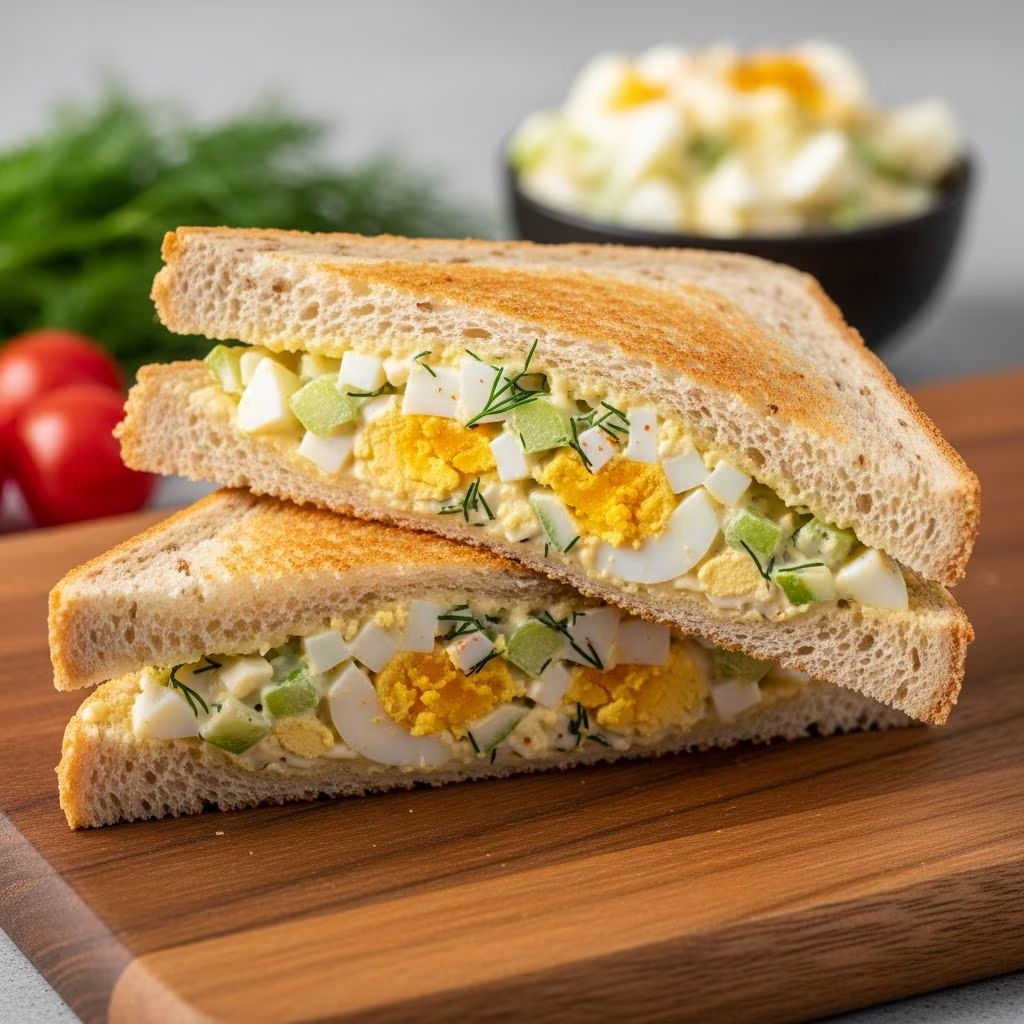
The egg salad sandwich represents one of the most straightforward yet satisfying lunch options available to home cooks. This classic combination of creamy, protein-rich filling nestled between slices of bread has remained a dietary staple for generations, offering both nutritional value and culinary simplicity. Whether you’re preparing meals for the week ahead or seeking a quick lunch solution, mastering the fundamentals of this timeless dish opens doors to countless variations and flavor profiles.
Understanding the Foundation of Egg Salad Excellence
Creating an exceptional egg salad sandwich begins with understanding the essential role each ingredient plays in the final product. The foundation rests upon three core components that work in harmony to produce the characteristic creamy texture and balanced flavor profile that makes this sandwich so beloved.
Hard-boiled eggs serve as the primary structural element, providing protein, richness, and the distinctive egg flavor that defines the dish. The yolks contribute fat and creaminess, while the whites offer texture and substance. The ratio of yolks to whites affects the overall consistency, with a higher proportion of yolks resulting in a richer, more luxurious final product.
Mayonnaise functions as the binding agent, creating the smooth, cohesive texture that makes the filling spreadable and satisfying. The emulsified oil in mayonnaise coats each piece of egg, creating a unified whole that’s neither too dry nor excessively wet. Quality matters significantly here, as using a reliable, familiar brand ensures consistent flavor without unexpected or overpowering tastes.
Mustard introduces necessary sharpness and tang, cutting through the richness of the eggs and mayonnaise while adding depth to the flavor profile. This acidity prevents the sandwich from becoming cloying, providing balance that enhances the eating experience.
Selecting and Preparing Your Eggs
The quality of your finished egg salad depends significantly on how you prepare the eggs themselves. Beginning with proper hard-boiling technique ensures consistent results and easier peeling.
Boiling Process and Timing
Place eggs in a pot with cold water and bring to a rolling boil over medium-high heat. Once the water reaches a vigorous boil, remove the pot from heat, cover with a lid, and let the eggs sit undisturbed for approximately 11 minutes. This method produces fully cooked eggs with creamy yolks that haven’t developed the unwanted gray-green ring that indicates over-cooking.
After the resting period, transfer eggs to an ice bath to stop the cooking process immediately. The cold water causes the eggs to contract slightly within their shells, making peeling considerably easier. Allow them to cool completely before handling.
Peeling and Preparation Techniques
Gently crack the egg shell by rolling it on a hard surface, then roll it under your hands to loosen the shell further. Start peeling from the wider end where the air pocket creates a natural separation point. Holding the egg under cool running water helps prevent the membrane from sticking to the white, making the process smoother and reducing waste.
Once peeled, you have several options for cutting your eggs. For maximum creaminess, separate the yolks from the whites and mash the yolks first with your binding ingredients. Finely chopping the whites separately before folding them in creates a luxurious, uniform texture. Alternatively, chop all eggs uniformly if you prefer a more textured final product, or grate them with a box grater for an exceptionally fine consistency.
Building Layers of Flavor
While the basic egg salad recipe calls for only a handful of ingredients, strategic additions can elevate your sandwich from simple to spectacular.
Essential Flavor Components
- Acid and brightness: Fresh lemon juice adds citrus notes and visual appeal that mayonnaise alone cannot provide
- Aromatic depth: Fresh herbs like dill, chives, or tarragon introduce sophisticated flavor dimensions
- Textural contrast: Finely diced celery or red onion provides crunch and mild sweetness that offsets richness
- Seasoning precision: Sea salt and freshly ground black pepper should be added to taste rather than by precise measurement, allowing personalization
Optional Enhancements
Pickle juice or vinegar adds tangy complexity and can replace or complement fresh lemon juice. Garlic powder and paprika contribute warmth and subtle spiciness. Dill pickle relish introduces briny sweetness that appeals to those seeking bolder flavors. Green onions provide mild onion flavor with fresh appeal. These additions should be incorporated thoughtfully, tasting as you go to maintain balance.
The Assembly Process
Proper assembly technique ensures your sandwich holds together while remaining pleasantly structured.
Step-by-Step Assembly Instructions
- Prepare your binding base by whisking together mayonnaise, mustard, lemon juice if using, salt, and pepper in a medium bowl
- Add chopped onions, herbs, and vegetables to the dressing, allowing them to begin marinating in the flavorful base
- Process your hard-boiled eggs according to your preferred texture, whether finely chopped, mashed, or grated
- Fold eggs gently into the mixture, combining thoroughly without crushing or over-mixing
- Taste and adjust seasonings as needed, recognizing that flavors will develop further during refrigeration
- Chill the mixture for at least 20 minutes to allow flavors to meld
- Spread prepared filling generously between two slices of bread, adding optional lettuce or tomato if desired
Selecting the Perfect Bread
Your choice of bread significantly impacts the sandwich experience. Traditional sandwich bread provides a neutral canvas that doesn’t compete with the filling. Whole wheat bread offers nutritional benefits and earthier flavor. Sourdough introduces subtle tang. Toasted bread provides structural integrity that prevents sogginess while adding textural interest. Croissants or brioche create indulgent variations for special occasions. Consider the filling’s richness when selecting bread—delicate fillings pair well with hearty breads, while robust mixtures complement lighter options.
Storage and Make-Ahead Strategies
One significant advantage of egg salad is its excellent storage capability, making it ideal for meal preparation and busy schedules.
Storage Guidelines
Prepared egg salad keeps fresh in a covered container in the refrigerator for four to five days, depending on the freshness of your original eggs. Store the filling separately from bread until assembling sandwiches to prevent sogginess. When assembling in advance, place lettuce or tomato between the filling and bread as a moisture barrier.
Make-Ahead Best Practices
Prepare the egg salad filling up to five days in advance, storing it covered in the refrigerator. Toast bread just before assembly to maintain structural integrity. Keep assembled sandwiches wrapped tightly and consume within 24 hours for optimal freshness. Consider preparing components separately—boiled eggs, mustard mixture, and fresh ingredients—allowing quick assembly on busy mornings.
Serving Suggestions and Variations
While sandwiches represent the most traditional presentation, egg salad’s versatility extends to numerous serving options. Serve it over fresh greens as a substantial salad, nestle it in croissants for elegant presentations, fill lettuce wraps for low-carbohydrate alternatives, or serve it in small portions as an appetizer at gatherings. These variations demonstrate that egg salad transcends the sandwich format while maintaining its essential appeal.
Nutritional Considerations
Egg salad sandwiches provide substantial protein content, supporting satiety and sustained energy throughout the day. Eggs contain choline, supporting cognitive function, and lutein and zeaxanthin for eye health. The mayonnaise contributes fat-soluble vitamins and omega-3 fatty acids when prepared from quality ingredients. Adding fresh vegetables increases fiber and micronutrient content. This combination creates a nutritionally balanced meal suitable for various dietary goals and preferences.
Troubleshooting Common Challenges
If your egg salad appears too dry, add additional mayonnaise one tablespoon at a time until reaching desired creaminess. If it’s too wet, incorporate finely chopped vegetables like celery to absorb excess moisture while adding texture. Should the flavor seem bland, add acid in the form of fresh lemon juice or vinegar rather than additional salt. If the mixture appears too chunky, mash the yolks more thoroughly before folding in the whites.
Regional and Cultural Variations
Different culinary traditions have developed distinct approaches to egg salad preparation. Some regions favor sweeter preparations with added relish or pickle juice. Others incorporate curry powder or cumin for international flair. European variations might include capers or anchovies. These adaptations demonstrate how a simple recipe can transform through cultural influences and personal preference, allowing home cooks to create versions that reflect their tastes and backgrounds.
Frequently Asked Questions
How many sandwiches does a typical recipe yield?
A standard recipe using six large eggs typically yields approximately four generous sandwiches. Adjust quantities based on desired portion sizes and appetites.
Can egg salad be frozen?
Freezing is not recommended as mayonnaise-based preparations separate and deteriorate when thawed. Refrigeration provides the best preservation method for maintaining quality.
What substitutes work for mayonnaise?
Greek yogurt offers a protein-rich alternative with tangier flavor and reduced fat content. Aioli provides garlic-infused richness. Cottage cheese creates a lighter texture. Each substitute produces slightly different results, so experimentation helps identify personal preferences.
Can I make this recipe egg-free?
While tofu or chickpea-based salads offer similar textural elements, they lack the specific flavor profile and nutritional properties that define traditional egg salad.
Conclusion: Mastering a Timeless Classic
The egg salad sandwich endures because it combines simplicity with genuine satisfaction. By understanding foundational techniques and ingredient interactions, you transform a basic recipe into a dish worthy of regular rotation in your culinary repertoire. Whether you adhere to traditional preparations or venture into creative variations, the principles remain consistent: quality ingredients, proper technique, and balanced flavors create sandwiches that nourish body and spirit. Embrace this classic with confidence, knowing that each preparation builds culinary knowledge applicable to countless other dishes.
References
- Egg Salad Sandwich — Tastes Better From Scratch. 2024. https://tastesbetterfromscratch.com/egg-salad-sandwich/
- Best Egg Salad Recipe — Love and Lemons. 2024. https://www.loveandlemons.com/egg-salad/
- The Best Egg Salad Sandwich — The Modern Proper. 2024. https://themodernproper.com/the-best-egg-salad-sandwich
- The Best Egg Salad Recipe — Spend With Pennies. 2024. https://www.spendwithpennies.com/best-egg-salad-recipe/
- Classic Egg Salad Recipe — The Gracious Wife. 2024. https://www.thegraciouswife.com/classic-egg-salad-recipe/