Egg fried rice stands as one of the most versatile and approachable dishes in Asian cuisine, offering home cooks a practical way to transform basic pantry staples into a satisfying meal. Whether you’re looking to use up leftover rice or seeking a quick weeknight dinner solution, understanding the fundamentals of this beloved dish will elevate your cooking skills and impress family members and guests alike. This comprehensive guide explores everything from ingredient selection to advanced techniques that separate mediocre fried rice from restaurant-quality results.
Understanding the Foundation: Why Cold Rice Matters
The most critical component of successful egg fried rice begins not with cooking, but with preparation. Cold, cooked rice serves as the foundation upon which all other elements build. Many home cooks overlook this crucial step, attempting to fry warm or freshly cooked rice, which results in a mushy, clumpy dish rather than the desired separated, crispy texture.
When rice cools, the starches undergo a transformation that fundamentally changes how they respond to high-heat cooking. Cold rice grains maintain their structural integrity during the frying process, allowing them to absorb flavorings while developing those desirable crispy edges. The ideal preparation involves cooking rice ahead of time—preferably several hours prior or even the day before—and storing it in the refrigerator.
Before beginning your stir-frying process, remove the cold rice from the refrigerator and use chopsticks or a fork to loosen the grains thoroughly. This preliminary step prevents large clumps from forming during cooking and ensures even heat distribution throughout the dish.
Essential Ingredients and Flavor Components
Creating authentic egg fried rice requires understanding how each ingredient contributes to the final flavor profile. Unlike more complex Asian dishes that demand lengthy ingredient lists and intricate sauces, traditional egg fried rice celebrates simplicity and allows individual components to shine.
Primary Ingredients
- Rice: White, jasmine, or brown rice works exceptionally well. Approximately 3 to 4 cups of cooked rice provides the ideal base for a four-serving dish.
- Eggs: Two to three large eggs contribute protein, richness, and binding qualities. Lightly beating eggs before cooking ensures they distribute evenly throughout the dish.
- Cooking Oil: Neutral oils such as canola, vegetable, or peanut oil withstand high temperatures without breaking down or imparting unwanted flavors. Olive oil, despite its culinary merits, remains unsuitable for fried rice preparation.
- Aromatics: Garlic and scallions provide foundational flavor and freshness. Mincing garlic finely and chopping scallions into thin rounds ensures consistent flavor distribution.
Seasoning and Enhancement
The seasoning strategy distinguishes excellent fried rice from merely adequate versions. Light soy sauce delivers umami depth, while sesame oil contributes aromatic complexity. Salt and white pepper provide foundational seasoning layers. This minimalist approach allows the individual ingredients to maintain their distinct character rather than becoming overwhelmed by heavy sauces.
Optional additions like five-spice powder, ginger, or a touch of white pepper add dimensions without complicating the recipe. The key principle involves restraint—building layers of flavor through proper technique rather than ingredient accumulation.
Vegetable Integration and Protein Considerations
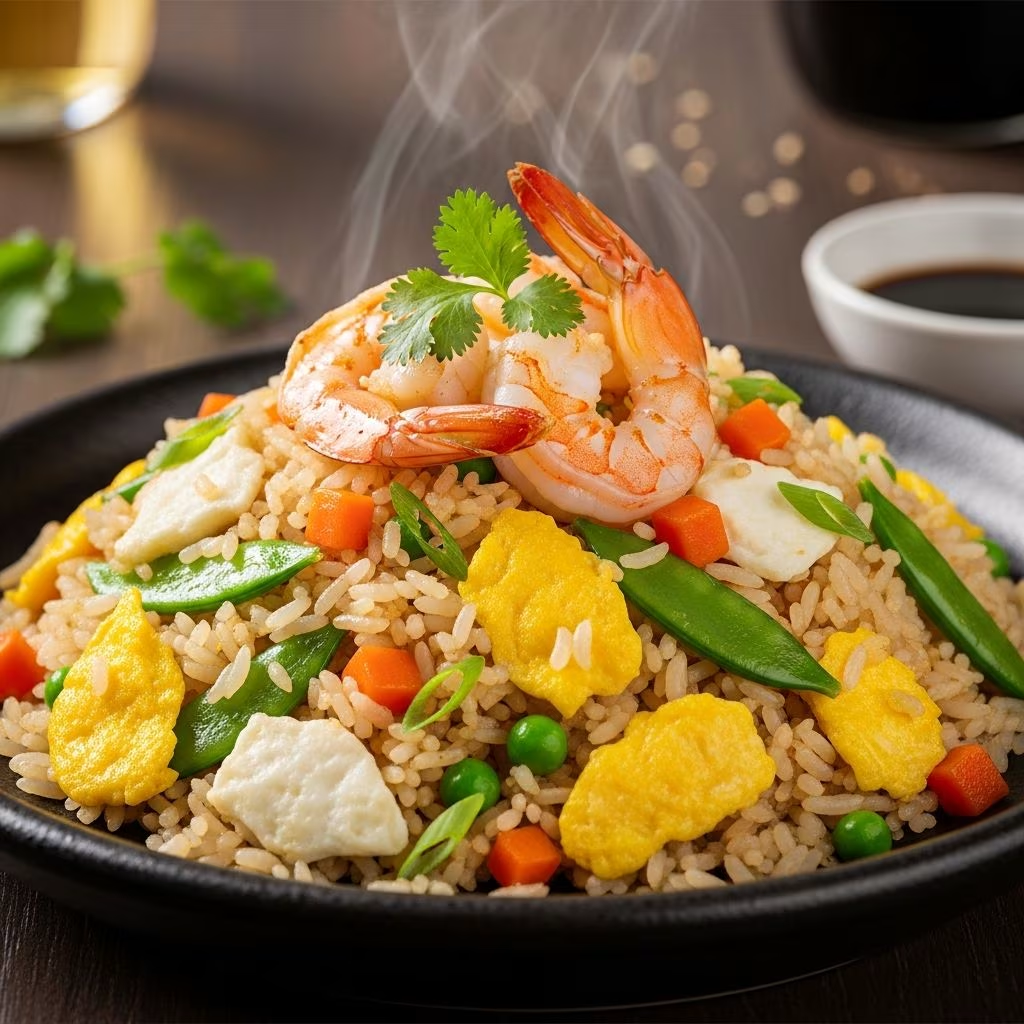
While traditional egg fried rice centers on eggs as the primary protein, incorporating vegetables adds nutritional value, textural interest, and visual appeal. The most commonly used vegetables include carrots, peas, and onions, though personal preferences and seasonal availability should guide your selections.
For maximum flavor and texture, chop vegetables into small, uniform pieces. Frozen vegetables offer convenience and consistent quality, while fresh vegetables provide enhanced flavor intensity. The cooking sequence matters significantly—hardy vegetables like carrots require slightly longer cooking times than delicate options like peas.
Additional protein sources such as edamame, which can be found pre-shelled in frozen sections, integrate seamlessly into fried rice preparations. These options transform fried rice from a side dish into a complete meal capable of satisfying as a main course.
Step-by-Step Preparation Techniques
Phase One: Egg Preparation
Begin by beating eggs in a small bowl until whites and yolks combine completely. This uniform mixture ensures even cooking and consistent texture throughout the finished dish. Heat approximately one tablespoon of neutral oil in a wok or large skillet over medium-high heat. Once the pan reaches proper temperature, pour in the beaten eggs.
As the eggs begin setting at the bottom, stir gently to allow uncooked portions to flow toward heat. Using a spatula, scramble quickly into small pieces rather than allowing them to form into larger omelet-like curds. Once fully cooked but still tender, transfer the eggs to a clean dish and set aside. This preliminary cooking prevents the eggs from becoming overcooked during the final combining step.
Phase Two: Aromatic Foundation
Return the wok to high heat and add the remaining cooking oil. Allow it to heat until it shimmers across the surface. Add minced garlic and cook briefly until fragrant—approximately 30 seconds—taking care not to burn it. Timing proves critical here, as burned garlic imparts bitter, unpleasant flavors that compromise the entire dish.
Phase Three: Vegetable Sauté
Add your chosen vegetables to the fragrant oil. If using a combination of frozen and fresh vegetables, introduce frozen ones first, as they require slightly longer cooking time. Stir constantly for approximately two minutes, ensuring even cooking and heat distribution. The vegetables should remain slightly firm rather than becoming soft or mushy.
Phase Four: Rice Integration
Add the loosened cold rice to the wok or skillet. Using a spatula or wooden spoon, stir and toss continuously. This constant motion prevents the rice from sticking to the pan while ensuring heat distributes evenly throughout. Continue cooking until the rice becomes piping hot. If clumps persist, use the back of your spatula to break them apart gently.
Phase Five: Final Assembly
Pour in the soy sauce, sesame oil, and any additional seasonings. Stir thoroughly to distribute these flavorings evenly. Add the pre-cooked scrambled eggs and mix gently but completely. Garnish with reserved scallion tops and serve immediately while the dish retains optimal heat and texture.
Equipment Selection and Cooking Surfaces
While a traditional wok represents the ideal cooking vessel, a large skillet or griddle performs admirably, particularly for home cooking. The primary requirement involves adequate surface area and the ability to maintain high heat throughout the cooking process.
Non-stick cookware requires special consideration. While convenient for cleanup, non-stick surfaces can limit your ability to achieve the crispy, lightly charred rice texture that distinguishes exceptional fried rice. If using non-stick cookware, reduce heat slightly to prevent damage to the coating while understanding that results may differ slightly from traditional methods.
Timing and Temperature Management
Proper heat management separates successful fried rice from disappointing attempts. High heat throughout the cooking process—except during initial egg preparation—enables the desired crispy texture development. However, excessive heat can cause ingredients to burn before fully cooking. Finding this balance requires attention and practice.
The entire process typically requires 15 to 20 minutes from start to finish, making fried rice an excellent option for busy weeknights. This quick preparation time, combined with the ability to use leftover rice and vegetables, makes fried rice an efficient approach to meal preparation.
Customization and Flavor Variations
One of egg fried rice’s greatest strengths lies in its adaptability. Once you master the basic technique, numerous variations become possible:
- Spiced Variations: Adding five-spice powder or fresh ginger introduces complexity without requiring additional cooking steps.
- Protein Modifications: Incorporating chicken, shrimp, fish, or additional edamame transforms the nutritional profile and flavor intensity.
- Vegetable Experimentation: Bell peppers, broccoli, mushrooms, or any stir-fry compatible vegetables integrate seamlessly into the basic preparation.
- Heat Adjustment: White pepper provides subtle heat, while fresh chilies or chili sauce deliver more pronounced spice levels.
- Sauce Enhancement: For those preferring richer flavors, creating a simple sauce by combining soy sauce, sesame oil, and a touch of rice vinegar elevates the basic recipe.
Common Mistakes and How to Avoid Them
Understanding potential pitfalls helps ensure consistent success. Using warm or freshly cooked rice remains the most frequent error, resulting in mushy, clumped texture. Always begin with properly chilled rice that has been loosened beforehand.
Overcrowding the cooking vessel prevents proper heat distribution and creates steaming rather than frying conditions. Working in batches or using appropriately sized equipment prevents this issue. Additionally, failing to maintain high heat throughout the cooking process compromises texture development and flavor concentration.
Over-seasoning represents another common mistake. Begin with conservative amounts of soy sauce and sesame oil, adjusting after tasting the finished dish. This approach prevents over-salting, which cannot be reversed.
Nutritional Considerations and Serving Suggestions
Egg fried rice provides a balanced combination of carbohydrates from rice, protein from eggs, and various micronutrients from vegetables. The addition of protein-rich ingredients like edamame or additional vegetable components increases nutritional density. One serving typically contains approximately 300-400 calories, depending on oil quantity and ingredient additions.
This versatile dish serves effectively as a complete meal or as an accompaniment to other Asian dishes. Leftover egg fried rice stores well in the refrigerator for up to three days, making it excellent for meal preparation strategies.
Frequently Asked Questions
Can I use brown rice instead of white rice?
Yes, brown rice works well in fried rice preparations. Follow the same cold-storage and loosening process before cooking. Brown rice may require slightly longer cooking times than white rice.
What if I don’t have a wok?
A large skillet, griddle, or even a large sauté pan performs admirably. The essential requirement is adequate surface area and sufficient heat capacity for proper cooking.
Can fried rice be made in advance?
Yes, fried rice actually stores better than many other cooked dishes. Refrigerate in an airtight container for up to three days. Reheat gently in a wok or skillet with a small amount of additional oil.
How can I make it spicier?
Add white pepper, fresh minced chili, or chili sauce during the seasoning phase. Start with conservative amounts and adjust to personal heat preferences.
Is olive oil suitable for fried rice?
Olive oil is not recommended due to its lower smoke point and distinctive flavor that can overpower the subtle balance of traditional fried rice.
References
- Egg Fried Rice (蛋炒饭), A Traditional Recipe — Red House Spice. https://redhousespice.com/egg-fried-rice/
- The Easiest Egg Fried Rice (20 Minutes) — Healthy Nibbles by Lisa Lin. https://healthynibblesandbits.com/easiest-egg-fried-rice/
- Easy Egg Fried Rice — WellPlated.com. https://www.wellplated.com/homemade-fried-rice/
- Easy Fried Rice with Egg — Cooking for Keeps. https://www.cookingforkeeps.com/easy-fried-rice-with-egg/
- Favorite Fried Rice — Gimme Some Oven. https://www.gimmesomeoven.com/fried-rice-recipe/
- Easy Fried Rice Recipe — Love and Lemons. https://www.loveandlemons.com/fried-rice-recipe/
- Egg-fried rice recipes — BBC Good Food. https://www.bbcgoodfood.com/recipes/collection/egg-fried-rice-recipes