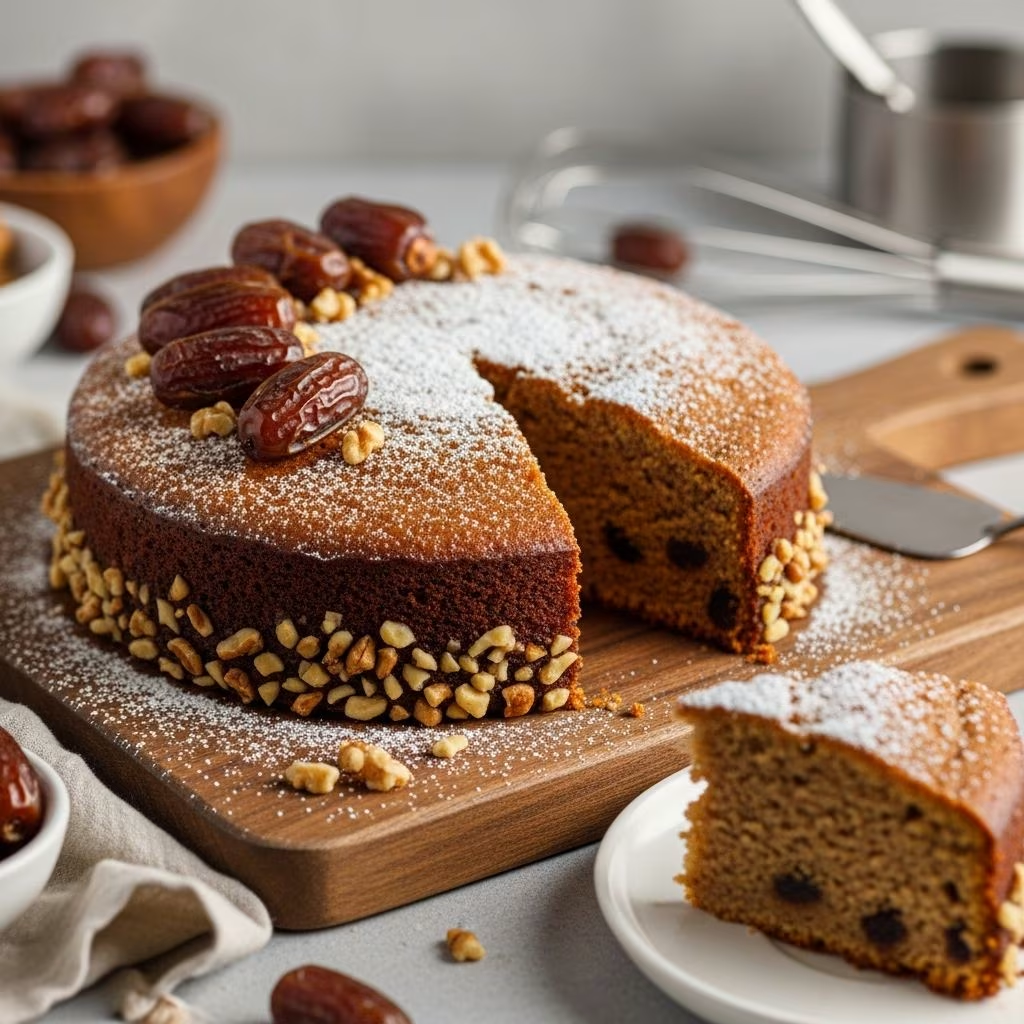
Baking a delicious cake without eggs presents a unique opportunity to explore alternative ingredients and natural sweetening methods. Date-based cakes have become increasingly popular among home bakers seeking nutritious dessert options that don’t rely on conventional binding agents. This approach to cake-making opens doors to creating moist, tender crumbs while incorporating the natural sugars and nutritional benefits that dates provide.
Understanding the Fundamentals of Egg-Free Baking
Creating a successful cake without eggs requires understanding how these ingredients traditionally function in baking. Eggs typically serve multiple purposes: they bind dry ingredients together, add moisture, create structure through protein coagulation, and contribute to the cake’s rise through leavening action. When building an egg-free cake, bakers must replace these functions using alternative methods and ingredients.
Dates serve as an exceptional natural replacement for eggs in many cake recipes. When soaked and pureed, dates transform into a smooth paste that acts as both a binding agent and moisture provider. This natural sweetener also contributes subtle flavor notes and creates a dense, fudgy texture that characterizes quality date cakes.
Essential Ingredients and Their Roles
Flour Selection and Composition
The foundation of any successful cake begins with flour selection. Most egg-free date cakes perform well with all-purpose flour, though whole wheat flour offers nutritional enhancement and a richer flavor profile. Many experienced bakers recommend combining both varieties in equal proportions, as this balance prevents excessive density while maintaining nutritional value. The ratio typically works best at fifty percent all-purpose flour and fifty percent whole wheat flour.
When using exclusively whole wheat flour, expect a denser final product. Some bakers compensate by adjusting liquid ratios or incorporating additional leavening agents. The protein content in flour affects gluten development, which plays a crucial role in structure and crumb quality in egg-free applications.
Date Preparation and Processing
The quality and preparation method for dates significantly influence cake outcomes. Most recipes call for pitted dates, preferably varieties like Medjool or Deglet Noor. The preparation process begins by soaking dates in hot liquid—typically milk or water—for approximately thirty minutes to four hours, depending on the recipe and date variety.
After soaking, dates should be processed into a fine, smooth puree. This puree becomes the primary binding component and moisture source. Some bakers prefer longer soaking periods overnight, allowing the dates to fully absorb moisture and become exceptionally soft for blending.
Liquid Components and Fat Content
Liquid ingredients determine the cake’s moisture level and final texture. Milk serves as the primary liquid, though plant-based alternatives work equally well for vegan applications. The liquid quantity varies between recipes but typically ranges from three-quarters to one and one-quarter cups.
Oil functions as the fat component, with olive oil or neutral oils like coconut oil being common choices. Oil creates a tender crumb and contributes to moisture retention. The typical oil quantity falls between one-third to one-half cup, though some recipes incorporate yogurt or curd as additional moisture providers, which also add subtle tangy notes.
Leavening Agents and Rising
Baking soda and baking powder work together to create lift in egg-free cakes. These chemical leaveners produce carbon dioxide bubbles that expand during baking, creating the cake’s internal structure. Standard egg-free date cakes typically use one teaspoon baking soda combined with one-half teaspoon baking powder.
The reaction between acidic components in dates and baking soda helps activate leavening. Proper measurement is critical—too much leavening produces a bitter taste and coarse texture, while insufficient leavening results in dense, compact cakes.
Flavor Enhancement Options
Spice Integration
Cinnamon, nutmeg, and other warm spices complement dates beautifully. A single teaspoon of cinnamon adds warmth without overpowering. These spices enhance the natural flavors of dates and create more complex taste profiles that appeal to varied palates.
Citrus and Vanilla Notes
Orange zest and fresh orange juice introduce brightness and acidity that balances date sweetness. Vanilla extract provides foundational flavor depth, typically used at one teaspoon per loaf. Some advanced recipes incorporate both elements, creating sophisticated flavor combinations.
Textural Additions
Walnuts contribute crunch, richness, and nutritional value. Approximately one-third to one-half cup of chopped walnuts work well in most recipes. These can be folded into the batter or scattered on top before baking for visual appeal and textural contrast.
Step-by-Step Baking Process
Preparation Phase
Begin by preparing your baking vessel. An eight-by-four-inch loaf tin or equivalent works well for standard recipes. Line the pan with parchment paper and lightly brush with oil to ensure easy removal after baking. Preheating the oven to 180 degrees Celsius (approximately 356 degrees Fahrenheit) allows proper heat distribution throughout the baking process.
Date Processing
Combine your measured dates with the specified liquid amount in a mixing bowl. Allow adequate soaking time based on your recipe—thirty minutes represents the minimum, though longer soaking produces softer dates easier to process. Blend the date-liquid mixture until achieving a completely smooth consistency, ensuring no fibrous particles remain.
Dry Ingredient Combination
In a separate bowl, whisk together all dry ingredients: flour, baking soda, baking powder, and any spices. This whisking aerates the flour and ensures even distribution of leavening agents throughout the mixture. Setting this aside prevents lumps when combining with wet ingredients.
Wet Ingredient Assembly
In a large mixing bowl, combine your processed date puree with milk, oil, sugar (if using), and vanilla extract. Whisk these components thoroughly until achieving a homogeneous mixture. This ensures even flavor distribution and prevents separation.
Combination and Folding
This step requires particular attention to technique. Rather than vigorous mixing, use gentle folding motions to combine dry ingredients with wet ingredients. Overmixing develops gluten excessively, resulting in tough, dense cakes. Fold until barely combined—slight streaks of flour are preferable to overworked batter. If incorporating walnuts, fold them in during the final moments.
Baking and Doneness Determination
Transfer batter to the prepared pan and smooth the top surface. Distribute additional walnuts on top if desired. Bake at the specified temperature for thirty-five to fifty minutes depending on your specific recipe. The baking duration varies based on pan size, oven characteristics, and ingredient ratios.
The most reliable doneness indicator involves inserting a skewer or toothpick into the cake’s center. If it emerges clean or with only a few crumbs clinging to it, the cake has achieved proper doneness. Allow the cake to cool in the pan for three to five minutes before turning it onto a wire rack for complete cooling.
Nutritional Advantages of Date-Based Baking
Date cakes offer distinct nutritional benefits compared to traditional sugar-sweetened varieties. Dates naturally contain dietary fiber, potassium, and various minerals including magnesium and copper. The natural fructose in dates provides sweetness without refined sugar, making these cakes suitable for health-conscious bakers.
Eliminating eggs reduces cholesterol content while removing potential allergens. For individuals with egg sensitivities or ethical dietary preferences, date cakes provide satisfying alternatives without compromise in flavor or texture quality.
Common Variations and Customizations
| Variation Type | Ingredient Substitution | Expected Result |
|---|---|---|
| Sugar-Free | Eliminate added sugar; rely entirely on date sweetness | Naturally sweet, less refined sweetness |
| Vegan Enhancement | Replace milk with plant-based alternatives; use vegan oil | Completely plant-based without texture changes |
| Whole Grain | Increase whole wheat flour to 100 percent | Denser texture, increased nutritional value |
| Flavor Variation | Add cinnamon, nutmeg, or orange zest | Enhanced flavor complexity |
| Nut Alternative | Substitute walnuts with pecans or almonds | Similar texture with different flavor notes |
Troubleshooting Common Baking Challenges
Dense or Compact Cake
Excessive mixing represents the primary cause of dense cakes. Additionally, insufficient leavening or incorrect measurements contribute to this problem. Ensure precise measuring techniques and gentle folding motions throughout preparation. Verify that baking soda and baking powder remain fresh and active.
Dry Texture Development
Overbaking causes moisture loss. Begin checking for doneness at the minimum recommended time. Ensure adequate liquid in your batter—dates vary in moisture content, so adjustment may be necessary. Storing cake in airtight containers helps retain moisture after baking.
Incomplete Rising
Insufficient leavening agents or incorrect oven temperature prevents proper rise. Verify oven temperature with an independent thermometer. Confirm that baking soda and baking powder are fresh and haven’t expired. Ensure proper folding technique that incorporates leavening without deflating the mixture.
Unpleasant Bitter Taste
Excessive baking soda creates bitter notes. Adhere precisely to recipe measurements. Overbaking also produces bitter flavors, so remove cakes promptly when the skewer test indicates doneness.
Storage and Shelf Life Considerations
Properly stored eggless date cakes maintain quality for three to four days at room temperature in airtight containers. The natural moisture from dates contributes to extended freshness compared to conventional cakes. Refrigeration extends shelf life to approximately one week, while freezing preserves cakes for up to three months.
Wrapped individually in plastic wrap before container storage provides additional protection against moisture loss. The dense nature of date cakes actually improves after one day as flavors meld and the crumb continues absorbing moisture.
Frequently Asked Questions
Can I substitute the dates with other sweeteners?
While dates provide optimal binding and moisture properties, you might explore applesauce or banana puree as alternatives. However, these substitutions affect flavor profiles and moisture balance, potentially requiring recipe adjustments. Dates remain the superior choice for achieving the characteristic texture and taste of traditional date cakes.
What if I cannot find fresh pitted dates?
Whole dates work equally well—simply remove the pit before soaking. If unavailable, Medjool dates or Deglet Noor varieties offer excellent results. Some specialty stores carry date paste, which can replace homemade puree in equivalent quantities.
Is there a quick method to soak dates?
Using hot or boiling liquid dramatically reduces soaking time to fifteen to twenty minutes compared to thirty minutes with room-temperature liquid. This method works perfectly when time constraints exist, producing identical results to extended soaking.
Can the recipe be converted to cupcakes?
Yes, the same batter divides nicely into cupcake liners. Reduce baking time to eighteen to twenty-five minutes depending on cupcake size. Check doneness using the skewer method, as smaller portions bake faster than loaves.
What oil works best in this recipe?
Neutral oils like coconut, vegetable, or sunflower oil work excellently. Olive oil adds slight fruity notes but works perfectly. Avoid strongly flavored oils that might overpower the date flavor.
References
- Date Composition and Nutritional Properties — Food and Agriculture Organization of the United Nations. https://www.fao.org/
- Gluten-Free and Egg-Free Baking Science — American Association of Cereal Chemists International. https://www.aaccnet.org/
- Leavening Agents in Baking — Institute of Food Technologists. https://www.ift.org/