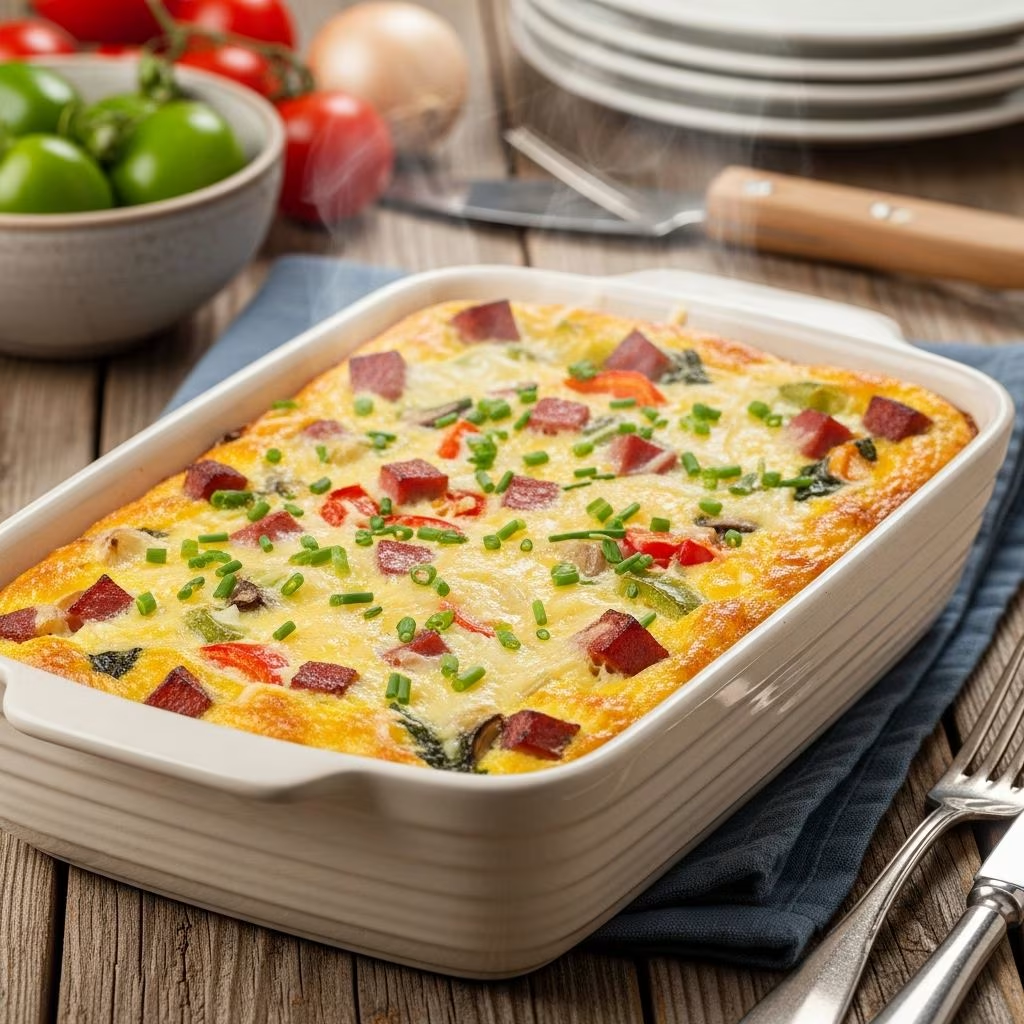
When it comes to preparing breakfast for a gathering or simply feeding your family on a busy morning, few dishes offer the convenience and satisfaction of a well-made egg casserole. This classic baked dish combines the richness of eggs with complementary ingredients that can be tailored to suit any palate or dietary preference. Whether you’re hosting brunch guests or preparing meals in advance for weekday breakfasts, understanding the fundamentals of creating an exceptional egg casserole will transform your breakfast repertoire.
Understanding the Foundation of Egg Casserole
An egg casserole serves as a versatile canvas for breakfast creativity. At its core, this dish relies on a carefully balanced custard base composed of eggs, dairy products, and seasonings that bind together with various add-ins to create a satisfying meal. The beauty of this approach lies in its flexibility; you can construct an egg casserole that reflects your personal preferences while maintaining the integrity of the dish.
The fundamental appeal of egg casseroles stems from their ability to transform simple ingredients into something greater than the sum of their parts. The eggs provide protein and structure, while complementary ingredients add flavor complexity and textural variety. This makes egg casseroles an ideal choice for anyone seeking to expand their breakfast options without requiring advanced culinary skills.
Essential Ingredients and Their Roles
Creating a successful egg casserole begins with understanding how each ingredient contributes to the final result. The primary components work together harmoniously to produce a dish that is both satisfying and memorable.
The Egg Base
Eggs form the foundation of your casserole, typically requiring 10-14 large eggs for a standard 9×13-inch baking dish. These eggs should be lightly beaten before combining with other ingredients, which helps distribute the yolks and whites evenly throughout the mixture. The quantity of eggs directly impacts the protein content and the density of your final casserole, making this measurement crucial to success.
Dairy Components
Incorporating dairy products elevates your egg casserole from simple to spectacular. Cottage cheese or ricotta adds creaminess and richness while contributing to a lighter texture. Many recipes combine this with milk, cream, or sour cream to create a custard-like consistency that bakes into a tender result. The choice between these dairy options affects both flavor intensity and final texture; cottage cheese provides a subtle tang, while cream offers maximum richness.
Cheese Selection
Cheese serves multiple functions in an egg casserole: it adds flavor, contributes to browning, and enhances the overall indulgence factor. Common choices include cheddar for sharpness, mozzarella for mild creaminess, and specialty varieties like pepper jack or smoked gouda for additional complexity. Using two cups of shredded cheese or dividing it between cottage cheese additions and top layers creates a well-developed cheese flavor throughout the dish.
Structural Support
Some egg casserole recipes incorporate flour or breadcrumbs to provide structure and help the mixture set properly during baking. All-purpose flour mixed with baking powder can create lift and body, while bread cubes absorb moisture and create textural contrast. These additions are optional but often contribute to a more substantial final dish.
Building Your Ingredient Matrix
Understanding the four main component categories allows you to approach recipe creation with confidence:
| Component Category | Examples | Purpose |
|---|---|---|
| Vegetables | Bell peppers, mushrooms, spinach, broccoli, zucchini, green onions | Add nutrition, flavor, and visual appeal |
| Proteins | Sausage, bacon, ham, or vegetarian options | Enhance savory flavor and increase satiety |
| Moisture Absorbers | Bread cubes, potatoes, or rice | Prevent excess liquid and create substance |
| Flavor Base | Eggs, cheese, cream, herbs, and spices | Unite all components into cohesive dish |
Step-by-Step Preparation Method
Preparation Phase
Begin by preheating your oven to the appropriate temperature, typically between 350-400°F depending on your recipe variation. While the oven heats, prepare your baking vessel by spraying a 9×13-inch pan with nonstick cooking spray or coating it with butter. This step prevents sticking and ensures easy removal of finished slices.
Building Your Base
In a large mixing bowl, whisk together your eggs until they reach a consistent pale yellow color. This whisking action incorporates air and ensures even distribution of yolks and whites. Add your melted butter to the whisked eggs, stirring until fully incorporated. If your recipe calls for flour or baking powder, whisk these dry ingredients into the egg mixture until the consistency becomes smooth and lump-free.
Incorporating Dairy and Cheese
Gently fold your cottage cheese or ricotta into the egg mixture, stirring just until combined. The texture may appear slightly lumpy, which is acceptable and actually contributes to the final casserole’s texture. Add your shredded cheese, reserving a portion for topping if desired, and mix until evenly distributed throughout the base.
Adding Your Customizations
Fold in any pre-cooked proteins, sautéed vegetables, or additional ingredients you’ve chosen. Pre-cooking vegetables and meats before adding them ensures they finish cooking at the same rate as the egg mixture and eliminates excess moisture that could make your casserole watery. This step transforms your basic egg casserole into a personalized creation.
Baking Process
Pour your prepared mixture into the greased baking dish and smooth the top with a spatula. Bake for 30-50 minutes, depending on your oven and the specific recipe variation. The casserole is done when the edges appear set and golden brown, though the very center may retain slight jiggle. This residual softness will firm up as the casserole cools, resulting in a perfectly textured final product.
Resting and Serving
Remove your casserole from the oven and allow it to rest for 5-10 minutes before slicing. This resting period allows the structure to set and makes serving considerably easier. Cut into squares and serve warm, garnishing with fresh herbs or additional cheese if desired.
Creative Variations and Customization Options
Mediterranean-Inspired Version
Incorporate roasted red peppers, sun-dried tomatoes, spinach, feta cheese, and Italian seasoning for a variation that evokes Mediterranean flavors. Combine these ingredients with your egg base for a casserole that tastes like a Mediterranean breakfast adventure.
Southwestern Adaptation
Create a Southwestern-themed casserole by adding diced green chiles, chorizo, black beans, corn, and pepper jack cheese. This variation offers bold flavors and spice that appeals to those who enjoy breakfast with personality.
Garden Vegetable Option
For a lighter, vegetable-forward approach, combine sautéed mushrooms, broccoli florets, zucchini chunks, fresh spinach, and mild cheddar cheese. This version works well for those seeking a more plant-forward breakfast option without sacrificing satisfaction.
Gluten-Free Adaptation
Convert any egg casserole recipe to gluten-free by substituting all-purpose flour with a one-to-one gluten-free flour blend if your recipe includes flour as a binding ingredient. This modification allows those with gluten sensitivities to enjoy egg casserole without compromise.
Meat Lover’s Version
Layer crispy bacon, browned sausage, and ham throughout your casserole base for a protein-packed breakfast that satisfies hearty appetites. Combine these meats with cheddar and Swiss cheese for a rich, savory experience.
Making Ahead: Convenience Without Compromise
One of the greatest advantages of egg casserole lies in its make-ahead capability. Assemble your casserole the night before serving, cover it with plastic wrap or aluminum foil, and refrigerate for up to 24 hours. This advance preparation allows flavors to meld and simplifies morning routines significantly.
When ready to bake, remove your prepared casserole from the refrigerator and allow it to sit at room temperature for 10-15 minutes while your oven preheats. This temperature adjustment ensures even cooking throughout the casserole. You can then bake according to your recipe’s specifications, though you may need to add a few extra minutes to account for the colder starting temperature.
Troubleshooting Common Issues
Overly Watery Casserole
If your finished casserole seems excessively wet or weepy, you likely added too much dairy or included vegetables that released excess moisture during baking. For future attempts, reduce the milk or cream quantity slightly, salt vegetables before cooking to draw out excess moisture, or incorporate additional bread or starch to absorb liquid.
Dense or Rubbery Texture
Overbaking causes eggs to become tough and rubbery. Remove your casserole from the oven when the edges appear set but the center still shows slight jiggle. The residual heat will complete the cooking process during the resting period, resulting in a tender final product.
Insufficient Browning
If your casserole emerges pale and lacking color, increase the oven temperature by 25 degrees for future attempts, or sprinkle additional cheese on top before baking. Cheese contributes to browning and visual appeal, making this adjustment both functional and aesthetically beneficial.
Frequently Asked Questions
Can I prepare egg casserole in advance?
Yes, egg casserole is an excellent make-ahead dish. Assemble it up to 24 hours before baking, cover tightly, and refrigerate. Allow the casserole to reach room temperature before baking for even cooking results.
What size baking dish should I use?
Most standard egg casserole recipes call for a 9×13-inch baking dish. If you need a smaller portion, recipes typically halve well, requiring an 8×8-inch or similar smaller baking vessel and reducing baking time accordingly.
How long does cooked egg casserole stay fresh?
Covered egg casserole refrigerates well for three to four days. You can also freeze portions for up to three months, thawing overnight in the refrigerator before reheating gently in a 350°F oven until warmed through.
Can I use egg substitutes?
Liquid egg substitutes work in egg casseroles, though results may vary slightly in texture. Use the same quantity as whole eggs called for in your recipe. For best results with egg alternatives, research recipes specifically developed for your chosen substitute.
What temperature should egg casserole reach internally?
Egg casseroles should reach 160°F in the center for food safety. Use an instant-read thermometer inserted into the thickest portion to verify doneness, avoiding the very center which may appear slightly soft but will firm up during resting.
Serving Suggestions and Presentation
Egg casserole shines as the centerpiece of a breakfast or brunch spread. Serve it alongside fresh fruit, warm biscuits or croissants, and a selection of beverages to create a complete meal. Consider garnishing individual portions with fresh chives, parsley, or a dollop of sour cream for visual interest and added flavor.
This versatile dish transitions well from casual family breakfast to more formal entertaining, making it an excellent choice for holiday mornings or hosting out-of-town guests. The ability to prepare it in advance means you can spend more time with guests rather than hovering over the stove.
Conclusion
Mastering the art of egg casserole opens doors to countless breakfast possibilities. By understanding the fundamental components and preparation techniques, you can create variations tailored to your preferences and the ingredients you have available. Whether you prefer vegetable-forward options, protein-packed combinations, or simple cheese-driven versions, egg casserole adapts to your vision while remaining practical and delicious. The make-ahead convenience factor makes this dish invaluable for anyone juggling busy schedules while refusing to compromise on quality breakfast options.
References
- Egg Casserole Recipe — Crazy for Crust. Accessed 2026. https://www.crazyforcrust.com/cheesy-egg-casserole/
- Breakfast Casserole Recipe — Tastes Better From Scratch. Accessed 2026. https://tastesbetterfromscratch.com/breakfast-casserole/
- Breakfast Casserole Recipe — Love and Lemons. Accessed 2026. https://www.loveandlemons.com/breakfast-casserole/
- Easy Make-Ahead Breakfast Casserole — Sally’s Baking Addiction. Accessed 2026. https://sallysbakingaddiction.com/easy-make-ahead-breakfast-casserole/
- Food Safety for Eggs — U.S. Department of Agriculture (USDA). https://www.fsis.usda.gov/food-safety/safe-food-handling-and-preparation/eggs