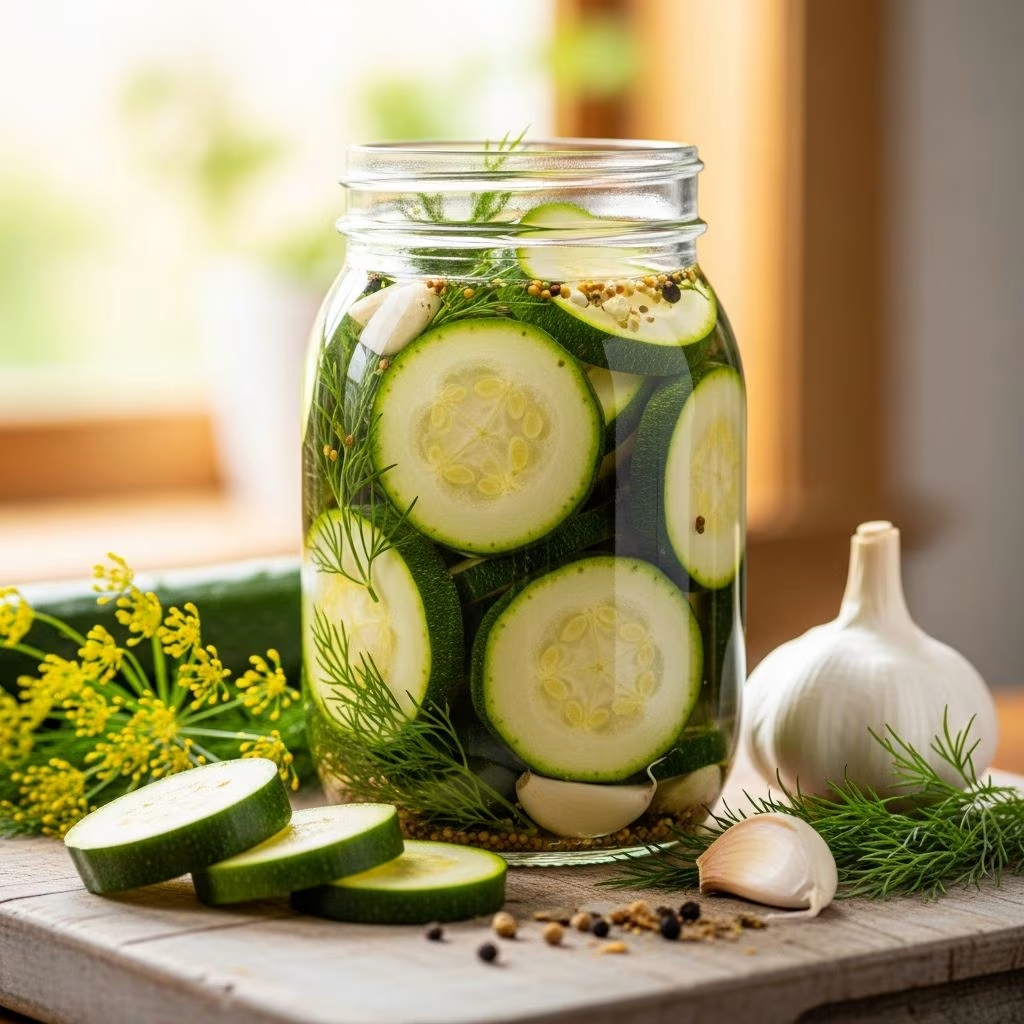
Summer gardens overflow with zucchini, and preserving this abundant squash into flavorful pickles offers a practical solution for managing the harvest. Zucchini dill pickles provide a tangy, crisp complement to sandwiches, charcuterie boards, and salads. Unlike traditional cucumber pickles, zucchini pickles offer a more delicate texture and subtle flavor profile that absorbs spices beautifully. The good news is that making these pickles requires no specialized canning equipment or lengthy processing times—the refrigerator method yields results in just hours.
Understanding the Fundamentals of Pickling
Pickling is the process of preserving vegetables through immersion in an acidic brine, typically vinegar-based. The acid inhibits bacterial growth and creates the characteristic tangy flavor associated with pickles. For zucchini, this method works exceptionally well because the vegetable’s mild taste readily accepts flavoring from aromatic spices and herbs. The pickling process transforms raw zucchini into shelf-stable condiments that develop increasingly complex flavors over time.
The refrigerator pickling method differs from traditional water bath canning in that pickles remain refrigerated rather than being processed in boiling water. This approach produces crisper vegetables with fresher herb flavors, making it ideal for home cooks seeking quick results without the complications of pressure canning.
Essential Ingredients for Your Zucchini Dill Pickles
The Vegetable Foundation
Select firm, unblemished zucchini that feel heavy for their size, indicating high water content. Medium-sized zucchini between six and eight inches long provide ideal proportions for slicing into uniform pieces. Smaller zucchini tend to be less watery and produce crispier pickles, while oversized specimens often contain more seeds and excess moisture. Wash zucchini thoroughly under running water and trim away both ends before slicing.
The Aromatic Elements
Fresh dill forms the backbone of flavor in this recipe. Use fresh dill sprigs when available, as fresh herbs impart brighter, more vibrant flavors compared to dried varieties. If fresh dill is unavailable, dried dill seed offers an acceptable alternative, though use approximately one-third the quantity. Garlic cloves, minced or left whole, contribute pungent, savory notes that complement the bright acidity of vinegar. One to three cloves per jar suffices, depending on personal preference.
Spices That Define the Profile
Black peppercorns deliver subtle heat and complexity without overwhelming the palate. Mustard seeds contribute a warm, slightly bitter undertone and visible texture to each pickle. Dill seed reinforces the herbaceous character while providing distinct visual interest. Additional optional spices might include caraway seeds, cumin, crushed red pepper, or ground turmeric, each bringing unique flavor dimensions to the finished product.
The Pickling Brine
White vinegar serves as the standard acidic base, offering neutral flavor that allows other ingredients to shine. Apple cider vinegar provides a slightly sweeter, more rounded acidity suitable for those preferring milder pickles. The brine combines vinegar with water in roughly equal proportions, along with salt and optional sugar for balancing flavors. Kosher salt dissolves more readily than table salt and contains no anti-caking additives that might cloud the brine.
Step-by-Step Preparation Process
Preparing the Zucchini
Slice prepared zucchini into uniform rounds or spears, aiming for consistency that ensures even pickling. Thickness between one-quarter inch and one-half inch works well, though personal preference regarding crispness should guide your choice. Thinner slices produce crispier pickles but may become soft if stored beyond two weeks, while thicker pieces maintain crunchiness longer but require extended pickling time to absorb flavors thoroughly.
Assembling the Jars
Clean mason jars thoroughly with hot soapy water, then rinse completely to remove any soap residue. Distribute aromatics—garlic, dill, peppercorns, and mustard seeds—evenly between jars before adding zucchini. This approach ensures each pickle receives uniform seasoning rather than concentrating flavors in certain jars. Pack zucchini pieces firmly but gently, avoiding compression that might crush delicate slices.
Creating the Brine
Combine vinegar, water, salt, and sugar in a non-reactive saucepan—stainless steel works best, as aluminum and copper react with acidic ingredients. Bring the mixture to a rolling boil over medium-high heat, then immediately remove from heat. Allow the brine to cool slightly to warm to the touch before pouring over packed vegetables. Adding boiling brine to packed jars risks cooking the zucchini, resulting in mushy rather than crisp pickles.
Finalizing and Storage
Pour the warm brine over zucchini, leaving approximately one-half inch of headspace at the jar’s top. This space allows for expansion and prevents overflow when sealing. Place lids on jars and refrigerate immediately. Pickles develop optimal flavor after twenty-four to forty-eight hours of refrigeration, though they become edible within just a few hours. Properly stored refrigerator pickles maintain quality for three to four weeks, though they often disappear from the refrigerator much sooner due to their popularity.
Flavor Variations and Creative Adaptations
| Variation Style | Key Ingredients | Flavor Profile |
|---|---|---|
| Classic Dill | Fresh dill, garlic, peppercorns | Herbaceous, subtly sharp |
| Spicy Heat | Red pepper flakes, jalapeños, cumin | Peppery, warming spice |
| Sweet Pickle | Increased sugar, cinnamon stick | Balanced sweet-tart |
| Mediterranean | Caraway seeds, turmeric, onion | Complex, slightly earthy |
| Mustard Forward | Mustard seeds, ground mustard powder | Tangy, bold mustard presence |
The beauty of homemade pickling lies in its flexibility. Transform your basic recipe by introducing sliced red onions, which add visual appeal and sweet-sharp undertones. Experiment with different vinegar types—rice vinegar produces milder, subtly sweet pickles, while wine vinegar imparts sophisticated complexity. Fresh herbs beyond dill, such as tarragon or basil, create entirely different flavor experiences. Start with the traditional dill preparation, then branch into variations based on your preferences and available ingredients.
Texture and Crispness Optimization
Achieving crisp, satisfying crunch distinguishes excellent homemade pickles from disappointing soft specimens. Several techniques enhance crispness: first, use the freshest zucchini available, as older specimens contain more water and deteriorate faster. Second, maintain cool storage temperatures, as warmth accelerates softening. Third, avoid using boiling-hot brine directly on vegetables, as this begins the cooking process. Fourth, incorporate grape leaves or oak leaves into jars—tannins in these leaves help maintain vegetable firmness, a technique used in commercial pickle production.
Some recipes suggest pre-treating zucchini with salt before pickling. This osmotic process draws excess moisture from the vegetable, concentrating flavors while improving texture. Slice zucchini, sprinkle generously with salt, and allow to sit in a colander for several hours or overnight. The resulting liquid drains away, leaving zucchini that absorbs brine more effectively and maintains crispness longer than untreated specimens.
Frequently Asked Questions About Zucchini Dill Pickles
How long do refrigerator pickles last?
Properly stored zucchini dill pickles remain fresh and flavorful for three to four weeks in the refrigerator. The acidic brine preserves the vegetables by inhibiting bacterial growth, but extended storage gradually softens the zucchini and may fade herb flavors. For best quality, consume pickles within the first two weeks when texture and flavor are most vibrant.
Can I use dried dill instead of fresh?
Yes, though fresh dill provides superior flavor. If using dried dill, reduce the quantity to approximately one-third of the fresh amount specified. Dried herbs concentrate flavors, so one teaspoon dried dill approximates three teaspoons fresh. Add dried dill directly to the brine rather than to the jar, as this allows flavors to distribute more evenly throughout the pickling liquid.
What if my pickles turn soft before I eat them?
Soft texture indicates extended storage, enzyme activity, or brine temperature that was too hot during initial packing. Prevent this by using freshest zucchini, maintaining cool storage, using warm (not boiling) brine, and consuming pickles within two weeks. If pickles soften, they remain safe and flavorful but lose the desirable crisp texture.
Can I can these pickles using a water bath?
Yes, though this requires different methodology. Research proper water bath canning techniques and processing times, as zucchini is a low-acid vegetable requiring careful attention to safety guidelines. Most home cooks find refrigerator pickling simpler and equally satisfactory for quantities consumed within several weeks.
What vegetables work with this dill pickling method?
Cucumbers, green beans, cauliflower, carrots, and various peppers all respond beautifully to dill pickling brine. The same basic recipe adapts to nearly any firm vegetable. Adjust cooking and soaking times based on vegetable density—delicate vegetables like zucchini need less time than dense specimens like carrots.
Serving Suggestions and Culinary Applications
Zucchini dill pickles complement numerous dishes beyond simple snacking. Serve them alongside charcuterie boards, where their bright acidity cleanses the palate between rich cheeses and cured meats. Layer pickles into sandwiches and wraps, where their crunch provides textural contrast. Chop and incorporate into relishes, potato salads, or grain bowls. Their brine works as a finishing vinaigrette for greens or roasted vegetables, adding complexity without requiring additional acid.
For entertaining, arrange pickles in attractive jars as homemade gifts. Include a label noting the pickling date and storage instructions. Most recipients appreciate homemade preserves, particularly when presented in reusable glass jars. These pickles make particularly welcome gifts during peak zucchini season when gardeners desperately seek creative uses for their abundant harvest.
Troubleshooting Common Pickling Challenges
Cloudy brine indicates mineral content in water or salt impurities. Use filtered water and kosher salt without additives to prevent this cosmetic issue. Hollow centers sometimes appear in older zucchini with developed seed cavities—prevent this by selecting smaller, fresher specimens. Off-flavors or unpleasant smells suggest contamination or improper storage; discard such pickles immediately. Successful pickling depends on maintaining proper acidity and cool temperatures, so pay attention to brine ratios and refrigeration.
References
- Spicy Zucchini Pickles — Homesick Texan. Retrieved from https://www.homesicktexan.com/spicy-dill-zucchini-pickles/
- Refrigerator Zucchini Pickles (Quick and Easy!) — Valerie’s Kitchen. Retrieved from https://www.fromvalerieskitchen.com/zucchini-pickles/
- Pickled Zucchini with Dill & Chilli — Homegrown Kitchen. 2023-12-14. Retrieved from https://www.homegrown-kitchen.co.nz/2023/12/14/pickled-zucchini-with-dill-chilli/
- Zucchini Pickles Recipe (No Canning) — Delicious Table. Retrieved from https://www.delicioustable.com/zucchini-refrigerator-pickles/
- Zesty Refrigerator Zucchini Pickles — Brown Eyed Baker. Retrieved from https://www.browneyedbaker.com/zucchini-refrigerator-pickles-recipe/